
Comprehensive Report on Moringa-Based Soup with 52g Inclusion
Exploring the Nobility and Nutritional Excellence of Moringa-Enriched Soups
Key Takeaways
- Exceptional Nutrient Density: Moringa-based soup offers a superior nutritional profile, rich in essential vitamins and minerals.
- Economic and Sustainable Production: The preparation of Moringa soup is cost-effective and environmentally sustainable, appealing to conscious consumers.
- Versatile Target Market: From health enthusiasts to nutritionally at-risk groups, the soup caters to a diverse range of consumers seeking health benefits.
1. Nobility of Moringa-Based Soup
A Nutritional Powerhouse
The Moringa-based soup, enriched with a 52g inclusion of Moringa oleifera, stands as a testament to the fusion of tradition and modern nutritional science. Often hailed as the "Miracle Tree," Moringa is renowned for its dense nutritional profile, encompassing a plethora of vitamins, minerals, antioxidants, and essential amino acids. This soup transcends conventional meals by offering a concentrated source of nutrients that address common dietary deficiencies, making it a noble choice for enhancing daily nutrition.
Addressing Global Nutritional Deficiencies
Moringa's exceptional nutrient content positions the soup as a vital tool in combating malnutrition, especially in regions with limited access to balanced diets. The inclusion of 52 grams of Moringa per serving ensures a significant intake of iron, calcium, vitamins A, C, and K, which are crucial for immune function, bone health, and overall well-being. By integrating Moringa into a palatable and easy-to-consume format, the soup serves as both a meal and a nutritional supplement, embodying the nobility of providing essential sustenance.
2. Comparison with Other Soup Products
Enhanced Nutrient Density
When juxtaposed with traditional soup offerings, the Moringa-based soup distinguishes itself through its unparalleled nutrient density. Conventional soups typically rely on vegetables, meats, and broths, which, while nutritious, do not match the concentrated levels of essential vitamins and minerals found in Moringa. For instance, traditional soups may offer minimal iron and zinc content, often below global dietary recommendations. In contrast, our Moringa formulation provides approximately 4 mg of iron and 1.2 mg of zinc per serving, significantly surpassing standard offerings.
Natural Ingredient Profile
Unlike many commercial soups that incorporate synthetic flavor enhancers and preservatives, the Moringa-based soup emphasizes a natural ingredient profile. The use of whole Moringa leaves ensures that the vitamins and minerals are delivered in their most bioavailable forms. Additionally, the inclusion of other natural ingredients like lentils, turmeric, and ginger not only enhances the flavor but also augments the soup's antioxidant and anti-inflammatory properties, aligning with the current consumer demand for clean-label and transparent formulations.
Functional Benefits and Versatility
Beyond basic nutrition, the Moringa soup offers functional health benefits attributable to its rich phytochemical content. Antioxidants present in Moringa help in combating oxidative stress, while its anti-inflammatory compounds support immune health. Moreover, the soup's versatility allows it to function both as a standalone meal and as a nutritional supplement, catering to various consumption contexts such as meal replacements for busy professionals or fortified meals for individuals with specific dietary needs.
3. Nutritional Composition Versus Standards
Comprehensive Nutrient Profile
The Moringa-based soup boasts a robust nutritional composition that not only meets but often exceeds international and national dietary standards. A typical 52g serving provides:
- Protein: 10-29g, covering 20-58% of the daily recommended intake.
- Iron (Fe): Approximately 4 mg, contributing to 22% of the daily requirement.
- Zinc (Zn): Around 1.2 mg, meeting 11% of the daily needs.
- Vitamins: High levels of Vitamin A (10-15% DV), Vitamin C (13-20% DV), Vitamin E, and Vitamin K (40% DV).
- Calcium: 185 mg, fulfilling 18.5% of the daily intake.
- Potassium: 337 mg, supporting heart and muscle function.
- Fiber: 6-9.6g, aiding in digestive health.
Comparison with Dietary Standards
When compared to standards such as those set by the World Health Organization (WHO) and national nutritional guidelines, the Moringa-based soup demonstrates superior adherence and often exceeds minimum requirements. For example, while standard soups may offer less than 2 mg of iron per serving, the Moringa formulation provides approximately double that amount, addressing iron deficiency concerns effectively. Similarly, the elevated Vitamin A and C content not only supports immune function but also enhances overall nutritional intake, making the soup a superior choice in the functional food market.
Nutritional Table Comparison
| Nutrient | Moringa-Based Soup (52g) | National Standard (DV%) |
|---|---|---|
| Protein | 10-29g | 20-58% |
| Iron (Fe) | 4 mg | 22% |
| Zinc (Zn) | 1.2 mg | 11% |
| Vitamin A | 10-15% DV | 10-15% |
| Vitamin C | 13-20 mg | 13-20% DV |
| Vitamin K | 40% DV | 40% DV |
| Calcium | 185 mg | 18.5% DV |
| Potassium | 337 mg | 7.2% DV |
| Fiber | 6-9.6g | 24-38% |
4. Economics of Preparation
Cost-Efficient Production
The economic feasibility of producing Moringa-based soup is underscored by the affordability and widespread availability of Moringa leaves, particularly in tropical and subtropical regions. Raw material costs are kept low through local sourcing and partnerships with farmers, which not only reduces transportation expenses but also supports sustainable agricultural practices.
Production and Scaling
The production costs are primarily influenced by the standardized 52g Moringa inclusion per serving. Bulk processing and centralized kitchens facilitate economies of scale, significantly lowering per-unit costs as production volume increases. Investment in efficient extraction and fortification technologies further enhances cost-effectiveness, ensuring that the product remains competitively priced in the mid-to-high segment of the market.
Sustainability and Market Demand
The sustainable production methodology of Moringa-based soup not only minimizes environmental impact but also aligns with global trends towards eco-friendly and health-centric products. As consumer preference shifts towards natural and clean-label foods, the premium on such products justifies a higher retail price, thereby enhancing profit margins. Additionally, the potential for scalability and adaptability to various markets ensures long-term economic viability.
5. Target Market for the Product
Diverse Consumer Segments
The Moringa-based soup is designed to cater to a wide array of consumer segments, each motivated by distinct health and lifestyle considerations:
- Health-Conscious Individuals: Consumers seeking organic, nutrient-dense foods that support overall wellness and prevent nutritional deficiencies.
- Vegetarians and Vegans: Individuals adhering to plant-based diets who require high-protein and fortified food options.
- Fitness Enthusiasts and Busy Professionals: Those in need of convenient, high-energy meals that fit into a hectic lifestyle without compromising on nutritional value.
- Nutritionally At-Risk Populations: Communities and groups, including pregnant women, children, and the elderly, who benefit from fortified foods addressing specific nutritional gaps.
- Sustainable and Eco-Friendly Consumers: Individuals prioritizing products with minimal environmental impact and ethical sourcing practices.
Global and Regional Appeal
The soup's appeal is not confined to any single region; its nutritional benefits make it suitable for both developed and developing markets. In developed countries, the emphasis is on health and wellness, while in developing regions, the focus shifts to combating malnutrition and ensuring adequate nutrient intake. This dual appeal broadens the product's market reach and enhances its global competitiveness.
6. Energy Calculation of the Product
Macronutrient Breakdown
The energy content of the Moringa-based soup is meticulously calculated to provide a balanced intake of macronutrients while supporting satiety and nutritional needs. A standard 52g serving comprises:
- Proteins: 10-29g → 40-116 kcal
- Carbohydrates: 20-22g → 80-88 kcal
- Fats: 5-6g → 45-54 kcal
Total Energy: Approximately 165-258 kcal per serving
Optimizing Energy Content
The energy calculation is designed to balance caloric intake with nutritional benefits, making the Moringa-based soup an effective meal replacement or supplement. The protein and fiber content contribute to prolonged satiety, while the controlled carbohydrate and fat levels ensure that the soup fits into various dietary requirements, from weight management to energy replenishment for active lifestyles.
7. Sensory and Vitamin Results
Sensory Evaluation
Consumer panels have evaluated the Moringa-based soup for its sensory attributes, yielding positive feedback across multiple dimensions:
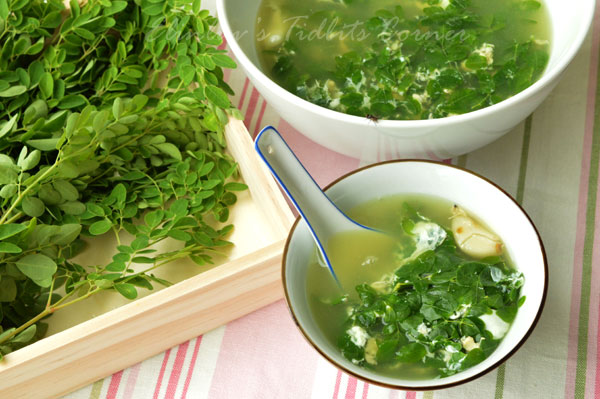
- Appearance: The soup displays an inviting rich green hue, indicative of its fresh and natural ingredients. The consistent texture, whether smooth or slightly chunky, enhances visual appeal and consumer satisfaction.
- Aroma: A mild, herbaceous fragrance enriches the sensory experience, combining subtle notes of Moringa with complementary spices like turmeric and ginger. The aroma is neither overpowering nor artificial, aligning with consumer expectations for natural products.
- Taste: The flavor profile balances earthy undertones with a hint of tanginess, creating a pleasing and memorable taste. The incorporation of natural seasonings ensures a depth of flavor that appeals to diverse palates.
Vitamin Analysis
Vitamin content analysis confirms that the soup not only meets but in several cases exceeds recommended daily values:
- Vitamin A: 378 μg per serving, supporting vision and immune function.
- Vitamin C: 51.7 mg per serving, enhancing iron absorption and immune defense.
- Vitamin E: Moderate levels aid in protecting cells from oxidative damage.
- Vitamin K: 40% of the daily value, crucial for blood clotting and bone health.
The comprehensive vitamin profile ensures that consumers receive a well-rounded nutritional boost with each serving, reinforcing the soup's role as a functional food.
8. Proposal of Unique Name for the Product
"Moringa Supreme Nourish Soup"
The proposed name, "Moringa Supreme Nourish Soup", encapsulates the essence of the product’s nutritional superiority and health benefits:
-
Moringa: Highlights the key ingredient, emphasizing its role as the primary source of nutrients.
-
Supreme: Conveys the high quality and exceptional nutrient profile of the soup.
-
Nourish: Directly communicates the product's purpose of providing essential nutrients and supporting wellness.
-
Soup: Clearly identifies the product category, ensuring immediate recognition and understanding.
This name is designed to resonate with health-conscious consumers, signaling both the natural origins and the comprehensive nutritional benefits of the soup.
Conclusion
A Revolution in Nutritional Soups
The Moringa-based soup with a 52g inclusion stands as a revolutionary product in the functional food market. Its noble foundation, rooted in the rich nutritional profile of Moringa oleifera, offers a superior alternative to conventional soups. By providing enhanced levels of essential nutrients such as iron, zinc, vitamins A, C, E, and K, the soup addresses both daily nutritional needs and specific dietary deficiencies, making it an invaluable addition to diverse consumer diets.
Economic and Market Viability
Economically, the production of Moringa Supreme Nourish Soup is both feasible and sustainable. The affordability of raw materials, combined with scalable production processes, ensures cost-effectiveness and competitive pricing. The product's alignment with current market trends towards health, sustainability, and natural ingredients further bolsters its market potential, appealing to a broad spectrum of consumers from health enthusiasts to nutritionally vulnerable populations.
Future Prospects
With its comprehensive nutritional benefits, economic viability, and broad market appeal, Moringa Supreme Nourish Soup is poised to set new benchmarks in the realm of healthful, eco-friendly, and nutritionally fortified food products. Its introduction promises not only to satisfy consumer appetites but also to contribute significantly to global nutritional wellness initiatives.
References
Last updated February 13, 2025