
Moringa in Ethiopia: An In-Depth Overview
Exploring the native species and their multifaceted benefits
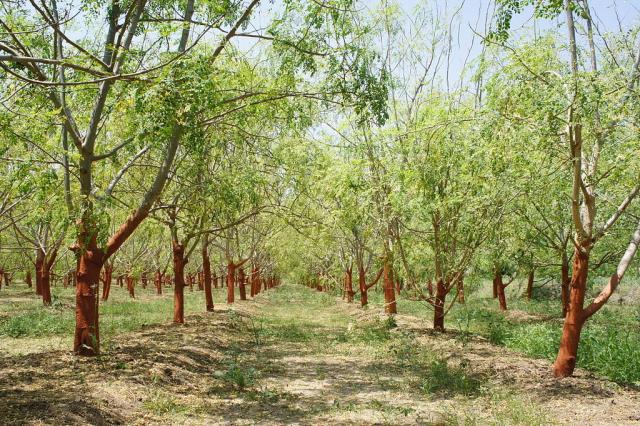
Highlights
- Diverse Species: Ethiopia is home to both the indigenous Moringa stenopetala and the globally cultivated Moringa oleifera, each with distinct traits.
- Nutritional and Medicinal Importance: Moringa species are celebrated for their rich nutrients, providing essential proteins, vitamins, and minerals while also offering therapeutic benefits.
- Environmental and Economic Impact: Notable for its drought resistance and rapid growth, the Moringa tree plays a key role in food security and sustainable agriculture in Ethiopia.
Introduction to Moringa in Ethiopia
Moringa, often described as a "miracle tree" for its numerous nutritional, medicinal, and environmental benefits, holds a prominent place in Ethiopia. This country, with its diverse climates and rich agricultural heritage, supports the cultivation of two principal species: Moringa stenopetala and Moringa oleifera. While Moringa stenopetala is native to the region and has evolved under local conditions, Moringa oleifera is a versatile species that has gained popularity globally due to its resilient nature and widespread utility.
In Ethiopia, especially in the southern regions, Moringa stenopetala has become synonymous with local agricultural practices and traditional dietary habits. Known by various local names such as "Haleko" or "Shiferaw", this species is not just a food source but also an integral element in local medicinal practices. Its leaves, pods, and even flowers are utilized for human consumption and animal feed, contributing significantly to local diets and livelihoods. Additionally, its role in water purification and potential for oil extraction underline its multipurpose nature, making it an invaluable resource for communities facing food insecurity and environmental challenges.
With Ethiopia striving to address malnutrition and promote sustainable agricultural practices, the cultivation and utilization of Moringa, particularly Moringa stenopetala, have attracted both national and international attention. The tree’s ability to thrive in semi-arid conditions further adds to its appeal in regions where water scarcity poses a recurring challenge. As such, Moringa is at the forefront of innovative projects and research initiatives aimed at improving nutrition, enhancing agricultural productivity, and fostering economic growth.
Species Overview: Moringa stenopetala and Moringa oleifera
Moringa stenopetala
Native Significance and Characteristics
Moringa stenopetala, often recognized as the indigenous species in Ethiopia, is well-adapted to the country’s unique climatic conditions. Found mainly in regions such as Gamo-Gofa, Konso, and Sidama, this species grows in areas ranging from 350 to 1850 meters above sea level. Its drought-tolerant nature and rapid growth make it an ideal crop for environments where water resources are limited.
Traditionally known by several local names, including "Haleko" and "Shiferaw", Moringa stenopetala has maintained a central role in local cultures. Communities have long relied on its nutrient-dense leaves, which serve as an excellent vegetable substitute in their diets. The leaves, rich in proteins, vitamins, and minerals such as iron and calcium, help alleviate malnutrition, particularly among vulnerable populations.
Beyond its nutritional benefits, Moringa stenopetala is also valued for its medicinal properties. Local medicinal practices incorporate various parts of the tree in treating ailments, showcasing the tree’s versatility. Additionally, its seeds produce an aromatic oil used in both culinary and cosmetic applications, further broadening its utility.
Moringa oleifera
Global Adaptation and Cultivation in Ethiopia
Although Moringa stenopetala dominates in Ethiopia due to its indigenous roots and adaptive characteristics, Moringa oleifera has also found a place in the country’s agricultural landscape. Globally acclaimed for its fast growth, drought resistance, and broad range of applications, this species is celebrated as a dietary supplement and a tool for holistic health.
In Ethiopia, Moringa oleifera is typically grown as part of efforts to harness its high nutritional profile and environmental benefits. Its leaves offer significant amounts of vitamins such as A, C, and several B vitamins, while also contributing a strong antioxidant profile. The use of this species is particularly pertinent in addressing nutritional deficits and supporting sustainable farming practices, as it requires minimal water and can withstand challenging conditions.
Although not native, Moringa oleifera complements the indigenous Moringa stenopetala by providing additional insights into how different species within the Moringa genus can be utilized across varied environmental and cultural contexts. Its adaptation within Ethiopia underscores the potential for inter-species knowledge transfer and agricultural innovation.
Nutritional Importance and Health Benefits
Rich Nutrient Profile
Both Moringa stenopetala and Moringa oleifera are renowned for their exceptional nutritional profiles, making them integral to diets in areas plagued by food insecurity. The leaves are particularly celebrated for their dense nutritional content, which includes complete proteins, vitamins, minerals, and antioxidants. These components work synergistically to promote overall health and support the immune system.
The high protein content in Moringa leaves is especially beneficial in regions where protein deficiency is prevalent. Additionally, the leaves are a rich source of vitamin A, vital for eye health, and vitamin C, known for boosting immunity and skin health. Minerals like calcium and iron further augment the leaves’ nutritional value, contributing to bone health and the prevention of anemia.
Medicinal Applications and Traditional Uses
Beyond basic nutrition, Moringa trees have a storied history in traditional medicine. Local communities harness different parts of the tree to treat a variety of ailments. In particular, the leaves have been used to manage conditions such as inflammation, high blood pressure, and digestive disorders. The anti-inflammatory and antioxidant properties inherent in these leaves contribute to their therapeutic effects.
Moreover, the seeds of the Moringa tree are employed in water purification, a practice that holds significant importance in rural areas where access to clean water is limited. The oil extracted from the seeds is used both for cooking and, in some cases, for skin care due to its moisturizing properties. These multipurpose utilizations underscore the tree’s central role in enhancing community health and wellbeing.
Agricultural and Environmental Contributions
Sustainable Agricultural Practices
A notable advantage of the Moringa tree is its resilience and adaptability, which enable it to flourish under harsh environmental conditions. Moringa stenopetala in particular thrives in semi-arid climates, making it ideal for cultivation in regions with irregular rainfall. Its rapid growth cycle allows for quick harvests, providing a sustainable source of nutrients year after year.
The Moringa tree’s ability to prevent soil erosion and improve soil fertility further reinforces its value in sustainable agriculture. When integrated into local farming practices, it serves as a natural amendment, enhancing soil structure and reducing the impact of drought. Its multipurpose nature, ranging from food supplementation to environmental protection, positions it as a keystone species in agroforestry and community resilience strategies.
Economic Prospects and Community Impact
The cultivation of Moringa species in Ethiopia is emerging as a promising economic venture. With increasing global demand for organic and nutrient-dense food sources, the potential for local communities to boost foreign currency earnings through Moringa exports is becoming more recognized. Moreover, initiatives aimed at expanding Moringa cultivation are ideally suited to address malnutrition while simultaneously contributing to economic development.
In areas like the Konso region, the cultivation of Moringa stenopetala has complemented traditional agricultural practices, ensuring that local communities reap both nutritional and economic benefits. This dynamic interplay between traditional farming methods and modern agricultural practices reinforces the potential for Moringa to play a pivotal role in Ethiopia’s Green Revolution in Africa.
Comparative Overview: Moringa stenopetala vs. Moringa oleifera
While both species share numerous benefits, understanding their distinctions is imperative for maximizing their respective potentials. The following table presents a comparative overview that highlights the primary differences and attributes of Moringa stenopetala and Moringa oleifera.
| Characteristic | Moringa stenopetala | Moringa oleifera |
|---|---|---|
| Origin | Native to southern Ethiopia and northern Kenya | Originally from the Indian subcontinent, globally cultivated |
| Adaptability | Thrives in semi-arid conditions with drought resistance | Fast-growing, robust in various environmental conditions |
| Nutritional Profile | Rich in proteins, vitamins, and essential minerals | Highly nutritious with similar profiles augmented by high antioxidant content |
| Local Uses | Primarily used as a vegetable, fodder, and traditional medicine | Employed for nutritional supplements, medicinal purposes, and water purification |
| Cultural Importance | Deep-rooted significance in local traditions and dietary practices | Increasingly adopted as a versatile crop in global and local contexts |
Research and Future Prospects
Current Research and Innovations
Ongoing research continues to reveal the extended benefits of both Moringa stenopetala and Moringa oleifera. Numerous studies have underscored the potential of these trees not only as sources of nutrition but also as natural agents for environmental conservation. Researchers are exploring methods to optimize breeding practices, improve yield, and expand the range of uses—from enhancing food security to offering eco-friendly solutions for water purification.
Technological advancements in agricultural practices have further paved the way for integrating Moringa cultivation into modern farming systems. Innovations in planting techniques, irrigation, and post-harvest processing have made it possible to maximize the nutritional and economic yields of Moringa crops. These advancements are particularly crucial in Ethiopia, where agricultural resilience is constantly tested by climatic variability.
Additionally, research efforts are focusing on the bioactive compounds present in Moringa leaves and seeds. Detailed studies on its phytochemistry are yielding insights into its antioxidant, anti-inflammatory, and antimicrobial properties. Such findings are likely to propel the tree into new areas of medicinal application and commercial exploitation, encouraging both local and international investments in Moringa-based projects.
Challenges and Sustainable Development
Despite its abundant benefits, the successful integration of Moringa into mainstream agricultural and healthcare practices faces several challenges. Key among these are issues related to scaling up production, ensuring quality control, and managing the environmental impacts of broader Moringa cultivation. There is also a need for standardized processing techniques to guarantee that the nutritional and medicinal properties of the tree are retained through production and storage.
Governmental and non-governmental organizations are increasingly aware of these challenges and are collaborating to develop guidelines and certifications for Moringa products. Such measures can help ensure that local communities are not only able to harvest and utilize Moringa effectively but also benefit economically from its commercialization. With the right investments in research, infrastructure, and capacity-building, Moringa cultivation in Ethiopia holds the promise of transforming local economies and addressing critical nutritional gaps at a large scale.
Cultural and Societal Aspects
Traditional Practices and Modern Integration
The deep-rooted cultural significance of Moringa in Ethiopia cannot be overstated. For generations, local communities have integrated Moringa trees into their agricultural systems and dietary practices. The tradition of utilizing various parts of the tree for their nutritional and medicinal properties reflects a comprehensive understanding of the plant’s benefits, passed down through oral traditions and communal knowledge.
In contemporary times, these traditional applications are receiving renewed interest as modern science validates many of the historical claims regarding Moringa’s health benefits. The fusion of indigenous knowledge with modern agricultural science has not only preserved these traditions but also introduced innovative uses that extend beyond the local scope. For instance, while local communities have long consumed Moringa leaves as a vegetable, research-backed applications now explore their use in nutraceutical formulations, dietary supplements, and even cosmetic products.
Impact on Local Livelihoods
In regions where Moringa cultivation is prevalent, the tree’s multipurpose benefits have contributed significantly to improving local livelihoods. By providing a reliable source of nutrition, Moringa has become a cornerstone in food security initiatives. Additionally, the economic opportunities presented by the cultivation, processing, and marketing of Moringa products have led to increased incomes and greater financial independence, especially among rural communities.
The social impact is equally remarkable. Empowering local farmers with the knowledge and tools necessary to cultivate Moringa has led to community-wide improvements in health and wellbeing. The tree’s role in both traditional practices and modern agricultural systems exemplifies how indigenous resources, when managed sustainably, can drive socioeconomic development and contribute to a resilient, thriving community.
Economic Benefits and Market Potential
Local and International Demand
The Moringa tree, particularly Moringa stenopetala, is increasingly recognized not only for its health benefits but also for its economic potential. In the local context, cultivation of this tree serves as a safeguard against nutritional deficits, while simultaneously acting as a source of revenue. As global consumers grow more conscious about natural, nutrient-rich, and organic products, international demand for Moringa-based products is on the rise.
Both domestic markets and international trade channels are witnessing the entry of Moringa products ranging from dried leaves and powdered supplements to oil extracts and cosmetics. This burgeoning market potential offers a promising avenue for Ethiopia to diversify its agricultural export portfolio. Strategic partnerships, investments, and research-driven cultivation practices could position Ethiopia as a leading exporter of high-quality Moringa products.
Case Studies and Success Stories
Across various regions of Ethiopia, several case studies illustrate how Moringa cultivation has transformed local farming practices. In areas such as the Konso region, small-scale farmers have successfully integrated Moringa into their cropping systems, leading to improved nutritional outcomes and increased household incomes. These success stories serve as powerful testimonials to the tree’s comprehensive benefits.
Furthermore, community-based cooperatives have begun to play a crucial role in marketing Moringa products, ensuring that profits are reinvested locally to achieve sustainable development. Such initiatives underscore the potential for Moringa to be a catalyst for rural development, as they combine traditional knowledge with modern market strategies in a way that benefits whole communities.
Future Directions and Final Thoughts
Innovative Agricultural Practices
Looking forward, the future of Moringa in Ethiopia appears rich with possibilities. New agricultural techniques, improved seed varieties, and sustainable farming practices are likely to further enhance the productivity and versatility of both Moringa stenopetala and Moringa oleifera. Advances in agronomy are expected to lead to higher yields, which in turn will provide even greater nutritional and economic benefits.
As research continues to unlock the myriad potentials of Moringa, local governments and international organizations are increasingly investing in infrastructure and capacity-building projects. These initiatives aim to refine cultivation methods, optimize supply chains, and promote value-added processing, all of which will contribute to a more robust and resilient agricultural economy in Ethiopia.
Integrating Tradition with Science
A key strength of the Moringa story in Ethiopia lies in its unique blending of ancestral wisdom with modern scientific research. This dynamic integration not only preserves cultural heritage but also opens the door to innovative solutions in nutrition and sustainable development. As more evidence emerges on the health benefits and environmental advantages of Moringa, it is expected that both traditional practices and modern applications will continue to evolve in a complementary fashion.
In conclusion, the Moringa tree represents a rare convergence of ecology, nutrition, and culture. Its dual species, Moringa stenopetala and Moringa oleifera, offer distinct yet complementary advantages, making the tree a versatile resource for tackling some of the most pressing challenges in agriculture, public health, and rural development in Ethiopia.
Conclusion
The multifaceted role of Moringa in Ethiopia encapsulates a harmonious blend of tradition, innovation, and sustainability. With Moringa stenopetala deeply rooted in the local environment and cultural practices, and Moringa oleifera offering global versatility and nutritional excellence, the tree stands as a beacon for future agricultural development. Its resilience in semi-arid landscapes, coupled with its rich nutrient profile and extensive medicinal applications, makes it a critical asset in the fight against malnutrition and environmental degradation. As Ethiopia continues its journey towards sustainable development, the Moringa tree remains a symbol of nature’s bounty—one that not only nourishes the body but also strengthens community resilience and economic prospects.
Embracing the potential of Moringa requires a concerted effort from local communities, scientific researchers, and policy makers alike. The tree’s dynamic integration into traditional practices and modern agricultural systems illustrates that sustainable development is achievable when cultural heritage and scientific innovation come together. Looking ahead, increased investment in research, enhanced agricultural techniques, and expanded market access are essential to fully realize the promise of Moringa for Ethiopia’s future.
References
- An Overview of Moringa Production in Ethiopia - Semantic Scholar
- New research unveils untapped Moringa cultivation potential in Ethiopia - Food Business Africa
- Moringa stenopetala - Wikipedia
- Moringa tree gaining popularity in Ethiopia - World Agroforestry
-
Nutritional significance of Moringa - National Center for Biotechnology Information
Recommended Searches
Last updated February 20, 2025