
Moroccan Culture: A Rich Tapestry of Heritage and Modernity
Exploring the vibrant interplay of traditions, language, art, and social customs in Morocco
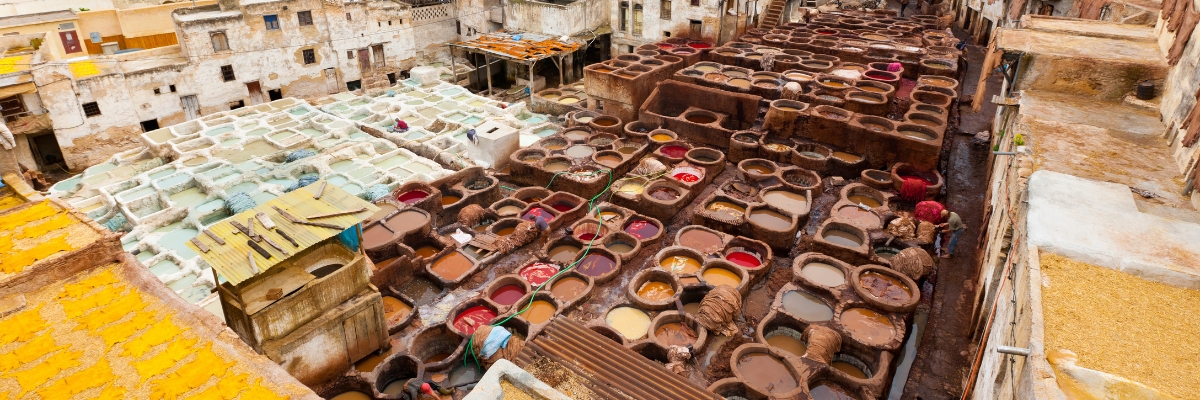
Highlights of Moroccan Culture
- Cultural Diversity: A unique blend of Arab, Berber, African, and European influences interwoven through history.
- Traditions and Customs: Deep-rooted practices such as the mint tea ceremony, traditional attire, and communal dining.
- Modern and Historical Fusion: Contemporary expressions coexist with ancient traditions, especially in art, music, and festivals.
Introduction
Moroccan culture stands as a living mosaic shaped by a rich history and a melting pot of influences. Known for its deep-rooted traditions, the culture of Morocco emerges from a historical tapestry featuring Arab, Berber, African, and European threads. This complex blend forms not simply a national identity, but a continuous dialogue between the ancient and the modern, where heritage coalesces with innovation to maintain a dynamic and evolving societal norm.
Historical and Cultural Foundations
Historical Influences
The cultural landscape of Morocco is as old as its history. The earliest inhabitants, predominantly Berbers, laid the foundational practices and customs of the region. With the arrival of Arab tribes in the 7th century, Islam was introduced and quickly interwove with local traditions to create a distinctive cultural framework, primarily adhering to Sunni Islam. Throughout the centuries, Morocco witnessed influences from various civilizations including Roman, Byzantine, and later, the impact of French and Spanish colonial rule. These different eras contributed layers of complexity to Moroccan art, language, and social customs.
Ethnic and Linguistic Diversity
Morocco is home to a diverse mix of ethnic elements. The population is predominantly composed of Arabs and Berbers, with a significant number of the populace retaining the ancient Berber language – Tamazight. Arabic is the official language, and along with Berber, it forms the backbone of communication and literature in the country. The influence of French, a vestige from the colonial period, remains strong in education, business, and diplomacy, while Spanish has made its mark, particularly in northern regions. This multilingual environment not only underscores the historical complexities of Morocco but also nurtures a culture of inclusiveness and adaptation.
Traditions and Customs
Social Values and Norms
Moroccans are known for their emphasis on family, community, and honor. These social values have been instilled through centuries of tradition and are central to the way of life in the country. Collectivism is evident in the close-knit nature of families, where respect for the elders and a strong sense of community are omnipresent. The moral fibers of humility, hospitality, and resilience guide social interactions and daily practices.
Family and Community Life
Family is viewed as the cornerstone of Moroccan society. Extended families often live in close proximity, sharing the responsibilities of childcare, education, and economic support. Respect towards elders is not just expected but revered, as they are seen as custodians of tradition and wisdom.
Hospitality and Social Etiquette
Hospitality is perhaps the most exuberant quality associated with Morocco. Visitors to a Moroccan household experience a warm welcome marked by the serving of mint tea, often accompanied by sweets. This tea is more than a beverage; it symbolizes friendship, respect, and the generous spirit of the host. Social etiquette further extends to practices such as removing shoes before entering a home, eating with the right hand, and maintaining modesty in both dress and behavior. Such customs are reflective of a cultural respect for personal space and sanctity of the household.
Traditional Ceremonies and Customs
Several traditional ceremonies continue to hold significant roles in Moroccan society today. Whether it is the celebratory preparations during Ramadan and Eid, the joyful gatherings on Friday for couscous meals, or the annual observance of the Amazigh New Year (Yennayer), ritualistic practices firmly anchor the social life of the nation. Other customs such as henna artistry for weddings and special occasions, the revitalizing sessions at traditional bathhouses (hammams), and the communal mint tea ritual are all integral to maintaining the cultural continuum.
Culinary Traditions
Signature Moroccan Dishes
Moroccan cuisine is renowned as one of the world’s most flavorful and aromatic culinary traditions. The cuisine is characterized by a blend of spices and locally sourced ingredients that deliver vibrant tastes and fragrances. One cannot speak of Moroccan food without mentioning the iconic tagine – a slow-cooked stew traditionally prepared in a conical clay pot – and couscous, a grain dish that forms the bedrock of many meals. Other traditional dishes include pastilla, a sweet and savory pie, and harira, a hearty soup often served to break fast during Ramadan.
Spices and Ingredients
The secret to Moroccan culinary magic lies in its spices. Saffron, cumin, ginger, and ras el hanout (a complex spice blend) add depth and warmth to the dishes. The use of preserved lemons, olives, and dried fruits further enhances the flavors, creating delightful contrasts between tangy, sweet, and savory.
Dining and Communal Practices
Meals in Morocco are deeply communal events. Traditionally, food is served on a large platter that is shared among family members and guests, fostering a sense of unity and community. The act of sharing food reinforces social bonds, underscoring the importance of togetherness over individuality. Eating practices also embrace ritualistic elements, such as washing hands before and after meals and the customary use of the right hand for eating.
Arts, Music, and Architecture
Art and Handicrafts
Moroccan art is celebrated for its intricate patterns, vibrant colors, and thoughtful designs that echo centuries of cultural exchange. Traditional handicrafts such as pottery, weaving, and metalwork continue to be highly prized both domestically and internationally. The famed Moroccan carpets, often rich in color and design, are a testament to the country’s artistic heritage, traditionally crafted by skilled artisans using time-honored techniques.
Calligraphy and Decorative Arts
The art of Islamic calligraphy is deeply embedded in Moroccan artistic traditions. In mosques and public buildings, calligraphy is used to adorn walls with verses from the Quran, blending beauty with spiritual meaning. Similarly, ziliij—a mosaic tile work featuring complex geometric patterns—is a striking feature in traditional Moroccan buildings, reflecting both aesthetic appeal and architectural ingenuity.
Music and Dance
Morocco’s musical heritage is as varied as it is enchanting. The soundscape of the country is interlaced with diverse genres that have evolved over centuries. Andalusian classical music, with its refined melodies and poetic lyrics, carries echoes of a bygone era when Muslim, Jewish, and Christian musical traditions coexisted. In parallel, Berber musical forms such as Ahidous and the soulful rhythms of Gnawa music tell stories of ancestral traditions and spiritual journeys.
Modern Fusion and Popular Trends
In urban centers, traditional music and dance have merged with contemporary influences, creating a hybrid that resonates with the younger generation. Modern festivals and events, such as the Fez Festival of World Sacred Music and the Gnaoua World Music Festival in Essaouira, showcase this fusion of old-world charm with modern sensibilities. These gatherings not only celebrate the sounds of Morocco but also provide a platform for dialogues between different cultures and eras.
Architecture and Urban Landscapes
Moroccan architecture is a blend of careful design and cultural symbolism. The medieval medinas in cities like Fes, Marrakech, and Chefchaouen are characterized by labyrinthine streets, bustling souks (markets), and beautifully decorated riads (traditional houses). A typical Moroccan courtyard is designed with an open central space that promotes both privacy and communal interaction, reflecting the balance between individual comfort and social connectivity.
Traditional and Modern Architectural Elements
Traditional elements such as carved wooden doors, stucco decorations, and intricate plasterwork coexist with modern architectural innovations. While preserving age-old traditions and artistry, contemporary buildings in Morocco also integrate modern materials and technologies, creating a dialogue between the past and the future.
Education, Language, and Literature
Multilingualism in Morocco
Language is a crucial pillar of Moroccan culture. Arabic and Berber are recognized as the official languages, and they form the core of educational curricula and government communication. The historical legacy of French, due to colonial influence, remains predominant in higher education, business, and technical fields. The incorporation of modern languages like English and Spanish continues to bear testament to Morocco's evolving global outlook. This linguistic versatility not only aids in the preservation of traditional literature but also enables the creation of new forms of artistic and academic expression.
Literature and Storytelling
Moroccan literature is a rich repository of oral and written traditions. Storytelling, a tradition passed down through generations, remains a cherished art form. Epics, folktales, and poetic works draw from the Arabic, Berber, and Andalusian literatures, reflecting not just historical narratives but philosophical meditations on life, honor, and the human spirit. Modern Moroccan writers have continued this tradition, blending classical themes with contemporary issues, thus providing both local insights and universal experiences.
Modern Influences and Global Integration
Cultural Innovation in a Globalized World
While tradition remains the bedrock of Moroccan culture, modern transformations are equally visible. The inflow of global trends and the availability of modern communication have encouraged cultural innovation in fields such as film, music, and visual arts. Urban centers like Casablanca and Rabat illustrate this blend of cultural reverence and contemporary dynamism. Here, state-of-the-art commercial spaces exist alongside traditional souks, and progressive art galleries line streets that were once home to modest artisans.
Impact on Social Practices
As Morocco continues to navigate the complexities of modernity, its citizens adapt while retaining core cultural values. Young Moroccans are increasingly embracing global entertainment and consumer trends without abandoning their heritage. This delicate balance is evident in their fashion, music, and social customs where traditional insignias like the djellaba and caftan are reinterpreted in modern styles, resonating across generations.
Festivals and Celebratory Events
Festivals form an essential part of Morocco's cultural calendar. From the sacred observance of Ramadan and Eid to the vibrant celebrations at the Fez Festival of World Sacred Music, each event is a portal into different layered traditions. Rural regions celebrate local events that include horse riding exhibitions (Taburida), while urban festivities reflect a blend of innovation and cultural tradition. These festivals not only boost local pride but also attract global visitors, fostering intercultural dialogues.
A Comparative Look: Traditional vs. Modern Aspects
Summary Table Illustrating Cultural Elements
| Cultural Aspect | Traditional Elements | Modern Influences |
|---|---|---|
| Language | Arabic, Berber (Tamazight) | Inclusion of English and Spanish in education and business |
| Art and Handicrafts | Intricate handicrafts, mosaic tile work, calligraphy | Modern art galleries and fusion art forms |
| Cuisine | Tagine, couscous, mint tea, traditional spices | Contemporary culinary techniques fused with tradition |
| Social Customs | Family unity, hospitality, communal dining | Global social media influences shaping modern etiquette |
| Festivals | Ramadan, Eid, Yennayer, local cultural festivals | International music and film festivals |
Cultural Legacy and Future Directions
Preserving Tradition in the Face of Change
The evolution of Moroccan culture is a testament to its resilience and adaptability. While modern influences such as the internet, international media, and globalization have introduced new ways of thinking and creative expression, many Moroccans remain deeply committed to preserving their historical legacy. Efforts by the government and cultural institutions, including the designation of certain medinas as UNESCO World Heritage Sites and the proactive promotion of local arts, ensure that the historical and artisanal knowledge underlying Moroccan traditions is not lost.
The Role of Education and Cultural Exchange
Cultural continuity in Morocco is also reinforced by its robust educational system and increasing cultural exchange. Academic programs dedicated to the study and preservation of Moroccan history, art, and language have flourished, promoting a rich intellectual environment. Moreover, various cultural festivals, international exhibitions, and academic conferences provide platforms for dialogue, enabling Morocco to both showcase and rejuvenate its cultural wealth. This dual emphasis on preservation and exchange ensures that future generations inherit a legacy that is as vibrant as it is profound.
Conclusion
In conclusion, Moroccan culture stands as an intricate and evolving tapestry that unites the threads of tradition and modernity. Its rich heritage, deeply influenced by Arab, Berber, African, and European elements, permeates every aspect of life—from art, music, and culinary practices to social customs and architectural marvels. The societal emphasis on family, hospitality, and community underscores a way of life that prioritizes relational bonds and cultural continuity. At the same time, Morocco’s adaptive embrace of global trends and innovative practices ensures that its cultural expression remains dynamic and relevant in a rapidly changing world.
The unique fusion of ancient rituals with contemporary influences is not only evident in everyday customs but also in the country’s festivals, education, and urban landscapes. Through persistent engagement with both heritage and modernity, Morocco has cultivated a distinctive cultural identity that is as multifaceted as it is resilient. This dynamic interplay between the old and the new fortifies its status as a beacon of cultural diversity in an increasingly interconnected world.
References
- WorldAtlas - Morocco Culture Customs and Traditions
- Embassy of the Kingdom of Morocco - Moroccan Culture
- Moroccopedia - Moroccan People and Culture
- Moroccan Vacations - Cultural Experiences
- Wikipedia - Culture of Morocco
Recommended Queries for Further Exploration
Last updated February 22, 2025