
Most Important Life Lessons
Essential Principles for a Fulfilling and Meaningful Life
Key Takeaways
- Embrace Failure as a Learning Opportunity: View setbacks as stepping stones to success.
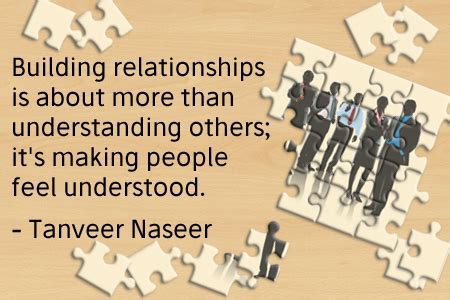
- Value Relationships Over Material Possessions: Cultivate meaningful connections for lasting happiness.
- Prioritize Mental and Physical Well-being: Invest time and effort in maintaining your health and happiness.
Embracing Failure and Building Resilience
Failure is often perceived negatively, but it is one of the most powerful teachers in life. Embracing failure means recognizing that setbacks are inevitable and using them as opportunities to grow and learn. Resilience, the ability to bounce back from adversity, is closely tied to how we handle failure. By viewing challenges as opportunities rather than obstacles, we develop the strength and flexibility needed to navigate life's unpredictabilities.
Learning from Setbacks
Every failure carries a lesson. Whether it's a professional setback or a personal disappointment, reflecting on what went wrong and understanding the underlying reasons helps us make better decisions in the future. This proactive approach transforms negative experiences into valuable insights that propel us forward.
Developing a Growth Mindset
A growth mindset is the belief that abilities and intelligence can be developed through dedication and hard work. This perspective fosters a love for learning and resilience essential for great accomplishments. It encourages us to embrace challenges, persist in the face of setbacks, and see effort as the path to mastery.
Valuing Relationships Over Material Possessions
While material possessions can provide temporary satisfaction, meaningful relationships offer enduring joy and support. Investing in relationships with family, friends, and community members builds a network of mutual support that enhances our quality of life.
Cultivating Meaningful Connections
Quality relationships are characterized by trust, respect, and genuine care. Building such connections involves active listening, empathy, and the willingness to invest time and energy. These relationships provide emotional support, shared experiences, and a sense of belonging.
Maintaining Healthy Boundaries
While nurturing relationships is important, it is equally vital to maintain healthy boundaries. This balance ensures that relationships remain positive and do not become sources of stress or emotional drain. Setting boundaries allows for mutual respect and personal space.
Prioritizing Mental and Physical Well-being
Health is the foundation of a fulfilling life. Prioritizing both mental and physical well-being ensures that we have the energy, clarity, and resilience to pursue our goals and enjoy our relationships.
Physical Health
Maintaining physical health through regular exercise, a balanced diet, and adequate sleep is essential. Physical well-being not only supports long-term health but also enhances our ability to engage fully in daily activities and pursue our passions.
Mental Health
Mental well-being involves managing stress, practicing mindfulness, and seeking support when needed. Activities such as meditation, journaling, and therapy can help maintain mental health and foster emotional resilience.
Balance and Self-Care
Balancing work, personal life, and leisure is crucial for overall well-being. Self-care practices, such as taking time for hobbies, relaxation, and personal reflection, help prevent burnout and maintain a positive outlook.
Continuous Learning and Personal Growth
Life is a continuous journey of learning and growth. Embracing a mindset of lifelong learning allows us to adapt, innovate, and thrive in an ever-changing world.
Pursuing Knowledge
Actively seeking new knowledge and skills through education, reading, and experiential learning fosters personal and professional development. This pursuit keeps the mind engaged and opens doors to new opportunities.
Openness to Feedback
Being receptive to feedback and willing to make adjustments is crucial for growth. Constructive criticism provides insights into areas for improvement, enabling us to refine our abilities and behaviors.
Setting and Achieving Goals
Setting clear, achievable goals provides direction and motivation. By breaking down larger objectives into manageable steps, we can track progress and celebrate milestones, fostering a sense of accomplishment.
Embracing Change and Adaptability
Change is a constant in life, and the ability to adapt is essential for maintaining stability and pursuing new opportunities. Embracing change involves flexibility, open-mindedness, and a willingness to step out of one's comfort zone.
Adaptability in Action
Adaptable individuals are better equipped to handle unexpected challenges and seize new opportunities. This flexibility enhances problem-solving skills and fosters innovation, allowing for continuous improvement and success.
Overcoming Fear of the Unknown
Fear of the unknown can hinder personal and professional growth. By facing fears and taking calculated risks, we open ourselves to new experiences and possibilities that can lead to significant rewards.
Resilience Through Change
Change often brings uncertainty, which can be stressful. Developing resilience helps us manage stress and maintain a positive outlook, even in the face of significant life transitions.
Practicing Gratitude and Mindfulness
Gratitude and mindfulness are practices that enhance our appreciation for life and improve overall well-being. These practices encourage a positive mindset and help us stay grounded in the present moment.
The Power of Gratitude
Expressing gratitude fosters a sense of contentment and reduces feelings of envy and resentment. Regularly acknowledging the positive aspects of our lives shifts our focus from what we lack to what we have.
Mindfulness Techniques
Mindfulness involves being fully present and engaged in the current moment. Techniques such as meditation, deep breathing, and mindful walking enhance our awareness and reduce stress, promoting mental clarity and emotional balance.
Living in the Present
Focusing on the present moment prevents us from dwelling on past regrets or future anxieties. Embracing the present allows us to fully experience and enjoy life as it unfolds.
Building Self-Worth and Authenticity
Understanding and valuing our own worth is fundamental to leading a fulfilling life. Authenticity, the alignment of our actions with our true selves, strengthens our self-esteem and fosters genuine relationships.
Self-Acceptance
Accepting ourselves, including our strengths and weaknesses, is crucial for personal growth. Self-acceptance fosters confidence and reduces the need for external validation.
Living Authentically
Authenticity involves being true to oneself and expressing our genuine thoughts, feelings, and values. Living authentically leads to greater personal satisfaction and deeper connections with others.
Overcoming External Judgments
Resisting the urge to conform to others' expectations allows us to live more authentically. By prioritizing our own values and desires, we create a life that truly reflects who we are.
Effective Time and Priority Management
Time is a finite resource, and managing it effectively is essential for achieving our goals and maintaining balance in life. Prioritizing tasks and activities ensures that we focus on what truly matters.
Setting Priorities
Identifying and prioritizing important tasks helps in allocating time and resources efficiently. By focusing on high-impact activities, we can achieve our objectives more effectively.
Avoiding Procrastination
Procrastination can hinder progress and increase stress. Developing strategies to overcome procrastination, such as breaking tasks into smaller steps and setting deadlines, enhances productivity.
Balancing Work and Personal Life
Maintaining a healthy balance between work and personal life prevents burnout and promotes overall well-being. Allocating time for leisure, relationships, and self-care is as important as professional responsibilities.
Kindness and Compassion
Practicing kindness and compassion not only benefits others but also enhances our own well-being. These qualities foster positive relationships and create a supportive community.
Acts of Kindness
Small acts of kindness, such as helping a neighbor or offering a compliment, can have a profound impact on others and create a ripple effect of positivity.
Empathy and Understanding
Empathy involves understanding and sharing the feelings of others. Developing empathy strengthens relationships and promotes a more compassionate and inclusive society.
Self-Compassion
Being kind to ourselves during times of failure or stress is essential for maintaining mental health. Self-compassion helps us recover from setbacks and maintain a positive self-image.
Taking Responsibility and Action
Taking ownership of our actions and decisions empowers us to shape our own destinies. Responsibility fosters accountability and encourages proactive behavior in pursuing our goals.
Ownership of Choices
Accepting responsibility for our choices, both good and bad, promotes personal growth and prevents the victim mentality. It encourages us to learn from our experiences and make better decisions in the future.
Proactive Behavior
Being proactive involves taking initiative and anticipating potential challenges. This approach leads to better problem-solving and helps us stay ahead in achieving our objectives.
Setting and Pursuing Goals
Setting clear, actionable goals provides direction and motivation. Pursuing these goals with determination and consistency leads to personal and professional fulfillment.
Summary and Conclusion
The most important life lessons revolve around personal growth, resilience, meaningful relationships, and well-being. Embracing failure, prioritizing happiness, and valuing relationships over material possessions lay the foundation for a fulfilling life. Continuous learning, effective time management, and adapting to change ensure ongoing development and success. Practicing gratitude, kindness, and authenticity enhances our interactions and self-perception, while taking responsibility and proactive action empowers us to shape our destinies. By internalizing and applying these principles, we can navigate life's complexities with clarity, purpose, and joy.
References:
- The Greatest Lessons I've Learned in Life…So Far
- 24 of the Most Powerful Life Lessons - Inc. Magazine
- What are the most important life lessons you have learned? - Reddit
- 38 Life Lessons in 38 Years - Common Sense Ethics
- 35 Essential Life Lessons Everyone Should Learn Early on in Life
- 10 Essential Life Lessons Everyone Should Learn Early On in Life
- 25 Important Life Lessons That Everyone Should Know
- 145 Life Lessons Everyone Needs to Learn - Live Bold and Bloom
- 10 Important Life Lessons We Are Often Taught Too Late - Ladders
- 10 Life Lessons People Should Learn Before They Turn 30 - Lifehack
- 137 Valuable Life Lessons - Develop Good Habits
- 18 Life Lessons - The Scholarly Kitchen
- What Are the Most Important Lessons You've Learned in Life? - The Clemmer Group
Last updated January 19, 2025