
Navigating the Hype: Uncovering the World's Most Overrated Travel Destinations
Are popular tourist spots always worth the journey? A look at destinations that may not live up to expectations.
Key Insights into Overrated Travel
- Overtourism is a significant factor: Many popular destinations suffer from overcrowding, diminishing the overall experience for visitors and negatively impacting local life.
- Lack of authenticity and commercialization: Some places have become so focused on tourism that they lose their unique cultural charm, replaced by generic souvenir shops and inflated prices.
- Specific attractions frequently disappoint: Certain world-famous landmarks and sites are repeatedly cited by travelers as underwhelming compared to their reputation.
Travel is a deeply personal experience, and what one person finds breathtaking, another might find underwhelming. However, based on numerous traveler accounts and reviews, certain destinations and attractions frequently appear on lists of "most overrated." This often stems from a combination of factors, including immense hype, overcrowding, high costs, and a perceived lack of authenticity.
Understanding which places might not live up to the fanfare can help travelers set realistic expectations or consider alternative, perhaps less-trodden, paths that offer a more genuine and enjoyable experience. While the term "overrated" is subjective, recurring themes emerge when travelers share their disappointing experiences.
Destinations Falling Short of Expectations
Exploring Cities and Countries Frequently Labeled as Overhyped
Major Global Cities Facing Criticism
Several iconic cities, despite their undeniable historical and cultural significance, are often cited as being overrated due to the sheer volume of tourists and the associated challenges. Paris, France, while renowned for its romance and art, is sometimes described as not living up to the romanticized image, with some travelers noting rudeness from locals and the city not being as clean as expected. Similarly, New York City, USA, particularly areas like Times Square, is frequently mentioned as being overcrowded, overly commercialized, and lacking the authentic urban experience some visitors seek.
Rome, Italy and Venice, Italy also appear on these lists, primarily because of the overwhelming crowds that can make navigating these historic cities a stressful experience. The beauty of these places is often overshadowed by the difficulty in moving around and the feeling of being part of a never-ending queue.
In Asia, Bali, Indonesia, once a serene paradise, is now frequently seen as a victim of its own popularity. Overtourism has led to congestion, environmental concerns, and a less tranquil atmosphere than many anticipate. Similarly, some travelers find Dubai, UAE, to be overly artificial and lacking in cultural depth, feeling more like a constructed playground than a place with a rich history.
Other cities mentioned include San Francisco, USA, with concerns about homelessness and safety, and Reykjavik, Iceland, which some find surprisingly expensive and perhaps not as dramatically scenic as the rest of the country.
Countries That Divide Opinion
Beyond individual cities, some entire countries receive mixed reviews. Switzerland, despite its stunning natural beauty, is often labeled as overrated due to its incredibly high cost of travel and the perception that popular areas are overrun with tourists, detracting from the peaceful mountain experience many seek.
While offering unique cultural experiences, some travelers have found countries like Egypt and parts of India to be challenging due to persistent scams and overwhelming crowds at major historical sites. The intensity of the tourist experience in these places can sometimes overshadow their historical importance.
Even destinations known for their natural wonders can disappoint. Some travelers find New Zealand, despite its breathtaking landscapes, to be less culturally rich than anticipated in certain areas, feeling somewhat diluted by tourism infrastructure.
Famous Attractions That Disappoint
Iconic Landmarks That May Not Live Up to the Hype
Often, the most famous landmarks bear the brunt of disappointment. The immense fame and the images portrayed in media can create expectations that are difficult to meet in reality, especially when coupled with large crowds.
The Mona Lisa at the Louvre
Perhaps one of the most frequently cited disappointing attractions is the Mona Lisa in the Louvre Museum, Paris. Travelers often describe a small painting viewed from a distance behind glass, surrounded by a dense crowd all vying for a photo. The experience of seeing this iconic artwork can be a far cry from the intimate encounter many imagine.
Tourists crowded around the Mona Lisa in the Louvre.
Times Square, New York City
As mentioned earlier, Times Square is a prime example of an urban space that many find overwhelming and overly commercialized. While a hub of activity, the sensory overload, pushy street performers, and abundance of chain stores can detract from the experience for many visitors.
The bustling, brightly lit environment of Times Square.
The Little Mermaid, Copenhagen
The statue of the Little Mermaid in Copenhagen is another landmark that frequently disappoints. Visitors often expect a grand monument but find a relatively small statue situated on a rock, often surrounded by tourists. The reality can be quite different from the fairytale image.
Other Notable Disappointments
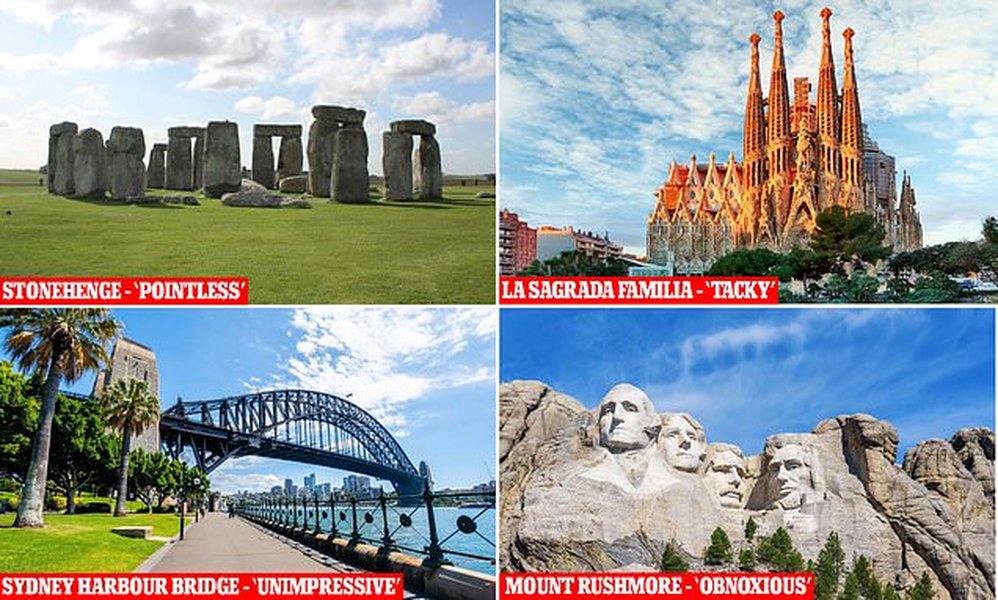
The Spanish Steps in Rome can be overcrowded, making it difficult to appreciate their architectural beauty. Manneken Pis in Brussels, a small bronze fountain statue, is often found to be underwhelming by visitors who expect something more substantial. Stonehenge in the UK, while historically significant, is viewed from a distance, and some travelers find this experience less impactful than anticipated.
Even natural wonders like the Blue Lagoon in Iceland, while visually stunning, can feel overcrowded and commercialized, losing some of their natural allure. The Taj Mahal in India, despite its undeniable beauty, is another site where the crowds and the sometimes aggressive touts can detract from the spiritual and architectural significance.
Table of Frequently Cited Overrated Attractions
Here is a summary of some of the most commonly mentioned disappointing tourist attractions and the reasons cited by travelers:
| Attraction | Location | Common Reasons for Disappointment |
|---|---|---|
| Mona Lisa | Paris, France | Small size, large crowds, viewed from a distance. |
| Times Square | New York City, USA | Overcrowding, commercialization, sensory overload. |
| The Little Mermaid | Copenhagen, Denmark | Small size, often crowded. |
| Spanish Steps | Rome, Italy | Overcrowding. |
| Manneken Pis | Brussels, Belgium | Small size. |
| Stonehenge | Wiltshire, UK | Viewed from a distance, can feel underwhelming. |
| Blue Lagoon | Grindavík, Iceland | Overcrowding, commercialization, high cost. |
| Taj Mahal | Agra, India | Large crowds, aggressive touts. |
| Hollywood Walk of Fame | Los Angeles, USA | Can be dirty, less glamorous than expected. |
| Bourbon Street | New Orleans, USA | Can be overly raucous and unauthentic. |
The Impact of Overtourism and Commercialization
Why Popularity Can Lead to Disappointment
The phenomenon of overtourism plays a significant role in why some destinations are perceived as overrated. When a place becomes excessively popular, the sheer volume of visitors can strain local infrastructure, overwhelm attractions, and diminish the quality of the experience. This can lead to longer wait times, crowded spaces, inflated prices, and a less authentic interaction with the local culture.
Commercialization often goes hand-in-hand with overtourism. As destinations prioritize catering to mass tourism, they can lose their unique character. Local businesses may be replaced by international chains, and the focus shifts from cultural preservation to maximizing tourist spending. This can leave travelers feeling like they are in a generic tourist bubble rather than experiencing the true essence of a place.
Seeking Alternative and Authentic Experiences
For travelers looking to avoid the potential pitfalls of overcrowded and overhyped destinations, seeking out alternative or less-visited locations can be a rewarding strategy. Many countries and regions offer similar natural beauty, historical significance, and cultural richness without the overwhelming crowds and commercialization.
For example, instead of the most congested areas of Italy, exploring smaller towns and regions might offer a more authentic experience. Opting for less famous national parks or natural wonders can provide stunning scenery without the throngs of tourists. Researching off-the-beaten-path destinations or visiting popular places during the shoulder season can also significantly improve the travel experience.
Considering Traveler Expectations and Perspectives
The Subjectivity of "Overrated"
It is crucial to remember that the concept of an "overrated" destination is highly subjective. What one traveler considers disappointing, another might find perfectly enjoyable. Factors such as personal interests, travel style, the time of year of the visit, and individual expectations all play a significant role in shaping a traveler's perception.
Some travelers may prioritize seeing famous landmarks regardless of crowds, while others seek immersive cultural experiences away from tourist hubs. The level of tolerance for crowds, commercialization, and potential inconveniences also varies greatly among individuals.
Managing Expectations for Popular Destinations
For destinations that are consistently labeled as overrated, managing expectations is key. Recognizing that popular spots will likely be crowded and potentially more expensive can help travelers prepare mentally and avoid disappointment. Researching specific attractions, considering guided tours that offer skip-the-line access, and exploring these areas during off-peak hours can help mitigate some of the negative aspects of visiting highly popular places.
Ultimately, the decision of where to travel rests with the individual. By being informed about the potential downsides of highly hyped destinations and considering personal preferences, travelers can make more informed choices and increase the likelihood of a fulfilling travel experience, whether it's at a world-famous landmark or a hidden gem.
Frequently Asked Questions About Overrated Travel Destinations
Why are some famous places considered overrated?
Many famous places are considered overrated due to immense hype built by media and tourism promotion, leading to expectations that the reality cannot always match. Overtourism, with its associated crowds, long queues, and increased commercialization, also significantly contributes to disappointment.
Does "overrated" mean a place is not worth visiting at all?
Not necessarily. "Overrated" often implies that a destination or attraction may not be worth the level of hype or the cost and effort involved for some travelers, particularly compared to less crowded or more authentic alternatives. However, many "overrated" places still hold historical, cultural, or aesthetic value that some visitors will appreciate.
How can I avoid disappointing travel experiences?
To minimize the chance of a disappointing trip, research destinations thoroughly, read recent reviews from a variety of sources, manage your expectations, consider traveling during the shoulder season to avoid peak crowds, and be open to exploring less famous but equally rewarding alternatives.
Are there any popular destinations that live up to the hype?
Yes, many popular destinations are still considered incredible experiences by a large number of travelers. While some places may be labeled as overrated, others consistently deliver memorable and inspiring experiences despite their popularity. Personal preference and travel style play a big role in this.
Is overtourism a growing problem?
Yes, overtourism is a significant and growing concern in many popular travel destinations around the world. It can lead to negative impacts on the environment, local communities, and the quality of the tourist experience. Many destinations are now actively trying to manage tourist flows and promote more sustainable tourism practices.
References
Last updated May 4, 2025