
Unlocking MOTO Payment System Integrity: A Guided Exploratory Testing Journey
Mastering Mail Order/Telephone Order payments with AWS Connect through strategic exploratory testing.
Key Insights for Your Testing Strategy
- Comprehensive Coverage: Whittaker's testing tours provide a structured yet flexible framework to explore all facets of your MOTO payment system, from financial transactions to security vulnerabilities.
- Focus on Integration: Special attention must be paid to the seamless and secure integration between your local MOTO processing system and AWS Connect for card detail collection.
- Security First: Given the nature of MOTO payments (card-not-present), security checks, including PCI DSS compliance, data encryption, and fraud prevention, are paramount.
Embarking on MOTO Payment System Exploration
Mail Order/Telephone Order (MOTO) payments, while convenient for customers, present unique challenges for businesses, especially concerning security and data handling. When your system combines a local MOTO processing application with AWS Connect for collecting sensitive card details, a thorough testing strategy is crucial. Exploratory testing, guided by frameworks like James Whittaker's testing tours, allows for dynamic and in-depth investigation beyond pre-defined test cases.
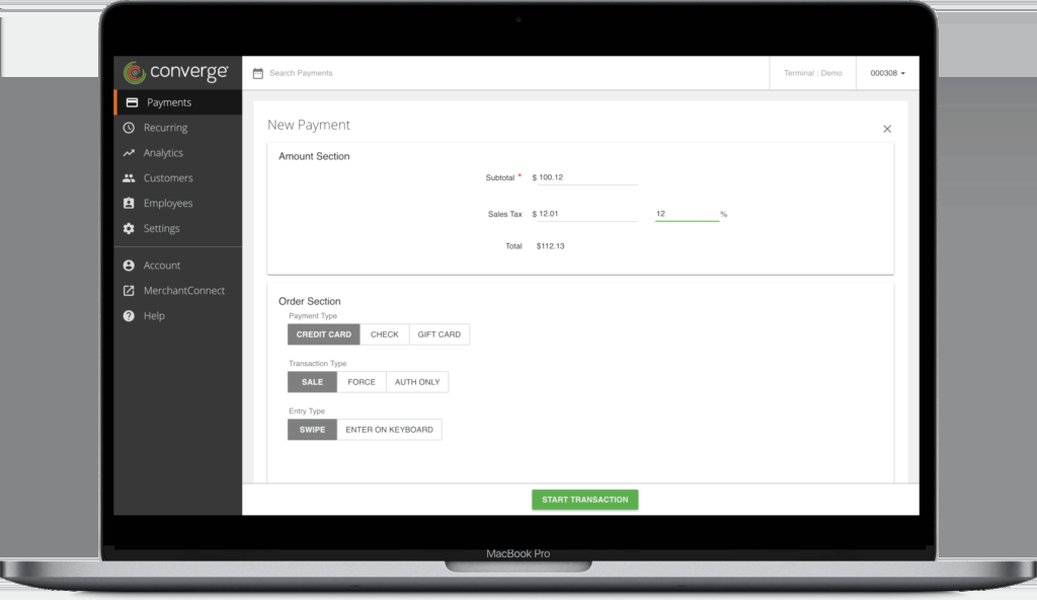
A typical virtual terminal interface used for processing MOTO payments.
What are MOTO Payments?
MOTO payments are transactions where a customer provides their card details to a merchant over the phone or via mail. The merchant then manually enters this information into a payment system. This 'card-not-present' scenario inherently carries higher risks of fraud compared to card-present transactions, necessitating robust security measures and meticulous processing.
The Role of AWS Connect in Secure Card Collection
Integrating AWS Connect for the card collection part of the MOTO process can significantly enhance security. AWS Connect can be configured to handle sensitive data entry securely, for instance, by using features that help with PCI DSS compliance, such as DTMF (Dual-Tone Multi-Frequency) capture where agents don't hear or see the card numbers, or secure IVR flows. This segregation of duty—AWS Connect for secure collection, local system for processing—is a key area for testing.
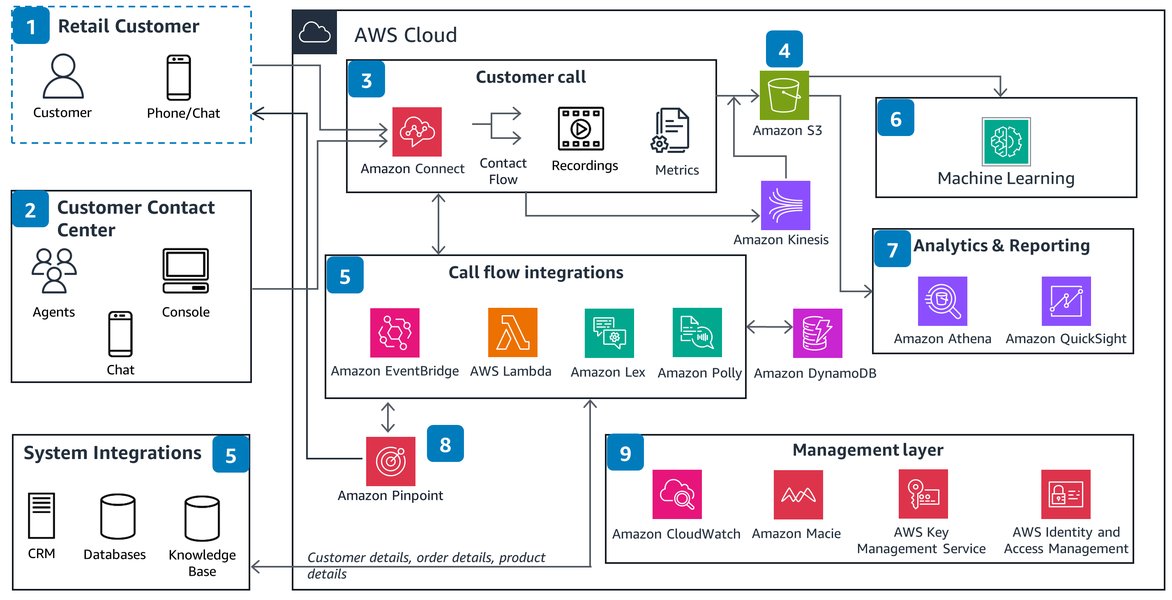
Architectural overview of a modern contact center solution on AWS, similar to how AWS Connect might be integrated.
Exploratory Testing & Whittaker's Tours: A Powerful Combination
Exploratory testing emphasizes tester freedom and creativity to discover defects. James Whittaker's testing tours provide a guiding structure to these explorations, ensuring various aspects of the application are covered. Each "tour" suggests a theme or a set of tactics for exploring the software, helping to uncover issues that scripted testing might miss. For a complex MOTO payment system, these tours offer an effective way to assess functionality, security, usability, and robustness.
Whittaker's Testing Tours Applied to Your MOTO Payment System
Below are specific "Verify that" checks, inspired by Whittaker's tours, tailored for your MOTO payment system that uses a local processing component and AWS Connect for card detail collection. These checks serve as starting points for your exploratory sessions.
Tour 1: The Money Tour - Ensuring Financial Integrity
This tour focuses on features that directly involve financial transactions, ensuring accuracy, and proper handling of funds. It's about following the money.
Core Transaction Processing
- Verify that the system correctly processes valid MOTO payment transactions using known good card details, from collection in AWS Connect to final processing in the local system.
- Verify that payment authorization responses (approved, declined, error) from the payment gateway are accurately received and clearly reflected in both AWS Connect (for the agent) and the local system UI.
- Verify that duplicate MOTO payment attempts for the same order are detected and handled appropriately, preventing accidental multiple charges.
- Verify that refunds (full and partial) for MOTO transactions can be processed correctly through the local system, and the status is updated accurately.
Financial Accuracy and Reporting
- Verify that transaction amounts, including any applicable taxes, discounts, or fees, are correctly calculated, displayed, and logged without rounding errors or currency mismatches.
- Verify that the system correctly handles different currency inputs if applicable, displaying the correct currency throughout the transaction lifecycle.
- Verify that transaction details recorded in the local system (e.g., transaction ID, amount, status) precisely match the details recorded by the payment gateway.
- Verify that the system provides clear and accurate financial reporting for MOTO transactions, suitable for reconciliation.
Tour 2: The Security & Compliance Safari - Fortifying Defenses
This tour is critical for MOTO payments, focusing on vulnerabilities, data protection measures, and adherence to standards like PCI DSS.
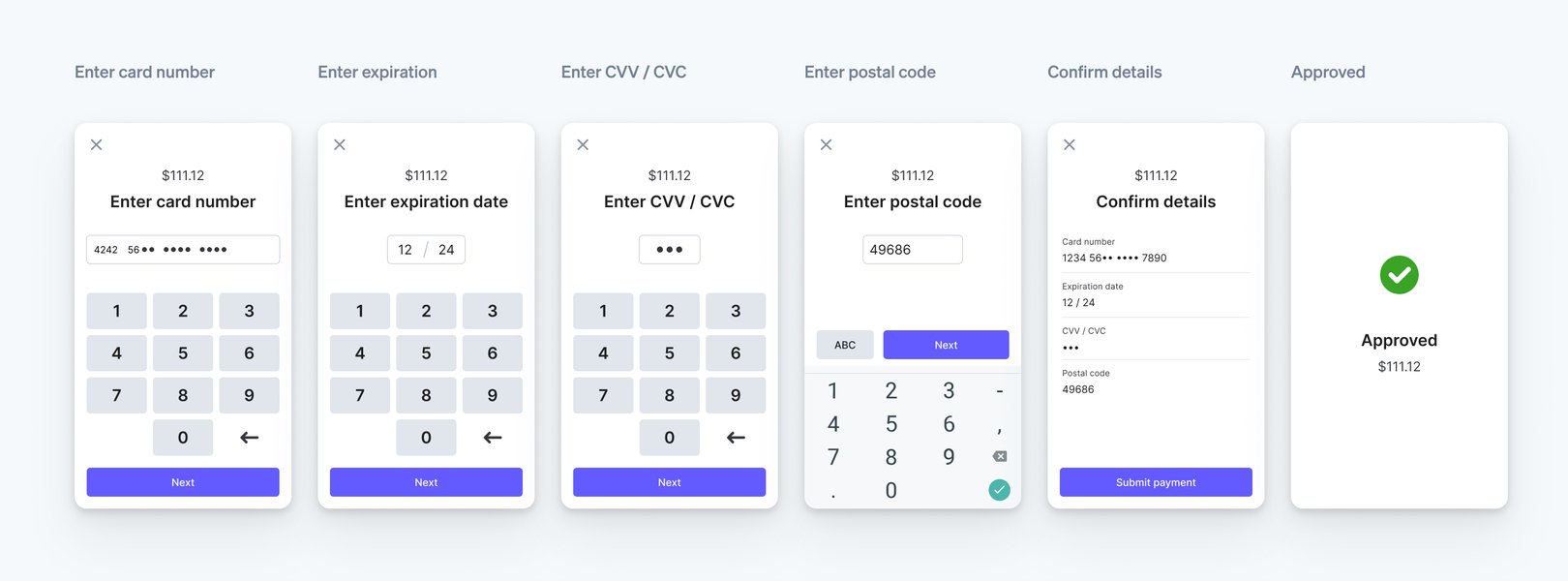
Visualizing the MOTO payment process, emphasizing security at each step.
Data Protection & Encryption
- Verify that sensitive cardholder data (PAN, expiry date, CVV) collected via AWS Connect is encrypted both in transit (e.g., to the local system) and at rest (if stored, though preferably tokenized).
- Verify that AWS Connect contact flows are configured to prevent call recording or agent screen recording during sensitive data input segments.
- Verify that sensitive cardholder data is not stored insecurely within AWS Connect logs, agent interfaces, or the local system logs.
- Verify that the transmission of card details from AWS Connect to the local system is over a secure, encrypted channel.
Access Control & Authentication
- Verify that the system implements appropriate role-based access controls, restricting which agents can process MOTO payments and view sensitive data within the local system and AWS Connect.
- Verify that multi-factor authentication (MFA) is enforced for agents accessing AWS Connect and the local MOTO payment processing system.
Compliance & Fraud Prevention
- Verify that the AWS Connect environment and the local system handling card data adhere to relevant PCI DSS requirements.
- Verify that the system correctly implements Address Verification System (AVS) and Card Verification Value (CVV) checks, and the results are accurately recorded and used according to policy.
- Verify that the system logs all MOTO transactions and agent activities comprehensively for auditing purposes, without logging sensitive authentication data.
- Verify that mechanisms are in place to detect and potentially flag suspicious or potentially fraudulent MOTO transactions (e.g., based on velocity checks, geographic anomalies).
Tour 3: The User Journey Expedition - Enhancing Agent & Customer Experience
This tour, combining aspects of Whittaker's Guidebook, Business District, and Anticipation tours, focuses on the agent's workflow, system usability, and clarity of information.
Agent Workflow & Guidance
- Verify that the AWS Connect interface clearly and logically prompts the agent for all necessary card details in the correct sequence.
- Verify that agents using AWS Connect are guided correctly through secure steps for collecting card details, including any PCI compliance scripts or instructions.
- Verify that the process for correcting errors during a MOTO transaction (e.g., incorrect card number entered in AWS Connect) is intuitive and efficient for the agent.
- Verify that the local system provides a clear confirmation to the agent once a MOTO payment has been processed successfully or failed, with actionable next steps.
User Interface & Feedback
- Verify that prompts in AWS Connect for entering card numbers or CVV codes are clear, mask sensitive input appropriately, and follow compliance guidelines.
- Verify that all error messages related to failed card entry in AWS Connect or payment processing issues in the local system are meaningful, user-friendly, and assist agents in recovery.
- Verify that the agent has easy access to relevant transaction details and statuses within the local system after processing.
Tour 4: The System Resilience Test - Probing Robustness & Error Handling
Inspired by the Garbage Collector and State Transition tours, this focuses on how the system handles errors, invalid data, and unexpected situations.
Input Validation & Error Management
- Verify that the system (both AWS Connect and local system) provides robust validation for all input fields (e.g., card number format, expiry date logic, CVV length).
- Verify that the system gracefully handles potential agent errors during data entry via AWS Connect, such as incorrect card numbers or expired dates, and provides clear feedback.
- Verify that error messages are displayed without exposing any sensitive information or raw system error codes.
- Verify that aborted or canceled MOTO payment attempts (e.g., customer hangs up) clear sensitive card data securely from session memory in AWS Connect and any temporary storage in the local system.
System Stability & Recovery
- Verify that retries after payment failures do not inadvertently duplicate transactions or lead to inconsistent data states.
- Verify that the integration between AWS Connect and the local system handles network interruptions or timeouts gracefully, maintaining data integrity.
- Verify that all payment states (e.g., pending, authorized, captured, declined, refunded) are correctly transitioned and logged in the local system.
Tour 5: The Data Integrity Deep Dive - Validating Information Flow
This tour, drawing from the FedEx and Supermodel tours, examines how data moves through the system and its structural integrity.
Data Transmission & Consistency
- Verify that there is clear traceability and linkage between customer interaction logs in AWS Connect (if applicable) and transaction logs in the local MOTO system.
- Verify that data collected via AWS Connect is accurately and completely transmitted to the local system without loss or corruption.
- Verify that confirmation notifications or receipts for MOTO payments are sent correctly to customers, reflecting accurate transaction details.
Data Storage & Lifecycle
- Verify that the transaction data captured for a MOTO payment in the local system includes all necessary details for reporting, reconciliation, and potential chargebacks.
- Verify that the relationship between a MOTO transaction and the associated customer or order is correctly maintained and linked in the local system.
- Verify that the system accurately tracks the status of a MOTO payment throughout its entire lifecycle.
Tour 6: The Comprehensive Exploration - Covering All Angles
Combining elements of the Napoleon, Intellectual, and Scavenger Hunt tours, this section focuses on diverse scenarios, complex logic, and ensuring all features are discoverable and functional.
Complex Scenarios & Edge Cases
- Verify that different card types (Visa, Mastercard, Amex, Discover, etc.) are accepted and processed correctly via the AWS Connect and local system flow.
- Verify that varying transaction amounts, including edge cases (e.g., $0.01, very large amounts up to system limits), are handled without failures.
- Verify system behavior with simultaneous MOTO transactions being processed or multiple AWS Connect agent sessions running in parallel.
- Verify that the system handles scenarios where telephone orders are interrupted (e.g., call drop) and potentially resumed, without compromising data security or integrity.
Feature Discovery & Interoperability
- Verify that all intended MOTO payment options and related functionalities within the local system can be easily found and used by an agent.
- Verify that the integration points between the local MOTO system and AWS Connect are free of unexpected latency issues that could degrade user experience or data capture.
- Verify that any third-party secure payment entry tools used within AWS Connect (e.g., for PCI compliance) function correctly and integrate seamlessly with the overall flow.
Visualizing Test Focus: MOTO Payment System Analysis
A radar chart can help visualize the emphasis of different testing aspects for your MOTO payment system. The chart below illustrates hypothetical focus levels across key quality attributes for both the AWS Connect component and the local MOTO processing system. This can guide your exploratory testing efforts by highlighting areas needing more intensive investigation.
In this example, 'AWS Connect' has a higher emphasis on Security, Compliance, and Agent Usability, reflecting its role in secure data collection. The 'Local MOTO System' shows greater focus on core Functionality, Data Integrity for processing, and Performance. Your actual focus may vary based on risk assessment.
Mapping the MOTO Payment Testing Landscape
A mindmap can help visualize the interconnected components and testing considerations for your MOTO payment system. This diagram outlines the main system elements, the applied Whittaker's testing tours, and key areas of verification that tie them together.
(Local System + AWS Connect)"] id1["System Components"] id1a["Local MOTO Processing System"] id1b["AWS Connect (Card Collection)"] id1c["Payment Gateway Integration"] id2["Whittaker's Tours Applied"] id2a["Money Tour
(Financial Integrity)"] id2b["Security & Compliance Safari
(Data Protection, PCI)"] id2c["User Journey Expedition
(Agent Workflow, UX)"] id2d["System Resilience Test
(Error Handling, Stability)"] id2e["Data Integrity Deep Dive
(Data Flow, Consistency)"] id2f["Comprehensive Exploration
(Edge Cases, All Features)"] id3["Key Verification Areas"] id3a["Transaction Accuracy & Completeness"] id3b["Secure Card Data Handling (Encryption, Tokenization)"] id3c["PCI DSS Compliance Checks"] id3d["Agent Interface Usability (AWS Connect)"] id3e["Local System Processing Logic"] id3f["Error Messaging & Recovery Paths"] id3g["Integration Points Robustness
(AWS <> Local, Local <> Gateway)"] id3h["Audit Trails & Reporting"] id4["Critical Risks"] id4a["Data Breach (Card Data Exposure)"] id4b["Fraudulent Transactions"] id4c["Non-Compliance Penalties"] id4d["Transaction Processing Errors"] id4e["Poor Agent/User Experience"]
This mindmap helps to keep a holistic view of the testing scope, ensuring that interactions between different system parts and testing strategies are considered.
Understanding MOTO Payments Visually
To further grasp the fundamentals of MOTO payments, the following video provides a concise explanation. Understanding the core concept is vital before diving deep into testing specific implementations like yours involving AWS Connect.
This video explains the basics of MOTO payments, their importance, and how they function.
This overview of MOTO transactions highlights why secure collection methods (like those potentially offered by AWS Connect) and robust local processing systems are crucial. The video emphasizes speed, security, and trust as key elements, all of which should be validated during your exploratory testing.
Key Aspects of MOTO Payment Testing Tours
The following table summarizes some of James Whittaker's key testing tours, their primary focus, and specific examples of how they apply to testing a MOTO payment system integrated with AWS Connect. This provides a quick reference for planning your exploratory sessions.
| Tour Name | Primary Focus | Example MOTO + AWS Connect Application |
|---|---|---|
| Money Tour | Financial transactions, accuracy, revenue generation. | Verifying correct amount capture from AWS Connect, accurate processing in the local system, and proper reconciliation of funds. |
| Security Tour (or Dracula Tour) | Vulnerabilities, data protection, compliance (e.g., PCI DSS). | Ensuring card data encryption in AWS Connect, secure transmission to the local system, masking of sensitive data, and overall PCI DSS adherence. |
| Guidebook Tour / User Experience Tour | User workflows, ease of use, agent guidance, system feedback. | Testing the agent's experience using AWS Connect for card collection and the local system for MOTO payment processing, ensuring clear instructions and feedback. |
| Garbage Collector Tour | Error handling, input validation, system cleanup, boundary conditions. | Checking how the system handles invalid card data from AWS Connect (e.g., wrong CVV format, expired card) or incomplete entries in the local system, and ensuring clear error messages. |
| FedEx Tour / Data Flow Tour | Data movement, dependencies, integrations, data consistency across components. | Tracing card data flow from the point of collection in AWS Connect, through the local processing system, to the payment gateway, and back with response data. |
| Napoleon Tour / Intellectual Tour | Complex scenarios, permutations, combinations, challenging system limits. | Testing with various card types, different transaction amounts (including edge values), concurrent transactions via AWS Connect, and simulating interruptions. |
| State Transition Tour | System states, transitions between states, ensuring valid sequences. | Verifying all possible payment states (e.g., initiated, authorized, declined, refunded, voided) are correctly managed and transitioned within the local system and reflected appropriately for the agent. |
Frequently Asked Questions (FAQ)
What are MOTO payments and why do they require specific testing focus?
MOTO (Mail Order/Telephone Order) payments are card-not-present transactions where customers provide card details remotely. They require specific testing focus due to higher inherent security risks (fraud, data breaches) and the manual data entry component, often involving agent interaction. Systems using AWS Connect for card collection add an integration layer that also needs thorough validation for security and data flow.
How can AWS Connect enhance security in MOTO payments?
AWS Connect can be configured to securely handle card data input, for example, by using DTMF capture so agents don't hear/see full card numbers, or by integrating with secure IVR flows. It can also enforce encryption and help in maintaining PCI DSS compliance for the data collection part, reducing the risk of sensitive data exposure within the contact center environment before it's passed to the local processing system.
What is the core idea behind James Whittaker's testing tours?
James Whittaker's testing tours are a metaphor for guiding exploratory testing. Instead of rigid scripts, testers embark on "tours" of the application, each with a specific theme or goal (e.g., focusing on money-related features, exploring all error messages, or behaving like a skeptical user). This provides structure to exploration, helping to ensure diverse areas of the software are examined systematically yet flexibly.
Why is exploratory testing particularly suitable for MOTO payment systems?
Exploratory testing is suitable because MOTO systems involve complex workflows, human interaction (agents), critical security concerns, and integration points (like with AWS Connect and payment gateways). These systems often have subtle edge cases or usability issues that pre-defined scripts might miss. Exploratory testing allows testers to adapt their approach based on real-time observations, making it effective for uncovering unexpected defects and security vulnerabilities.
What are the key risks in a MOTO payment system using AWS Connect for card collection?
Key risks include:
- Data Breaches: Compromise of sensitive cardholder data during collection in AWS Connect, transmission to the local system, or storage.
- PCI DSS Non-Compliance: Failure to meet Payment Card Industry Data Security Standard requirements, leading to penalties.
- Integration Failures: Issues in data transfer or communication between AWS Connect, the local MOTO system, and the payment gateway.
- Transaction Errors: Incorrect processing of payments, refunds, or voids leading to financial loss or customer dissatisfaction.
- Insider Threats: Malicious or negligent actions by agents with access to sensitive data.
- Fraudulent Transactions: Susceptibility to unauthorized use of card details.
Recommended Further Exploration
- How can I implement PCI DSS controls effectively in an AWS Connect environment specifically for MOTO payments?
- What are advanced techniques for testing error handling and recovery in integrated payment systems involving local MOTO processing and AWS Connect?
- Are there ways to automate parts of security testing for MOTO payment workflows that involve cloud services like AWS Connect?
- What are the best practices for agent training and ongoing monitoring when using AWS Connect for MOTO card detail collection to minimize risks?
References
 docs.aws.amazon.com
docs.aws.amazon.com
docs.aws.amazon.com
 docs.aws.amazon.com
docs.aws.amazon.com
docs.aws.amazon.com
 docs.aws.amazon.com
docs.aws.amazon.com
docs.aws.amazon.com
Last updated May 8, 2025