
Comprehensive Guide to Mastering Motorcycle Track Riding Techniques
Essential Prompts for Achieving Peak Performance on the Track
Key Takeaways
- Body Positioning: Mastering optimal body placement enhances control, balance, and cornering efficiency.
- Throttle and Brake Management: Precise control of throttle and brakes is crucial for maintaining speed and stability.
- Mental Preparation: Developing focus and mental resilience allows for better decision-making and performance under pressure.
1. Fundamental Body Positioning Techniques
Optimizing Your Stance for Control and Balance
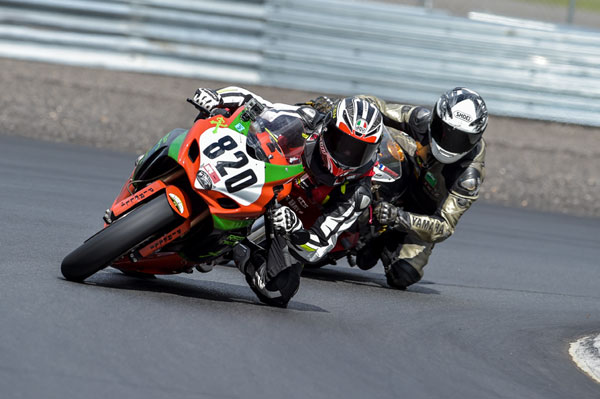
Achieving the fastest lap times begins with mastering your body positioning. Proper placement of your knees, elbows, and head can significantly reduce aerodynamic drag, improve balance, and enhance your ability to maneuver through corners. When entering a corner, shift your body weight to the inside, keeping your lower body low and your upper body aligned with the bike's frame. This position not only lowers your center of gravity but also allows for more precise steering inputs.
2. Mastering Throttle Control and Braking
Maintaining Speed and Stability Through Precision Inputs
Throttle and brake management are pivotal for maintaining optimal speed and ensuring bike stability. Techniques such as trail braking, where you gradually release the brake while entering a turn, help in maintaining traction and balance. Smooth throttle application, especially during corner exits, prevents sudden power surges that could destabilize the bike. Learning to modulate power delivery based on different track sections ensures that you can adapt to varying demands without compromising control.
3. Effective Cornering Strategies
Navigating Turns with Precision and Momentum
Cornering efficiently is essential for maintaining high speeds through bends. Focus on apex selection—the point where the bike is closest to the inside of the turn—and lean angles that maximize traction without exceeding the tires' grip limits. Maintaining momentum through a turn involves a delicate balance between braking, leaning, and throttle control. Practicing different cornering scenarios helps in developing the muscle memory required for quick and precise maneuvers.
4. Developing a Consistent Racing Line
Optimizing Your Path for Maximum Efficiency
Finding and adhering to the optimal racing line is crucial for minimizing lap times. The racing line typically involves entering a corner wide, hitting the apex, and exiting wide. This path reduces the distance traveled and maintains higher speeds through the corner. Consistency in following this line allows for better anticipation of track conditions and smoother transitions between different track segments.
5. Transitioning from Street to Track Riding Techniques
Adapting Your Skills for High-Speed Environments
Track riding requires a different mindset and set of skills compared to street riding. Key adjustments include adopting a more aggressive body position, focusing on precision and consistency, and understanding the importance of bike setup tailored for track conditions. Street riding often involves variable speeds and unpredictable obstacles, whereas track riding emphasizes controlled acceleration, braking, and cornering to achieve maximum performance.
6. Enhancing Focus and Mental Preparation
Building Mental Resilience for High-Speed Decision Making
Staying mentally sharp is as important as physical skill on the track. Techniques such as visualization, where you mentally rehearse each lap, and mindfulness practices can help maintain focus and reduce anxiety. Developing the ability to remain calm under pressure allows for better decision-making and quicker reactions during high-speed sessions. Mental preparation also involves setting clear goals and maintaining a positive attitude towards continuous improvement.
7. Avoiding Common Beginner Mistakes
Identifying and Correcting Early Pitfalls
Beginners often make mistakes such as over-braking, improper gear selection, and poor line choices. Over-braking can lead to unnecessary time loss and destabilization, while incorrect gear shifts can disrupt momentum. Poor line choices, like not adhering to the optimal racing line, result in longer lap times. Learning to recognize and correct these errors through practice and feedback is essential for rapid improvement.
8. Optimizing Motorcycle Setup for Track Performance
Tailoring Your Bike for Enhanced Handling and Speed
A well-tuned motorcycle is fundamental for track success. Adjustments to suspension settings, such as damping and preload, can significantly affect handling characteristics. Tire pressure plays a critical role in grip levels, while brake setup ensures effective stopping power. Fine-tuning these elements based on track conditions and personal riding style can lead to substantial performance gains.
9. Practicing and Refining Skills Off the Track
Utilizing Drills and Simulations for Continuous Improvement
Improving track skills doesn't solely depend on time spent on the circuit. Engaging in specific drills, such as slalom courses or agility exercises, can enhance bike control and reaction times. Utilizing simulators allows riders to practice on virtual tracks, providing a risk-free environment to hone techniques. Additionally, studying video footage of your rides can help identify areas for improvement and reinforce effective riding habits.
10. Analyzing Performance for Continuous Improvement
Leveraging Data and Feedback to Enhance Riding Techniques
Data analysis tools, such as telemetry and lap time recordings, offer invaluable insights into your performance. By reviewing metrics like speed, braking points, and cornering angles, riders can pinpoint weaknesses and track progress over time. Video analysis provides a visual representation of riding techniques, allowing for more precise adjustments. Seeking feedback from instructors or experienced riders can also accelerate the improvement process.
Conclusion
Mastering motorcycle track riding requires a multifaceted approach encompassing physical techniques, mental preparation, and continuous learning. By focusing on body positioning, throttle and brake management, effective cornering, and maintaining a consistent racing line, riders can significantly improve their lap times. Additionally, optimizing bike setup, practicing off the track, and analyzing performance data are essential strategies for sustained progress. Avoiding common beginner mistakes and building mental resilience further contribute to becoming a proficient and fast track rider. Embracing these comprehensive techniques will pave the way for achieving peak performance on the motorcycle track.
References
Last updated January 27, 2025