
Analysis of the Madhya Pradesh Global Investor Summit 2025
An in-depth review of logistical challenges and operational setbacks
Key Highlights
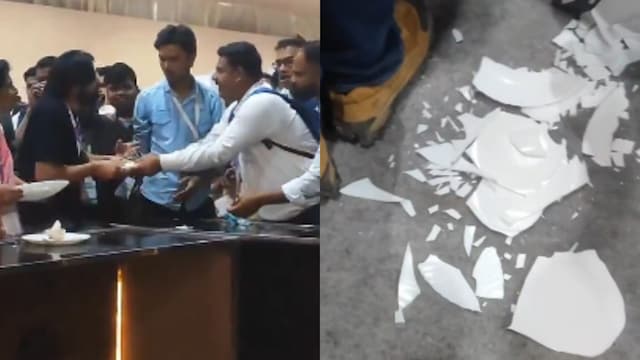
- Disorganized Meal Breaks: The chaotic situation during the meal breaks, including a widely publicized food fight, underscored planning and management lapses.
- Logistical Failures: The event experienced significant issues with seating arrangements and food supply, causing delays and frustration among the thousands of attendees.
- Contrast with Investment Success: Despite technological and logistical glitches, the summit nonetheless secured unprecedented investment commitments, highlighting an irony between success in fundraising and operational mishaps.
Overview of the Summit
The Madhya Pradesh Global Investor Summit 2025 was heralded as one of the most ambitious economic events in recent history, drawing an international audience and promising a record-breaking inflow of investments. Officials and promoters touted ₹30.77 lakh crore in investment commitments, a figure that translated into major stakes in sectors ranging from manufacturing and infrastructure to renewable energy and technology. With high-profile attendance from global industrialists and the presence of key government figures, the summit was positioned as a landmark event to spotlight Madhya Pradesh as an emerging investment hub. However, amidst the flurry of positive outcomes, operational challenges marred the overall experience.
Investment Success vs. Operational Hiccups
While the headline recognizes the summit for its sweeping investment achievements, a closer examination reveals that a few serious logistical shortcomings ill-served the potential of this grand event. A particularly notable instance was the disorganized meal break, often referred to in the media as a “food fight”. This incident involved considerable confusion among over 10,000 attendees who struggled to navigate seating arrangements and timely food service. This chaos was not just an inconvenience; it quickly became a symbolic representation of the underlying gaps in event management and planning.
Detailed Analysis of What Went Wrong
Disorganized Meal Breaks and Food Fight Incident
One of the most widely reported issues at the summit was the series of mishaps that occurred during the scheduled meal breaks. Reported incidents included prolonged wait times, lack of adequate seating, and even physically chaotic skirmishes among attendees over the limited supply of food. A viral video captured one of these instances, showing participants scrambling for food and seats. The ensuing social media backlash and media scrutiny highlighted how a single element of the summit—mealtime logistics—ironically undermined the full potential of a well-founded investment drive.
The "food fight" became emblematic of broader deficiencies in event execution. Observers noted that while the summit's organizers excelled at securing massive financial commitments and generating global interest, they simultaneously fell short in providing a well-structured and comfortable experience for attendees. These shortcomings led to widespread criticism from both the public and commentators, who argued that an event designed to promote international investment must also display high standards of hospitality and precision in logistical operations.
Logistical and Planning Shortcomings
Beyond the meal break issues, the summit was also plagued by various logistical and planning failures:
Inadequate Seating Arrangements
One of the primary areas of concern was the inadequate seating arrangements during high-traffic times, such as during meals and intermissions. With over 10,000 attendees expected, planning for sufficient seating was critical. However, fixed seating and a lack of contingency measures for overflow end up contributing to an uncomfortable and disorganized environment. Attendees found themselves competing for space, which not only led to frustration but also made it difficult for them to focus on the summit's core agenda.
Food Supply Chain Disruptions
The disorganized meal breaks were symptomatic of a broader issue involving the food supply chain arranged for the summit. Reports indicate that the delivery and preparation of meals were not synchronized with the event’s schedule, leading to delays and insufficient food availability at peak times. The disruption in the food supply is a clear indication of insufficient planning for large-scale logistics, and it was further exacerbated by the arrival of an unexpectedly large crowd, which undermined the organizers’ projected numbers.
Communication Breakdown
Effective communication is essential for the smooth transition of events in large conferences. In this case, miscommunication between event coordinators, caterers, and venue staff resulted in confusion over serving times and locations. This communication breakdown not only hampered the timely distribution of resources but also led to a disjointed attendee experience. There were reports that even instructions provided by staff were contradictory or inadequately conveyed, compounding the overall difficulty in managing the mass gathering.
Impact on the Summit’s Reputation
The logistical shortcomings, especially during the meal breaks, significantly affected the public perception of the summit. While the commitment of ₹30.77 lakh crore in investments and the attendance of top industrialists are marks of success, the failure in basic event management provided an easy target for critics. This contrast between high-level economic achievements and low-level operational failures sparked debates on the competence of the event organizers and raised questions about the feasibility of effectively managing such a vast and high-profile gathering.
The symbolic impact was twofold: Firstly, it detracted from the overall narrative of the summit by shifting attention from the economic opportunities to the mismanaged logistic details. Secondly, it highlighted a potential disconnect between the strategic objectives of the summit and the on-ground realities of event management. Thus, while the economic outcomes might have been impressive, the operational missteps posed a challenge to the broader goal of promoting Madhya Pradesh as a reliable and efficient destination for global investors.
Broader Implications and Learnings
The incident at the Madhya Pradesh Global Investor Summit 2025 serves as a case study in the importance of comprehensive planning and robust logistics for large-scale events, especially those with significant international and economic implications. The disconnect between the technological or strategic achievements and the basic operational logistics provides several key lessons:
The Importance of Holistic Event Management
In events of this magnitude, every aspect, from marquee addresses and strategic signings to seemingly mundane tasks like meal breaks, plays a crucial role in the overall success. The summit underscores that thorough planning cannot neglect the "small" details such as the timing and management of meal breaks. A holistic approach should integrate planning for logistical, communication, and supply chain elements into the central strategy rather than treating them as ancillary issues.
Prioritizing Operational Details
Operational details, despite their lesser glamour compared to investment commitments or high-profile visits, are an essential part of event execution. Effective management strategies should involve:
| Operational Aspect | Key Considerations | Potential Impact |
|---|---|---|
| Seating Arrangements | Capacity planning, flexible seating, and contingency plans | Prevents overcrowding, ensures comfort and smooth transitions |
| Food Supply Chain | Efficient scheduling, real-time tracking, and adequate supply | Ensures timely service and prevents shortages |
| Communication Protocols | Clear instructions, centralized coordination, and real-time updates | Reduces confusion, fosters a coordinated approach |
Addressing these areas effectively creates a smooth and pleasant experience for all stakeholders involved and reinforces the event's overall credibility.
Crisis Management and Public Relations
Another important takeaway is the need for robust crisis management protocols. In high-profile events, swift and efficient responses to emerging issues are crucial. The chaotic scenes during the meal breaks provided an opportunity for organizers to implement effective crisis management strategies by addressing the problems transparently, which could have helped contain negative media coverage. In the case of the summit, while there was significant coverage of the logistic failures, timely interventions and a clear communication strategy might have mitigated the blow to the event’s reputation.
Integrating Feedback Mechanisms
Feedback mechanisms allow event organizers to quickly gauge on-ground challenges and respond immediately. In a situation where thousands of attendees are involved, having dedicated teams to monitor real-time issues can lead to swift resolutions. For future events of similar scale, deploying mobile-based alert systems or on-the-spot management teams would be beneficial in reducing the likelihood of such hitches.
Recommendations for Future Events
Considering the experiences from the summit, several key recommendations emerge for future high-profile investment events:
Enhanced Planning and Simulation Drills
Before any large-scale event, extensive planning that includes simulated run-throughs of the event can help identify potential pitfalls. Simulation drills for peak times, such as meal breaks, can allow organizers and service providers to test seating arrangements, food delivery schedules, and communication protocols. This proactive approach ensures that any issues can be identified and remedied in advance.
Robust Vendor Coordination
Ensuring that all vendors—from catering services to seating and facility management providers—coordinate efficiently is crucial. Clear agreements and contingency plans with these vendors can safeguard against last-minute mishaps. Regular check-ins and a unified command structure during the event will help maintain order and accountability.
Technological Integration in Logistics
Leveraging technology for managing large-scale events can significantly enhance operational efficiency. For instance, using software to manage seating allocations in real-time, digital communication tools to relay information promptly to both staff and attendees, and supply chain management systems to track food distribution can transform potential chaos into structured efficiency. Integrating such technologies not only improves real-time monitoring but also provides valuable data for post-event analyses.
Multifaceted Learning from the Incident
The Madhya Pradesh Global Investor Summit 2025, despite its outstanding investment milestones, underscores the profound importance of managing the finer details that often make or break the overall experience. The incident serves as a learning opportunity not only for the organizers of similar summits but also for any entity planning large-scale, high-profile events. It illustrates that while attracting global investments is essential, delivering a flawless attendee experience through impeccable logistical and operational planning is equally vital. A missed opportunity in the management of small details such as meal breaks can tarnish a highly successful event and undermine the confidence of investors and stakeholders in a region's administrative capabilities.
More broadly, the summit reinforces that operational expertise and crisis management capabilities are non-negotiable components of event organization. Establishing detailed protocols and ensuring rigorous training for all involved parties can prevent a recurrence of similar failures.
Conclusion and Final Thoughts
In summary, while the Madhya Pradesh Global Investor Summit 2025 achieved remarkable success in terms of securing massive investment commitments and elevating the state's profile as a premier investment destination, its operational flaws cannot be overlooked. The disorganized meal breaks and chaotic food incidents highlighted critical deficiencies in planning, vendor coordination, seating arrangements, and overall logistical management. These operational flaws, though singular in nature, had far-reaching consequences on the event’s reputation and offered a stark reminder of the importance of attention to every detail in high-profile events.
The lessons learned from this summit are invaluable. First, a holistic approach that integrates operational management with strategic objectives is crucial. Second, clear communication, robust vendor coordination, and the use of advanced technologies can alleviate many of the logistical challenges that often hamper large-scale events. Lastly, effective crisis management protocols and real-time feedback mechanisms are vital in mitigating unexpected issues during the event.
Moving forward, event organizers can utilize these insights to refine their processes and ensure that future summits do not repeat the same mistakes. With meticulous planning, the integration of innovative logistical solutions, and an emphasis on a seamless attendee experience, it is possible to harmonize the dual objectives of securing global investments while also providing impeccable on-ground management.
References
- Food Fight Incident - Economic Times
- Major MoUs Signed - Economic Times
- Summit Overview - Tribune India
-
Investment Commitments - Hindustantimes
- Logistical Challenges - Business Standard
- Investment Details - NDTV
- Investment Overview - The Hindu
Recommended Queries for Further Exploration
Last updated February 28, 2025