
Beyond the Bakery Display: Unmasking the True Identities of Muffins and Scones
Delve into the delightful details that distinguish these beloved baked treats, from crumb to crown.
Highlights: Key Distinctions at a Glance
- Texture Triumph: Muffins boast a moist, cake-like crumb, whereas scones offer a denser, crumblier, and often flakier experience, akin to a biscuit or shortbread.
- Fat Facts: The type and incorporation of fat are crucial. Muffins typically use liquid fats like oil or melted butter, contributing to their softness. Scones rely on cold, solid butter cut into the flour, creating layers and flakiness.
- Sweetness Spectrum: While both can be sweet, muffins are generally sweeter and often feature indulgent additions like chocolate chips or fruit. Scones range from mildly sweet to distinctly savory, perfect with accompaniments like jam and cream or cheese and herbs.
Unveiling the Core Distinctions
At first glance, muffins and scones might seem like close cousins in the world of baked goods, often gracing breakfast tables and afternoon tea spreads. However, beneath their often golden-brown exteriors lie fundamental differences in ingredients, preparation methods, texture, flavor, and even their traditional shapes. Understanding these nuances can elevate your appreciation for each unique treat.
A Tale of Two Textures: The Defining Characteristic
Perhaps the most significant differentiator is texture. This textural contrast is a direct result of their distinct ingredient lists and mixing techniques.
Muffins: The Soft Embrace
Muffins are celebrated for their soft, moist, and tender crumb, closely resembling a small cake. They should feel light for their size and possess an airy quality. The ideal American-style muffin often has a slightly bumpy, domed top, a hallmark of its quick bread nature. This texture is achieved through a relatively wet batter, where liquid ingredients like milk and oil (or melted butter) are abundant.
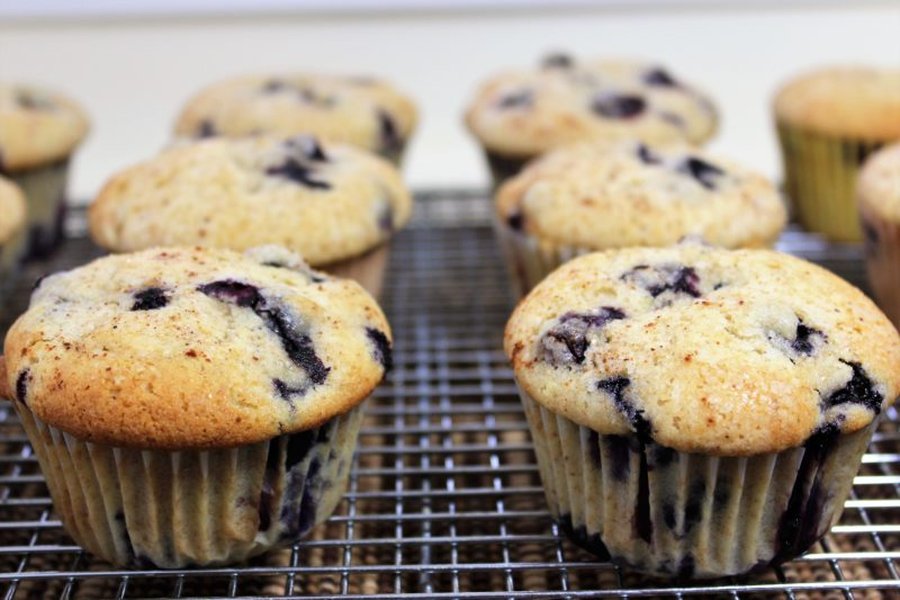
A close-up view of blueberry muffins, highlighting their characteristic soft crumb and appealing domed tops.
Scones: The Sturdy Delight
Scones, in contrast, are notably denser and possess a crumbly, often flaky texture. They are more akin to a biscuit or a shortbread than a cake. A well-made scone will have a slightly crisp exterior giving way to a softer, but still substantial, interior. This structure is primarily due to the use of cold, solid fat (typically butter) which is "cut in" to the dry ingredients, creating small pockets of fat that melt during baking, producing steam and leading to a flaky, layered crumb.
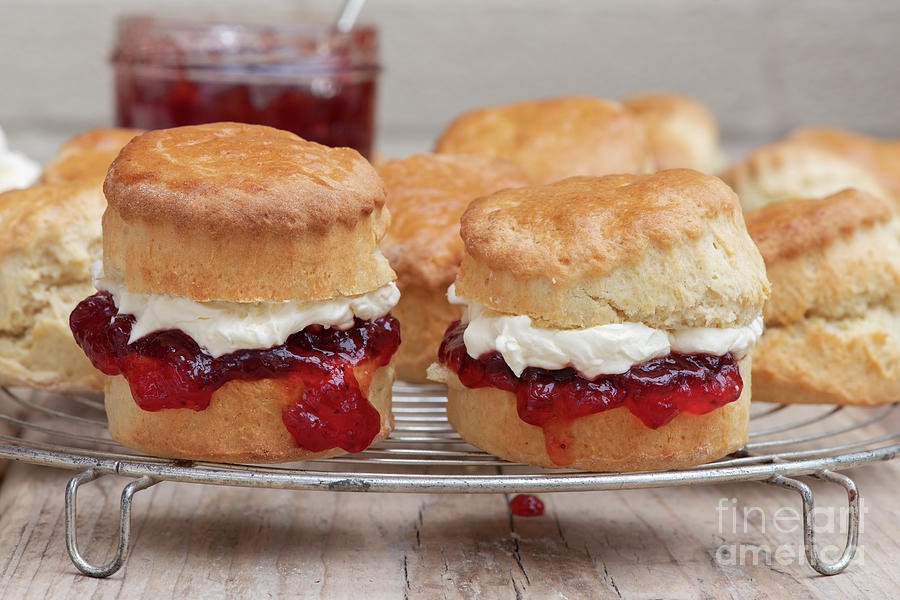
Classic scones served with strawberry jam and clotted cream, showcasing their characteristic crumbly texture.
The Baker's Toolkit: Ingredients and Preparation Techniques
The distinct textures of muffins and scones are born from specific ingredient choices and mixing methodologies.
Ingredient Spotlight
Fats and Liquids
Muffins commonly incorporate liquid fats such as vegetable oil or melted butter. These fats coat the flour particles, inhibiting gluten development and contributing to a tender, moist crumb. They also tend to have a higher ratio of liquid (like milk or buttermilk) to flour.
Scones, conversely, demand cold, solid fat – usually butter, though shortening or lard can be used. This fat is cut into the flour until the mixture resembles coarse crumbs. The cold fat creates pockets that, upon baking, release steam, leading to the scone's characteristic flakiness and rise. Scones often include cream or eggs for richness, contributing to their denser structure.
Leavening Agents
Both muffins and scones are quick breads, meaning they use chemical leaveners rather than yeast. Muffins primarily rely on baking powder and/or baking soda for their rise. While scones also use baking powder, the lamination effect from the cold butter also contributes significantly to their lift and texture.
Mixing Methods: A Gentle Hand vs. Minimal Handling
Muffin Magic
Muffin batter is typically quite wet and pourable. The standard method involves mixing dry ingredients in one bowl and wet ingredients in another, then combining them with minimal stirring – just until the dry ingredients are moistened. Overmixing develops gluten, leading to tough muffins with tunnels.
Scone Strategy
Scone dough is much stiffer and drier than muffin batter. The key to a good scone is minimal handling. After cutting in the fat, liquid (often cold milk or buttermilk) is added sparingly, just enough to bring the dough together. The dough is then gently kneaded a few times, patted out, and cut into shapes. Overworking scone dough results in tough, rather than tender and flaky, scones.
Flavor Frontiers: Sweet, Savory, and Everything In Between
While both can incorporate various additions, their base flavor profiles and typical applications differ.
Muffins: A Canvas for Sweetness
Muffins are predominantly sweet baked goods. They are often flavored with fruits (like blueberries, bananas, or apples), nuts, spices (cinnamon, nutmeg), chocolate chips, or even have streusel toppings. While savory muffins (e.g., corn muffins, cheese and herb muffins) exist, the sweet varieties are far more common and iconic.
Scones: Versatility in Flavor
Scones offer greater versatility in their flavor profile. They can be mildly sweet, often featuring dried fruits like currants or cranberries, or a hint of citrus zest. However, savory scones are equally popular, incorporating ingredients like cheese (cheddar, Parmesan), herbs (chives, rosemary), or even sun-dried tomatoes. The inherent buttery flavor of a plain scone is also a key characteristic, often less pronounced in oil-based muffins.
Shaping Up: The Visual Identity
The way muffins and scones are shaped and baked further distinguishes them.
Muffins: Uniformity in Tins
Muffins are almost exclusively baked in muffin tins, which give them their characteristic individual, round shape with a flat bottom and a domed top. The volume of the batter typically doubles during baking, creating that appealing muffin crown.
Scones: Freeform Elegance
Scones are usually baked freeform on a flat baking sheet. The dough is typically patted out into a round and then cut into wedges (triangles), or individual rounds are cut using a biscuit cutter. This results in a more rustic appearance compared to the uniformity of muffins.
Comparative At-a-Glance: Muffins vs. Scones
This radar chart provides a visual comparison of muffins and scones across several key attributes. Note that these are general characteristics and can vary based on specific recipes. The scores are on a scale where a higher value indicates more of that attribute.
As the chart illustrates, muffins generally score higher on sweetness and moistness, while being less dense and flaky. Scones excel in density and flakiness, are typically less sweet, and their dough requires a bit more careful handling.
Visualizing the Differences: A Mindmap Overview
This mindmap offers a hierarchical view of the primary characteristics that distinguish muffins from scones, branching out from their core attributes.
Moist & Soft"] id1b["Fat: Oil / Melted Butter"] id1c["Mixture: Wet Batter
(Poured)"] id1d["Flavor: Generally Sweeter
(e.g., Blueberry, Choc Chip)"] id1e["Shape: Domed Top
(Baked in Tins)"] id1f["Leavening: Baking Powder/Soda"] id2["Scones"] id2a["Texture: Biscuit/Bread-like
Denser, Crumbly, Flaky"] id2b["Fat: Cold Butter
(Cut-in)"] id2c["Mixture: Stiff Dough
(Handled)"] id2d["Flavor: Mildly Sweet to Savory
(e.g., Currant, Cheese)"] id2e["Shape: Rounds/Triangles
(Baked on Sheet)"] id2f["Leavening: Baking Powder & Fat Lamination"]
The mindmap clearly delineates the separate paths these baked goods take in terms of their fundamental makeup and resulting characteristics.
Key Differences Summarized
For a quick comparison, this table outlines the main distinguishing features between muffins and scones:
| Feature | Muffins | Scones |
|---|---|---|
| Primary Texture | Soft, moist, tender, cake-like | Denser, crumbly, often flaky, biscuit-like or bread-like |
| Main Fat & Incorporation | Oil or melted butter, mixed in | Cold butter (or other solid fat), cut into dry ingredients |
| Mixture Type | Wet, pourable batter | Stiffer, drier dough, handled by hand |
| Sweetness Level | Generally sweeter, often with sweet additions | Mildly sweet to savory; can be plain |
| Typical Shape & Baking | Round with a domed top, baked in muffin tins | Rounds, triangles, or wedges, baked on a flat baking sheet |
| Handling of Batter/Dough | Minimal mixing once wet and dry ingredients are combined | Minimal handling/kneading to maintain tenderness and flakiness |
| Origin Indication | American-style muffins are a prominent variety | Scottish origin, widely popular in the UK and Commonwealth countries |
| Common Additions | Fruits (blueberries, banana), chocolate chips, nuts, spices | Dried fruits (currants, raisins), cheese, herbs, citrus zest |
A Deeper Dive: Scone Secrets
The following video offers insights into what makes a "real" scone, further highlighting its unique characteristics compared to items like muffins. It emphasizes texture and traditional preparation, which are key differentiators.
This video discusses the nuances of a well-made scone, implicitly contrasting it with other baked goods like muffins by focusing on its desired texture and preparation.
Origins and Nutritional Notes
A Glimpse into their Histories
Scones have a well-documented origin in Scotland, initially made with oats and griddle-baked. They are a staple in British and Commonwealth culinary traditions, often associated with afternoon tea. American-style muffins, while having relatives in other quick breads, evolved into the cake-like treats we know today, with regional variations like the blueberry muffin (the state muffin of Minnesota) being particularly iconic.
Nutritional Considerations
Nutritionally, muffins and scones can be quite similar in calorie count, often ranging from 400-550 calories per serving, depending on the specific recipe, size, and ingredients. Scones, particularly those made with generous amounts of butter and cream, can be richer. However, simpler scone recipes might be slightly lower in sugar and fat compared to very indulgent muffins laden with chocolate or streusel. As always, the specific recipe dictates the nutritional profile.
Frequently Asked Questions (FAQ)
Is a scone healthier than a muffin?
Not necessarily. While some scone recipes might use less sugar than very sweet muffins, scones often contain significant amounts of butter and cream, contributing to their fat and calorie content. Conversely, some muffins, especially those made with whole grains and fruit and less sugar, can be a relatively healthier option. It heavily depends on the specific ingredients and portion size of each. Generally, both are considered treats rather than staple health foods.
Can I use muffin batter to make scones, or vice versa?
No, muffin batter and scone dough are fundamentally different in consistency and ingredient ratios. Muffin batter is wet and pourable, designed for muffin tins, while scone dough is much stiffer and requires gentle handling and shaping. Attempting to use one for the other would result in a product with a very different (and likely undesirable) texture and structure.
What is the main reason scones are crumbly and muffins are soft?
The primary reason lies in the type of fat used and how it's incorporated. Scones use cold, solid fat (like butter) that is cut into the flour. This creates layers and pockets of fat that melt during baking, producing steam and leading to a flaky, crumbly texture. Minimal mixing also prevents excessive gluten development. Muffins, on the other hand, typically use liquid fat (oil or melted butter) and have a higher liquid-to-flour ratio, which coats the flour particles more thoroughly and results in a softer, more cake-like and moist crumb.
Are English muffins related to American muffins or scones?
English muffins are quite different from both American-style muffins and scones. English muffins are yeast-leavened (unlike the chemically leavened muffins and scones) and are typically cooked on a griddle. They have a chewier texture with characteristic nooks and crannies, and are usually split and toasted before serving, often for breakfast sandwiches or with butter and jam. They are a distinct category of bread product.
Recommended Queries
- What are the best techniques for making flaky scones?
- How do ingredients affect the texture of muffins?
- Explore savory scone recipes and variations.
- What is the history of afternoon tea and the role of scones?
References
Last updated May 6, 2025