
Discovering Mulan's Powerful Words
An in-depth look at the iconic lines of Mulan in the 2020 live-action film
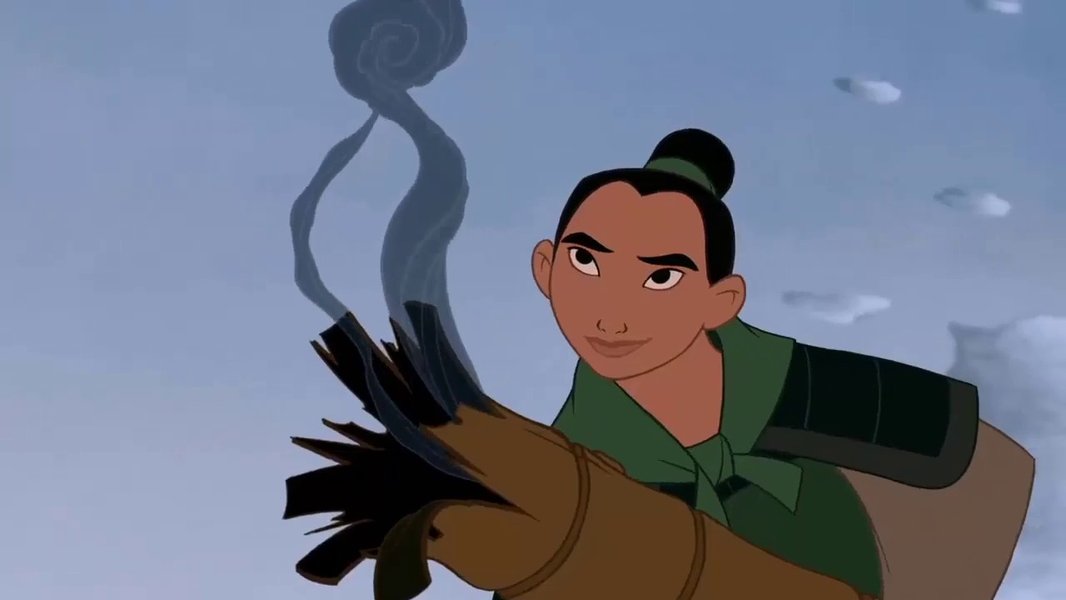
Key Highlights
- Mulan's Defining Moment: A line that introduces her story and sets the stage for her transformation.
- Declaration of Identity: Repeated lines that emphasize her self-realization and determination to break traditional roles.
- Commitment to Honor: Several quotes underline her dedication to bringing honor to her family and herself.
Overview and Analysis of Mulan's Lines
The 2020 live-action adaptation of Mulan provided audiences with a fresh perspective on an enduring legend. Instead of relying on musical numbers or fantastical sequences, the film delves deeper into the emotional and psychological transformation of its protagonist. Mulan’s dialogue plays a central role in this portrayal, unveiling her internal struggles, defiance against societal norms, and her reaffirmation of identity.
Across different sources, several lines have become emblematic of this transformation. In synthesizing the most significant and frequently referenced lines, we can identify unique statements that capture the essence of Mulan's journey, as well as her evolving self-awareness and commitment to honor.
Structured Listing of Mulan's Lines
Essential Lines Spoken by Mulan
The key quotes attributed to Mulan in the film emphasize her emergence as a warrior who rejects traditional roles assigned by society. Below is a consolidated list of her spoken lines as found in the adaptation:
- "(Narrating) There have been many tales of the great warrior, Mulan. But, ancestors, this is my story." – This introductory declaration, present at a pivotal moment in the film, frames the narrative as her personal journey rather than a mere recounting of legend.
- "Ancestors, hear my plea, please don’t let me make a fool of me." – A moment of vulnerability where Mulan invokes the guidance of her forebears before embarking on what seems an impossible task.
- "I will bring honor to us all." – This line resonates repeatedly, underscoring her commitment not only to herself but to her family, community, and the larger cultural expectations surrounding honor.
- "I just want to fight for my father." – A defining moment where Mulan's motivation is revealed: her desire to protect her family and uphold their legacy.
- "You don't know me." – In an assertion of individuality, this statement challenges the stereotypes and assumptions that others place upon her.
- "I have to take my father's place." – Highlighting her sense of duty, this line shows her readiness to assume roles considered inappropriate for her gender in a traditional society.
- "I am Hua Mulan." – A powerful self-identification that communicates her acceptance of her true self.
- "I will never give up." – Reflecting the unyielding determination that defines her character throughout the film.
- "I challenge you." – A more confrontational line that reflects her readiness to stand up to those who doubted her or tried to impose restrictions upon her.
In addition to these lines, some sources emphasize a recurring phrase:
- "I am not a princess. I am a soldier." – This line is repeated multiple times in the film to reinforce her rejection of preconceived gender roles. Although provided repeatedly in some transcripts, its essence remains a stark affirmation of her identity.
Collectively, these lines highlight Mulan’s metamorphosis: from a daughter prepared to conform to the traditional expectations of marriage to a fearless warrior forging her own path. They encapsulate her inner conflict, resolve, and ultimate emancipation as she embraces her true self on the battlefield.
Detailed Analysis
Breaking Down the Key Themes in Mulan's Speech
Self-Identity and Evolution
The transformation of Mulan’s self-awareness is articulated through her introspective narration – “There have been many tales of the great warrior, Mulan. But, ancestors, this is my story.” This opening line is not just a narrative tool; it challenges the canonical tales surrounding legendary figures by conveying that her journey transcends a simple recounting of historical events. Instead, it signifies a personal revolution where she redefines what it means to be honorable and courageous.
Deconstruction of Traditional Gender Roles
Mulan’s repeated assertion, “I am not a princess. I am a soldier,” is a radical declaration that confronts societal expectations head-on. This statement is particularly significant considering traditional Chinese cultural norms where loyalty, honor, and family obligations had clearly defined roles for women and men. By emphasizing her identity as a soldier, Mulan highlights her rejection of her predetermined role as a bride and symbolically reinforces the fight against stereotypes that limit potential based on gender.
Honor and Duty
Another recurring theme is the importance of honor. The line “I will bring honor to us all” operates on multiple levels – it is both a promise and a burden. For Mulan, honor connects her to her ancestors, her family’s legacy, and the larger social structure that values integrity and courage. The commitment to honor is the fuel that drives her actions throughout the film.
Courage and Individuality
By stating “You don't know me,” Mulan makes a poignant remark about the visible assumptions of others. This line encapsulates her inner journey towards embracing a more authentic version of herself — one that is independent of external validation. In her defiance lies the central realization that she must dare to define herself on her own terms.
Visual Representations and Data Integration
Overview Table of Key Lines and Themes
Below is a table summarizing the key lines of Mulan along with the themes they represent:
| Line | Theme | Description |
|---|---|---|
| "(Narrating) There have been many tales of the great warrior, Mulan. But, ancestors, this is my story." | Self-Identity | Marks the personal beginning of her journey, setting the stage for self-definition. |
| "Ancestors, hear my plea, please don’t let me make a fool of me." | Vulnerability & Tradition | Her invocation of ancestral guidance and the anxiety of breaking social norms. |
| "I will bring honor to us all." | Honor & Duty | A pledge that underscores her commitment to her family and cultural values. |
| "I just want to fight for my father." | Family & Sacrifice | Motivates her decision to take up arms, filling the role of protector and avenger. |
| "You don't know me." | Individuality | A bold statement asserting her unique identity beyond societal labels. |
| "I have to take my father's place." | Duty & Bravery | Highlights the family core of her actions and the weight of responsibility. |
| "I am Hua Mulan." | Identity | A declaration of her true self and her place in the legacy of her family. |
| "I will never give up." | Determination | A resolute mantra that encapsulates her unwavering spirit in the face of adversity. |
| "I challenge you." | Defiance | A confrontational remark that marks her readiness to oppose those who doubt her. |
| "I am not a princess. I am a soldier." | Rejection of Stereotypes | Emphasizes her commitment to a warrior identity and rejection of traditional feminine roles. |
Interactive Diagrams and Visualizations
Mindmap of Themes in Mulan's Dialogue
The following diagram illustrates the interconnections between the core themes found in Mulan’s lines. The mindmap shows how self-identity, family honor, defiance, and personal evolution are interwoven throughout her dialogue.
Radar Chart: Mulan’s Thematic Emphasis
The radar chart below offers a visual depiction of the importance of different thematic elements in Mulan's dialogue. Each axis represents a distinct theme such as honor, identity, defiance, duty, and determination. The data presented is a synthesis based on the overall narrative analysis.
Embedded Multimedia Reference
For those looking to experience an analysis of the film and its dialogue, the video below provides an insightful review that discusses the broader context of Mulan's lines and her character evolution.
Frequently Asked Questions (FAQ)
What makes Mulan's dialogue in the live-action adaptation unique?
Mulan's dialogue in the 2020 adaptation is distinguished by its focus on personal honor and self-identity. Unlike previous versions that leaned heavily on musical expressions, this adaptation delivers a powerful narrative through introspection and determined declarations. Her lines fuse vulnerability with strength, highlighting both her personal struggles and her broader commitment to honor.
Why is "I am not a princess. I am a soldier." repeated so often?
The repetition of this line is a deliberate narrative device used to reinforce Mulan’s rejection of traditional gender roles. It underscores her internal transformation, emphasizing that her identity is firmly rooted in the values of courage and duty, rather than conforming to the expectations of a princess.
How do these lines contribute to the overall story?
Mulan's lines drive the narrative forward by marking key moments of internal conflict, determination, and transformation. They allow viewers to connect with her character on an emotional level, as they succinctly capture her journey from conformity to individuality and valor.
References
- Mulan (2020) Movie Script - Springfield!
- Mulan (2020 film) - Wikipedia
- Mulan Transcript - Fandom
- Mulan (2020) Script - Subslikescript
- Best Disney Mulan Quotes - CBR
Recommended for Further Exploration
Last updated March 29, 2025