
Understanding Integrated Graphics in Multi-Core CPUs
Exploring the Relationship Between CPU Cores and Integrated Graphics Capabilities
Key Takeaways
- Integration Depends on CPU Model: Not all multi-core CPUs include integrated graphics; it varies by manufacturer and specific CPU model.
- Brand-Specific Indicators: Intel utilizes suffixes like "F" or "KF" to denote CPUs without integrated graphics, while AMD uses "G" to indicate integrated GPU presence.
- Performance and Use Cases: Integrated GPUs are suitable for everyday tasks and light gaming, with performance improving in recent CPU generations.
Detailed Analysis
1. Introduction to Multi-Core CPUs and Integrated Graphics
Multi-core CPUs, processors with multiple processing units (cores) on a single chip, enhance performance by handling multiple tasks simultaneously. While the number of cores improves computational efficiency, it does not inherently determine the presence of an integrated graphics processing unit (iGPU). The inclusion of an iGPU depends on the CPU's design, target market, and intended use cases.
2. Integrated Graphics: Definition and Functionality
What is an Integrated GPU?
An integrated GPU is a graphics processing unit built into the CPU package. Unlike dedicated GPUs, which have their own memory and cooling systems, iGPUs share system memory and rely on the CPU's resources. They handle basic graphics tasks, such as rendering the user interface, video playback, and light gaming, making them suitable for everyday computing needs.
Advantages of Integrated Graphics
- Cost-Effective: Eliminates the need for a separate graphics card, reducing overall system costs.
- Power Efficiency: Consumes less power, making them ideal for laptops and compact desktops.
- Space-Saving: Integrated into the CPU, freeing up space within the computer chassis.
Limitations of Integrated Graphics
- Performance Constraints: Not suitable for high-end gaming or intensive graphical applications.
- Shared Resources: Utilizes system memory, which can impact overall system performance.
- Heat Generation: Integrated within the CPU, potentially increasing thermal output.
3. Brand-Specific Implementations
Intel's Approach
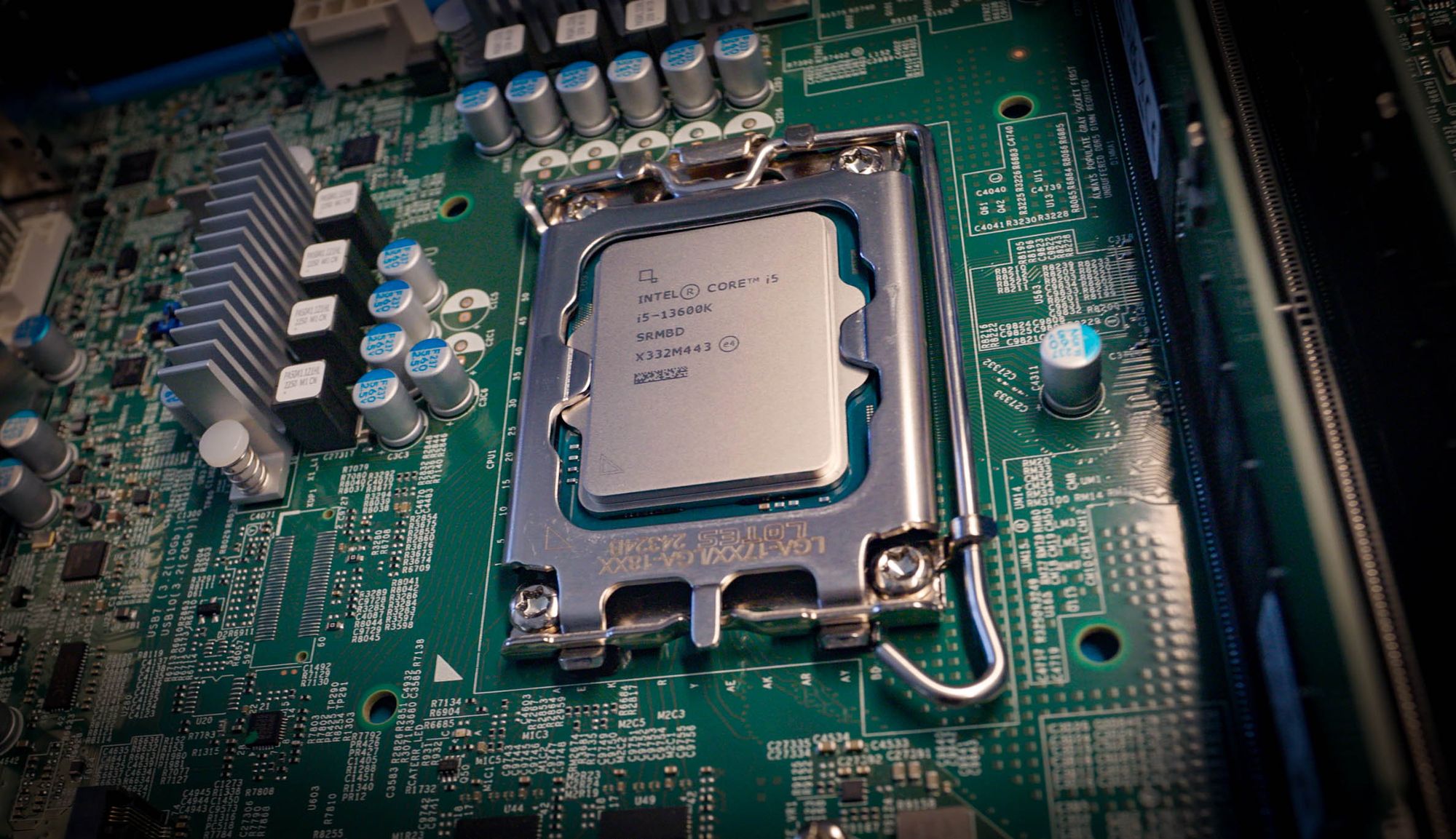
Intel offers integrated graphics across its mainstream CPU lineup, with specific exceptions. Most Intel Core processors (i3, i5, i7, i9) come equipped with Intel UHD Graphics or Iris Xe Graphics variants. However, CPUs with the suffixes "F" or "KF" explicitly indicate the absence of an integrated GPU. For example, the Intel Core i7-12700KF lacks integrated graphics, necessitating a dedicated GPU for any visual output.
AMD's Strategy
AMD differentiates its CPUs by the inclusion of the letter "G" in its model numbers to signify the presence of an integrated GPU. The AMD Ryzen series includes both standard CPUs and Accelerated Processing Units (APUs). APUs, such as the Ryzen 5 5600G, integrate Radeon Graphics, offering enhanced graphical performance suitable for light gaming and multimedia tasks. In contrast, standard Ryzen processors without the "G" suffix do not include an iGPU, requiring a separate graphics card for displays.
Comparative Overview
| Brand | CPU Series | Integrated Graphics Present | Suffix Indicators |
|---|---|---|---|
| Intel | Core i3, i5, i7, i9 | Yes (unless specified otherwise) | Suffix "F" or "KF" means no iGPU |
| AMD | Ryzen (Standard) | No | Standard Ryzen CPUs lack iGPU |
| AMD | Ryzen (APUs) | Yes | AMD uses "G" suffix to denote integrated graphics |
4. Performance and Use Cases of Integrated GPUs
Performance Capabilities
Integrated GPUs have seen significant advancements, offering respectable performance for non-intensive tasks. Modern iGPUs can handle high-definition video playback, support multiple displays, and manage casual gaming with moderate settings. For instance, AMD's Ryzen 7 8700G with Radeon Graphics provides adequate performance for light gaming and creative applications, bridging the gap between basic and dedicated graphics solutions.
Suitable Use Cases
- Everyday Computing: Tasks like web browsing, office applications, and media consumption are efficiently managed by integrated GPUs.
- Light Gaming: Casual games and older titles can run smoothly on integrated graphics with adjusted settings.
- Multimedia Applications: Video editing and graphic design at a basic to intermediate level are achievable.
Inappropriate Use Cases
-
High-End Gaming: Modern AAA titles require the power and memory bandwidth of dedicated GPUs.
-
Professional Graphics Work: Intensive tasks like 3D rendering, VR development, and high-resolution video editing benefit from dedicated graphics solutions.
-
Resource-Heavy Applications: Programs that demand substantial graphical processing may underperform on integrated GPUs.
5. Considerations for System Builders and Users
Determining the Need for an Integrated GPU
When selecting a CPU, users should assess their graphical needs. If the primary use involves standard computing tasks without the necessity for high-end graphics, a CPU with an integrated GPU offers cost and power-saving benefits. Conversely, for applications requiring superior graphical performance, opting for a CPU without an iGPU and investing in a dedicated GPU is advisable.
Budget and Power Consumption
Integrated GPUs contribute to lower overall system costs and reduced power consumption, making them ideal for budget-conscious builds and energy-efficient systems. This is particularly beneficial for laptops, compact desktops, and environments where heat dissipation and power usage are critical considerations.
Future-Proofing and Upgrade Paths
For users anticipating future upgrades, selecting a CPU without an integrated GPU allows for flexibility in choosing a dedicated graphics card later. This approach caters to evolving needs, such as transitioning from basic tasks to more graphics-intensive applications without replacing the CPU.
6. Recent Developments and Trends
Advancements in Integrated Graphics Technology
Integrated GPUs have significantly improved in recent years, closing the performance gap with entry-level dedicated GPUs. Innovations in GPU architecture and process technology have enabled higher performance, better energy efficiency, and enhanced support for modern graphical APIs and features.
Market Trends
The increasing demand for compact and energy-efficient computing solutions has driven CPU manufacturers to enhance integrated graphics capabilities. Additionally, the rise of tasks requiring moderate graphical performance, such as content creation and light gaming, has led to the development of more robust iGPUs.
Future Outlook
As technology progresses, integrated GPUs are expected to continue evolving, providing better performance and efficiency. This trend may further diminish the reliance on dedicated GPUs for a broader range of applications, especially in the mainstream consumer market.
Conclusion
The presence of an integrated graphics card in a multi-core CPU is not determined by the number of cores but by the specific design and intended use of the CPU model. Both Intel and AMD offer CPUs with and without integrated GPUs, catering to a wide range of user needs from everyday computing to high-performance applications. Understanding the distinctions between these CPU variants is crucial for system builders and users to make informed decisions based on their performance requirements, budget constraints, and future upgrade plans. As integrated graphics technology continues to advance, the capabilities and applications of iGPUs are likely to expand, offering even greater value and flexibility to consumers.
References
Last updated February 11, 2025