
Prosecution of Joint Integrated Multi-Domain Operations in the Indian Context
An in-depth exploration of India’s evolving multi-domain warfare strategy
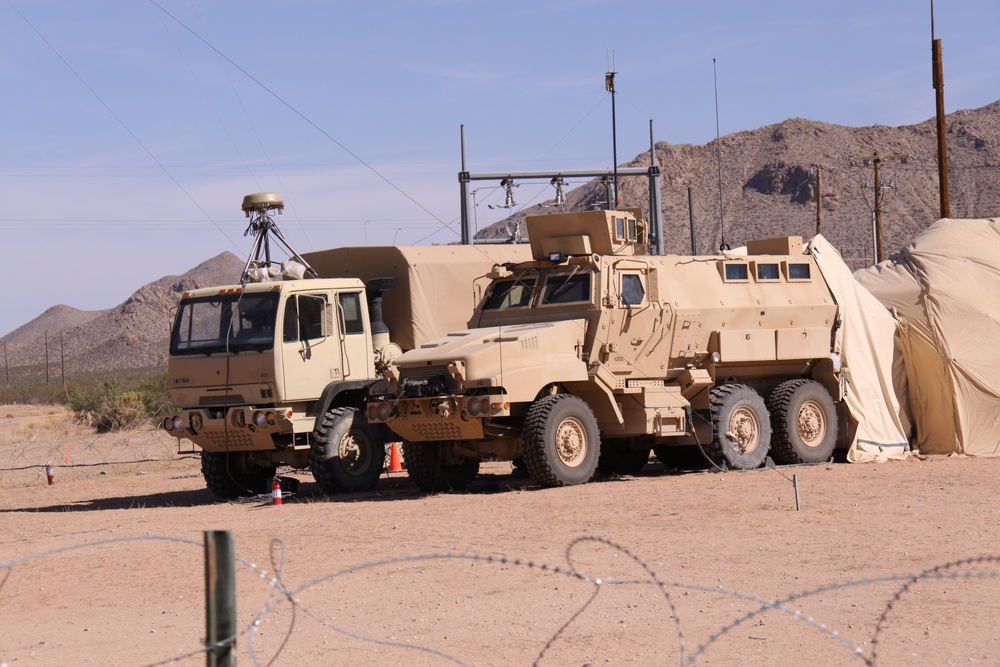
Key Insights
- Integration of Multiple Domains: India is synchronizing operations across land, sea, air, space, and cyberspace to create a unified military effort.
- Modernization and Interoperability: Initiatives such as establishing specialized commands, joint training exercises, and adoption of emerging technologies are driving force modernization.
- Strategic and Operational Challenges: Implementing multi-domain operations requires overcoming significant integration, communication, and doctrinal hurdles.
Overview of Multi-Domain Operations (MDO)
Multi-Domain Operations (MDO) represent a revolutionary concept in modern warfare, integrating traditional (land, air, and sea) and non-traditional (cyber and space) warfare domains to establish a unified, agile, and responsive combat capability. In the Indian context, MDO has emerged as a critical framework in response to complex security challenges, including border tensions and hybrid threats from regional adversaries.
India’s strategic environment demands rapid decision-making, effective interoperability, and the ability to coordinate across multiple domains simultaneously. With evolving technologies and dynamic threat landscapes, the prosecution of joint integrated MDO is no longer an option but an indispensable requirement for national security. The concept has gained rigorous attention over recent years due to its promise of enhanced deterrence, robust operational readiness, and the ability to contend in modern cyber and space domains.
Foundational Concepts and Framework for MDO
Integration Across Domains
At its core, the idea of MDO is to dissolve traditional silos that have long defined military operations. Historically, the Indian military has functioned within distinct domains, with each branch having its exclusive command structures, equipment, and operating philosophies. However, modern warfare necessitates that these domains work in concert:
- Land, Sea, and Air: Integration of ground, naval, and air forces ensures that coordinated maneuvers can accomplish objectives by exploiting the strengths of each branch.
- Cyber and Space: These domains represent new battlefields where information superiority and satellite communications can significantly amplify traditional combat effects.
Integration requires building interoperable communication networks and centralized command and control systems which foster seamless coordination. Exercises such as "Poorvi Prahar," "Trishakti Prahar," and "Vayu Prahar" have underscored this imperative, reinforcing integrated training and enhancing operational synergy among the forces.
Modernization Initiatives and Command Structures
In the modern era, technological evolution plays a crucial role in operational effectiveness. Recognizing this, India has embarked on modernizing its defense capabilities by:
- Establishing Specialized Commands: The creation of Integrated Theatre Commands, Cyber and Space Agencies, and an Armed Forces Special Operations Division epitomizes India’s strategic pivot towards a joint-operation mindset.
- Force Projection and Capability Development: Modernizing platforms and embracing emerging technologies such as artificial intelligence, big data analytics, and unmanned systems are central to enhancing multi-domain performance.
- Joint Doctrine Development: Efforts are underway to develop a comprehensive joint doctrine that encompasses principles and guidelines to operate seamlessly across domains, expected to be refined by mid-2025.
These initiatives collectively illustrate the drive toward creating an integrated force that is better equipped to counter rapid and asymmetrical threats within a multi-faceted security environment.
Key Challenges in Implementing Multi-Domain Operations
Interoperability and Communication
One of the primary challenges in enacting MDO is ensuring interoperability among disparate military systems and forces. The Indian military must bridge the gap between legacy systems and modern communication technologies. This challenge encompasses:
- Command and Control: Developing a robust command-and-control structure that can integrate data from various sensors and platforms in real time.
- Data Exchange Protocols: Establishing standardized protocols for data exchange ensures that actionable intelligence is accessible across all units.
- Training and Simulation: Consistent joint training exercises are essential to validate interoperability schemes and improve coordinated response strategies.
Overcoming Organizational Silos
Traditional rivalries and entrenched systems between the Army, Navy, and Air Force present significant barriers to integration. Breaking down these silos involves:
- Institutional Reform: Encouraging a shift in organizational culture which values jointness over service-specific glorification.
- Unified Training Programs: Joint exercises and cross-domain training initiatives help foster mutual trust and operational cohesiveness necessary for synchronized actions.
- Legal and Policy Adjustments: Revising protocols, command structures, and legal doctrines to support the integrated operations model.
Resource Allocation and Technological Gaps
Transitioning to an MDO-focused model requires a significant reallocation of resources, both financial and material. This involves:
- Budgetary Considerations: Aligning defense budgets to nurture emerging capabilities critical to all domains, especially advanced technologies in cyber and space.
- Technology Integration: Overcoming the challenges posed by the lack of interoperability among different technological systems and integrating cutting-edge technologies into existing frameworks.
Operational and Strategic Advantages of MDO
Enhanced Combat Effectiveness
MDO provides the Indian armed forces with the ability to strike simultaneously across multiple domains, leveraging the strengths of each. This multidimensional approach offers benefits such as:
- Synergistic Impact: Coordinated operations across domains amplify the overall effectiveness and can confuse adversaries by overwhelming them on several fronts.
- Deterrence Capabilities: Demonstrating the ability to execute comprehensive, multi-domain strikes acts as a robust deterrent against potential adversarial advances.
- Flexibility and Responsiveness: A joint integrated approach ensures that the force can rapidly adapt to dynamic battlefield conditions.
Strategic Leverage in the Regional Security Environment
India’s security environment is characterized by ongoing regional tensions and emerging challenges from state and non-state actors. MDO strengthens India’s strategic positioning by:
- Responding to Hybrid Threats: The integration of cyber and space capabilities enables India to counter non-traditional challenges such as information warfare and cyber intrusions.
- Border Security: Joint exercises near sensitive borders enhance readiness and provide a practical edge in managing potential escalations.
- International Cooperation: Aligning with global best practices on MDO fosters strategic partnerships that can further augment India’s military capabilities.
Comparative Assessment Table
| Aspect | Key Elements | Indian Context |
|---|---|---|
| Integration | Land, Sea, Air, Cyber, Space | Unified theater commands, joint exercises, and integrated training initiatives like "Poorvi Prahar" and "Vayu Prahar". |
| Modernization | Emerging Technologies, AI, Big Data, Unmanned Systems | Forward-looking investments in tech-enabled warfare and restructuring of command systems to ensure interoperability. |
| Operational Readiness | Joint Training, Simulation, Communication Networks | Emphasis on overcoming legacy silos with cross-domain exercises and unified command-and-control protocols. |
| Challenges | Interoperability, Organizational Silos, Resource Allocation | Addressing integration issues through institutional reforms, standardized data exchange, and improved funding. |
| Strategic Impact | Enhanced deterrence, Rapid responsiveness, Multi-domain strikes | Strengthening India’s border security and global strategic leverage in a rapidly evolving threat landscape. |
Implementing a Successful MDO Strategy in India
Institutional Reforms and Command Structures
For the seamless prosecution of joint integrated multi-domain operations, India must embark on comprehensive institutional reforms. This involves:
- Establishing Unified Lighting Commands: Creating Integrated Theatre Commands and tri-service coordination centers to ensure real-time decision-making and expedited resource allocation.
- Formulating a Comprehensive Joint Doctrine: A unified doctrine will outline principles, strategies, and operational procedures that are common to all services. This doctrine is intended to clarify roles and responsibilities while fostering cross-domain cohesion.
- Fostering an Inter-Service Culture: Cultural shifts within the military, supported by training programs and exchange initiatives, will be crucial to breaking down long-standing service-oriented barriers.
Leveraging Advanced Technologies
Technological modernization is central to advancing MDO capabilities. Some focal points include:
- Investment in AI and Big Data Analytics: These technologies can streamline decision-making, improve battlefield awareness, and enable predictive analytics in real time.
- Enhancing Cyber and Space Infrastructure: Developing dedicated cyber units and space command capabilities will ensure India maintains strategic information superiority and secure communications.
- Integration of Unmanned and Autonomous Systems: Drones, unmanned vehicles, and robotic systems can provide persistent surveillance and precision strike capabilities across contested operational theaters.
Joint Training and Simulation Exercises
Regular joint exercises are imperative to refine coordinated operations. They serve multiple purposes:
- Testing Interoperability: Real-world simulations help in verifying the efficiency of joint command and control frameworks.
- Enhancing Tactical Coordination: Exercises like "Poorvi Prahar" and "Vayu Prahar" provide insights into operational bottlenecks and pave the way for improvements.
- Building Trust: Continuous joint training fosters mutual confidence and efficient inter-service collaboration, essential for the fluid execution of multi-domain strategies.
Future Pathways and Strategic Considerations
Evolving Security Paradigms
The dynamic nature of global and regional security demands that India continuously adapts its strategy. Multi-domain operations provide a robust framework for addressing both conventional and unconventional threats. India’s continued engagement with emerging technologies and formative joint exercises are likely to be the key drivers of successful doctrine evolution.
Moreover, developing links with international allies for intelligence sharing and technological collaboration will bolster India’s multi-domain capabilities. Aligning operational strategies to current geopolitical challenges, such as balancing regional power dynamics and countering non-traditional warfare, remains a central focus.
Policy, Budget, and International Outreach
A successful prosecution of MDO requires a holistic approach involving policy reform, adequate resource allocation, and international cooperation. Streamlining defense policies to include cyber and space as integral components of national defense helps in framing realistic budgets and addressing operational lacunae. Concurrently, engaging in strategic partnerships and cross-border military alliances can extend the shared repository of expertise and technology that is critical in multi-domain operations.
References
- Multi-domain operations are the future - Tribune India
- Technology Driven Multi Domain Operations (MDO) for Joint Warfighting - Cenjows
- Multi-Domain Warfare in the Indian Context - Defstrat
- Multi Domain Operations and India Part 2 - Wavell Room
- Joint Multi-Domain Exercise – Indian Express
Recommended Further Queries
Last updated March 16, 2025