
Development of Antioxidant-Rich Multicolored Blue Pea Tea
Innovating a vibrant, health-boosting herbal beverage for the modern consumer
Key Takeaways
- Enhanced Health Benefits: Combining blue pea flowers with other natural ingredients boosts antioxidant levels.
- Visual and Sensory Appeal: Multicolored formulations attract health-conscious and aesthetic-focused consumers.
- Market Expansion Potential: Unique, functional beverages cater to growing demands in the wellness industry.
Introduction
The development of an antioxidant-rich multicolored blue pea tea represents a significant advancement in the functional beverage industry. Derived from the Clitoria ternatea flower, commonly known as the blue pea, this herbal tea is renowned for its striking blue hue and potent health benefits. Traditionally utilized in Ayurvedic medicine, blue pea tea has garnered contemporary interest due to its high anthocyanin content, which contributes to its antioxidant properties. This research project aims to innovate a multicolored variant of blue pea tea by integrating additional natural colorants and antioxidant sources, thereby enhancing both its aesthetic appeal and health-promoting attributes.
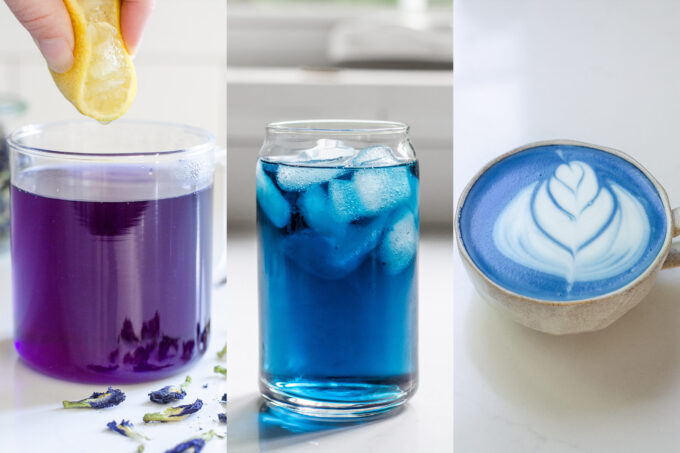
The unique color-changing property of blue pea tea, which shifts from blue to a vibrant purple or pink in response to pH variations, presents an opportunity to create a visually dynamic beverage. By incorporating other natural ingredients that maintain or alter the color spectrum, the resulting multicolored tea can offer a novel sensory experience while retaining its substantial antioxidant capacity. This project seeks to optimize the formulation of this multicolored tea, ensuring stability, consumer acceptance, and commercial viability.
In an era where consumers are increasingly seeking beverages that offer both health benefits and sensory satisfaction, the proposed multicolored blue pea tea stands out as a promising product. Its development aligns with current trends towards natural, functional foods and beverages, providing an innovative option that merges tradition with modern consumer demands.
Justification
The justification for developing an antioxidant-rich multicolored blue pea tea is multifaceted, encompassing health benefits, market opportunities, and scientific innovation.
Health Potential
Blue pea tea is exceptionally high in anthocyanins, specifically ternatins, which are potent antioxidants known to combat oxidative stress and reduce the risk of chronic diseases such as heart disease, diabetes, and cancer. Additionally, anthocyanins have anti-inflammatory and anti-aging properties that contribute to overall wellness. By enhancing the antioxidant profile through the incorporation of other natural ingredients rich in polyphenols and flavonoids, the multicolored blue pea tea can offer amplified health benefits, making it a superior functional beverage option.
Market Opportunity
The global market for functional beverages is expanding rapidly, driven by consumer demand for products that offer health benefits beyond basic hydration. Herbal teas, particularly those with unique health-promoting properties and appealing aesthetics, are gaining traction. The butterfly pea flower tea segment is projected to witness significant growth, with increasing consumer interest in natural, caffeine-free alternatives. Developing a multicolored variant taps into the niche market of visually appealing health beverages, potentially capturing a broader consumer base and differentiating the product in a competitive marketplace.
Scientific Innovation
There is a limited body of research focused on optimizing the extraction and stabilization of anthocyanins in blue pea tea, as well as on the development of multicolored formulations that maintain bioactivity. This project aims to close this gap by exploring advanced extraction techniques and innovative formulation strategies that preserve and enhance antioxidant activity. Additionally, understanding the molecular interactions that facilitate color changes at different pH levels can lead to standardized protocols for producing consistent and visually appealing products.
Economic and Environmental Impact
Developing a value-added product from blue pea flowers can stimulate economic growth in regions where these flowers are cultivated. It creates opportunities for local farmers and the agricultural sector while promoting sustainable practices. By utilizing natural colorants and avoiding synthetic additives, the project also aligns with environmentally friendly production methods, catering to the eco-conscious consumer.
Specific Objectives
-
Formulation Optimization
Investigate and determine the optimal combination of blue pea flower extracts with other natural colorants and antioxidants to achieve a vibrant, multicolored tea without compromising the antioxidant content. This involves experimenting with different ratios, processing methods, and ingredient pairings to identify formulations that offer both visual appeal and health benefits.
-
Antioxidant Capacity Evaluation
Conduct comprehensive antioxidant assays, including DPPH, FRAP, and ORAC, to quantify the antioxidant capacity of the developed multicolored tea formulations. Assess how the addition of other natural ingredients influences the overall antioxidant profile, ensuring that the final product meets or exceeds desired health standards.
-
Sensory and Consumer Acceptance
Perform sensory evaluations and consumer acceptance studies to gauge the market viability of the multicolored blue pea tea. This includes taste tests, color assessments, and overall appeal surveys to collect feedback from potential consumers. The goal is to refine the product based on consumer preferences, ensuring that it satisfies both aesthetic and taste expectations.
-
Stability and Shelf-Life Analysis
Assess the stability of the tea’s color and antioxidant properties over time under various storage conditions. This objective involves studying thermal stability, light exposure effects, and packaging solutions to ensure that the product maintains its quality and health benefits throughout its intended shelf life.
-
Phytochemical Characterization
Utilize advanced chromatographic and spectrometric techniques to comprehensively analyze the phytochemical composition of the multicolored blue pea tea. This includes identifying and quantifying anthocyanins, flavonoids, and other polyphenolic compounds to establish a detailed phytochemical profile.
-
Market Feasibility and Commercial Viability
Conduct market research to evaluate the demand, competitive landscape, and potential market segments for the antioxidant-rich multicolored blue pea tea. Analyze consumer trends, pricing strategies, and distribution channels to assess the commercial viability and inform go-to-market strategies.
-
Extraction Method Enhancement
Explore and optimize various extraction techniques, such as hot water extraction, ultrasound-assisted extraction, and microwave-assisted extraction, to maximize the yield and stability of anthocyanins and other antioxidants in the tea. The objective is to identify the most efficient and scalable extraction method that preserves the bioactivity of the compounds.
-
Functional Property Enhancement
Investigate synergistic combinations of natural ingredients that can enhance both the antioxidant capacity and sensory properties of the blue pea tea. This includes exploring the addition of herbs, spices, and fruit extracts known for their health benefits and compatibility with the tea base.
-
Regulatory and Safety Assessment
Ensure that the developed multicolored blue pea tea formulations comply with food safety regulations and standards. Conduct safety assessments to verify that all ingredients are safe for consumption and that the final product poses no health risks to consumers.
Formulation Optimization Techniques
To achieve an optimal formulation, various techniques will be employed, including:
| Technique | Description | Expected Outcome |
|---|---|---|
| Response Surface Methodology (RSM) | A statistical technique for modeling and analyzing problems in which several variables influence the outcome. | Identify the optimal levels of each ingredient to maximize antioxidant activity and aesthetic appeal. |
| Sequential Extraction | A method to extract compounds in a stepwise manner using solvents of increasing polarity. | Enhance the purity and yield of anthocyanins and other bioactive compounds. |
| Stability Testing | Assessing the color and antioxidant stability under various environmental conditions. | Ensure consistent product quality over its shelf life. |
Conclusion
The proposed research project aims to innovate within the functional beverage sector by developing an antioxidant-rich multicolored blue pea tea. By synergistically combining blue pea flowers with other natural ingredients, the project seeks to enhance both the visual and health-promoting attributes of the tea. The comprehensive approach, encompassing formulation optimization, phytochemical characterization, sensory evaluation, and market feasibility, ensures that the final product will meet consumer demands for both aesthetic appeal and functional benefits. Successful completion of this project has the potential to contribute significantly to the fields of food science and nutrition, while also offering substantial economic opportunities within the natural health product market.
References
Last updated February 12, 2025