
Exploring Multiple Dockets in LexisNexis CourtLink
Understanding why legal cases often have several docket listings on CourtLink
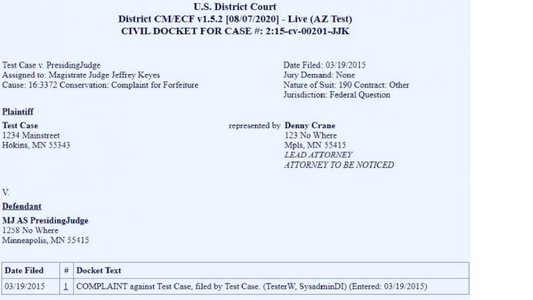
Key Insights
- Multi-Part Dockets: Large and complex cases are often split into multiple parts, each labeled as a separate docket.
- Complex Filings and Multiple Jurisdictions: Cases may involve filings across various courts, including appeals, transfers, or related proceedings.
- Data Organization and Search Efficiency: The segmentation into multiple dockets improves clarity and facilitates targeted searches within extensive legal files.
Detailed Analysis of Multiple Dockets
Multi-Part Docket Structure
In LexisNexis CourtLink, some cases are divided into multiple parts, especially when handling a large volume of documents or complex case details. These multiple parts are identified with labels such as "Part 1", "Part 2", etc. This segmentation is primarily used to enhance system efficiency, making it easier for users to navigate case details and search within specific segments of the case. When a search is performed, typically only the first part appears, unless the user refines the search criteria to look within all parts.
How Multi-Part Dockets Work
The process involves the following steps:
- Division of Dockets: Large dockets are broken into smaller, manageable parts to prevent overwhelming users with a single, enormous docket.
- Labeling: Each part is distinctly labeled, making it clear which docket or part to access for specific information. Users can click on links, often found under the "About This Document" section, to view other parts.
- Search Optimization: By displaying only the first part in search results, the system reduces clutter. To access further information, users can use “Search within Results” to locate additional parts.
Complex Filings Across Multiple Jurisdictions
Another significant reason for multiple dockets arises from cases that span various legal proceedings and jurisdictions. In instances where a single case involves several courts – such as both state and federal courts – each filing can generate a distinct docket entry. This is applicable in situations like:
- Inter-Court Filings: Cases that are filed in more than one court, or include actions across different jurisdictions, each have separate docket entries reflecting the specific procedural history in that court.
- Appeals and Transfers: When a case is transferred from one court to another or is subject to an appellate review, separate dockets are created. This helps track the progression of the case through various judicial processes.
- Related Proceedings: Some instances involve multiple related lawsuits or joining proceedings. For example, consolidated actions in class actions or interconnected claims might be assigned separate dockets for clarity.
Examples of Jurisdictional Multi-Docket Use
In these situations, each procedural step – whether an initial filing, a motion, or a subsequent appeal – could result in its own docket. This method ensures that the case’s full history is comprehensively documented, thereby simplifying legal research and providing clarity for both practitioners and the public.
System Efficiency and Data Organizational Strategies
LexisNexis CourtLink is designed with a focus on effective data collection and organization. The breakdown of case dockets into multiple parts serves several key functions:
- Enhanced Search Capabilities: Users can more specifically target the segment of a docket where they expect to find relevant information. This streamlined search function is essential when cases involve extensive records.
- Reduced Clutter: By not overwhelming users with all parts of a docket in a single view, the system maintains an organized presentation which enhances user experience.
- Improved Case Management: For legal professionals tracking numerous complex cases, the ability to navigate between specific parts or filings simplifies the research process and aids in staying updated on case developments.
Data Collection and Duplication
In addition to multi-part segmentation and disparate jurisdictional filings, the way in which data is aggregated can lead to multiple docket entries. CourtLink aggregates information from a wide range of courts and legal bodies. Due to differences in data collection methodologies across these sources, duplicate or separate docket records may appear even though they pertain to the same case or related actions.
Comparison Table: Factors Leading to Multiple Dockets
| Factor | Description | Impact |
|---|---|---|
| Multi-Part Dockets | Cases divided into parts for better navigation and efficiency | Leads to separate docket entries, each with a part number; only first part appears in general searches |
| Multiple Jurisdictions | Case filings in different courts (state, federal, appellate) | Provides detailed procedural history; each court filing gets its own docket |
| Related Proceedings | Consolidated lawsuits or interconnected legal actions | Separate dockets to reflect different aspects of the same or related issues |
| Appeals/Transfers | Cases undergoing appeals or jurisdiction changes | Multiple dockets track each stage and procedural shift in litigation |
| Data Aggregation Practices | Systematic collection from various sources | May produce duplicate or additional docket entries due to differing data schemas |
Additional Considerations in CourtLink Docket Listings
User Navigation and Search Refinement
When using LexisNexis CourtLink, it's important for users to be aware of how the system presents search results. Since only the initial part of a multi-part docket is displayed by default, legal researchers may need to manually navigate to other parts to view the complete case details. Functionality like “Search within Results” is essential for pinpointing the specific docket section of interest. Additionally, understanding how to utilize filtering options within CourtLink can save considerable time when dealing with a case that has many related filings.
Practical Applications for Legal Professionals
The multiple docket system in CourtLink is strategically designed to support the needs of legal professionals who manage complex litigation. Whether tracking several facets of one large case or monitoring related legal actions across multiple jurisdictions, the structured approach allows for:
- Efficient Tracking: Detailed, segmented docket entries make it easier to follow the sequence of events in a case, understand procedural history, and analyze legal strategies.
- Better Case Analysis: With each docket detailing specific aspects (e.g., motions, hearings, appeals), legal practitioners can isolate relevant information pertinent to each stage of litigation.
- Enhanced Research Accuracy: The split-entry method reduces the risk of missing critical updates, especially in complex, multi-party or multi-court cases, ensuring that all pertinent information is available for thorough case preparation.
System Enhancements and User Resources
LexisNexis continues to evolve its CourtLink platform by integrating tools that empower users to manage and search through vast amounts of legal data more efficiently. These enhancements include:
- Custom Search Filters: Allowing users to narrow down results to specific dockets or document types.
- Notification and Alerts: Ensuring legal professionals receive timely updates on case developments.
- User Guides and Tutorials: Providing resources that detail how to effectively navigate multi-docket cases.
Final Thoughts on Multiple Dockets in LexisNexis CourtLink
Summing Up the Rationale
Multiple docket listings in LexisNexis CourtLink arise from a combination of system optimization, legal procedural requirements, and the inherent complexity of modern litigation. Whether it is through the segmentation of a large docket into manageable parts, handling filings across diverse jurisdictions, or the comprehensive aggregation of legal data from various sources – each multiple docket serves a purpose in providing clarity, enhancing search efficiency, and ensuring that every pivotal legal development in a case is documented.
This multifaceted approach not only streamlines the research process for legal professionals but also facilitates a more comprehensive view of a case’s procedural history. For legal researchers, understanding the rationale behind multiple dockets is vital in employing effective search strategies and ensuring no critical case detail is overlooked.
References
- Multiple Part Dockets on LexisNexis CourtLink - LexisNexis
- How to Create a Docket Number Search on Lexis CourtLink - LexisNexis
- CourtLink - LexisNexis Product Page
- Lexis CourtLink - Docket Research - Stanford Law
- Information on Dockets - Berkeley Law Guides
Recommended Queries for Further Insights
Last updated March 28, 2025