
Exploring the Dual Role of 50mM NaCl on Mung Bean Seedling Chlorophyll
Discover how moderate salinity interacts with chlorophyll enhancement and stress responses
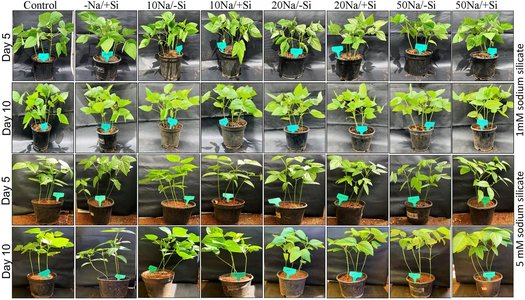
Key Insights
- Potential for Chlorophyll Enhancement: Under specific conditions, pretreatment with 50mM NaCl combined with hormone or chemical co-treatments may enhance chlorophyll synthesis.
- Stress-Induced Reduction and Damage: High salt concentrations often induce oxidative stress and disrupt chloroplast function, leading to chlorophyll degradation.
- Mitigation Strategies Matter: Supplementations such as gibberellic acid, spermine, silicon, and beneficial microorganisms can influence how mung beans respond to salinity stress.
Overview of 50mM NaCl Effects on Mung Bean Seedlings
Mung bean (Vigna radiata) seedlings are sensitive to salinity stress. At 50mM NaCl, the impact on chlorophyll content can vary significantly depending on the experimental conditions, duration of exposure, and the presence of any mitigating agents. While elevated salt levels generally pose a risk to plant health by inducing oxidative stress and ion toxicity, some studies indicate that a controlled exposure may precondition the seedlings, thereby enhancing certain physiological processes including chlorophyll biosynthesis. This phenomenon appears particularly when the stress is combined with beneficial treatments.
Detailed Mechanisms of Salt Stress and Its Effects
Negative Effects of 50mM NaCl
Exposure to 50mM NaCl triggers a series of responses which ultimately can reduce chlorophyll content in mung bean seedlings:
- Oxidative Stress: High concentrations of Na+ and Cl- ions elevate the formation of reactive oxygen species (ROS) that cause cellular damage, particularly in chloroplasts where photosynthesis takes place.
- Ion Toxicity: Accumulation of these ions can interfere with the synthesis and stability of chlorophyll by directly inhibiting the enzyme activities essential for pigment production.
- Cellular and Chloroplast Damage: Structural damage to chloroplast membranes decreases the efficiency of light absorption and energy conversion, which in turn affects the overall photosynthetic capacity and health of the plant.
- Altered Enzyme Activities: Salt stress often leads to impaired functions of enzymes involved in the chlorophyll biosynthetic pathway, further contributing to reduced pigment levels.
Positive or Enhancing Effects Under Specific Conditions
Contrasting the detrimental effects, some studies have demonstrated conditions where 50mM NaCl does not solely represent a negative factor. Instead, it can serve as a preconditioning agent that may trigger adaptive responses leading to enhanced chlorophyll synthesis:
- Preconditioning Benefits: Exposing seedlings to a sublethal dose like 50mM NaCl can induce tolerance mechanisms. This may involve the enhancement of antioxidant enzyme systems and the accumulation of osmolytes that help stabilize proteins and membranes, thereby minimizing oxidative damage.
- Synergistic Effects with Hormonal Treatments: The combined application of 50mM NaCl along with hormones such as gibberellic acid or polyamines like spermine has been found to support seedling elongation and biomass accumulation. These hormones can mitigate the negative impacts of salt stress, allowing for a maintained or even increased chlorophyll content.
- Balanced Ion Homeostasis: In some cultivars of mung bean, genetic or induced traits allow for more efficient management of ionic stresses. These cultivars may retain more chlorophyll under such conditions, as their regulatory mechanisms facilitate improved ionic balance and cellular repair.
Integrative Analysis Through a Comparative Table
| Aspect | Negative Impact | Positive/Enhancing Impact |
|---|---|---|
| Chlorophyll Content | Reduction due to oxidative stress and ion toxicity leads to degradation of chlorophyll pigments. | Potential enhancement when used as a preconditioning agent combined with exogenous applications (gibberellic acid or spermine) that boost chlorophyll production. |
| Oxidative Stress Effects | Higher salt concentration increases reactive oxygen species (ROS), damaging cell structures and chloroplast membranes. | Preconditioning may trigger up-regulation of antioxidant defenses, reducing oxidative damage over time. |
| Photosynthetic Efficiency | Chloroplast damage and altered enzyme activity lower the efficiency of photosynthesis. | Improved maintenance of chloroplast function in resistant cultivars when mild stress is applied, enabling beneficial adaptive responses. |
| Growth and Development | Excess salt diminishes seedling biomass, root, and shoot lengths, leading to overall reduced vigor. | Under controlled conditions, certain treatments can stimulate growth performance through hormonally induced pathways, indirectly supporting chlorophyll levels. |
In-Depth Discussion on Mitigation Strategies
Supporting Chlorophyll Production Under Salt Stress
Given the complex interaction between salinity and plant physiology, horticulturists and plant physiologists have explored various strategies to mitigate the negative effects of salt stress on mung beans while attempting to harness any potential enhancing effects on chlorophyll content:
Hormonal and Chemical Treatments
Introducing compounds such as gibberellic acid and spermine into the growth medium can counteract the typical decline in chlorophyll content associated with salt stress. These substances help stimulate the plants' metabolic processes, leading to several beneficial changes:
- Improved Photosynthetic Enzyme Activity: Hormones enhance the activity of key enzymes in the chlorophyll biosynthesis pathway and maintain efficient photosynthesis even under stress conditions.
- Enhanced Stress Tolerance: Hormonal treatments can induce the expression of genes related to stress responses, leading to greater accumulation of osmolytes, which are critical for maintaining cellular balance and reducing the impact of ROS.
- Growth Promotion: The enhanced biomass accumulation, observed as longer roots and shoots, is closely associated with a better capacity for adjusting to saline environments.
Silicon and Microbial Interventions
Additional approaches utilize silicon supplementation and beneficial microbes to foster a more robust response to saline conditions. Silicon in particular has been recognized for its ability to strengthen cell walls, improve nutrient uptake, and mitigate the oxidative damage caused by high salt levels. Some studies have investigated the use of Bacillus pseudomycoides and other microorganisms which aid the plant in not just surviving, but also potentially increasing stress resilience, resulting in more stable levels of chlorophyll content despite salt exposure.
Role of Genetic Variability
It is important to note that the response of mung bean seedlings to 50mM NaCl can vary significantly among different cultivars. Genetic variability plays a critical role in determining whether a particular cultivar will exhibit an increase or decrease in chlorophyll content when exposed to salt stress. Some cultivars have naturally occurring mechanisms for achieving salt tolerance. This includes more effective control of ionic homeostasis, efficient scavenging of ROS, and better osmoregulation, all of which contribute to maintained or even enhanced chlorophyll levels over time.
Sector-Wide Implications and Practical Considerations
Understanding the dual aspects of 50mM NaCl's role in mung bean seedling development is critical for agricultural practices, particularly in areas prone to salinization. Farmers and researchers alike must consider the following practical points:
- Controlled Stress Application: When using mild salinity as a preconditioning method, precise control of exposure duration and concentration is vital. Overexposure might turn a beneficial stressor into a harmful one.
- Complementary Treatments: Combining salt preconditioning with plant growth-promoting substances such as plant hormones or beneficial microbes enhances the likelihood that the seedlings will adapt positively, thus safeguarding chlorophyll synthesis and overall photosynthetic capacity.
- Selection of Salt-Tolerant Cultivars: Plant breeders are encouraged to focus on traits that confer higher tolerance to salinity, ensuring stable yields and chlorophyll content even under challenging environmental conditions.
- Integrated Agronomic Management: The application of integrated management practices that include soil amendments, proper irrigation, and nutrient balancing can limit the negative impacts of salt stress while promoting the potential benefits of moderate salinity adaptation.
Experimental Considerations and Future Directions
Research Variables in Salt Stress Experiments
When designing experiments to assess the effects of 50mM NaCl on chlorophyll content in mung bean seedlings, several factors must be considered. These include:
- Duration of Exposure: Short-term vs. long-term exposure can yield different responses in chlorophyll levels and overall plant vitality. Researchers have observed that brief exposures may precondition seedlings, whereas prolonged exposure typically exacerbates stress responses.
- Environmental Conditions: The ambient temperature, light intensity, and humidity can interact with salt stress to influence the magnitude of chlorophyll reduction or enhancement.
- Concentration-specific Effects: While 50mM NaCl represents a moderate level of salinity, slight variations in concentration during experiments might produce diverging outcomes, highlighting the need for precise control in experimental designs.
- Synergistic Treatment Effects: Introducing additional factors such as organic compounds, silicon, or beneficial microbes alongside NaCl helps elucidate the mechanisms behind enhanced stress tolerance and potential chlorophyll increases.
Future Research Directions
Ongoing research is aiming to uncover the exact molecular pathways by which 50mM NaCl exerts both detrimental and adaptive effects on chlorophyll synthesis in mung bean seedlings. Future studies might focus on detailed transcriptomic and proteomic analyses to identify key genes and proteins responsible for salt tolerance. These insights could pave the way for genetically engineered or selectively bred cultivars with optimized responses to salinity.
Final Integration of Findings
Drawing from various studies and experimental data, it is evident that 50mM NaCl exhibits a dual role in mung bean seedling development, particularly in relation to chlorophyll content. On one hand, the salt stress can destabilize cellular structures, impair chlorophyll biosynthesis, and lead to overall plant decline through enhanced oxidative stress and ion toxicity. On the other hand, under controlled conditions and with appropriate adjunct treatments, 50mM NaCl can act as a preconditioning stimulus. This adaptive response potentiates the activation of antioxidant defenses and osmolyte accumulation, effectively maintaining or even enhancing chlorophyll levels. The balance between these opposing effects depends largely on experimental conditions, endogenous cultivar tolerance, and the implementation of complementary mitigating treatments. As a result, integrated agronomic strategies, including the use of growth-promoting hormones and silicon supplementation, remain key areas for further exploration to fully harness the beneficial aspects while minimizing detrimental outcomes in saline-prone environments.
References
-
PMC Article - PMC
- Frontiers in Plant Science - Frontiers
- TSWJ - Hindawi
-
ScienceDirect - Elsevier
-
ScienceDirect - Elsevier
Recommended Queries for Further Exploration
Last updated March 28, 2025