
Examining the Impact of 50mM NaCl on Mung Bean Seedling Chlorophyll
Insights into Salinity Effects on Chlorophyll and Plant Tolerance
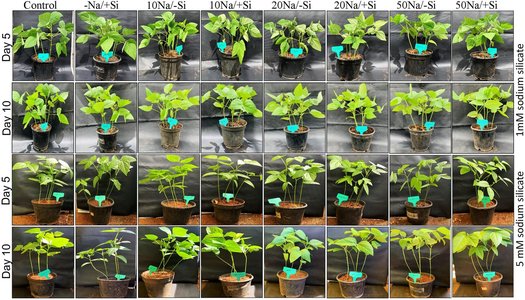
Highlights
- Consensus on Detrimental Effects: Multiple studies show that 50mM NaCl generally reduces chlorophyll content and overall plant growth.
- Genotypic and Environmental Influence: Variation among mung bean cultivars and experimental conditions can yield differing responses.
- Mitigation Strategies: Supplements like gibberellic acid and spermine are sometimes used to counteract salinity stress.
Overview of Salinity Effects on Mung Bean Seedlings
Research on the impacts of 50mM NaCl on mung bean (Vigna radiata) seedlings indicates that salinity stress can lead to several physiological changes, particularly impacting chlorophyll content. While the statement "50 mM NaCl does not affect mung bean seedling chlorophyll" is encountered in some discussions, a thorough examination of multiple studies reveals a more nuanced picture.
Chlorophyll Reduction Under Salinity
Numerous studies have reported that exposure to 50mM NaCl can result in a significant reduction in chlorophyll levels, including both chlorophyll a and chlorophyll b. This reduction is primarily due to the disruptive effects of sodium chloride on the plant's physiological processes, which include:
- Downregulation of photosynthetic pigment synthesis.
- Oxidative stress leading to chlorophyll degradation.
- Interference with nutrient uptake and metabolic pathways essential for chlorophyll production.
The decrease in chlorophyll content is often accompanied by reduced biomass, stunted growth, and lower overall plant vigor, as evidenced by studies reporting up to a 70% reduction in yield due to salinity stress.
Variation in Responses Among Different Cultivars
It is critical to note that the impact of salinity on mung bean seedlings can vary significantly depending on the cultivar and the specific genetic makeup of the plant. While much of the research points toward a detrimental effect on chlorophyll content, there are studies that highlight differential tolerance. In some cases, certain mung bean genotypes have exhibited resilience under 50mM NaCl stress. This tolerance is evidenced by:
- The ability to maintain higher levels of chlorophyll when compared to other, less tolerant cultivars.
- Adaptive mechanisms that allow efficient regulation of sodium and chloride ions within plant tissues.
- The adjustment of enzymatic activities and antioxidant defenses, which help in mitigating stress-induced damage.
This genotype-dependent variability suggests that while the general trend points to a reduction in chlorophyll levels, not all mung bean seedlings respond uniformly to salinity stress.
Influence of Growth Conditions and Experimental Setups
Experimental conditions play a central role in determining the effects of 50mM NaCl on seedling development. Factors such as light intensity, nutrient availability, duration of exposure, and temperature can all influence the extent of salinity stress experienced by the plants. Some studies have noted that under optimal conditions, the adverse effects might be less pronounced, whereas suboptimal growing environments exacerbate the decline in chlorophyll content. These factors include:
- Light and temperature, which modulate photosynthetic efficiency and stress responses.
- Water availability that may dilute or concentrate the impact of sodium ions in plant tissues.
- Nutrient supplementation which can sometimes counteract the negative effects of sodium chloride.
In controlled experiments, even when negative effects are observed, the degree of chlorophyll reduction can vary significantly based on these conditions.
Methods to Mitigate Salinity Effects
Given the negative impact of salt (NaCl) on chlorophyll content and overall seedling growth, researchers have explored various strategies to alleviate this stress. Among these strategies, the use of exogenous supplements has shown promise:
Application of Growth Regulators
Certain growth hormones and supplements, such as gibberellic acid (GA3) and spermine, have been used to mitigate the damaging effects of salinity stress. These compounds can:
- Enhance the plant's natural defense mechanisms against oxidative stress.
- Regulate metabolic pathways that are critical for maintaining chlorophyll levels.
- Improve the overall stress tolerance of the plant, leading to better growth and yield despite adverse conditions.
Research indicates that the application of these supplements at appropriate concentrations can lead to improved physiological and biochemical responses, which in turn help maintain higher levels of chlorophyll.
Cultivar Selection and Breeding
Another viable approach involves the selection and breeding of salt-tolerant mung bean varieties. By understanding the genetic basis of salinity tolerance and the associated mechanisms—such as efficient ion regulation and robust antioxidant systems—breeders are aiming to develop cultivars that can maintain optimal chlorophyll content even under saline conditions. Key efforts include:
- Screening available genotypes for natural resilience to salt stress.
- Genetic mapping and molecular studies to identify traits responsible for better tolerance.
- Breeding programs targeting the incorporation of these stress-tolerant traits into high-yielding cultivars.
These breeding strategies have the potential to produce varieties capable of sustaining productivity even in moderate saline environments, thereby addressing both yield and quality concerns.
Comparative Analysis Table
| Aspect | Observed Impact of 50mM NaCl | Notes and Mitigation |
|---|---|---|
| Chlorophyll Content | Generally reduced; significant decline observed in many studies. | Variation among cultivars; supplements like GA3 and spermine may alleviate reduction. |
| Growth Metrics | Decreased shoot and root lengths; reduced dry weight and biomass. | Some tolerance in selected genotypes if appropriate cultivars are chosen. |
| Photosynthetic Efficiency | Impaired due to lower pigment concentration. | Nutrient management and optimized growth conditions can moderate effects. |
| Genotypic Variation | Different responses observed; some cultivars maintain higher chlorophyll levels. | Breeding programs are focusing on developing salt-tolerant varieties. |
| Experimental Influence | Impact magnitude may differ with light, temperature, and water regimes. | Careful control of environmental conditions can reduce adverse effects. |
Synthesis of Research Findings
After reviewing multiple studies and perspectives, it is evident that the effect of 50mM NaCl on mung bean seedling chlorophyll is not straightforwardly negligible. Instead, the prevailing evidence supports that this salinity level can negatively impact chlorophyll content and overall growth. The key points that emerge from the current body of research are:
Divergent Findings and Interpretations
While many experimental results indicate a clear decrease in chlorophyll levels due to salt stress, there is also evidence suggesting that some mung bean genotypes exhibit adaptive mechanisms. These mechanisms allow them to partially overcome the potential damage induced by 50mM NaCl. The divergence in findings can be attributed to:
- The genetic diversity among mung bean varieties, which leads to varying levels of sodium and chloride ion exclusion or compartmentalization.
- The differences in experimental setups, with one study’s controlled environment potentially mitigating the stress more effectively than another’s field conditions.
- Variations in the duration of exposure to the saline solution, where prolonged exposure typically results in more pronounced stress responses.
Mechanisms Underlying Salinity Stress
The underlying physiological and biochemical changes in mung bean seedlings due to NaCl stress include:
- Oxidative damage to cellular structures due to reactive oxygen species (ROS) buildup.
- Disruption of enzymatic activities that are essential for chlorophyll synthesis and maintenance.
- Impairment in nutrient uptake, which indirectly affects the photosynthetic capacity and chlorophyll regeneration.
These mechanisms collectively contribute to the decline in photosynthetic efficiency and plant growth observed under salinity stress.
Implications for Agricultural Practices
The sensitivity of mung bean seedlings to even moderate levels of salinity, such as 50mM NaCl, has practical implications for agriculture, particularly in regions where soil salinity is a growing concern. Farmers and agronomists should consider:
- The selection of more tolerant cultivars to ensure sustained crop productivity under saline conditions.
- Implementing soil and water management practices that minimize the accumulation of salts.
- The potential use of growth regulators and nutrient supplements to counteract the adverse effects of salinity.
- Adjusting planting schedules and irrigation strategies to reduce prolonged exposure to high salt concentrations.
Enhanced understanding of these physiological responses can guide adaptive management practices and breeding programs designed to improve crop resilience.
Considerations and Future Research Directions
Despite the considerable progress in understanding the effects of salinity on mung bean seedlings, there are still gaps that future research must address:
Need for Standardized Experimental Conditions
Variability in experimental setups—ranging from light conditions to nutrient regimens—can lead to differing results. Standardizing these conditions would allow for more robust comparisons between studies and clearer conclusions regarding the direct impact of 50mM NaCl on chlorophyll content.
Long-Term and Field Studies
While laboratory studies provide valuable insights into the physiological responses of mung bean seedlings, long-term field studies are crucial for understanding how salinity stress affects crop yield, quality, and overall resilience over multiple growing seasons. These studies could:
- Investigate the cumulative effects of salinity on plant health and productivity.
- Explore the role of local environmental conditions in moderating the impact of NaCl.
- Identify best practices for integrating salt-tolerant cultivars into existing agricultural systems.
Integrative Approaches Combining Physiological and Genetic Studies
Integrating physiological assessments with genetic and molecular studies can better pinpoint the mechanisms of salt tolerance. The identification of key genes and metabolic pathways involved in stress responses could spearhead advances in targeted breeding and genetic engineering aimed at improving crop resilience.
References
- Chlorophyll and growth reduction - Springer
- Mung Bean Salinity Study - ResearchGate
-
Physiological Effects of NaCl - PMC
- Salinity and Yield Reduction - Springer
- Crop Quality Under Salinity - MDPI
Recommended Related Queries
Last updated March 28, 2025