
Understanding Music Practice in Its Environment
A comprehensive exploration of how music interacts with society, culture, materiality, and technology
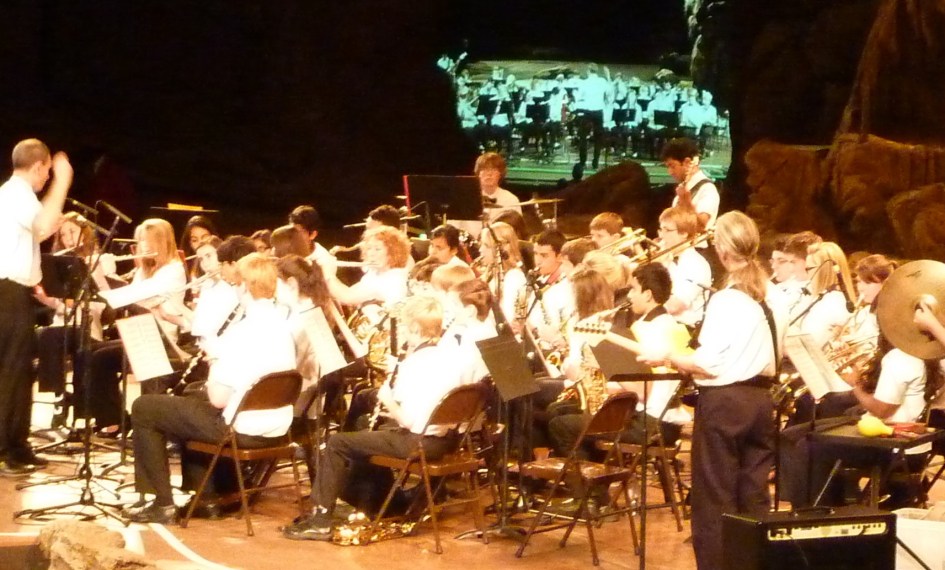
Highlights
- Social Influences: Music reflects and shapes community, identity, and social interaction.
- Material and Cultural Contexts: Physical instruments, performance spaces, and cultural traditions impact musical expression.
- Technological Developments: Advances in technology continuously transform how music is created, shared, and experienced.
Introduction
The sentence "Music practice responds to social, material and cultural environments, including developing technologies" encapsulates a comprehensive view of the multifaceted influences on music. In this explanation, we will explore the interconnected roles of social dynamics, the physical and material world, cultural contexts, and the impact of evolving technologies on music. Understanding these dimensions provides insight into why musical practices are not static, but are continuously adapted and reinterpreted across different contexts.
Social Influences on Music Practice
Music is inherently a social phenomenon. Its creation, performance, and consumption are deeply rooted in social interactions and relationships. From communal gatherings to global movements, music serves as both a mirror and a catalyst for social change and collective identity.
Role in Social Bonding and Identity
One of the most significant aspects of music is its role in social bonding. Music functions as a means to express emotions, share experiences, and reinforce social cohesion. It is present in social ceremonies, protests, celebrations, and everyday interactions. When individuals listen to or create music, they are often representing their personal or group identity, which helps to solidify social connections. For example, national anthems, folk songs, and protest ballads serve to bind communities together by invoking shared historical narratives and common values.
Reflection of Societal Norms and Trends
Music does not just bring people together; it also reflects the prevailing norms, issues, and dynamics of society. Social issues such as inequality, conflict, and political change are often poignantly addressed through music. Musical narratives can serve as both a commentary on current societal challenges and an inspiration for social transformation. Over time, musical styles can shift due to changing social dynamics—what is deemed popular or rebellious adjusts as social attitudes evolve.
Material Environments and Their Impact on Music
The material aspect of music refers to the physical components that enable musical creation and consumption. This encompasses a wide range of elements, including instruments, recording equipment, performance venues, and mediums of distribution. These physical objects and spaces play an important role not only in shaping the sound and quality of music but also in sustaining the cultural heritage of musical traditions.
Musical Instruments and Material Culture
Musical instruments epitomize the direct interplay between material culture and music practice. They are not mere tools; instead, they carry historical, cultural, and social significance. The design, construction, and utilization of instruments significantly influence the sound and style of music. Traditional instruments often carry symbols of cultural identity and heritage, and innovations in material technology have led to new instrument designs that broaden the musical spectrum.
Physical Spaces and Acoustic Environments
The physical space in which music is performed contributes vastly to the overall musical experience. Acoustics, audience arrangement, and ambient conditions transform how music is perceived. Venues such as concert halls, clubs, and open-air festivals each provide unique acoustic properties that can enhance or alter the musical performance. Additionally, the architectonic design of these spaces sometimes inspires musicians to experiment with sound, leading to innovative approaches in performance and recording.
Cultural Contexts and Musical Expression
Cultural environments encompass the beliefs, traditions, rituals, and customs that inform how music is created and appreciated. Music is an expression of cultural identity that can persist over generations. It communicates values, narratives, and experiences that resonate within a community's collective memory.
Cultural Heritage and Traditional Forms
In many cultures, music is intertwined with rituals, ceremonies, and storytelling. Traditional musical forms provide a living connection to the past. Whether through religious hymns, indigenous musical forms, or epic ballads, these practices preserve and transmit cultural knowledge and ethics. The continuation of these traditions often relies on community practices and the passage of skills from one generation to the next.
Cross-Cultural Exchange
As globalization brings diverse cultures closer together, musical practices are influenced through cross-cultural exchanges. The blending of different musical styles and techniques fosters the creation of innovative genres. Cross-pollination enriches the musical tapestry by exposing artists to new rhythmic patterns, scales, and narrative forms. This fluid cultural interchange also challenges traditional boundaries, leading to a more dynamic and globally connected music scene.
Impact of Developing Technologies on Music Practice
In recent decades, technological advancements have radically transformed the way music is produced, distributed, and experienced. Technology has democratized music through digital platforms, enriched the creative process with innovative tools, and expanded the realm of musical possibilities.
Digital Music Production
The advent of digital audio workstations (DAWs) such as Ableton Live, Logic Pro, and FL Studio has transformed the recording and production process. Today, musicians and producers have access to affordable, high-quality tools that enable them to create complex arrangements in home studios. Digital tools allow artists to experiment with sounds and effects that may not have been possible with traditional analog equipment. This democratization of production technology empowers a diverse array of musicians to express their creativity without requiring extensive resources.
Distribution and Accessibility
Technology has also revolutionized how music is distributed and consumed. The rise of streaming services such as Spotify, Apple Music, and YouTube has made it possible for music to reach global audiences instantly. These platforms have not only increased accessibility but also altered the economics of the music industry. Artists can now bypass traditional gatekeepers and connect directly with their listeners. The digital era also supports various forms of music consumption, from high-fidelity streaming to portable downloads.
Innovative Musical Experiences
Emerging technologies such as virtual reality (VR) and augmented reality (AR) are starting to redefine the boundaries of live musical experiences. VR concert experiences offer immersive environments that allow audiences to feel as though they are part of the performance, even from remote locations. Similarly, mobile apps and interactive platforms have enabled fans to engage with music in innovative ways. These technological developments are fostering a more interactive and engaging relationship between performers and audiences.
Interrelationship of Influences: A Closer Look
The relationship between social, material, and cultural environments along with technological advancements is not linear. Instead, they interact in complex and dynamic ways that continuously shape and reshape music practices. To better visualize this interrelationship, consider the following table that outlines the key components and their influences on music:
| Component | Key Influences | Impacts on Music |
|---|---|---|
| Social Environment |
- Social interactions - Community bonding - Collective identity and social movements |
- Influences musical themes and narratives - Reinforces community spirit - Reflects and challenges societal norms |
| Material Environment |
- Musical instruments - Recording and performance spaces - Physical distribution media |
- Dictates sound quality and production styles - Inspires creative use of tools - Enriches aesthetic qualities of music |
| Cultural Environment |
- Local rituals and traditions - Historical narratives - Cross-cultural integration |
- Shapes musical genres and styles - Preserves cultural heritage - Promotes innovative blends of musical forms |
| Developing Technologies |
- Digital production tools - Online streaming platforms - VR, AR, and interactive digital experiences |
- Democratizes music production - Enhances audience engagement - Opens new realms for creative expression |
Case Studies and Practical Examples
Examining specific instances where these influences come together can further clarify the meaning behind the statement. Below are some case studies that illustrate how music practice is responsive to broader environmental factors:
Community and Protest Music
Throughout history, music has played a pivotal role in social and political movements. Protest songs and anthems, such as those from the civil rights era or recent global movements, embody not just artistic expression but also collective resistance and hope. The lyrics, rhythms, and styles of these songs are a direct response to the sociopolitical climate, channeling the feelings of the community and forging unity in the face of oppression. Their production may incorporate traditional instruments as a nod to cultural roots, while modern recording techniques ensure clarity and widespread distribution.
Global Music Fusion
In the modern era, the fusion of musical styles from different regions is increasingly common. The cross-pollination of ideas results from enhanced global communication and travel. For example, the incorporation of traditional ethnic instruments into contemporary electronic music illustrates how material and cultural elements coexist with modern technology, creating new, hybrid genres that appeal to global audiences. This blending demonstrates that even as music adapts to new technological realities, it remains deeply grounded in historical and cultural identities.
Digital Music Education and Remote Collaboration
The impact of technology on music education is profound. With digital tools, educational models have shifted to include remote learning, online tutorials, and interactive platforms that connect instructors and students across the globe. These developments allow individuals who might not have access to traditional music education to hone their skills in a virtual environment. Collaborative projects can involve contributors from different cultural backgrounds, incorporating diverse musical techniques and aesthetics. The agile nature of technology thus reshapes both the learning and creative processes in music.
Synthesis: Integrating Multiple Dimensions
The idea that "music practice responds to social, material and cultural environments, including developing technologies" is a synthesis of several critical components:
Dynamic Adaptation
Music is an adaptive practice. As societies evolve, technology advances, and cultural contexts shift, musical practices adjust accordingly. Modern music is typically a blend of traditional elements with innovative techniques facilitated by digital tools. This dynamic adaptation is a continuous process of reflection and reinvention fueled by the artists’ interaction with their environment.
Holistic Impact
In addition to the artistic value of sound itself, music embodies social, material, and cultural narratives. Whether it is through communal expression or personalized identity, every musical performance is an emergent product that both influences and is influenced by its broader context. The physical instruments, the venues, and even the manner in which music is recorded and distributed all contribute to its holistic impact.
Future Trajectories
Looking to the future, technological advancements promise even more profound changes. With each innovative leap—from enhanced digital production platforms to immersive augmented realities—music continues to evolve. These changes not only influence production techniques but also shape how music is experienced socially and culturally. As such, the adoption of new technologies acts as both a response to and a catalyst for changes within the broader musical landscape.
Implications for Musical Practice and Society
Understanding the interplay between societal, material, and cultural influences with technology has broad implications:
For Musicians and Artists
Musicians constantly engage with their environment—all aspects from the audience's cultural background to the tools at their disposal contribute to their creative process. Recognizing these influences encourages artists to experiment, innovate, and remain culturally connected. It fosters a mindset where traditional techniques and new technologies are not mutually exclusive, but complementary.
For Music Educators
Educators can use this integrated approach to adapt teaching methods that reflect current technological, social, and cultural realities. By acknowledging digital tools and modern production techniques, educators better prepare students for the evolving musical landscape. An integrated curriculum that encompasses historical context, material innovation, and current technological trends can stimulate more effective and inclusive learning experiences.
For Society at Large
Music not only entertains but also unites and challenges societal norms. Its evolution reflects the changes in society and can often serve as a historical archive of collective experiences. In an increasingly digital era, both the production and consumption of music provide valuable insights into the cultural and technological shifts of our time. Music acts as a bridge connecting tradition with modernity, providing a shared space for dialogue and expression.
Conclusion
The statement "Music practice responds to social, material and cultural environments, including developing technologies" encapsulates a holistic view of music as a dynamic and evolving discipline. It underscores how music is not created in isolation but is continually influenced by an interplay of social dynamics, tangible resources, cultural heritage, and cutting-edge technology. Musicians inherit and reinterpret traditions while embracing innovations that expand their creative landscape. Similarly, educators and industry professionals are increasingly aware of the multi-layered factors that shape musical expression. This interrelationship fosters both preservation of cultural values and the emergence of novel sonic realms.
In summary, the multifaceted influences shaping music practice are a testament to its complexity and enduring relevance. Whether through reflecting societal trends, adapting traditional material forms, maintaining cultural narratives, or innovating with technology, music remains a dynamic field that mirrors and molds the human experience.
References
-
PMC Article - PMC
- ResearchGate Publication - ResearchGate
-
Easy Sociology - Easysociology
-
Music LifeWord - MusicLifeWord
- Music.org - AAFT
- IJM Education - IJM
- Music Observer - Music Observer
- AAFT - AAFT
Recommended
Last updated February 23, 2025