
Music Tokenization in the Market
Exploring Opportunities and Challenges for a Future-Ready Music Tokenization Company
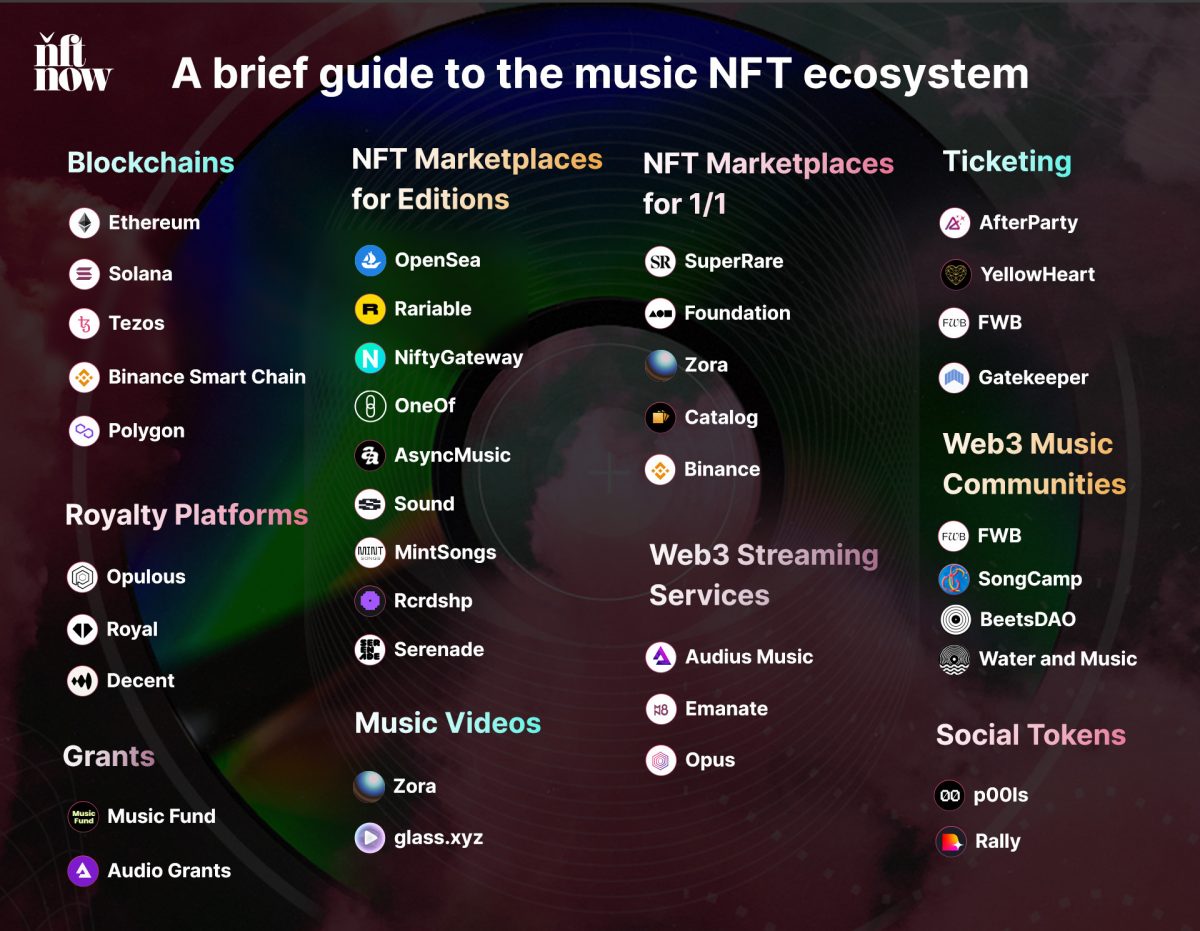
Key Highlights
- Innovative Monetization Models: Tokenization leverages blockchain to empower artists and redefine music royalties.
- Market and Technological Growth: Rising trends in digital ownership and decentralized finance create new revenue streams.
- Regulatory and Technical Challenges: Despite strong opportunities, navigating legal complexities and operational hurdles remains essential.
Market Opportunity for Music Tokenization
The current market environment is poised for disruption by innovative technologies, and music tokenization is at the forefront of that change. With the exponential growth of blockchain, decentralized finance (DeFi), and heightened interest in Web3, there is significant appetite within the music industry for new monetization models. Music tokenization involves converting music rights—be it royalty streams, exclusive content, or performance rights—into digital tokens that can be bought, sold, or traded on blockchain platforms. This novel transformation not only empowers artists but also grants fans and investors the opportunity to engage in new forms of ownership and investment.
Major factors contributing to the viability of a music tokenization company include:
- Empowering artists to control their intellectual property without relying on traditional intermediaries such as record labels.
- Increasing transparency, trust, and efficiency in royalty distribution through immutable blockchain-based records.
- Creating new revenue streams by allowing fans and investors to participate directly in the music ecosystem.
- Aligning with global trends toward digitization and democratizing access to financial opportunities.
Detailed SWOT Analysis
Strengths
Empowering Artists
One of the most promising aspects of music tokenization is its ability to revert control back to the artists. By bypassing traditional intermediaries, musicians can negotiate more favorable revenue streams and maintain a closer relationship with their fan base. Blockchain technology facilitates transparent and secure transactions, ensuring that every smart contract execution is traceable and immutable. This level of control not only enhances artistic freedom but rejuvenates the trust between creators and their audiences.
Transparency and Operational Efficiency
Blockchain’s transparent and decentralized ledger system enhances transactional integrity. Every sale, exchange, or transfer of tokens related to music rights is recorded securely, reducing instances of fraud and discrepancies, which have historically plagued the music industry. Artists can now have greater assurance that their royalties are paid out accurately, and investors can monitor the value of their investments in real time.
Innovation & Global Reach
The use of tokenization aligns with the transformative forces of Web3 and decentralized technologies. This innovative approach not only introduces new business models but also complements the rapidly evolving digital ownership landscape. As blockchain transcends geographical boundaries, music tokenization can cater to a global audience, facilitating cross-border investments and diversified revenue channels that extend beyond the traditional confines of the music industry.
Weaknesses
Market Education and Adoption Barriers
Despite its cutting-edge potential, music tokenization remains a relatively new concept to many artists and investors. The necessity to educate stakeholders about its benefits, technical nuances, and investment implications poses a significant challenge. A steep learning curve can potentially delay mass adoption until market participants become comfortable with blockchain-based systems.
Regulatory and Legal Complexities
Emerging regulatory frameworks for digital assets and blockchain technologies introduce an element of uncertainty. The evolving legal landscape might necessitate considerable investments in compliance and legal expertise. Any ambiguity regarding copyright, intellectual property, or financial securities regulations could complicate the tokenization process and potentially stifle market growth.
Technical and Infrastructure Hurdles
Developing a robust and secure technological platform to manage the tokenization process is no small feat. The technical complexity of setting up smart contracts, ensuring blockchain security, and maintaining uninterrupted service can be resource-intensive. In addition to development costs, ongoing operational expenses can strain financial resources, particularly during the early phases of the company's life cycle.
Opportunities
New Revenue Streams and Digital Investments
The transition towards decentralized finance and digital investments has unlocked several lucrative opportunities in various industries. Music tokenization stands to revolutionize royalty distribution by creating new revenue streams that were previously inaccessible. Fans and investors now have the capability to directly invest in music rights, and with token liquidity, market participants can benefit from secondary trading markets.
Partnerships and Strategic Collaborations
The prospect of forming alliances with technology providers, established music labels, and streaming platforms presents a fertile ground for growth. By strategically partnering with industry stakeholders, music tokenization companies can leverage existing networks to build credibility, drive awareness, and accelerate adoption.
Enhanced Fan Engagement and Exclusive Access
One of the most innovative prospects of music tokenization is the potential to offer exclusive content, limited-edition releases, and access to private events. This increases the depth of fan engagement, transforming passive listening experiences into active participation in an artist's career. Such fan-driven investment models can also lead to personalized artist-fan economies, nurturing loyalty and community support.
Threats
Regulatory Changes and Market Volatility
The regulatory framework governing digital assets is still in its infancy and subject to rapid changes. Regulatory crackdowns or unfavorable legislative outcomes could result in temporary market disruptions or long-term structural challenges. Additionally, the inherent volatility of cryptocurrency markets may lead to fluctuating token values, which could undermine investor confidence and negatively impact the overall usability of the platform.
Competitive Pressures from Established Entities
As tokenization proves its potential across various sectors, established players in the music and technology spaces may launch parallel initiatives. Competition from seasoned entities or unexpected entrants with significant financial backing poses a threat to market share. The navigation of intellectual property rights, especially in a rapidly advancing digital space, also induces potential legal disputes and could create barriers.
Technological Vulnerabilities and Security Concerns
Although blockchain technology offers inherent security benefits, it is not entirely immune to hacking or fraud. Security breaches in blockchain platforms can lead to significant reputational damage, financial losses, and a decline in user trust. Therefore, ensuring stringent security protocols and remaining proactive against technological threats is essential to sustaining confidence in the platform.
Integrated SWOT Analysis Table
| Category | Details |
|---|---|
| Strengths |
|
| Weaknesses |
|
| Opportunities |
|
| Threats |
|
Strategic Considerations for Success
Investment in Technology and Expertise
For a music tokenization company to emerge successfully, investing robustly in technical infrastructure and securing specialized expertise is non-negotiable. The complexity inherent in blockchain technology demands that the platform not only be secure but also scalable. The company should prioritize hiring experts in blockchain development, cyber security, and smart contract engineering. Concurrently, constant updates and audits of the technological systems are critical in preempting vulnerabilities and maintaining operational integrity.
Building Trust Through Transparency
One of the primary appeals of music tokenization lies in its promise of transparency. In a market that has often been criticized for opaque royalty distributions, offering a solution where every transaction is recorded on an immutable ledger gives both artists and investors added confidence. To leverage this strength fully, it is essential to design frameworks that not only are secure but also user-friendly, allowing stakeholders to verify transactions easily and in real-time.
Educating the Market
Educating both artists and potential investors about the benefits and mechanics of tokenization remains an integral part of the company’s strategy. Organized workshops, webinars, and detailed digital content can bridge the knowledge gap, thereby fostering greater adoption. These educational initiatives serve as a critical tool for demystifying complex technological concepts and demonstrating tangible benefits such as fair revenue distribution and increased creative autonomy.
Strategic Partnerships and Collaborations
Collaborations with industry giants, tech innovators, and influential music labels can considerably amplify market reach. By entering into strategic alliances, the company can harness shared expertise and extend its credibility across global markets. These partnerships could pave the way for innovative projects such as exclusive artist token releases, verified fan access events, and tailored investment instruments that further blend traditional music revenue models with emerging digital asset trends.
Market Projections and Future Trends
Projections indicate that the overall tokenization market is on a trajectory to substantially grow over the next decade, with industries including music set to benefit disproportionately. As digital transformation accelerates and decentralization reshapes asset management, the adoption of tokenization in music can be seen as both a natural progression and a disruptive innovation. Investors are increasingly viewing music rights as potential high-liquidity assets, and artists are exploring new models for engagement by leveraging their work as tangible digital properties.
As the market evolves, one can expect further integration of NFTs and interactive blockchain-based experiences, thereby continuously refining how music tokens are generated, traded, and utilized. Technological advancements combined with evolving consumer behavior are likely to further dissolve traditional barriers, enabling a seamless fusion between creative expression and financial empowerment.
References
- How Blockchain is Rewriting Music: Tokenization vs. NFTs Explained - Zoniqx
- Hot Narratives of 2025: The Key Trends - Republic Crypto
- From Stream to Token: Transforming Music Royalties with Blockchain Technology - Zoniqx
- Music Tokenization: A Breakthrough in the Music Industry - Resti
- Tokenizing Music: The Future of Artist Royalties in Web3 - Eric Dalius
Recommended Further Reading
 musicbusinessresearch.wordpress.com
Last updated March 8, 2025