
Understanding Meat Yield in Fresh Rope-Grown Mussels
A Detailed Exploration of Mussel Meat Percentages and Influencing Factors
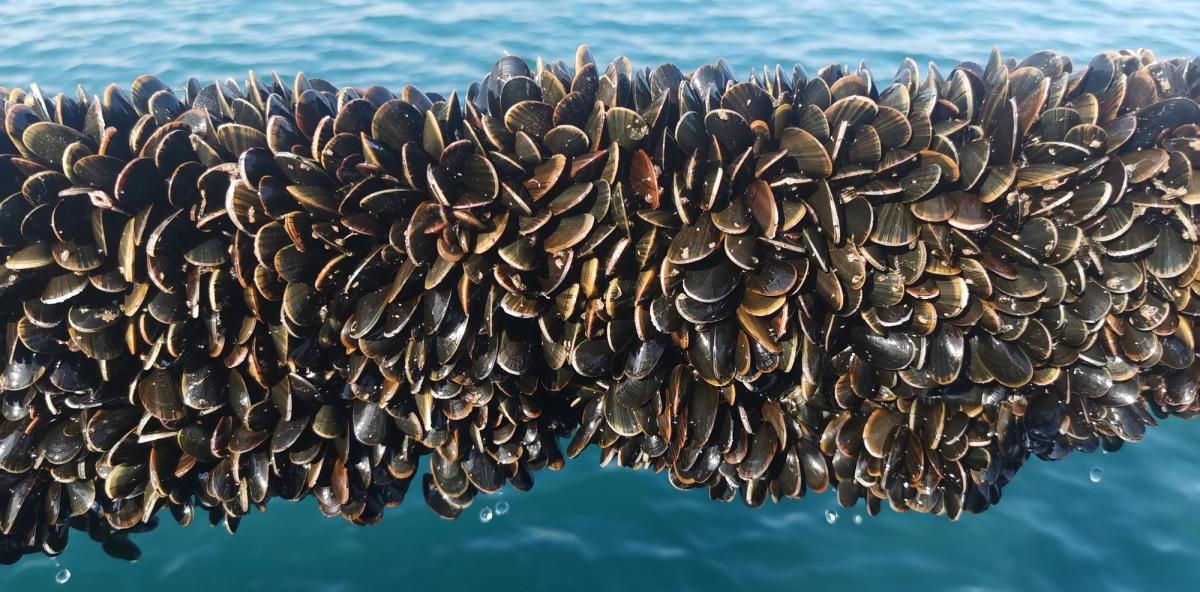
Key Insights
- Yield Range: Fresh rope-grown mussels can yield between 35% to 57% of their total weight in edible meat, depending on species, season, and cultivation practices.
- Optimal Estimates: In many cases, one kilogram of these mussels can provide roughly 500 grams of meat, although variation exists based on precise growing conditions.
- Influence of Conditions: Factors like harvest season, environmental conditions, and rope-growing techniques can significantly affect the meat yield.
Exploring the Meat Yield Percentage
Overview of Meat-to-Weight Ratio
The meat yield percentage in live mussels is a key metric for seafood producers and culinary enthusiasts alike. In rope-grown mussels, which benefit from off-bottom culture techniques, the ratio of edible meat to overall weight tends to be higher compared to mussels grown in beds or shallower waters.
Various studies and informal discussions have established that the meat yield can vary widely. The percentages often range from as low as 35% up to nearly 57%, with some types, like the New Zealand Green Lipped Mussel, reaching around 55%. However, the most common estimate for a kilo of fresh rope-grown mussels is approximately 500 grams of shellfish meat.
Factors Affecting the Yield
Several factors contribute to the amount of meat obtainable from rope-grown mussels:
Species Differences
Different mussel species naturally have varying proportions of meat to shell weight. For example, some species inherently contain a higher concentration of edible meat, while others serve as a good source of overall biomass due to their size.
Seasonal Variations
The period during which the mussels are harvested plays a critical role. In certain regions, like Scotland, the meat yield can vary seasonally – ranging from around 41% during the colder months to about 56% in warmer periods such as spring. Warmer seasons often promote better feeding conditions, leading to plumper mussels with a greater proportion of meat.
Cultivation Techniques
Rope-growing techniques are known for enhancing mussel quality. Cultivating mussels on ropes suspended in deeper, cleaner waters minimizes sediment contact and generally leads to a higher meat yield. This method allows mussels to benefit from better water circulation and abundant nutrient supply, resulting in meatier specimens.
Detailed Range and Practical Estimates
Quantitative Yield Estimates
When looking at a quantitative assessment, experts and seafood enthusiasts alike note that a kilogram of fresh rope-grown mussels usually produces between 350 and 600 grams of edible meat. While some sources posit a broad range to account for variable conditions, most practical estimates converge on a value very close to 500 grams.
This yield percentage is significant as it means that approximately half the weight of the mussels can be used as edible product. It is important to note that these values might vary slightly depending on the specific type of mussel and the precise environmental conditions at the time of harvest.
Comparing Different Methods of Cultivation
Comparing rope-grown mussels to those cultivated using other methods highlights the effectiveness of the rope technique. For instance:
| Cultivation Method | Typical Meat Yield (% of Live Weight) | Comments |
|---|---|---|
| Rope-Grown Mussels | 35-57% | High yield due to cleaner growth environments and better nutrient access. |
| Bed-Grown Mussels | 30-50% | Lower yield; exposure to sediment may reduce meat content. |
| Offshore Mussels | 40-55% | Often comparable to rope-grown; optimal water conditions are key. |
Influence of Environmental and Regional Factors
Regional Differences
The meat yield in rope-grown mussels may also differ regionally, based on local environmental conditions and farming practices. For example, Scottish mussels, when harvested in spring, generally exhibit a higher meat yield (around 56%), while Mediterranean varieties may have their own unique yield profiles, though the general trend remains similar.
These differences accentuate the fact that while a generic estimate can provide a guideline of around 500 grams per kilogram, local conditions, including water temperature, nutrient availability, and even the genetics of the mussel population, might shift this range marginally in either direction.
Environmental Impact on Mussel Quality
The cleanliness and clarity of the water in which mussels are grown are crucial. Rope-grown mussels are typically suspended in offshore waters, where there is minimal contact with the seabed. This reduces the amount of sand and other particulates sticking to the mussels, thereby increasing their overall edibility and meat content. In contrast, mussels grown on the seabed may carry more impurities, which can marginally lower the viable meat percentage.
Moreover, the rope-growing method reduces stress on the mussels, which in turn supports better growth patterns and meat accumulation. The improved metabolic environment provided by cleaner, nutrient-rich water enables the mussels to optimize their energy for growth, thereby leading to a higher yield of edible meat.
Practical Considerations and Culinary Implications
Culinary Usage
Understanding the meat yield of fresh rope-grown mussels is crucial for both commercial seafood providers and home cooks. For culinary purposes, knowing that approximately 500 grams of meat can be extracted from one kilogram allows chefs to plan recipes and serving sizes effectively. For instance, a standard serving might use around 200-250 grams of mussel meat, hence a kilogram could serve two to three people as a main course or more as part of a multi-dish spread.
Additionally, the high meat yield of these mussels makes them an attractive ingredient for gourmet dishes that require robust and flavorful protein content. Their plump and tender meat not only enhances the texture of the dish but also contributes significantly to the overall flavor profile. Chefs often source rope-grown mussels precisely because of this quality assurance.
Handling and Preparation Tips
When preparing rope-grown mussels, it is essential to handle them carefully to preserve as much meat as possible. The cleaning process involves scrubbing the shells to remove any barnacles or debris and ensuring that the mussels are alive and freshly harvested. Improper handling might lead to a loss of punches of the edible meat, affecting the overall yield when measured.
Additionally, cooking methods such as steaming help in retaining the natural juices and flavors of the mussels, ensuring that the meat remains tender and succulent. Culinary experts recommend keeping the cooking time minimal—just enough to open the shells—as prolonging cooking duration might result in tougher textures.
Scientific Considerations and Data Synthesis
Analyzing the Data
Statistical analysis and empirical observations from different regions have demonstrated that the meat yield of rope-grown mussels lies, on average, around the midpoint of the available range. For instance, a reference analysis indicates a meat-to-live-weight ratio ranging from approximately 35% to 57%, with more robust specimens often nearing the higher end of the range during peak seasons.
The following mathematical representation summarizes the calculation:
Using the average yield percentage \( \left(\frac{35\% + 57\%}{2}\right) \) yields an approximate value close to 46%, which when applied to a kilogram gives:
\( \displaystyle 1000 \text{ g} \times 0.46 = 460 \text{ g} \)
In practical culinary applications, however, when optimal growing conditions are met, a yield closer to 500 grams is commonly observed. This enhanced yield can be attributed to the superior environment provided by rope-growing methods.
Empirical Data Table
Below is an empirical table that consolidates information from multiple sources, summarizing the range of meat yields in different contexts:
| Source/Region | Yield Range (% of Live Weight) | Approximate Meat Yield (g per kg) |
|---|---|---|
| General Rope-Grown Mussels | 35-50% | 350-500 g |
| Optimal Conditions (e.g., New Zealand Green Lipped) | 52.8-57% | 520-570 g |
| Seasonal (Scottish Spring) | 41-56% | 410-560 g |
| General Practical Estimate | ~50% | ~500 g |
Holistic Perspective on Fresh Mussel Meat Yield
Synthesis of Research and Practical Knowledge
Drawing upon varied sources and empirical data, it is clear that the yield of edible meat from a kilogram of fresh rope-grown mussels is subject to multiple factors including species, cultivation method, and seasonality. Although yields can range from 350 grams to upwards of 570 grams, a practical, commonly accepted average is around 500 grams per kilogram.
This synthesis not only assists seafood buyers and culinary professionals but also aids in setting realistic expectations for the product’s quality and usability. For producers, optimizing the factors in cultivation such as using clean, nutrient-rich waters and ensuring minimal sediment contact is paramount to achieving higher yields. Traditional and modern aquaculture practices both contribute to our understanding of how best to cultivate mussels for maximum meat retention.
Economic and Environmental Considerations
The economic viability of mussel farming, especially using rope-grown methods, heavily relies on the proportional yield of edible meat. Higher yield percentages contribute to better profitability as more of the harvested biomass is marketable as food. Moreover, environmentally, rope-growing is seen as a sustainable method, leveraging the natural water filtration properties of mussels while causing minimal ecological disturbance.
Additionally, consumers are increasingly aware of the importance of sustainably sourced seafood. The rope-grown approach not only ensures a high-quality product but does so with reduced environmental impact, aligning with modern standards for sustainable aquaculture.
Practical Advice for Stakeholders
For Seafood Processors
Processors should note that while the average yield is around 500 grams per kilogram, slight variations require careful measurement during processing. Streamlined methods for cleaning and shucking mussels can minimize meat loss, thereby ensuring that the final yield remains as close to the optimal value as possible.
For Culinary Experts
Chefs and culinary professionals can capitalize on the robust meat yield by planning dishes that highlight the succulent texture and flavor of rope-grown mussels. Recipes that include minimal cooking times, such as steaming or quick sautéing, often help preserve the natural juices and tenderness of the mussel meat.
For Aquaculture Farmers
Farmers interested in maximizing meat yield should focus on optimizing their rope-growing techniques, including ensuring optimal water conditions and minimizing stress on the mussels. Investing in improved cultivation infrastructure can lead to consistently higher yields, translating into both economic and quality benefits.
References
- What is the Proportion of Edible Meat in Whole Live Mussels? - Cooking.StackExchange
- How Much Meat Is in a Mussel? - Savoteur
- Mussels: Production Techniques - FAO
- Mussel Meat Ratios - Sally Bernstein
- Determining How Much Meat is in a Pound of Mussels - MyFitnessPal
Recommended Related Queries
 raspberriesandtrumpets.blogspot.com
Last updated March 8, 2025