
Muzaffarpur Rape Case 2018
A Comprehensive Overview of the 2018 Muzaffarpur Shelter Home Tragedy
Key Takeaways
- Location and Operation: The incident occurred at a government-funded shelter home in Muzaffarpur, Bihar, operated by Sewa Sankalp Evam Vikas Samiti.
- Extent of Abuse: Out of 42 girls residing at the shelter, 34 were sexually abused, leading to widespread outrage and demand for justice.
- Legal Proceedings: The case was investigated by the Central Bureau of Investigation (CBI), resulting in the conviction of 19 individuals, including the shelter's owner.
Introduction
The Muzaffarpur rape case of 2018 is one of the most harrowing instances of systemic sexual abuse within a shelter home in India. Located in Muzaffarpur district of Bihar, this case exposed significant lapses in the oversight and administration of facilities meant to protect vulnerable girls. The incident not only highlighted the dire need for stringent monitoring of such institutions but also underscored the societal and legal challenges in combating sexual abuse.
Location and Operational Details
Geographical Context
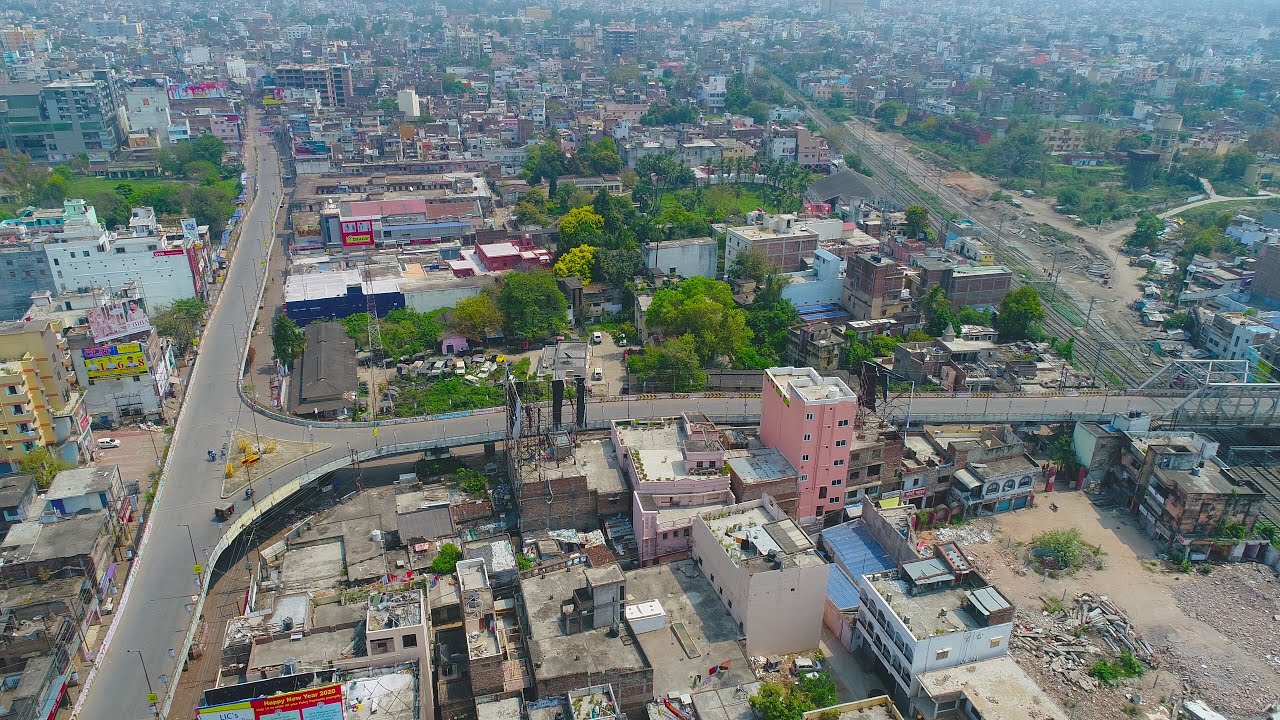
Muzaffarpur is a significant district in the state of Bihar, India. It is known for its educational institutions and cultural heritage. However, the 2018 rape case brought negative attention to the district, revealing critical issues within its social support systems.
Shelter Home Specifications
The shelter home, known as Balika Grih, was located on Sahu Road in Muzaffarpur. It was operated by the non-governmental organization (NGO) Sewa Sankalp Evam Vikas Samiti. The facility was government-funded and intended to provide a safe haven for minor girls requiring shelter and support.
Ownership and Management
The shelter was owned and managed by Brajesh Thakur, who played a central role in the administration of the facility. Under his leadership, the shelter was expected to adhere to standards of care and protection for its residents.
Extent and Nature of Abuse
Discovery of Abuse
The widespread sexual abuse at the shelter home came to light following a social audit conducted by the Tata Institute of Social Sciences (TISS) in February 2018. The audit revealed alarming levels of misconduct and abuse, prompting immediate action.
Victim Profile
Out of the 42 girls residing at the shelter, 34 were victims of sexual assault and abuse. These young girls were subjected to varying degrees of violence, exploitation, and neglect, leading to severe psychological and physical trauma.
Methodology of Abuse
The abuse was systematic and perpetrated by multiple individuals within the shelter. This included the shelter owner, staff members, and other affiliated individuals who exploited their positions of power to commit heinous crimes against the minors under their care.
Investigation and Legal Proceedings
Initial Response and FIR Lodging
Following the TISS report, a First Information Report (FIR) was lodged on May 31, 2018, against 12 individuals, including Brajesh Thakur. The initial investigation highlighted substantial evidence of sexual abuse and prompted a broader inquiry.
Role of Central Bureau of Investigation
Due to the gravity of the case and potential mishandling at the local level, the investigation was transferred to the Central Bureau of Investigation (CBI). The CBI conducted an exhaustive probe, gathering testimonies, forensic evidence, and corroborating the testimonies of the victims.
Court Proceedings and Convictions
On January 20, 2020, a special court in Delhi delivered its verdict, convicting 19 individuals, including Brajesh Thakur, on charges of rape, criminal conspiracy, and other related offences. The court sentenced them to life imprisonment, marking a significant moment in the fight against sexual abuse in institutional settings.
Societal and Institutional Impact
Public Outrage and Demand for Justice
The revelation of the abuse at the shelter home sparked widespread public outrage, leading to increased scrutiny of similar institutions across the country. There was a massive demand for stricter regulations, better oversight mechanisms, and accountability to prevent such incidents in the future.
Policy Reforms and Recommendations
In the aftermath of the case, policymakers and activists pushed for comprehensive reforms in child welfare systems. Recommendations included regular audits of shelter homes, mandatory training for staff on child protection, and the establishment of independent bodies to oversee the functioning of such institutions.
Psychological and Social Support for Survivors
The case highlighted the urgent need for robust psychological and social support systems for survivors of sexual abuse. Efforts were made to provide counseling, rehabilitation, and reintegration programs to help the victims recover and rebuild their lives.
Preventive Measures and Future Outlook
Strengthening Institutional Frameworks
To prevent recurrence of such atrocities, there has been an emphasis on strengthening institutional frameworks governing shelter homes. This includes stricter licensing norms, enhanced regulatory audits, and the introduction of whistleblower policies to encourage reporting of misconduct.
Community Awareness and Education
Raising community awareness about the rights of minors and the mechanisms for reporting abuse has been pivotal. Educational programs aimed at empowering potential victims and informing them about their rights have been implemented to foster a safer environment.
Technological Interventions
Technology has been leveraged to improve monitoring and reporting systems within shelter homes. Implementation of digital records, surveillance systems, and anonymous reporting platforms have been introduced to enhance transparency and accountability.
Detailed Overview of the Muzaffarpur Rape Case
The Muzaffarpur rape case serves as a grim reminder of the vulnerabilities faced by minors in institutional care. The systematic failure to protect these young girls underscores the need for constant vigilance, robust legal frameworks, and societal commitment to safeguarding the rights of the most vulnerable.
| Aspect | Details |
|---|---|
| Location | Sahu Road, Muzaffarpur, Bihar, India |
| Operating NGO | Sewa Sankalp Evam Vikas Samiti |
| Owner | Brajesh Thakur |
| Number of Victims | 34 out of 42 girls |
| Year of Incident | 2018 |
| Investigating Agency | Central Bureau of Investigation (CBI) |
| Convictions | 19 individuals including Brajesh Thakur |
| Sentence | Life Imprisonment |
Conclusion
The Muzaffarpur rape case of 2018 stands as a stark illustration of the potential for abuse within institutional settings, especially those entrusted with the care of vulnerable populations. The subsequent legal actions and societal responses have paved the way for critical discussions on child protection, institutional accountability, and the necessary reforms to prevent such tragedies in the future. It underscores the imperative for continuous oversight, community involvement, and unwavering commitment to the protection and well-being of minors.
References
Last updated February 15, 2025