
Roles of Mycorrhizal Fungi in Seedling Development
Exploring how different mycorrhizal types shape plant establishment
Key Highlights
- Distinct Functional Mechanisms: Different fungal types engage in unique strategies for nutrient acquisition and plant support.
- Environmental Adaptation and Tolerance: Variations in drought resistance, pathogen protection, and habitat adaptability are pivotal in seedling development.
- Symbiotic Interactions: The intricate balance of host-plant and fungal interactions defines early growth, establishment, and survival.
Understanding Mycorrhizal Associations
Mycorrhizal fungi establish symbiotic relationships with plants, fundamentally contributing to the growth, survival, and ecological success of seedlings. These associations are not uniform; rather, they vary profoundly among different types of mycorrhizae. Frequently encountered groups include arbuscular mycorrhizal (AM) fungi, ectomycorrhizal (EM) fungi, orchid mycorrhizal (OM) fungi, and ericoid mycorrhizal (ErM) fungi. Each group exhibits distinct structural, physiological, and ecological characteristics that tailor their contributions to seedling development.
Arbuscular Mycorrhizal (AM) Fungi
Mechanisms of Interaction
Arbuscular mycorrhizal fungi are the most widespread group, associating with over 80% of terrestrial plants. Their remarkable success is partly due to their ability to penetrate host plant root cells and form intricate structures known as arbuscules. These structures are the critical sites of nutrient exchange, particularly phosphorus, which is often a limiting nutrient in soils. The arbuscules facilitate an efficient bidirectional transfer of resources: the fungi deliver essential nutrients and water while receiving carbohydrates produced through photosynthesis by the host plant.
Role in Seedling Development
Seedlings benefit greatly from the colonization by AM fungi—this partnership enhances early root development, increases nutrient availability, and improves water uptake. This is crucial during the formative stages when seedlings are particularly vulnerable. Enhanced nutrient acquisition provided by these fungi not only bolsters rapid biomass production but also aids the plant in adapting to unsuitable or nutrient-poor soils. Additionally, by promoting soil aggregate formation, AM fungi indirectly improve soil structure and water retention, further supporting seedling establishment.
Ectomycorrhizal (EM) Fungi
Structural and Functional Characteristics
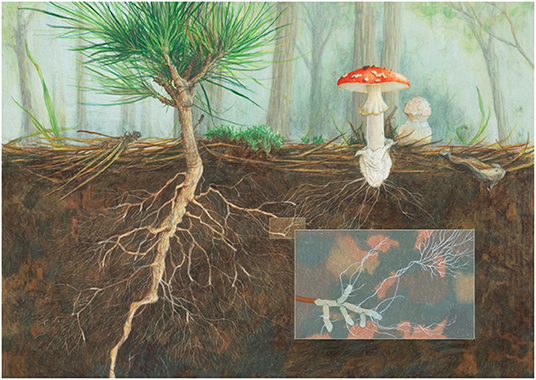
Ectomycorrhizal fungi differ significantly from AM fungi in that they do not penetrate individual root cells but rather form a sheath or mantle around the roots. This is accompanied by the development of a Hartig net between the root cells, through which nutrient exchanges occur. EM fungi are particularly prevalent in association with trees and certain shrubs, most commonly found in temperate and boreal forests. They facilitate the uptake of nutrients such as nitrogen and phosphorus, and these actions are complemented by their ability to buffer plants against environmental stresses.
Benefits to Host Seedlings
The influence of ectomycorrhizal fungi on seedling development is multifaceted. These fungi significantly enhance growth by increasing root surface area, which permits an expansive exploration of the soil microenvironment. Some studies have noted that seedling growth can increase by as much as 400 percent when EM fungi are present. This impressive boost in growth is not simply a result of improved nutrient acquisition but also a reflection of increased drought resistance—a crucial trait in areas with variable water availability. Furthermore, the physical barrier created by the fungal mantle can serve as a protective shield against soil-borne pathogens, reducing the risk of infections that would otherwise compromise seedling health.
Orchid Mycorrhizal (OM) Fungi
The Unique Challenge of Orchid Germination
Orchid seeds are uniquely challenging in that they are minute and contain almost no nutrient reserves. This dependency on fungal assistance is absolute; without a mycorrhizal partner, germination and subsequent seedling development would not be possible. Orchid mycorrhizal fungi penetrate the seed coat and initiate the breakdown of stored compounds, converting them into usable resources for the emerging embryo. This highly specialized form of symbiosis is essential not merely for nutritional purposes but also for triggering developmental processes that otherwise would not occur in the fragile orchid seed.
Implications for Seedling Establishment
The reliance of orchids on OM fungi demonstrates a critical aspect of mutualistic relationships in nature. Once germination is initiated by the fungal partner, the fungi continue to play a role in the seedling's nutrient supply, sustaining growth until the plant is capable of independent photosynthesis. This process ensures that even plants with extremely limited initial nutritional content can progress through early developmental stages and eventually establish themselves.
Ericoid Mycorrhizal (ErM) Fungi
Specialized Adaptations for Acidic Environments
Ericoid mycorrhizal fungi form symbiotic associations particularly with members of the Ericaceae family, which include important plants like blueberries, cranberries, and rhododendrons. These plants frequently encounter acidic and nutrient-poor soil conditions. Ericoid fungi are uniquely adapted to thrive in such environments by mobilizing nitrogen and phosphorus, two nutrients that are otherwise locked in unavailable forms in acidic soils.
Support for Seedling Development
The role of ErM fungi in seedling development revolves around their ability to exploit recalcitrant nutrient pools and make these nutrients bioavailable to the host plant. This capability not only improves the nutritional status of the seedling but also increases its resistance to the stresses imposed by acidic soil conditions. As a result, seedlings associated with ErM fungi are better equipped to establish themselves in challenging ecosystems, where other plants might struggle to obtain sufficient nutrition.
Comparative Analysis of Mycorrhizal Types
Summary Table of Key Features
| Feature | Arbuscular Mycorrhizal (AM) | Ectomycorrhizal (EM) | Orchid Mycorrhizal (OM) | Ericoid Mycorrhizal (ErM) |
|---|---|---|---|---|
| Structural Integration | Intracellular colonization; formation of arbuscules | Extracellular mantle and Hartig net formation | Essential penetration for seed germination | Fungal hyphae adapted to acidic soils |
| Nutrient Uptake | Efficient phosphorus acquisition and nutrient exchange | Enhanced nitrogen and phosphorus uptake | Breakdown of seed compounds to initiate germination | Mobilization of nutrients in acidic environments |
| Environmental Resilience | Improved drought and stress tolerance | Increased drought resistance and pathogen protection | Critical for the survival of germinating seeds | Tolerance of low-pH and nutrient deprivation |
| Host Range | Broad host range (~80% of vascular plants) | Primarily trees and shrubs | Exclusively orchids | Ericaceae species |
| Impact on Growth | Enhanced root development and biomass | Potential 400% increase in seedling growth | Enables initial germination and subsequent nutrition supply | Enables establishment in challenging soil conditions |
Mechanisms Driving Variability Among Mycorrhizal Types
Nutrient Acquisition Strategies
One of the primary mechanisms through which mycorrhizal fungi influence host seedling development is their varied approach to nutrient uptake. AM fungi excel in solubilizing and transporting phosphorus via highly branched arbuscules embedded within the root cells. In contrast, EM fungi wrap around roots to create a protective layer that also facilitates the uptake of other nutrients, including nitrogen. This difference in strategy results in distinctive soil exploitation patterns, where each fungal group optimally leverages the soil chemistry and structure. Essentially, the appropriate fungal partner is often a reflection of the specific nutrient limitations the host plant faces.
Stress Tolerance and Pathogen Defense
Mycorrhizal fungi also play pivotal roles in enhancing the resistance of seedlings to environmental stresses. Weather extremes, drought conditions, and pathogen invasions can jeopardize young plants, yet the mutualistic associations between mycorrhizal fungi and host roots help mitigate these risks. By increasing root surface area and enhancing water transport, these fungi improve a seedling's drought tolerance. Moreover, the physical barriers formed by ectomycorrhizal mantles deter pathogen colonization, while biochemical signals induced by fungal partners can trigger improved immune responses in the host plant. Thus, the type of mycorrhizal association not only influences nutrient efficiency but also integrates plant defense mechanisms essential for survival in diverse environments.
Host-Specific Interactions
The host specificity observed among different mycorrhizal fungi further defines their roles. For instance, whereas AM fungi display a low degree of host specificity and can associate with a wide range of plant species, ectomycorrhizal fungi and orchid mycorrhizal fungi often exhibit a higher degree of specificity, aligning with the evolutionary histories of their plant partners. This specificity allows for finely tuned developmental processes: orchids rely on OM fungi to break seed dormancy and initiate organic compound mobilization, while trees and shrubs form more generalized partnerships with EM fungi that bolster growth and environmental resistance. These host-specific interactions underscore the importance of matching the right mycorrhizal type to the plant's ecological requirements and developmental stage.
Implications for Agriculture and Forestry
Practical Applications in Seedling Cultivation
The insights into mycorrhizal functions have significant implications for modern agriculture and forestry management. Agricultural practices increasingly incorporate strategies for inoculating seedlings with specific mycorrhizal fungi to maximize nutrient uptake, increase growth rates, and enhance stress resistance. By leveraging the distinct strengths of each mycorrhizal type, farmers and foresters can tailor their approaches based on the soil conditions, plant species, and environmental challenges. For example, in nutrient-poor or drought-prone areas, the inoculation with AM fungi may serve as an effective measure to boost early growth and improve water retention, whereas forest nurseries might rely on EM fungi for robust tree seedling development and pathogen protection.
Ecological and Sustainable Benefits
Beyond agriculture, the ecological benefits of mycorrhizal associations extend to reforestation and habitat restoration projects. The fungal support system not only fosters rapid seedling establishment but also contributes to overall ecosystem health. Healthy mycorrhizal networks enhance soil structure, promote biodiversity, and mitigate erosion. As such, incorporating mycorrhizal inoculation in restoration practices can lead to more resilient and sustainable ecosystems—especially in areas where natural recovery processes may be lagging due to adverse soil conditions or climate change pressures.
Integration of Research and Practical Insights
Research Evidence and Observations
The roles of mycorrhizal fungi in seedling development are supported by extensive research. Studies have shown that the enhancement of nutrient uptake by mycorrhizal fungi translates into tangible benefits such as increased biomass and improved drought resistance. Research comparisons have highlighted that seedlings colonized by different types of mycorrhizal fungi respond variably: AM fungi predominantly improve phosphorus uptake and root architecture, while EM fungi provide a broader nutrient exchange coupled with pathogen suppression. Furthermore, the specialized associations seen in orchid and ericoid mycorrhizas emphasize how fungal symbioses can be critical for plant survival in niches where nutrient availability is extremely limited.
Practical Case Examples
Field applications and controlled experiments alike have demonstrated that seedling inoculation with mycorrhizal fungi can dramatically improve survival rates and overall plant vigor. In forestry, for example, the inoculation of conifer seedlings with ectomycorrhizal fungi led to notable improvements in growth metrics and stress resistance. Similarly, agricultural trials have shown that crops treated with arbuscular mycorrhizal fungi exhibit better nutrient uptake, resulting in higher yields and greater resilience to drought. These case examples underscore the practical benefits of utilizing mycorrhizal associations not only for individual plant health but also for more extensive agroecosystem and reforestation projects.
Real-World Impact and Future Prospects
The Role in Climate Change Adaptation
As climate change intensifies, ecosystems face increasing levels of stress, making the role of mycorrhizal fungi even more critical. Seedlings inoculated with the appropriate mycorrhizal partners are better equipped to adapt to extremes in temperature, water availability, and shifts in soil chemistry. The functional diversity of these symbiotic relationships offers a natural buffer against environmental variability, aiding plants in maintaining stable growth and productivity. The ability of mycorrhizal fungi to enhance drought tolerance and promote nutrient cycling plays a significant role in climate adaptation strategies. By integrating mycorrhizal inoculation into reforestation and sustainable agriculture practices, land managers can help mitigate the adverse effects of climate change on plant communities.
Emerging Research Trends
Future research aims to further explore the genetic and molecular mechanisms behind mycorrhizal associations. Insights into host-fungal recognition, signal transduction, and the regulation of nutrient exchange are poised to revolutionize how we approach plant biology and ecosystem management. Advances in genomics and bioinformatics are already uncovering the diversity within each group, offering a more nuanced understanding of how different strains of mycorrhizal fungi may be optimized for specific environmental conditions. This deepening body of research not only reinforces the established benefits of mycorrhizal symbiosis in seedling development but also promises innovative applications in biotechnology and sustainable agriculture. Such emerging trends will likely lead to more targeted inoculation methods, ensuring that plants receive the most suitable fungal partners for optimal growth and resilience.
References
- The Role of Mycorrhizae in Seedling Growth and Health - HusFarm
-
Plant Science Article - Frontiers in Plant Science
- Science Article on Mycorrhiza - Science
-
Research on Mycorrhizal Interactions - ScienceDirect
-
NCBI Article on Mycorrhizae - PubMed Central
Recommended Related Queries
Last updated March 13, 2025