
Diverse Roles of Mycorrhizal Fungi in Seedling Development
Exploring how different mycorrhizal associations shape plant growth and resilience
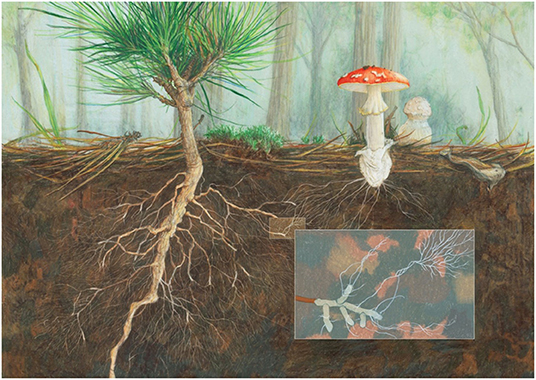
Key Insights
- Distinct Symbiotic Mechanisms: Different mycorrhizal types establish unique relationships with plant roots that optimize nutrient and water uptake.
- Seedling Growth Enhancement: Mycorrhizal fungi boost seedling development by improving nutrient absorption, pathogen resistance, and stress tolerance.
- Environmental Adaptability: Each mycorrhizal association responds differently to soil fertility, moisture, and light conditions, playing a critical role in ecological resilience.
Overview of Mycorrhizal Associations
Mycorrhizal fungi form mutualistic symbiotic associations with plant roots, a relationship crucial for the successful growth and development of host seedlings. Such associations not only facilitate the uptake of essential nutrients and water but also bolster the seedlings' defense mechanisms against pathogens and environmental stresses. The four primary mycorrhizal types – arbuscular, ectomycorrhizal, orchid, and ericoid – each play unique roles in seedling development, reflecting the intricate interplay between plants and fungi in diverse ecosystems.
Arbuscular Mycorrhizal Fungi (AMF)
Symbiotic Mechanisms and Benefits
Arbuscular mycorrhizal fungi (AMF) establish a relationship with approximately 90% of terrestrial plants. The fungi penetrate the cortical cells of the root, forming highly branched, tree-like structures known as arbuscules, which are essential for nutrient exchange. These structures substantially increase the effective surface area of roots, allowing seedlings to absorb more phosphorus, a nutrient commonly limiting in soils, as well as other minerals like nitrogen and trace elements.
Beyond nutrient enhancement, AMF also contribute to improved water uptake by expanding the root’s accessible absorptive zone. Additionally, the AMF network in the soil contributes to structural improvements, such as soil aggregation, which enhances moisture retention and overall soil health. These functions are pivotal during the early stages of seedling development when nutrient accessibility and water availability can determine survival and growth outcomes.
Ectomycorrhizal Fungi (EMF)
Nutrient Acquisition and Stress Mitigation
Ectomycorrhizal fungi are primarily associated with woody plants and forest trees. Unlike AMF, EMF do not typically penetrate the root cells but instead form a dense network around the roots, creating the Hartig net. This network acts as a mediator for nutrient and water exchange between the soil and the plant. EMF significantly enhance the uptake of vital nutrients such as phosphorus and nitrogen, even in nutrient-impoverished soils.
One of the most critical functions of EMF involves bolstering the seedling's ability to withstand environmental stresses. In conditions where water is scarce or pathogens threaten the roots, the presence of EMF can be decisive for seedling survival. The EMF sheath around the roots provides a physical barrier to pathogen entry and creates conditions that impede the activity of harmful microbes, thereby contributing to an improved overall plant health profile.
Orchid Mycorrhizal Fungi
Essential Role in Orchid Germination and Growth
Orchids depend almost exclusively on mycorrhizal partners for seed germination and seedling development. Orchid seeds are microscopic and do not contain significant nutritional reserves, which necessitates a symbiotic relationship to initiate germination. Orchid mycorrhizal fungi supply the carbohydrate reserves and other nutrients required to jump-start the seedling’s development.
Once germination has successfully occurred, the symbiotic association continues to support the orchid seedling by providing nutrients, thereby sustaining a slow but steady growth process. This unique dependency for nutrient transfer underscores the specialized nature of the orchid-fungal symbiosis and its importance in the rich biodiversity of many forest understoreys.
Ericoid Mycorrhizal Fungi
Adaptation to Acidic and Nutrient-Poor Soils
Ericoid mycorrhizal fungi associate primarily with plants of the Ericaceae family, including heaths and blueberries, which often inhabit acidic and nutrient-deficient soils. These fungi are adept at mobilizing nutrients such as nitrogen and phosphorus from complex organic compounds in these challenging soil environments. As a result, ericoid mycorrhizal fungi significantly enhance seedling establishment and survival by overcoming the nutrient limitations that would otherwise hinder growth.
This relationship is particularly significant in habitats where soil acidity and nutrient scarcity limit plant development. The fungi help detoxify the soil environment and facilitate a level of nutrient uptake that would be impossible through conventional root mechanisms alone. Thus, the symbiosis between ericoid mycorrhizal fungi and their host plants is fundamental to maintaining the diversity and resilience of ecosystems with extreme soil conditions.
Mechanisms Enhancing Seedling Development
The multiple roles played by mycorrhizal fungi in seedling development are rooted in their intricate mechanisms of interaction with plant roots. The following sections outline the key processes that underpin this beneficial symbiosis.
Enhanced Nutrient Absorption
Increased Root Surface Area
In all mycorrhizal relationships, one fundamental benefit is the significant increase in the effective root surface area. The fungal hyphae extend far beyond the physical boundaries of the plant’s root system, reaching deeper and broader into the soil. This enhanced spatial reach allows seedlings access to an extensive reservoir of nutrients that may be otherwise inaccessible. In many cases, these nutrients—especially phosphorus, a nutrient critical for energy transfer and genetic processes in plants—become more available, directly influencing the early developmental stages of the seedling.
Transport and Uptake of Essential Nutrients
Mycorrhizal fungi not only increase surface area but also contain specialized mechanisms to solubilize and transport nutrients. For example, enzymes secreted by the fungi can break down otherwise unavailable forms of phosphorus, rendering them accessible to the plant. In turn, this increases the overall growth rate and biomass of the seedling, ensuring robust development even in nutrient-poor environments.
Improved Water Uptake and Drought Resistance
Water and Soil Structure Enhancement
In addition to nutrient absorption, the expansive network of mycorrhizal hyphae is highly effective in capturing and transporting water. This enhanced water uptake is particularly crucial under drought conditions, where seedlings may otherwise face dehydration and stress. The presence of mycorrhizal fungi creates microenvironments in the soil that retain moisture, thereby acting as a buffer during periods of water scarcity.
This buffering effect is compounded by improvements in soil structure due to the activity of fungal hyphae. By promoting soil aggregation, mycorrhizae improve water retention and facilitate a more efficient transfer of moisture to the plant roots, directly enhancing seedling resilience in adverse weather conditions.
Protection Against Pathogens
Biological Shielding and Competition
Beyond serving as conduits for nutrients and water, mycorrhizal fungi offer a protective effect against soil-borne pathogens. The physical presence of fungal networks and the biochemical compounds they secrete can inhibit the colonization and proliferation of harmful microbes. This biological shielding improves the plant’s defense mechanisms, substantially reducing the incidence of disease during the crucial early stages of seedling development.
This protective role is multifaceted. In some instances, the fungi act as competitive agents by outcompeting pathogenic organisms for space and resources in the rhizosphere. In other instances, they may directly produce antifungal compounds that deter pathogens from establishing themselves near the roots. Such mechanisms are indispensable for seedlings that are especially vulnerable due to their underdeveloped immune responses.
Comparative Analysis through a Table
| Mycorrhizal Type | Primary Role in Seedling Development | Key Mechanisms | Environmental Adaptation |
|---|---|---|---|
| Arbuscular Mycorrhizal Fungi (AMF) | Enhancing nutrient & water uptake | Formation of arbuscules; extended hyphal networks | Adaptable to various ecosystems; improves soil structure |
| Ectomycorrhizal Fungi (EMF) | Facilitating nutrient exchange for trees | Hartig net formation; external hyphal sheath | Improved drought and pathogen resistance; effective in nutrient-poor soils |
| Orchid Mycorrhizal Fungi | Essential for seed germination and nutrient provision | Symbiotic nutrient transfer during early growth | Highly specialized; critical for orchid survival |
| Ericoid Mycorrhizal Fungi | Enabling nutrient acquisition in acidic soils | Release of enzymes to mobilize nutrients; detoxification of soil | Thrives in nutrient-deficient, acidic environments |
Ecological Implications and Practical Applications
Understanding the roles of mycorrhizal fungi in seedling development is not just an academic exercise; it has significant ecological and practical applications. In natural ecosystems, mycorrhizal relationships are pivotal for the regeneration of forests, restoration of degraded lands, and maintenance of biodiversity. Seedlings that benefit from the symbiosis are better equipped to cope with environmental challenges, compete effectively for resources, and ultimately, contribute toward healthier and more resilient ecosystems.
In agriculture and forestry, harnessing the potential of these fungi can lead to improved crop yields, enhanced resistance to pests and diseases, and reduced dependency on chemical fertilizers. For instance, inoculating seedlings with specific mycorrhizal fungi tailored to the soil and climatic conditions can optimize nutrient pathways and fortify plants against anticipated stressors such as drought or pathogen outbreaks. Such approaches are increasingly important in the context of sustainable agriculture and ecological restoration.
Implementation in Nursery Practices
Inoculation Techniques
Plant nurseries and restoration projects increasingly use mycorrhizal inoculation to ensure successful seedling establishment. In these practices, a distribution of beneficial fungi is applied directly to the soil or seedling roots during the propagation process. The specific choice of inoculum, whether it be AMF for wide-ranging crops or EMF for forest trees, depends upon both the plant species and the existing soil conditions. Such precision not only improves survival rates but also accelerates the early growth phases, leading to robust young plants that are more adaptable to subsequent transplanting and field conditions.
Long-Term Ecosystem Benefits
By investing in mycorrhizal symbiosis at the nursery stage, practitioners can create an ecosystem-wide ripple effect. Well-established, mycorrhiza-rich seedlings contribute to more stable nutrient cycles, enhanced microbial diversity, and improved overall soil health once transplanted. Over time, these advantages lead to ecosystems that are more resilient to climate change, disease outbreaks, and other environmental stresses.
Scientific and Ecological Research Directions
Ongoing research into mycorrhizal associations continues to provide new insights into the mechanisms of partner selection, the genetic basis for symbiotic interaction, and the ecological consequences of these relationships. Current studies explore how the diversity within AMF populations, for example, can influence the overall response of seedlings under various environmental stresses. Similarly, research into the specialized interactions between orchid seeds and their fungal partners continues to uncover details crucial for preserving rare and endangered orchid species.
Furthermore, ecological research emphasizes the critical role that mycorrhizal fungi play in mediating the effects of climate change. As global temperatures shift and weather patterns become increasingly unpredictable, the enhanced water and nutrient uptake provided by these fungi can help buffer the negative impacts of these changes. Their capacity to improve soil health and plant resilience makes mycorrhizal research a key component of conservation biology and sustainable ecosystem management.
References
- Mycorrhizae Influence Forest Productivity - CID Inc
- Role of Mycorrhizal Fungi in Soil Health - Nature Select
- Mycorrhiza - PNWHandbooks
- Roles of Mycorrhizae in Seedling Growth and Health - Husfarm
-
Mycorrhiza in Orchid Development - PubMed Central
Recommended Related Queries
Last updated March 13, 2025