
Is It Safe to Take a NAC Supplement for Someone with MS and RA?
Evaluating the Use of N-Acetylcysteine with Methotrexate and Ruxience Treatments
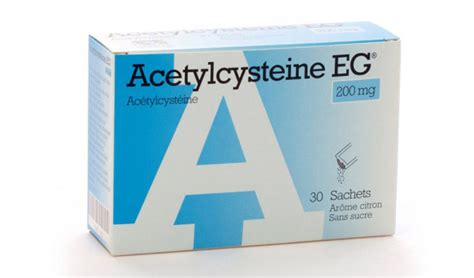
Key Takeaways
- Consult Your Healthcare Provider: Always seek professional medical advice before adding NAC to your regimen.
- Potential Antioxidant Benefits: NAC may help reduce oxidative stress and inflammation associated with MS and RA.
- Monitor for Interactions and Side Effects: Ensure regular monitoring to prevent potential interactions with existing medications.
Introduction to N-Acetylcysteine (NAC)
N-Acetylcysteine (NAC) is a supplement renowned for its antioxidant and anti-inflammatory properties. As a precursor to glutathione, one of the body's most potent antioxidants, NAC plays a crucial role in maintaining cellular health by combating oxidative stress and neutralizing free radicals. These properties make NAC a subject of interest for individuals managing autoimmune conditions such as Multiple Sclerosis (MS) and Rheumatoid Arthritis (RA).
Understanding Multiple Sclerosis (MS) and Rheumatoid Arthritis (RA)
Multiple Sclerosis (MS) is a chronic autoimmune disease affecting the central nervous system, leading to a range of neurological symptoms including fatigue, mobility issues, and cognitive impairments. Rheumatoid Arthritis (RA), on the other hand, is an autoimmune disorder that primarily targets the joints, causing inflammation, pain, and potential joint deformity. Both conditions are characterized by heightened inflammatory responses and increased oxidative stress, making antioxidant therapies a potential complementary treatment avenue.
Potential Benefits of NAC for MS and RA
1. Antioxidant and Anti-inflammatory Effects
Both MS and RA involve chronic inflammation and elevated oxidative stress, which contribute to disease progression and symptom severity. NAC enhances the production of glutathione, thereby increasing the body's antioxidant capacity. This boost in antioxidants can help neutralize free radicals and reduce inflammation, potentially alleviating some of the adverse effects associated with these autoimmune conditions.
2. Neuroprotective Properties
In the context of MS, NAC's ability to bolster glutathione levels may offer neuroprotective benefits. By mitigating oxidative damage to neurons, NAC could help preserve neurological function and slow the progression of neurodegenerative aspects of MS. This protective effect is crucial for maintaining the integrity of the central nervous system and preventing debilitating neurological decline.
3. Enhanced Metabolic Activity
Emerging research indicates that NAC supplementation may improve metabolic activity in brain regions affected by MS. Improved metabolic function can support cognitive health and overall brain performance, potentially counteracting some cognitive deficits associated with MS. Additionally, enhanced metabolism can contribute to better energy levels and reduced fatigue, common symptoms in both MS and RA patients.
Safety Considerations with Current Medications
1. Interaction with Methotrexate
Methotrexate is a cornerstone treatment for RA due to its immunosuppressive and anti-inflammatory effects. However, methotrexate is associated with potential side effects, including liver toxicity and nephrotoxicity. NAC has been studied for its protective effects against methotrexate-induced liver damage by reducing oxidative stress. While this interaction suggests a potential protective role for NAC, it also necessitates careful medical supervision to ensure that NAC does not interfere with the therapeutic efficacy of methotrexate.
2. Interaction with Ruxience (Rituximab)
Ruxience (rituximab) is a monoclonal antibody used to treat autoimmune conditions by targeting CD20-positive B cells. There is currently no direct evidence indicating adverse interactions between NAC and rituximab. However, given that both NAC and rituximab can modulate immune function, their combined effects should be closely monitored. It's essential to ensure that NAC does not diminish the efficacy of rituximab or exacerbate immunosuppression beyond intended therapeutic levels.
3. General Safety of NAC
NAC is generally considered safe for most adults when taken at recommended doses. Common side effects include gastrointestinal disturbances such as nausea, vomiting, diarrhea, and constipation. High doses or prolonged use of NAC may pose additional risks, particularly in individuals with pre-existing health conditions like liver or kidney disease. Therefore, initiating NAC supplementation should involve a comprehensive evaluation of your overall health status.
4. Dosage and Administration
The typical dosage range for NAC supplementation varies from 600 mg to 1,800 mg daily, depending on the condition being addressed. For autoimmune conditions like MS and RA, dosages within this range have been studied, but individual needs may vary. Starting at the lower end of the dosage spectrum and gradually increasing under medical supervision can help minimize potential side effects and ascertain tolerance levels.
5. Combined Therapy Considerations
Combining NAC with methotrexate and rituximab requires a nuanced approach. While NAC may offer protective benefits against methotrexate-induced toxicity, its effects on the immune system necessitate careful consideration when used alongside rituximab, which also modulates immune function. Regular monitoring of immune markers, liver enzymes, and kidney function is advisable to ensure that the combination therapy remains safe and effective.
Recommendations for Incorporating NAC into Your Treatment Plan
1. Consult Your Healthcare Provider
Before introducing NAC into your supplementation regimen, it is imperative to consult with your rheumatologist or neurologist. Healthcare providers can assess your specific medical history, current medication regimen, and overall health status to determine whether NAC is a suitable addition. This consultation should include a discussion of potential benefits, risks, and the appropriate dosage tailored to your needs.
2. Monitor Liver and Kidney Function
Given that both methotrexate and NAC can affect liver and kidney function, regular monitoring through blood tests is essential. Liver enzymes, kidney function markers, and other relevant laboratory parameters should be assessed periodically to detect any signs of toxicity or adverse effects early on. This proactive monitoring strategy helps ensure that any emerging issues can be addressed promptly.
3. Start with a Low Dose
Initiating NAC supplementation at a lower dose allows you to evaluate your body's response and tolerance. Gradually increasing the dosage under the guidance of a healthcare provider helps mitigate the risk of side effects and ensures that NAC does not interfere with your existing medications. This step-wise approach is particularly important for individuals managing complex autoimmune conditions.
4. Ensure Supplement Quality
Select high-quality NAC supplements from reputable manufacturers to avoid contaminants and ensure product efficacy. Third-party testing and certification can provide additional assurance of supplement purity and potency. Discussing preferred brands with your healthcare provider can also help identify trustworthy sources.
5. Integrate with Comprehensive Treatment
NAC should be considered a complementary therapy rather than a standalone treatment. Integrating NAC with your existing treatment plan for MS and RA involves a holistic approach that includes medication adherence, lifestyle modifications, and regular medical check-ups. This comprehensive strategy enhances overall treatment efficacy and promotes better health outcomes.
Potential Side Effects and Risks
While NAC is generally well-tolerated, it is important to be aware of potential side effects and risks associated with its use, especially when combined with other medications.
1. Gastrointestinal Issues
Common side effects of NAC include gastrointestinal disturbances such as nausea, vomiting, diarrhea, and abdominal discomfort. These symptoms can often be mitigated by starting with a lower dose and gradually increasing it. Taking NAC with food may also help reduce gastrointestinal upset.
2. Allergic Reactions
Although rare, some individuals may experience allergic reactions to NAC. Symptoms can include rash, itching, swelling, dizziness, and difficulty breathing. Immediate medical attention is required if any signs of an allergic reaction occur.
3. Interactions with Other Medications
NAC can interact with certain medications, potentially altering their efficacy or increasing the risk of adverse effects. For individuals taking methotrexate and rituximab, the potential for interactions necessitates careful medical supervision and regular monitoring.
4. Long-term Use Considerations
Long-term use of NAC has been associated with potential health risks, particularly at high doses. Prolonged supplementation without medical oversight may lead to imbalances in antioxidant levels and other physiological processes. Therefore, ongoing evaluation by a healthcare provider is essential for individuals using NAC over extended periods.
Integrating NAC Supplementation: A Step-by-Step Guide
Step 1: Medical Consultation
Begin by scheduling an appointment with your healthcare provider to discuss the potential benefits and risks of adding NAC to your treatment regimen. Provide detailed information about your current medications, dosages, and any existing health conditions.
Step 2: Personalized Dosage Plan
Based on your medical history and current health status, your healthcare provider will recommend an appropriate NAC dosage. This personalized plan ensures that supplementation is both safe and effective.
Step 3: Monitoring and Assessment
Implement a monitoring schedule that includes regular blood tests to assess liver and kidney function, as well as immune markers. These assessments help identify any adverse effects early and allow for timely adjustments to your supplementation plan.
Step 4: Supplement Selection
Choose a high-quality NAC supplement from a reputable manufacturer. Look for products that have undergone third-party testing and certification to ensure purity and potency.
Step 5: Gradual Introduction
Start with the recommended low dose and monitor your body's response. Gradually increase the dosage as advised by your healthcare provider, paying close attention to any side effects or changes in your health status.
Step 6: Ongoing Communication
Maintain open communication with your healthcare provider throughout the supplementation process. Report any unusual symptoms or concerns promptly to allow for necessary adjustments to your treatment plan.
Comparative Analysis: NAC vs. Current Medications
| Medication/Supplement | Purpose | Potential Benefits | Potential Risks/Interactions |
|---|---|---|---|
| Methotrexate | Immunosuppressant for RA | Reduces inflammation and slows disease progression | Liver toxicity, nephrotoxicity; requires careful monitoring |
| Ruxience (Rituximab) | Monoclonal antibody for autoimmune conditions | Targets and reduces B-cell population, lowering autoimmunity | Immunosuppression; increased risk of infections |
| N-Acetylcysteine (NAC) | Antioxidant and anti-inflammatory supplement | Boosts glutathione levels, reduces oxidative stress and inflammation | Gastrointestinal issues, potential interactions with methotrexate |
Conclusion
Incorporating N-Acetylcysteine (NAC) supplements into the treatment regimen for individuals with Multiple Sclerosis (MS) and Rheumatoid Arthritis (RA) who are already taking Methotrexate and receiving Ruxience (rituximab) infusions may offer complementary antioxidant and anti-inflammatory benefits. However, due to the complexity of managing autoimmune conditions and the potential for drug-supplement interactions, it is imperative to approach supplementation with caution.
Key considerations include:
-
Understanding the potential antioxidant and neuroprotective benefits of NAC.
-
Evaluating the safety of combining NAC with existing medications like methotrexate and rituximab.
-
Ensuring that supplementation is guided by professional medical advice and includes regular monitoring for adverse effects.
Ultimately, the decision to add NAC to your treatment plan should be made in collaboration with your healthcare provider, who can tailor recommendations based on your individual health profile and therapeutic goals. By doing so, you can optimize the potential benefits of NAC while minimizing risks, thereby supporting your overall health and management of MS and RA.
References
Last updated January 18, 2025