
Exploring the Effects of 50 mM NaCl on Seedling Growth
A detailed synthesis on how 50 mM NaCl influences seedling development across species
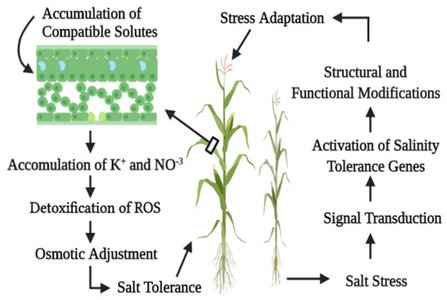
Key Highlights
- Species-specific Responses: Seedling growth responses to 50 mM NaCl vary among plant species, with some showing stimulatory effects and others experiencing growth inhibition.
- Germination and Physiological Adjustments: While 50 mM NaCl may delay germination slightly, many species can achieve nearly normal germination percentages, albeit with altered physiological and morphological traits.
- Stress-induced Physiological Changes: NaCl stress leads to osmotic imbalance, ion toxicity, and changes in cellular processes, affecting both root and shoot development.
Overview of 50 mM NaCl Impact on Seedling Growth
The influence of 50 mM sodium chloride (NaCl) on seedling growth is a subject that has generated significant scientific interest. Research indicates that salt stress due to NaCl exposure creates an osmotic imbalance in the plant cell environment, with multiple physiological repercussions. The overall effect, however, depends heavily on the plant species involved, the duration of exposure, and the developmental stage at which the stress occurs.
Growth and Germination Dynamics
Studies have shown that 50 mM NaCl can have varied effects during germination and early seedling development:
Germination Rates
In many species, a concentration of 50 mM NaCl does not severely compromise the final germination rate. However, it tends to delay the onset of germination. This delay is attributed to the osmotic stress imposed by the salt, which hinders water uptake—a crucial factor for the initiation of metabolic processes during germination.
Early Seedling Growth
Post-germination, seedlings exhibit complex responses to 50 mM NaCl stress. The following factors are noteworthy:
- Root Development: Root growth is typically more sensitive to salinity stress than shoot development. Several studies highlight significant reductions in root length and biomass, sometimes reporting decreases as high as 39-90% when subjected to higher salt concentrations.
- Shoot Growth: Some plant species show minimal effects on shoot length at this salinity level, while others exhibit reduced shoot biomass. The overall balance between root and shoot growth can shift, often increasing the root/shoot ratio as a compensatory mechanism.
- Biomass Accumulation: Both dry weight and fresh weight of seedlings can be affected. For instance, experiments with species like tomatoes and cucumbers have occasionally demonstrated a stimulatory effect at 50 mM NaCl, leading to increases in biomass accumulation. In contrast, leguminous species have been reported to experience a decline in dry matter accumulation under similar conditions.
Physiological and Biochemical Responses
Exposure to salt stress triggers a range of physiological and biochemical changes that can moderate the effects of NaCl on seedlings.
Osmotic and Ion Stress
Salt presence leads to an osmotic imbalance, which restricts water uptake by the plant. Additionally, sodium (Na⁺) and chloride (Cl⁻) ions can exert toxic effects if accumulated in excessive amounts, leading to ionic imbalances. Such conditions disturb cellular functions, including enzyme activities and photosynthetic processes.
Protective Mechanisms
To cope with the stress, plants engage several protective mechanisms:
- Osmoprotectant Accumulation: Compounds such as proline accumulate within plant cells. Proline functions as an osmoprotectant, safeguarding cell structures and stabilizing proteins and membranes under salt stress conditions.
- Antioxidant Response: Salinity induces oxidative stress, and plants respond by boosting their antioxidant defenses. Elevated levels of antioxidants help neutralize reactive oxygen species (ROS) generated under stress, thereby protecting cellular components.
- Hormonal Regulation: Hormones such as abscisic acid (ABA) may increase in response to salinity. ABA plays a critical role in managing stress by regulating stomatal closure and various stress-responsive genes.
Comparative Overview in a Structured Table
The table below provides a consolidated view of the key aspects of 50 mM NaCl impact on seedling growth, incorporating data across various studies:
| Parameter | Observed Effects | Notes & Variability |
|---|---|---|
| Germination Percentage | Generally unaffected; slight delays in initiation | Species-specific; many show near-normal final germination rates |
| Root Growth | Marked reduction in length and biomass | High variability; some species show up to 90% reduction under higher salt but moderate impact at 50 mM |
| Shoot Growth | Mild reduction or sometimes neutral effect | Determined by plant type; some cultivars may even display slight growth stimulation |
| Osmotic Stress Impacts | Delayed water uptake leading to slower germination and growth | Mechanism primarily driven by salt-induced osmotic imbalances |
| Physiological Responses | Increased proline accumulation and antioxidant enzyme activity | Reflects plant adaptive mechanisms; responses vary with developmental stage and species |
| Ion Toxicity | Accumulation of Na⁺ and Cl⁻ can lead to toxicity symptoms | Critical in sensitive species; improvements in ion regulation observed in tolerant genotypes |
Detailed Discussion on Salt Stress Mechanisms
The interaction of 50 mM NaCl with seedling growth is multifaceted. Researchers have observed that while salinity stress generally slows down early developmental processes, the net effect on growth depends on how well a plant can adjust to altered osmotic conditions and ion imbalances.
Mechanisms Behind Growth Inhibition
Salinity impacts seedling development primarily through osmotic and ionic stresses. The immediate effect is a reduction in water potential, which slows down water uptake. Simultaneously, the excess sodium and chloride ions can cause various cellular disturbances:
- Inhibition of Cell Division: Reduced water uptake lowers turgor pressure, a critical component for cell expansion and division. This cellular inhibition is often evident in slower root elongation.
- Metabolic Disruptions: Ion imbalances lead to alterations in metabolic pathways, affecting photosynthetic efficiency and overall energy management in the plant.
- Enzymatic Interference: Elevated ion concentrations can interfere with enzymatic activities, thereby compromising cellular functions necessary for growth.
Salt Tolerance and Compensatory Growth
Not all responses to 50 mM NaCl are uniformly negative. Depending on the species and even among different genotypes within a species, some plants may exhibit compensatory mechanisms that either mitigate or temporarily enhance growth under mild salt stress:
Resilience in Tolerant Species
Certain studies highlight that tolerant species or genotypes might experience a mild stimulatory effect at 50 mM NaCl. For example, in some tomato and cucumber seedlings, moderate salt concentrations have been associated with increased fresh and dry weights, potentially due to enhanced water use efficiency and carbon assimilation. In such cases, the stress response triggers an upregulation of osmoprotectants and stress defense proteins, enabling the plant to allocate resources more effectively.
Species-Specific Variability
The variation observed in experimental outcomes is largely attributable to genetic differences and environmental conditions. For instance, while leguminous species may suffer diminished growth and reduced dry matter accumulation at 50 mM NaCl, other plants (such as certain cultivars of cotton or spinach) might manage moderate salt stress with only slight alterations in growth behavior. Understanding this variability is essential for agronomy and breeding programs targeted at enhancing salt tolerance.
Integrative Insights from Recent Studies
Recent research continues to deepen our understanding of how moderate NaCl levels affect seedling development. Despite some contradictory evidence, a common theme emerges: the delicate balance between stress-induced inhibition and the activation of compensatory mechanisms.
Key Observations from the Literature
Several pivotal observations consistently appear across the literature:
- Delayed but Uncompromised Germination: While 50 mM NaCl may introduce a delay in the germination process, many species eventually reach near-normal germination percentages. This suggests that the early stress can be overcome if the plant activates its internal defense responses.
- Root vs. Shoot Sensitivity: The inhibitory effects on root elongation are generally more pronounced than those on shoot growth. This differential sensitivity can lead to an imbalance in the root/shoot ratio, with significant implications for nutrient uptake and overall plant stability.
- Adaptive Biochemical Responses: The build-up of osmoprotectants like proline and the enhanced activity of antioxidant enzymes are critical in enabling some species to not only cope with, but sometimes even capitalize on, the moderate presence of NaCl for improved water use efficiency.
- Genotypic and Environmental Influences: The quite variable responses among different species and even between genotypes of the same species underscore the importance of context-specific analyses. Factors including nutrient availability, prior exposure to stress, and inherent genetic makeup largely dictate the extent of the observed effects.
Overall, the consensus among studies is that 50 mM NaCl introduces a moderate stress that, while potentially delaying growth and modifying developmental patterns, does not lead to universal detrimental impacts across all plant species. In fact, the nuanced responses observed in various experiments underscore the importance of detailed, comparative evaluations when gauging the impact of salinity on seedling growth.
Further Considerations and Practical Implications
Understanding the impact of 50 mM NaCl on seedling growth is not solely an academic pursuit—it carries significant practical implications, particularly for agriculture in salt-affected areas. Cultivators may harness knowledge about species-specific responses to optimize crop selection and management practices in saline environments.
Agricultural Perspectives
Farmers and agronomists are increasingly interested in the following aspects related to moderate salt stress:
- Seed Priming and Pre-Treatment: Techniques such as seed priming with low concentrations of NaCl can sometimes induce a stress-hardening effect, potentially leading to enhanced tolerance when the plants are later exposed to higher salinities.
- Breeding Salt-Tolerant Varieties: Recognizing the inherent genetic variability in salt stress responses highlights the potential for selective breeding. Varieties that maintain robust growth in moderate salinity conditions can be preferentially cultivated in regions facing soil salinization.
- Resource Allocation and Management: Understanding the differential impacts on root and shoot growth leads to better resource management, particularly in irrigation and nutrient delivery, ensuring that plants are supported during the critical early growth phases.
Environmental and Ecological Impacts
Beyond agricultural applications, the response of seedlings to 50 mM NaCl has ecological implications. Salt stress in natural habitats can influence plant community composition and affect ecosystem dynamics. Studies on native species help elucidate the resilience mechanisms that enable certain plants to thrive in saline or marginal soils.
References
- Effect of Salt Stress on Chickpea Seedlings - ResearchGate
-
Impact of Salt Stress on Seedling Biomass - ScienceDirect
- Plant Stress Responses to NaCl - Frontiers in Plant Science
-
Physiological Responses Under Salt Stress - NCBI
- Salinity Impact on Early Seedling Growth - Frontiers in Plant Science
Recommended Queries for Deeper Insights
Last updated March 28, 2025