

The Nagoya Protocol on Access to Genetic Resources and the Fair and Equitable Sharing of Benefits Arising from their Utilization is a pivotal international agreement. It operates under the umbrella of the Convention on Biological Diversity (CBD) and entered into force on October 12, 2014, marking a significant step in global efforts to conserve biodiversity and ensure fairness in its utilization. While often associated with plant genetic resources, its scope unequivocally extends to animal genetic resources, establishing a framework for their access, utilization, and the equitable sharing of any benefits derived therefrom.
Key Insights into the Nagoya Protocol for Animal Genetic Resources
- Sovereign Rights and Consent: The Protocol affirms the sovereign rights of countries over their animal genetic resources, mandating that access requires Prior Informed Consent (PIC) from the provider country.
- Fair Benefit-Sharing: A core principle is the fair and equitable sharing of monetary and non-monetary benefits derived from the utilization of animal genetic resources, established through Mutually Agreed Terms (MAT).
- Broad Scope: It covers all forms of animal genetic material, including DNA, tissues, and live animals, encompassing both wild and domesticated species, and their derivatives, for research, development, and commercial purposes.
The Foundational Framework of the Nagoya Protocol
The Nagoya Protocol serves as a supplementary agreement to the 1992 Convention on Biological Diversity, building upon its three main objectives: the conservation of biological diversity, the sustainable use of its components, and the fair and equitable sharing of the benefits arising from the utilization of genetic resources. By providing a transparent legal framework, the Protocol aims to foster greater legal certainty and predictability for both providers and users of genetic resources. It also specifically excludes human genetic resources from its purview.
The Protocol defines "genetic resources" broadly to include any material of plant, animal, microbial, or other origin that contains functional units of heredity and possesses actual or potential value. This inclusive definition ensures that animal genetic resources, ranging from wild species to domesticated breeds, are covered. The Protocol's mechanisms, such as Prior Informed Consent (PIC) and Mutually Agreed Terms (MAT), are designed to ensure that the source countries, often rich in biodiversity, receive due recognition and benefit from the use of their biological wealth.
Recognizing Sovereign Authority
A cornerstone of the Nagoya Protocol is the recognition of national sovereignty over genetic resources. This means that access to animal genetic material within a country's borders is subject to the national legislation and competent authorities of that country. Any entity seeking to access animal genetic resources for research, development, or commercialization must first obtain explicit permission from the provider country. This principle ensures that the country of origin retains control over its biological assets.
The Essence of Benefit-Sharing
The fair and equitable sharing of benefits is at the heart of the Nagoya Protocol. These benefits can take various forms, categorized as either monetary or non-monetary. Monetary benefits might include royalties, milestone payments, or joint ventures. Non-monetary benefits are equally crucial and can encompass technology transfer, capacity building, joint research programs, access to scientific information, and training related to the conservation and sustainable use of biodiversity. This reciprocal arrangement aims to foster a partnership between users and providers, contributing to global biodiversity conservation efforts.
Specific Implications for Animal Genetic Resources (AnGR)
While the Nagoya Protocol’s framework is broad, its application to animal genetic resources carries specific considerations. Animal genetic resources encompass the diversity within and between animal species, including domesticated breeds and wild relatives, which are vital for food security, agriculture, and ecosystem health. The Protocol applies to the access and utilization of animal genetic material such as DNA, tissues, semen, embryos, or live animals containing genetic information.
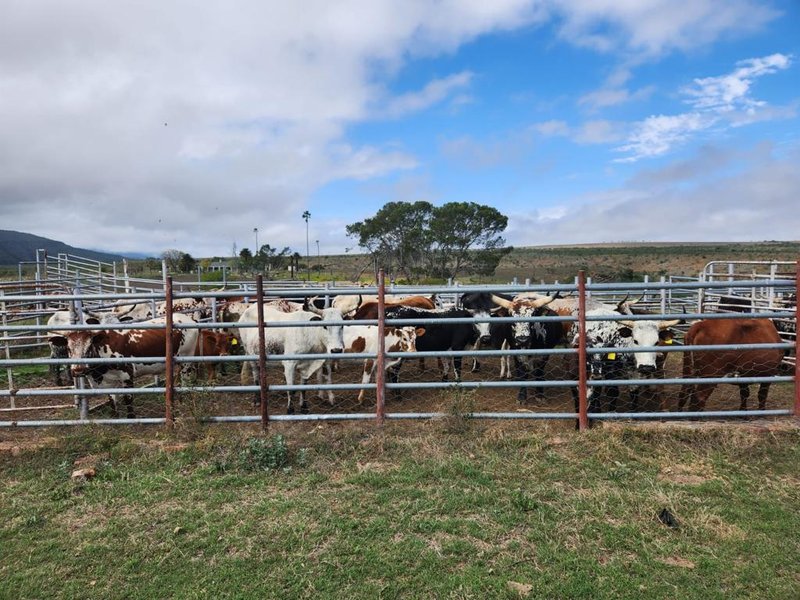
Nguni cattle, an example of valuable animal genetic resources that fall under the Nagoya Protocol.
Challenges and Adaptations in the Livestock Sector
The implementation of the Nagoya Protocol for animal genetic resources, particularly in the livestock and animal breeding sectors, presents unique challenges. Many domesticated animal breeds have been extensively moved across borders for centuries due to human selection and breeding programs, making their precise "country of origin" sometimes complex to determine. Unlike wild species, where geographical boundaries are often clearer, livestock breeds often involve international exchanges that historically lacked formal benefit-sharing obligations.
Furthermore, the Protocol’s original design was arguably more aligned with wild species and plants. This has led to ongoing discussions about how best to apply its principles without unduly hindering essential activities such as international exchanges vital for breeding programs, disease control, and food security. Some argue that strict adherence without sector-specific interpretations could slow innovation in animal agriculture, especially for breeds of high biodiversity importance but low immediate commercial value.
The Role of Associated Traditional Knowledge
The Nagoya Protocol also explicitly protects traditional knowledge associated with genetic resources. For animal genetic resources, this includes the knowledge held by indigenous and local communities regarding the characteristics, uses, and management of particular animal breeds. When such knowledge is utilized alongside the genetic resource, the Protocol mandates that benefits also be shared with these communities, subject to their Prior Informed Consent.
The Global Landscape and National Implementation
As of December 5, 2025, the Nagoya Protocol has been ratified by over 140 countries, establishing a significant international legal framework. However, its effectiveness ultimately relies on robust national implementation. Each signatory country is responsible for developing and enforcing its own national Access and Benefit-Sharing (ABS) laws and regulations that align with the Protocol's provisions.
National Laws and the ABS Clearing-House
Many countries have enacted national legislation to operationalize the Nagoya Protocol. These laws dictate the specific procedures for obtaining PIC, negotiating MAT, and ensuring compliance within their jurisdictions. For researchers and organizations, it is imperative to be aware of both the international Protocol and the relevant national regulations of the countries from which they obtain animal genetic resources. The ABS Clearing-House serves as a vital platform, providing information on national focal points, competent national authorities, and national ABS measures, thereby enhancing transparency and facilitating compliance.
This mindmap illustrates the interconnected concepts and mechanisms of the Nagoya Protocol as they relate to animal genetic resources, highlighting its core principles, scope, implementation, and associated challenges.
The mindmap above provides a visual overview of the Nagoya Protocol's intricate relationship with animal genetic resources. It highlights the Protocol's origins within the CBD, its foundational principles like sovereign rights and benefit-sharing, and the practical mechanisms for its implementation. Critically, it also points to the unique challenges that arise when applying this framework to the complex and often globally interconnected world of animal genetic resources.
Emergency Provisions and Animal Health
An important aspect of the Protocol is its consideration for emergencies. Article 8(b) allows for expeditious access to genetic resources and benefit-sharing in cases of present or imminent emergencies threatening human, animal, or plant health. This provision is particularly relevant for animal genetic resources, as it can facilitate rapid responses to disease outbreaks or other threats to animal populations, ensuring access to genetic material needed for research, vaccine development, or conservation efforts.
Interactions with Other International Frameworks
The Nagoya Protocol does not operate in isolation. It interacts with other international instruments and initiatives, particularly those focused on animal genetic resources. The Global Plan of Action for Animal Genetic Resources (GPA AnGR), adopted by the Food and Agriculture Organization (FAO), complements the Protocol's objectives. The GPA AnGR specifically focuses on the characterization, sustainable use, development, and conservation of animal genetic resources for food and agriculture, emphasizing international cooperation and national responsibility. While the Nagoya Protocol provides the legal framework for ABS, the GPA AnGR offers a strategic plan for managing these crucial resources.
This video from the University of Cologne provides a concise introduction to the Nagoya Protocol, explaining its role in biodiversity and genetic resources. It offers a foundational understanding of the treaty's importance in regulating access and benefit-sharing, which is directly relevant to understanding its application to animal genetic resources.
The embedded video from the University of Cologne provides an excellent introduction to the Nagoya Protocol. It explains how this treaty contributes to biodiversity conservation and the equitable use of genetic resources. Understanding these foundational principles is essential for appreciating the Protocol's impact on animal genetic resources, where the balance between access for research and development, and the fair sharing of benefits, is crucial for both conservation and innovation.
Practical Guidance for Users of Animal Genetic Resources
For researchers, breeders, and commercial entities working with animal genetic resources, navigating the Nagoya Protocol requires diligence and a proactive approach. Compliance is not merely a legal obligation but also an ethical responsibility towards biodiversity conservation and equitable partnerships.
Key Steps for Compliance
- Determine Origin and Status: Identify the country of origin of the animal genetic resource and whether that country is a signatory to the Nagoya Protocol.
- Obtain Prior Informed Consent (PIC): Secure PIC from the relevant national authority before accessing any genetic material.
- Negotiate Mutually Agreed Terms (MAT): Establish clear contractual terms for access, utilization, and benefit-sharing with the provider.
- Seek an IRCC: If available and relevant, obtain an Internationally Recognized Certificate of Compliance for verification.
- Consult National Authorities and ABS Clearing-House: Regularly check national legislation and use the ABS Clearing-House for up-to-date information.
- Document Provenance: Maintain meticulous records of the origin and acquisition of all animal genetic resources, including spatiotemporal metadata, which is crucial for transparency and traceability.
Summary of Obligations and Scope
The following table summarizes the key obligations and scope of the Nagoya Protocol with a specific focus on animal genetic resources:
| Aspect | Description in Relation to Animal Genetic Resources |
|---|---|
| Core Objective | Ensure fair and equitable sharing of benefits from the utilization of animal genetic resources and associated traditional knowledge. |
| Scope of Resources | All material of animal origin containing functional units of heredity, including wild species, domesticated breeds, and their derivatives (e.g., DNA, semen, embryos, tissues). Excludes human genetic resources. |
| Geographical Scope | Genetic resources within a country's national jurisdiction, including its Exclusive Economic Zone (EEZ). |
| Access Requirement | Prior Informed Consent (PIC) from the provider country's competent national authority. |
| Benefit-Sharing | Mutually Agreed Terms (MAT) specifying monetary (e.g., royalties) and non-monetary (e.g., technology transfer, capacity building) benefits. |
| Traditional Knowledge | Protection and benefit-sharing for traditional knowledge associated with animal genetic resources. |
| Compliance Mechanism | Internationally Recognized Certificate of Compliance (IRCC) as evidence of legal access. |
| Implementation | Through national legislation and institutional frameworks of signatory countries. |
| Emergencies | Provisions for expeditious access in cases of animal health emergencies. |
This table outlines the essential elements of the Nagoya Protocol as they pertain to animal genetic resources, providing a quick reference for understanding the obligations and scope for anyone involved in their access and utilization.
Future Outlook and Continuous Adaptation
As the Nagoya Protocol matures, reaching its 10th anniversary from its entry into force, ongoing discussions and reviews focus on its effectiveness and adaptability. The unique characteristics of animal genetic resources, especially domesticated breeds, necessitate continuous dialogue to ensure the Protocol supports both conservation and innovation. Balancing the need for equitable benefit-sharing with the practicalities of global breeding programs and swift responses to animal health crises remains a key area of focus for the international community.
Frequently Asked Questions
What exactly does "animal genetic resources" encompass under the Nagoya Protocol?
Why is the Nagoya Protocol important for animal biodiversity?
What are "Prior Informed Consent (PIC)" and "Mutually Agreed Terms (MAT)" in the context of animal genetic resources?
Does the Nagoya Protocol apply to all animal genetic resources, including those already widely traded internationally?
Conclusion
The Nagoya Protocol stands as a landmark international agreement, fundamentally reshaping how the world approaches the utilization of genetic resources, including those of animal origin. By affirming sovereign rights, mandating Prior Informed Consent, and ensuring the fair and equitable sharing of benefits, it aims to foster a more just and sustainable relationship between biodiversity-rich nations and the global users of genetic material. While its application to animal genetic resources presents unique challenges, particularly for domesticated breeds and in emergency situations, the Protocol provides a critical framework for promoting conservation, supporting sustainable use, and recognizing the intrinsic and economic value of the planet's animal genetic diversity.
Recommended Searches
- How does the Nagoya Protocol affect livestock breeding and genetic improvement programs?
- What are the challenges of implementing the Nagoya Protocol for animal health emergencies?
- How does traditional knowledge associated with animal genetic resources receive protection under the Nagoya Protocol?
- What is the role of the ABS Clearing-House in facilitating compliance with the Nagoya Protocol for animal genetic resources?