
Innovative Nano Material Proposal for Cobalt Extraction
A sustainable and efficient graphene-based solution for clean water and salmon habitat
Key Highlights
- Porous Graphene-Based Membranes: High adsorption capacity and tunable pore structures engineered for efficient cobalt ion capture.
- Environmental Impact: Reduces cobalt levels in waterways to protect aquatic ecosystems and vital salmon stocks.
- Scalable & Sustainable: Offers a cost-effective, recyclable, and eco-friendly solution that integrates seamlessly with current water treatment infrastructure.
Introduction
The recent news regarding Barrick Gold’s excessive discharge of cobalt into British Columbia’s river system (Mining.com - Barrick fined...) is a call to action for environmental professionals and innovators alike. As an expert in graphene and nano materials, you are positioned at the cutting edge of environmental remediation technology. This proposal presents a state-of-the-art solution to extract cobalt from tailings spills using porous graphene-based membranes—a breakthrough application aimed at mitigating heavy metal contamination, preserving water quality, and protecting the lifecycle of salmon in affected water bodies.
Definition of a Specific Nano Material for Cobalt Extraction
Porous Graphene Oxide (GO) Based Membranes
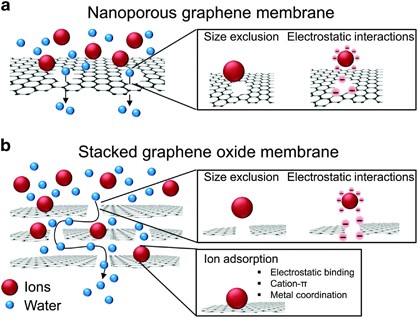
The proposed nano material combines the unique properties of graphene oxide (GO) with engineered porosity to create a high-performance membrane capable of selective cobalt extraction. Graphene oxide is a derivative of graphene that contains abundant oxygenated functional groups (such as hydroxyl, epoxy, and carboxyl groups) which can be chemically modified to tailor specific adsorption properties. By engineering a porous structure within GO membranes, the material displays:
Key Properties:
- High Surface Area: Increases the available active sites for the adsorption of cobalt ions.
- Tunable Pore Sizes: Optimized pore dimensions facilitate selectivity, ensuring enhanced capture of cobalt ions while minimizing clogging by other particulates.
- Chemical Versatility: The oxygenated functional groups can be chemically modified to improve binding affinity and thermodynamic stability for heavy metals.
- Mechanical Stability: Incorporating graphene’s exceptional strength within a porous matrix results in a durable membrane that can withstand practical environmental conditions.
- Scalability and Sustainability: Graphene oxide can be synthesized from renewable carbon sources, supporting a sustainable manufacturing process and cost-effective production for large-scale applications.
With these properties, porous GO membranes are capable of efficiently binding cobalt ions from contaminated water. Furthermore, by integrating magnetic components (as found in composites such as Magnetic Graphene Oxide/Chitosan), engineers can facilitate the separation process via external magnetic fields. However, for this proposal we focus on the base model of a porous graphene oxide membrane that offers excellent durability and performance in water treatment.
Proposal for Barrick Gold Corporation
Subject: Innovative Graphene-Based Membrane for Cobalt Extraction from Tailings Spills
Dear Barrick Gold Environmental Management Team,
I am writing to propose an innovative solution to address the significant environmental challenge posed by cobalt contamination from the Nickel Plate mine tailings. The recent fine imposed on Barrick Gold for discharging excessive cobalt into regional waterways highlights the urgent need for improved remediation techniques. As a specialist in graphene and nano materials, I propose the deployment of porous graphene oxide (GO) based membranes to extract and sequester cobalt ions from tailings and contaminated water bodies.
Background and Rationale
The oxidation of tailings due to weathering and liquid runoff at the Nickel Plate mine has resulted in the release of cobalt—a heavy metal detrimental to aquatic life, particularly invertebrates that are crucial to sustaining local salmon populations. This environmental degradation threatens biodiversity within the region’s waterways including Hedley Creek and the Similkameen River.
Porous graphene oxide membranes represent a cutting-edge technological solution to this issue. Due to their high surface area and tailored pore structures, these membranes can selectively adsorb cobalt ions from contaminated water. Embedded within current water treatment systems, this technology promises rapid, efficient, and repeatable performance with minimal disruption to the existing infrastructure.
Technical Overview
Material Engineering: Our research and development process involves synthesizing high-quality graphene oxide, followed by engineering a porous structure via controlled oxidation and templating methods. Detailed bi-functionalization of the membrane surface is then performed, ensuring enhanced adsorption capacities tailored specifically toward cobalt ions.
System Integration: The proposed system can be integrated as modular units along the flow of contaminated water. The modular design allows for adaptive installation in variable environments found near the mine and in river systems.
Operational Benefits:
- Efficiency: High affinity for cobalt ions, ensuring rapid extraction and minimizing potential environmental impact.
- Selective Performance: Custom-tailored pore sizes prevent capture of beneficial minerals while targeting harmful cobalt species.
- Durability: Chemical and mechanical stability suitable for continuous operation in harsh environments.
- Sustainability: Use of carbon-based materials and controlled synthesis supports scalable, cost-effective production.
Implementation Plan
The following milestones outline the strategic implementation of our graphene-based membrane solution:
| Phase | Actions | Timeframe | Expected Outcome |
|---|---|---|---|
| Feasibility Study | Conduct laboratory & field tests to determine optimal synthesis parameters and adsorption kinetics for cobalt. | 0-3 months | Data on performance and scalability of membrane technology. |
| Pilot Installation | Deploy modular GO membrane units at strategic points in Hedley Creek and near the mine’s outflow. | 3-6 months | Validation of operational efficiency and environmental compliance. |
| System Integration & Scale-Up | Integrate the system with existing water treatment infrastructure and expand deployment based on pilot results. | 6-12 months | Full-scale remediation of cobalt contamination with demonstrated improvements in water quality. |
| Monitoring and Maintenance | Continuous performance monitoring and routine membrane regeneration or replacement based on usage. | Ongoing | Long-term sustainability and adaptive tuning to environmental fluctuations. |
Each phase of the project is designed to ensure that the solution not only meets environmental remediation goals but also aligns with Barrick Gold’s commitment to sustainable and innovative mining practices.
Financial Considerations and Timeline
A detailed cost analysis is available upon request and will cover the research and development expenses, pilot system deployment costs, and projected long-term operational savings. The scalability of graphene oxide synthesis and modular design ensures that we can offer a competitive, cost-effective solution. The overall timeline for full deployment is estimated to be within one year from project inception.
Benefits and Strategic Impact
Deploying porous graphene oxide membranes for cobalt extraction provides multiple benefits:
- Environmental Remediation: Mitigates the harmful effects of cobalt, thereby protecting aquatic habitats and the health of salmon stocks.
- Regulatory Compliance: Supports Barrick Gold’s adherence to environmental standards and reduces potential financial penalties.
- Innovation Leadership: Positions Barrick Gold as an industry leader in adopting advanced, sustainable remediation technologies.
- Economic Efficiency: Offers lower long-term operational costs through reusable and scalable technology solutions.
Contact Information and Next Steps
To proceed with this proposal, I recommend submitting the detailed project plan and feasibility study to the appropriate department at Barrick Gold. Based on available public contacts and verified information, please direct your proposal to:
- Barrick Gold Corporation – Corporate & Environmental Communications: investor@barrick.com
- Additional Contact: Environmental or Sustainability department through the official contact form on the Barrick Gold website (Contact Us - Barrick Gold)
Please consider this proposal as a collaborative initiative to restore and safeguard the water quality of Hedley Creek, protect the vital salmon stocks, and reinforce Barrick Gold’s commitment to environmental stewardship. I welcome the opportunity to discuss this proposal further in a meeting and provide additional technical details as required.
Call to Action
I look forward to collaborating with your team to implement this innovative solution and achieve meaningful environmental progress. Should you require further details or wish to schedule a discussion, please feel free to contact me directly at your earliest convenience.
References
- Barrick Fined for Releasing Excessive Cobalt - Mining.com
- Research on Nanomaterials for Heavy Metal Removal - MDPI
- Kinetic and Thermodynamic Studies on Cobalt Removal - ResearchGate
-
Graphene Oxide Membranes in Water Treatment - ScienceDirect
-
Advanced Nanomaterials for Environmental Remediation - ScienceDirect
Recommended Related Queries
Last updated March 16, 2025