
Nanocellulose: The Nano Frontier
Exploring a versatile, sustainable material transforming multiple industries
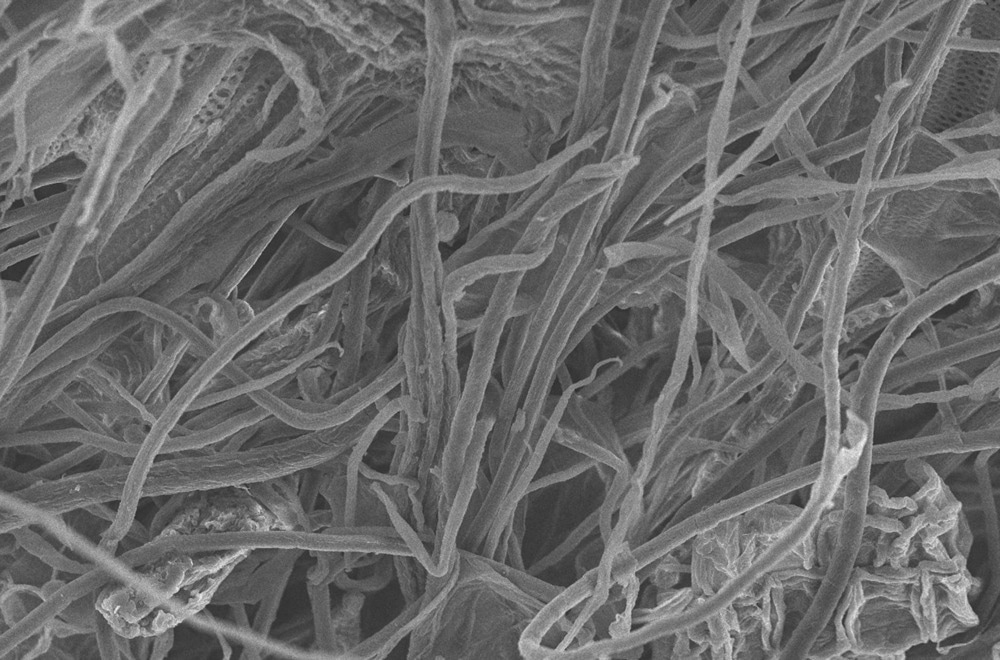
Key Highlights
- Unique Properties: Lightweight, high strength, and exceptional surface area make nanocellulose a game-changer.
- Sustainable Production: Derived from renewable resources, offering a greener alternative to conventional materials.
- Versatile Applications: Utilized in packaging, electronics, biomedical fields, and composite materials, among others.
Understanding Nanocellulose
Nanocellulose is a cutting-edge nanomaterial derived from cellulose, which stands as the most abundant organic polymer on Earth. With at least one dimension measuring less than 100 nanometers, nanocellulose manifests in various forms. The primary types include cellulose nanocrystals (CNCs), cellulose nanofibrils (CNFs), and bacterial cellulose (BNC). Each type exhibits unique structural and chemical properties that make nanocellulose a material of great interest both in academia and industry.
Definition and Types
At its core, nanocellulose refers to cellulosic materials that have undergone processes resulting in structures with nanoscale dimensions. The production process separates and refines the native cellulose fibers into much smaller components, which fall into one of the following categories:
Cellulose Nanocrystals (CNCs)
CNCs are typically rod-like fragments, generated primarily through acid hydrolysis. They possess high crystallinity, meaning a large fraction of their structure is arranged in a highly ordered manner. Owing to their rigidity and strength, these crystals exhibit an exceptionally high tensile strength and offer useful properties to reinforce composite materials.
Cellulose Nanofibrils (CNFs)
In contrast to CNCs, cellulose nanofibrils are elongated, flexible fibers that exhibit lower crystallinity. They are usually produced through mechanical shearing or a combination of mechanical and chemical treatments. This category of nanocellulose is valued for its inherent flexibility and large surface area, allowing effective integration into polymer matrices and other composite systems.
Bacterial Nanocellulose (BNC)
Produced by certain types of bacteria, BNC stands apart due to its high purity and unique nanoarchitecture. BNC is synthesized extracellularly, forming highly pure cellulose without the contaminants typically found in plant-derived cellulose. This purity, combined with its excellent mechanical properties, makes it an ideal candidate for biomedical applications, such as in tissue engineering and wound healing.
Key Properties of Nanocellulose
What distinguishes nanocellulose from other materials is its exceptional set of properties, which arise from its nanoscale dimensions and high surface area. These properties are essential to understand, as they drive its extensive range of applications.
Mechanical Strength and Lightweight Nature
Despite its significantly low density, nanocellulose exhibits remarkable mechanical strength. Remarkably, certain nanocellulose materials can demonstrate tensile strengths that are dramatically higher than those of conventional materials like steel when compared on a per weight basis. This combination of light weight and strength renders it ideal for reinforcing composites, where enhanced durability is essential without added mass.
High Surface Area and Tunable Surface Chemistry
The nanoscale dimensions of these materials translate into a very high specific surface area. This extensive surface area provides an excellent platform for chemical modification, leading to tunable surface chemistries. These modifications can render nanocellulose hydrophilic or hydrophobic depending on the intended application, and even impart functionalities such as electrical conductivity when combined with other substances. Such tunability expands its utility from biomedical devices to electronics.
Biocompatibility and Biodegradability
One of the most attractive features of nanocellulose is its biocompatibility and biodegradability. These qualities make it particularly appealing for the medical field, where materials that interact safely within the body are essential. Its origin from renewable biomass not only guarantees sustainability but also ensures minimal environmental impact. The biodegradability implies that products made from nanocellulose can decompose naturally, supporting eco-friendly, circular economies, and reducing waste accumulation.
Thermal and Chemical Stability
Nanocellulose also exhibits excellent thermal stability and can be chemically modified without a significant loss of its inherent properties. Such stability is crucial when integrating the material into composite matrices or when it is exposed to varying environmental conditions. Additionally, its thermal properties allow its use in specialized applications like electronics, where maintaining performance under thermal stress is vital.
Production and Extraction Methods
Nanocellulose is typically extracted from cellulose-rich sources such as wood, agricultural residues, or bacteria. The extraction process involves breaking down the naturally occurring cellulose into its nanoscale components while preserving or enhancing its beneficial properties. Several methods are employed in the production of nanocellulose:
Mechanical Treatments
Mechanical defibrillation is a common method where physical forces, such as high-pressure homogenization or ultrasonication, are applied to separate the cellulose fibers into nanoscale fibrils. This technique is favored for producing cellulose nanofibrils due to the preservation of the flexible and fibrous nature of the material.
Chemical Processes
Chemical methods, such as acid hydrolysis, can selectively break down the amorphous regions of cellulose, leaving behind highly crystalline structures typical of CNCs. These processes allow for controlled manipulation of the material's crystalline properties and surface functionalities.
Enzymatic Treatments
Another eco-friendly method involves enzymatic processes that utilize specific enzymes to degrade non-crystalline areas of cellulose fibers. This approach can be combined with mechanical treatments to optimize the yield and quality of nanocellulose while minimizing environmental impact.
Innovative Approaches and Combinations
In practical production, a hybrid approach often yields the best results. Combining mechanical processes with chemical pre-treatments can increase production efficiency and allow for greater control over the resulting nanocellulose properties. These combined methods ensure a tailored product ideal for specific industrial applications.
Applications Across Industries
Nanocellulose’s unique combination of properties makes it an exceptionally versatile material. Its uses span numerous fields, contributing to advancements in sustainability, performance, and innovation.
Packaging and Paper Products
In the realm of packaging, nanocellulose serves as an excellent reinforcement material for paper, cardboard, and other packaging substrates. By enhancing the mechanical strength and barrier properties of these materials, manufacturers can produce lighter, more durable, and environmentally friendly packaging options. The tunable surface chemistry also makes it possible to improve moisture resistance and reduce the permeability of gases, thereby prolonging the shelf life of perishable goods.
Composite Materials
One of the most exciting applications of nanocellulose lies in its role as a reinforcing agent for composites. When integrated into polymer matrices, nanocellulose can enhance the mechanical properties without compromising the biodegradability of the host polymer. This balance is particularly attractive in areas such as automotive components, aerospace materials, and construction materials, where performance combined with environmental considerations is paramount. The table below provides an overview of the different types of nanocellulose and their comparative properties related to composite reinforcement:
| Type | Structure | Mechanical Strength | Flexibility | Specific Applications |
|---|---|---|---|---|
| Cellulose Nanocrystals (CNCs) | Rod-like, highly crystalline | Very high tensile strength | Less flexible | Reinforcement in composites, films, sensors |
| Cellulose Nanofibrils (CNFs) | Long, flexible fibrils | High tensile strength with flexibility | Highly flexible | Polymer matrices, barrier films, elastomers |
| Bacterial Nanocellulose (BNC) | Network of fine fibers | Excellent mechanical robustness | Moderate flexibility | Biomedical implants, wound dressings, tissue scaffolds |
Biomedical Applications
The biomedical field greatly benefits from nanocellulose’s biocompatibility and biodegradability. It finds applications in tissue engineering scaffolds, where its structure promotes cell adhesion and growth. Additionally, nanocellulose can be engineered to serve as a drug delivery matrix, enabling controlled release of active pharmaceutical ingredients. Its non-toxic nature and chemical versatility also make it an excellent choice for wound dressings and other medical implants, where prolonged contact with human tissue necessitates high safety standards.
Electronics and Energy Storage
As research into flexible electronics advances, nanocellulose is increasingly being explored as a substrate material for printed electronics. Its lightweight, flexible, and strong nature makes it ideal for applications ranging from wearable devices to flexible batteries. In certain configurations, it also serves as a component in electrodes for energy storage devices. Moreover, when combined with conductive materials, nanocellulose can be transformed into conductive paper that aligns with the principles of sustainable electronics.
Food and Cosmetics
Beyond industrial and biomedical applications, nanocellulose is making inroads into the food and cosmetics industries. In food packaging, its film-forming ability coupled with its barrier properties helps in prolonging the freshness of foods. Additionally, nanocellulose can be utilized as a stabilizer, thickener, or emulsifier in various formulations. Its inert nature ensures that it does not adversely react with food ingredients, making it an attractive additive that supports both performance and sustainability.
Environmental and Other Industrial Applications
Nanocellulose is also being investigated for environmental applications, such as in water purification systems, where its high surface area can aid in contaminant removal. It has potential as a component in biodegradable wood adhesives and even in the production of aerogels for insulation. With its combination of strength, flexibility, and environmental friendliness, nanocellulose offers a promising solution for a multitude of industrial challenges.
Research and Future Prospects
Nanocellulose continues to be a subject of intensive research not only because of its versatile applications but also owing to its potential for future development. Researchers are actively exploring improved methods for large-scale production and cost reduction, which could further broaden its commercial adoption. Innovations in chemical and physical treatment techniques periodically enhance its properties even further, making it possible to tailor the material for highly specific applications.
Emerging Techniques
The future of nanocellulose is intertwined with advances in extraction and processing technologies. Novel techniques, including simultaneous mechanical and enzymatic treatments, are paving the way for more efficient production processes. Such advancements not only reduce the environmental impact but also lower production costs, thus making nanocellulose accessible for a broad range of applications.
Market and Commercialization
As market applications widen, industries ranging from electronics to biomedicine are investing in research and development to harness the full potential of nanocellulose. This increased attention is fostering cross-disciplinary collaboration, where material scientists, engineers, and industry practitioners jointly develop next-generation products. With the growth of the sustainable materials market, nanocellulose is poised to play a pivotal role in shaping the future of eco-friendly manufacturing.
Comparative Overview of Nanocellulose Applications
To encapsulate the wide-ranging impact of nanocellulose, the following table provides a concise comparative overview of key applications and corresponding benefits:
| Industry | Application | Key Benefits |
|---|---|---|
| Packaging | Reinforcement and barrier coatings | Lightweight, improved strength, extended shelf life |
| Biomedical | Tissue engineering, wound dressings, drug delivery | Biocompatible, biodegradable, controlled release |
| Electronics | Printed electronics, flexible substrates | Flexibility, low weight, sustainable production |
| Composites | Polymer reinforcement | High tensile strength, improved mechanical properties |
| Environmental | Water treatment, biodegradable adhesives | High surface area, eco-friendliness, efficiency |
Further Research and Exploration
Although significant progress has been made, nanocellulose is still a dynamic and evolving field. Researchers are continually pushing the envelope, examining how modifications at the nanoscale can further enhance performance and stability. Some areas of promising investigation include:
Functionalization and Composite Integration
By chemically functionalizing nanocellulose, scientists can imbue it with new properties or enhance existing ones. This includes the addition of conductive materials, nanoparticles, or functional groups sensitive to environmental conditions. The resulting composites hold promise for advanced electronics, smart packaging, and responsive biomedical devices.
Scalability and Cost-Effective Production
One of the challenges is achieving large-scale, cost-effective production while maintaining high quality. Innovations in production methodologies are expected to resolve these issues and lead to widespread industrial implementation. This will be a key driver in transitioning from laboratory research to commercial usage.
Sustainability and Environmental Impact
As industries worldwide shift towards sustainable practices, nanocellulose stands as a cornerstone for renewable materials. Its derivation from abundant natural resources, coupled with its biodegradability, makes it a vital material in the movement toward environmentally responsible manufacturing processes.
References
- Nanocellulose - Wikipedia
-
Nanocellulose Materials - ScienceDirect
- Nanocellulose Articles - Frontiers in Nanotechnology
- Celluforce - Nanocellulose Solutions
- Nanografi - Nanocellulose Overview
- 7 Amazing Ways We Use Nanocellulose - Revolutionized
- 7 Incredible Uses for Nanocellulose - Gizmodo
- Nanocellulose: Biomedical Applications - Wiley
- Nanocellulose in Applied Materials - MDPI
-
Nanocellulose Research - PMC
Recommended Exploration Queries
Last updated March 3, 2025