
Nanotechnology: Unleashing the Power of the Nanoscale
A deep dive into the world of nanotechnology and its transformative impact
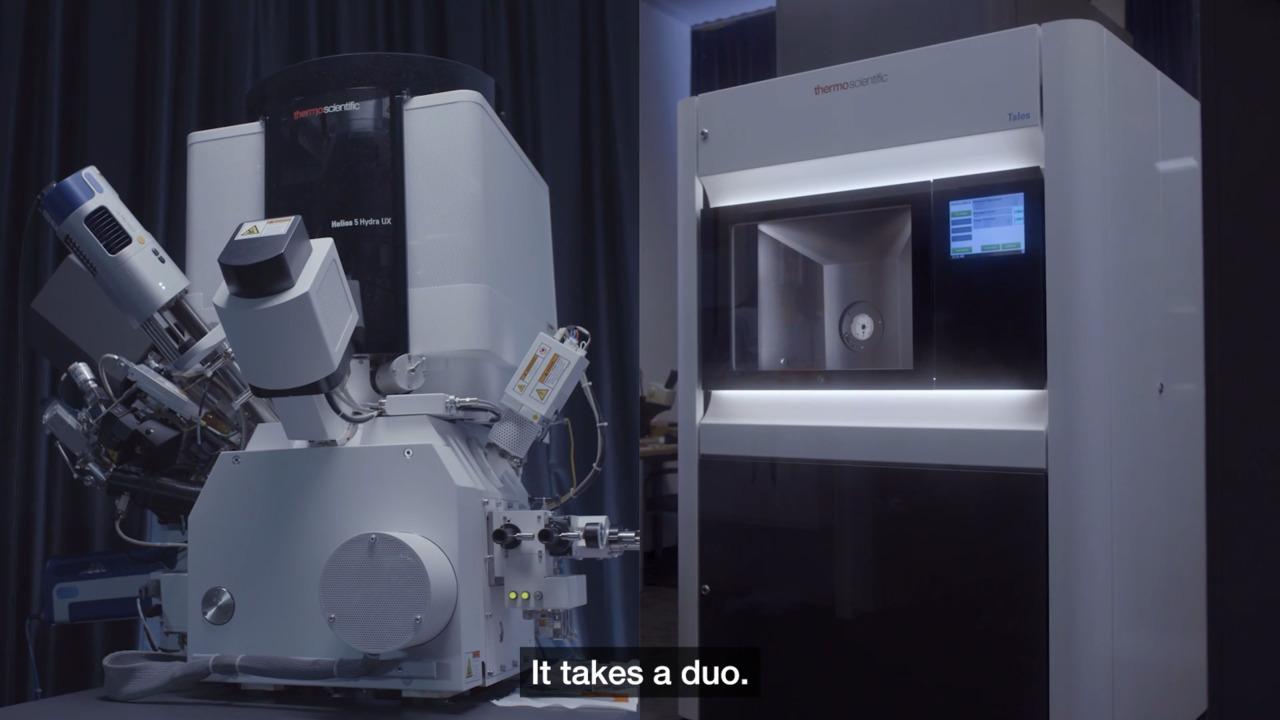
Key Insights
- Multidisciplinary Integration: Nanotechnology fuses physics, chemistry, biology, and engineering to revolutionize industries.
- Wide-Ranging Applications: From medicine and energy to electronics and environmental remediation, nanotech is redefining possibilities.
- Innovation and Market Growth: Rapid technological advancements and a soaring global market underscore its transformative potential.
Understanding Nanotechnology
Nanotechnology involves manipulation and control of matter at the atomic, molecular, and supramolecular levels. This field focuses on structures with dimensions typically between 1 to 100 nanometers. At this scale, materials exhibit unique physical, chemical, and biological properties that differ significantly from those at the macroscopic level.
The ability to engineer materials at such a scale has opened unprecedented opportunities to tailor properties like strength, reactivity, conductivity, and optical characteristics. By exploiting these novel properties, researchers and engineers are creating new devices and systems that can address complex challenges across science and society.
Interdisciplinary Foundations
The Scientific Domains Involved
Nanotechnology is inherently multidisciplinary, drawing on a wide range of scientific and engineering fields:
Physics and Materials Science
At the heart of nanotechnology is the study of how materials behave when their dimensions approach the nanoscale. Quantum mechanical effects, which are often negligible at larger scales, become significant and can be harnessed to design materials with exceptional electrical, magnetic, and optical properties.
Chemistry and Surface Science
Chemical manipulation at the nanoscale enables the synthesis of complex molecules and nanostructures. Surface science plays a crucial role, as the increased surface area to volume ratio leads to enhanced chemical reactivity and catalytic properties.
Biology and Biotechnology
Nanotechnology has revolutionized biomedical applications, from drug delivery systems to diagnostics and tissue engineering. By interfacing with biological systems at the molecular level, nanomaterials can target specific cells, facilitate controlled release of medications, and improve imaging techniques.
Wide-Ranging Applications of Nanotechnology
Medicine and Healthcare
In the medical field, nanotechnology is paving the way for innovative therapies and diagnostic tools. Nanoparticles serve as carriers for targeted drug delivery, ensuring that medicines reach specific cells or tissues and reducing side effects. This targeted approach is particularly crucial in cancer treatment, where precision is paramount.
Other significant applications include nano-enabled vaccines that provoke robust immune responses and nano scaffolds that facilitate cellular regeneration and guide tissue engineering. The ability to visualize and diagnose diseases at an early stage using nanoscale imaging further enhances healthcare outcomes.
Electronics and Computing
Nanotechnology is instrumental in the miniaturization and enhancement of electronic components. By utilizing nanoscale transistors and conductive materials, modern electronics achieve faster processing speeds while consuming less power. This miniaturization trend is critical for the evolution of computing devices, making them more efficient and powerful.
Additionally, in data storage, the use of nanomaterials such as magnetic nanoparticles has led to significant improvements in storage density and speed. Innovations in quantum computing are also driven by developments in nanotechnology, where materials with unique quantum properties are essential.
Energy and Environmental Remediation
The energy sector benefits extensively from nanotechnology. Nanostructured materials are key components in the development of high-efficiency solar cells and advanced batteries. Enhanced energy storage devices, including lithium-ion batteries with improved power densities, are being developed through nanoscale engineering.
In environmental applications, nanomaterials are used to purify water, air, and soil. For example, nanoparticles can break down pollutants or capture heavy metals, making them highly effective in refining contaminated environments. These innovations offer a promising route toward sustainable development and cleaner energy.
Industrial and Consumer Applications
Beyond high-tech sectors, nanotechnology is making its way into everyday products and industrial materials. In construction and automotive manufacturing, nanomaterials enhance the durability and performance of composites and coatings. Products such as self-cleaning surfaces, scratch-resistant coatings, and lightweight yet strong materials are becoming mainstream thanks to nanotech innovations.
Nanotechnology also improves food safety and packaging. Nanocomposites in packaging materials help extend shelf life and monitor environmental conditions, ensuring quality and reducing waste. Similarly, the cosmetics industry employs nanoparticles in sunscreens and skincare products to improve application and protective properties.
Recent Trends and Technological Advancements
Breakthrough Innovations
In recent years, the development of advanced 3D printing techniques has facilitated the creation of nanostructured materials with high precision. This technology allows for the fabrication of thermoelectric materials with enhanced efficiency, as well as the production of intricate nanoscale scaffolding for biomedical applications.
Innovations such as hybrid microscopes that enable simultaneous 3D imaging of molecular ensembles have significantly improved our ability to observe and manipulate nanoscale structures. Advanced photonic switches and breakthroughs in decoding the growth processes of two-dimensional materials, like Hexagonal Boron Nitride, demonstrate the dynamic capabilities of nanotechnology.
Economic Impact and Market Growth
The nanotechnology market is experiencing robust growth. With market projections indicating expansion from billions to over a hundred billion USD in the coming years, the economic landscape of nanotech is evolving rapidly. The compound annual growth rate and emerging sectors, such as nanotechnology services, underscore the industry's potential and promise.
Current Challenges
Despite its remarkable potential, nanotechnology faces several challenges. Scaling up production while maintaining the quality and consistency of nanoscale materials is complex. Furthermore, the environmental and health implications of nanomaterials need to be comprehensively evaluated and regulated. This is crucial to ensure safe development and adoption across industries.
Regulatory frameworks must be reassessed to address the unique challenges presented by the nanoscale, including the ethical dimensions of biointegration and the long-term sustainability of nanoproducts. Considering these aspects is key to realizing the full promise of nanotechnology responsibly.
Comparative Overview Table
The following table summarizes key application areas, technological advancements, and the challenges faced in the realm of nanotechnology:
| Application Area | Key Innovations | Main Benefits | Challenges |
|---|---|---|---|
| Medicine & Healthcare | Drug delivery systems, nano-imaging, tissue scaffolding, nanoparticle-based vaccines | Targeted treatments, reduced side effects, improved diagnostics, regenerative therapies | Safety evaluation, dosage optimization, cost-effective mass production |
| Electronics & Computing | Nanoscale transistors, high-density data storage, quantum computing components | Faster processing speeds, lower energy consumption, innovative computing paradigms | Integration with existing technologies, managing thermal issues, manufacturing complexity |
| Energy & Environment | Enhanced solar cells, efficient batteries, water purification nanoparticles | Improved energy efficiency, sustainable energy sources, effective environmental remediation | Production scalability, environmental impact assessments, high initial costs |
| Industrial Applications | Nanocomposites, self-cleaning and protective coatings, smart packaging | Increased material durability, energy savings, enhanced consumer safety | Regulatory standards, long-term performance, resource-intensive manufacturing |
Future Outlook and Innovations
As research and development continue to advance, the future of nanotechnology looks bright. Emerging trends such as nanozymes and bioinks promise to further revolutionize biomedical applications, including breakthroughs in 3D bioprinting. In the field of quantum computing, nanoscale materials with distinct quantum mechanical properties may unlock new computational paradigms.
The economic forecast for nanotechnology is equally promising, with an ever-expanding global market. However, to fully harness these opportunities, ongoing efforts are needed to address technical challenges, scale production processes, and implement robust regulatory frameworks. Collaborative efforts across industries, academia, and government bodies will be key to sustaining innovation while ensuring environmental and public health safety.
References
- Nanotechnology Introduction: A Complete Beginner's Guide - Nanowerk
- Nanotechnology - Wikipedia
- Nanotechnology | Manufacturing, Food Processing, & Atoms - Britannica
- Applications of Nanotechnology | National Nanotechnology Initiative
- Nanotechnology Outlook - StartUs Insights
Recommended Searches
Last updated March 9, 2025