
Research Proposal: The Impact of Narcissistic Personality on Mental Health and Social Environments
Exploring the Psychological and Social Consequences of Narcissistic Traits
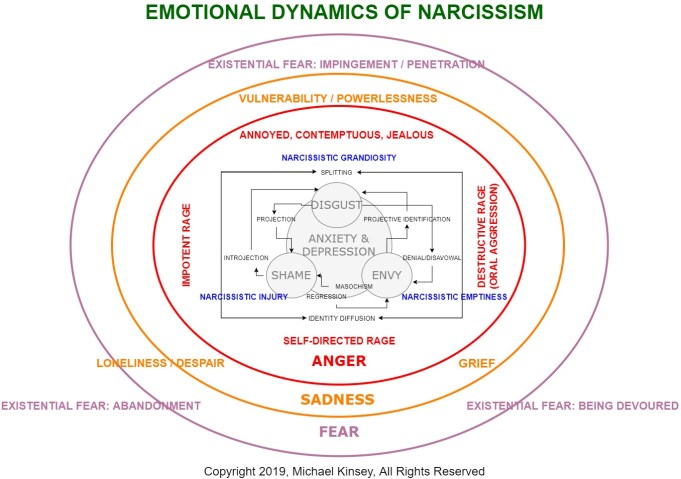
Key Takeaways
- Narcissistic traits significantly influence both individual mental health and interpersonal relationships.
- Understanding the impact of narcissism can inform effective intervention and support strategies.
- Comprehensive research methodologies are essential for uncovering the multifaceted effects of narcissistic behavior.
Introduction
Narcissistic Personality Disorder (NPD) is a pervasive mental health condition characterized by an inflated sense of self-importance, an excessive need for admiration, and a lack of empathy for others. Individuals with NPD often engage in behaviors that can disrupt their personal and professional relationships, leading to significant strain on their mental health and the well-being of those around them. This research proposal aims to delve into the intricate effects of narcissistic personality traits on both the individuals who exhibit them and their surrounding environments, including family, friends, and broader social networks.
Objectives
The primary objectives of this research are as follows:
- To identify and analyze the specific mental health challenges faced by individuals with narcissistic personality traits.
- To examine the effects of narcissistic behavior on the mental well-being of those in close relationships with individuals displaying narcissistic traits.
- To investigate the broader societal and environmental impacts of narcissistic personality disorder.
- To develop effective intervention strategies to support individuals with NPD and their social networks.
Literature Review
Extensive research has highlighted the complex relationship between narcissistic traits and mental health. While certain aspects of narcissism, such as grandiosity, are associated with positive self-perceptions and resilience, extreme expressions of these traits are linked to increased anxiety, depression, and interpersonal conflicts. Studies indicate that individuals with high levels of narcissism often experience difficulties in maintaining healthy relationships, both personally and professionally, due to their lack of empathy and manipulative behaviors. Additionally, the presence of narcissistic traits can lead to a toxic social environment, affecting workplace dynamics and community interactions.
Moreover, the literature reveals that the impact of narcissism is not unidirectional. There is evidence suggesting that negative social experiences may contribute to the development or exacerbation of narcissistic traits, indicating a potential cyclical relationship between narcissism and mental health outcomes. However, gaps remain in understanding the mediating factors that influence this relationship, such as social support systems and individual coping mechanisms.
Methodology
Research Design
This study will employ a mixed-methods approach, combining quantitative and qualitative research methodologies to provide a comprehensive understanding of the impact of narcissistic personality traits.
Participants
The study will involve three groups of participants:
- Individuals diagnosed with Narcissistic Personality Disorder.
- Family members, partners, and close associates of individuals with NPD.
- A control group of individuals without narcissistic traits for comparative analysis.
Data Collection Methods
- Surveys and Questionnaires: Standardized tools such as the Narcissistic Personality Inventory (NPI), Beck Depression Inventory, General Anxiety Disorder Scale, and Rosenberg Self-Esteem Scale will be used to assess narcissistic traits and mental health outcomes.
- Interviews: Semi-structured interviews will be conducted with a subset of participants to gather in-depth qualitative data on personal experiences and interpersonal dynamics.
- Longitudinal Assessments: Follow-up assessments will be conducted over a 12-month period to observe changes in mental health and relationship dynamics.
Data Analysis
Quantitative data will be analyzed using statistical methods such as regression analysis to determine the correlation between narcissistic traits and mental health outcomes. Qualitative data from interviews will undergo thematic analysis to identify recurring themes and patterns related to interpersonal challenges and coping strategies.
Ethical Considerations
The study will adhere to ethical guidelines, ensuring informed consent, confidentiality, and the right to withdraw from the study at any point. Participants will be assured that their data will be anonymized and used solely for research purposes.
Budget Overview
| Expense Item | Estimated Cost |
|---|---|
| Personnel (Research Assistants, Data Analysts) | $50,000 |
| Participant Incentives | $10,000 |
| Survey and Data Analysis Software | $5,000 |
| Transcription Services | $3,000 |
| Miscellaneous (Printing, Communication) | $2,000 |
| Total | $70,000 |
Expected Outcomes
The research is anticipated to yield the following outcomes:
- A detailed understanding of how narcissistic personality traits affect the mental health of individuals, including the prevalence of comorbid conditions such as anxiety and depression.
- Insights into the challenges faced by those in close relationships with individuals exhibiting narcissistic traits, including emotional abuse, diminished self-esteem, and difficulties in maintaining healthy boundaries.
- Identification of broader societal impacts, such as strained workplace dynamics and community interactions, resulting from narcissistic behaviors.
- Development of targeted intervention strategies aimed at improving mental health outcomes and fostering healthier interpersonal relationships for those affected by narcissism.
Significance of the Study
This research will significantly contribute to the body of knowledge on Narcissistic Personality Disorder by providing a comprehensive analysis of its effects on mental health and social environments. The findings will inform clinical practices, support systems, and public health policies, ultimately enhancing the well-being of individuals with NPD and those in their social circles. Additionally, understanding the broader societal implications of narcissistic behavior can aid in developing organizational policies and community programs that promote healthier social interactions.
Timeline
The proposed study will be conducted over a 12-month period, following the timeline outlined below:
-
Months 1–2: Finalize research design, obtain ethical approval, and pilot test instruments.
-
Months 3–6: Participant recruitment and data collection (quantitative surveys).
-
Months 7–9: Conduct qualitative interviews and begin preliminary data analysis.
-
Months 10–12: Complete data analysis, synthesize findings, and prepare the final report.
Conclusion
Narcissistic Personality Disorder poses significant challenges not only to the individuals diagnosed with it but also to their immediate social environments. By exploring the multifaceted impacts of narcissistic traits on mental health and interpersonal relationships, this research aims to provide a holistic understanding of the disorder. The insights gained from this study will be instrumental in developing effective interventions and support mechanisms, ultimately fostering healthier and more supportive social ecosystems for those affected by narcissism.
References
Last updated February 11, 2025