
Connections Between Frequent Nightmares, Narcolepsy, and Difficulty Achieving Deep Sleep
Exploring the intricate relationships influencing sleep quality and mental well-being
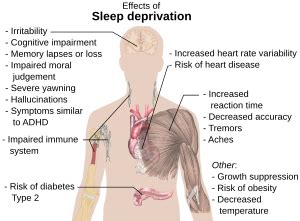
Key Takeaways
- REM Sleep Dysregulation: Individuals with narcolepsy experience an abnormal transition into REM sleep, leading to vivid and distressing nightmares.
- Fragmented Sleep Architecture: The inability to maintain deep sleep stages results in chronic sleep fragmentation, exacerbating daytime sleepiness and emotional instability.
- Comprehensive Management Strategies: Addressing both the neurological and psychological aspects through medication and cognitive therapies is crucial for improving overall sleep quality.
Understanding Narcolepsy: Symptoms and Sleep Architecture
A Comprehensive Overview of Narcolepsy
Narcolepsy is a chronic neurological disorder that disrupts the brain's ability to regulate sleep-wake cycles. Characterized by excessive daytime sleepiness, sudden muscle weakness (cataplexy), sleep paralysis, and vivid hallucinations, narcolepsy significantly impairs daily functioning and quality of life. One of the most critical aspects of narcolepsy is its impact on sleep architecture—the natural progression of sleep stages throughout the night.
Disrupted Sleep Stages
In a typical sleep cycle, individuals progress from light sleep (NREM stages 1 and 2) to deep, restorative sleep (NREM stage 3) before entering REM (Rapid Eye Movement) sleep, which is associated with dreaming. However, in narcolepsy, this progression is disrupted, leading to an imbalance in sleep stages:
- Rapid Transition to REM Sleep: Individuals with narcolepsy often enter REM sleep within minutes of falling asleep, bypassing the extended periods of light and deep sleep experienced by those without the condition.
- Frequent REM Intrusions: REM sleep episodes may intrude into wakefulness or occur multiple times throughout the night, preventing the consolidation of deep sleep phases.
- Sleep State Instability: The boundaries between sleep and wakefulness become blurred, resulting in fragmented and inconsistent sleep patterns.
Frequent Nightmares in Narcolepsy
Mechanisms Behind Vivid and Distressing Dreams
The dysregulation of REM sleep in narcolepsy plays a pivotal role in the frequency and intensity of nightmares experienced by individuals with the disorder:
- Heightened REM Activity: The accelerated onset of REM sleep leads to an increased number of REM periods, resulting in more opportunities for vivid and emotionally intense dreams.
- Enhanced Dream Vividness: Dreams during REM sleep in narcoleptic patients are often exceptionally lifelike and detailed, making them more likely to be remembered and perceived as nightmares.
- Emotional Amplification: The emotional content of dreams is often amplified due to the irregularities in neurotransmitter regulation associated with narcolepsy, leading to heightened feelings of fear, anxiety, and distress within nightmares.
Prevalence and Impact of Nightmares
Research indicates that a significant proportion of individuals with narcolepsy experience frequent nightmares:
- Statistical Insights: Approximately 30% to 40% of those with narcolepsy report experiencing frequent and vivid nightmares, which can contribute to sleep anxiety and further disrupt sleep quality.
- Emotional Consequences: The distressing nature of nightmares can lead to increased anxiety surrounding sleep, creating a vicious cycle where fear of nightmares exacerbates sleep fragmentation and reduces overall sleep quality.
- Overlap with Nightmare Disorder: The intensity and frequency of nightmares in narcolepsy can resemble nightmare disorder, where persistent nightmares cause significant distress and impair daily functioning.
Inability to Achieve Deep Sleep
Consequences of Fragmented Sleep Architecture
The disruption of normal sleep progression in narcolepsy leads to an inability to achieve and maintain deep sleep (NREM stage 3), which is essential for physical restoration and cognitive functions:
- Reduced Deep Sleep (N3): Individuals with narcolepsy spend significantly less time in deep sleep due to frequent awakenings and transitions into REM sleep, undermining the restorative benefits typically gained from prolonged deep sleep phases.
- Sleep Fragmentation: The continual interruptions between sleep stages prevent the consolidation of deep sleep, resulting in fragmented and non-restorative sleep.
- Impact on Daytime Functioning: The lack of sufficient deep sleep contributes to excessive daytime sleepiness (EDS), impairing concentration, memory, and overall cognitive performance during waking hours.
Physiological Implications
Insufficient deep sleep has far-reaching effects on both physical and mental health:
- Physical Restoration: Deep sleep is crucial for muscle repair, tissue growth, and immune function. Its disruption can lead to increased susceptibility to infections, slower healing processes, and reduced physical resilience.
- Cognitive Impairment: Memory consolidation, learning, and problem-solving abilities are closely tied to deep sleep. A deficit in this sleep stage can result in impaired cognitive functions and reduced academic and professional performance.
- Mood Disorders: Chronic lack of deep sleep is associated with mood swings, increased irritability, and a higher risk of developing depression and anxiety disorders.
Interplay Between Nightmares and Deep Sleep Disruption
Vicious Cycle of Sleep Disturbance
The relationship between frequent nightmares and the inability to achieve deep sleep creates a self-perpetuating cycle that exacerbates sleep quality and overall well-being:
- Sleep Anxiety: The anticipation of nightmares can lead to anxiety around sleep, making it more difficult to fall and stay asleep, thus preventing the transition into deep sleep stages.
- Increased Fragmentation: Nightmares often awaken individuals from REM sleep or even lighter sleep stages, leading to increased sleep fragmentation and reduced opportunities for deep sleep.
- Emotional Strain: The emotional distress caused by nightmares can interfere with the ability to relax and achieve restorative sleep, further compromising the sleep architecture.
Polysomnographic Findings
Sleep studies (polysomnography) on individuals with narcolepsy have revealed specific patterns that underscore the impact of nightmares and deep sleep disruption:
- Elevated Wakefulness: Higher levels of wakefulness during the night indicate frequent awakenings and difficulty maintaining continuous sleep, contributing to poor sleep quality.
- Increased Light Sleep (NREM-1): A greater proportion of time spent in light sleep stages suggests that the body is unable to transition into deeper, more restorative sleep.
- REM Sleep Intrusion: The prevalence of REM sleep intruding into periods of wakefulness highlights the instability of sleep states in narcolepsy, leading to a dominance of REM sleep at the expense of deep sleep.
Psychological and Physical Impacts
Cognitive and Emotional Consequences
The combined effects of frequent nightmares and disrupted deep sleep have significant cognitive and emotional ramifications:
- Memory and Learning: Impaired deep sleep affects the brain's ability to consolidate memories and process information, leading to deficits in learning and memory retention.
- Emotional Regulation: Lack of restorative sleep hinders the brain's capacity to regulate emotions, resulting in heightened stress responses, mood swings, and increased vulnerability to mental health disorders.
- Quality of Life: Chronic sleep disturbances contribute to a diminished quality of life, affecting personal relationships, work performance, and overall well-being.
Physical Health Implications
Beyond cognitive and emotional effects, the inability to achieve deep sleep has direct consequences on physical health:
- Immune Function: Deep sleep is essential for a robust immune system. Its disruption can lead to weakened immune responses, making individuals more prone to illnesses.
- Metabolic Health: Poor sleep quality is linked to metabolic dysregulation, including increased risk of obesity, diabetes, and cardiovascular diseases.
- Physical Recovery: Athletes and individuals engaged in physical labor may experience slower recovery times and reduced physical performance due to inadequate deep sleep.
Management and Treatment Strategies
Pharmacological Interventions
Effective management of narcolepsy and its associated sleep disturbances often requires a combination of medications aimed at regulating sleep cycles and mitigating specific symptoms:
- Stimulants: Medications such as modafinil and amphetamines are commonly prescribed to combat excessive daytime sleepiness, enhancing alertness and reducing the frequency of sleep attacks.
- Sodium Oxybate: This medication helps improve nighttime sleep continuity, reducing the number of awakenings and increasing the proportion of deep sleep.
- Antidepressants: Certain antidepressants suppress REM sleep, which can help decrease the occurrence and intensity of nightmares.
Cognitive Behavioral Therapy (CBT)
CBT is a psychological intervention that addresses the cognitive and emotional aspects of sleep disturbances:
- Sleep-Related Anxiety: CBT helps individuals manage anxiety related to sleep, such as fear of nightmares, thereby improving sleep initiation and maintenance.
- Nightmare Interventions: Techniques like Image Rehearsal Therapy (IRT) are employed to alter the narrative of recurring nightmares, making them less distressing and reducing their frequency.
- Behavioral Strategies: Implementing good sleep hygiene practices and establishing consistent sleep schedules are integral components of CBT for narcolepsy.
Lifestyle Modifications
Adopting specific lifestyle changes can significantly enhance sleep quality and mitigate the impacts of narcolepsy:
- Consistent Sleep Schedule: Maintaining regular bedtimes and wake-up times helps stabilize the sleep-wake cycle, promoting more predictable sleep patterns.
- Sleep Hygiene: Creating a conducive sleep environment—dark, quiet, and cool—and avoiding stimulants like caffeine and electronics before bedtime can improve sleep quality.Scheduled Naps: Strategically timed naps can alleviate daytime sleepiness without disrupting nighttime sleep, providing additional restorative rest.
- Physical Activity: Regular exercise enhances overall sleep quality, promotes deeper sleep, and reduces symptoms of anxiety and depression associated with narcolepsy.
Technological and Supplementary Aids
Incorporating technology and supplements can offer additional support for managing narcolepsy-related sleep disturbances:
-
Sleep Apps and Trackers: Utilizing sleep tracking devices can provide insights into sleep patterns, helping individuals identify disturbances and adjust their habits accordingly.
-
Light Therapy: Exposure to bright light in the morning can help regulate the circadian rhythm, enhancing wakefulness during the day and improving nighttime sleep onset.
-
Melatonin Supplements: Melatonin can aid in regulating the sleep-wake cycle, particularly in individuals who have difficulty maintaining consistent sleep patterns.
Conclusion
Integrated Approach for Improved Sleep Quality
The intricate links between frequent nightmares, narcolepsy, and the inability to achieve deep sleep underscore the necessity for a multifaceted management approach. By addressing both the neurological underpinnings and the psychological consequences of narcolepsy, individuals can attain better sleep quality and overall well-being. Pharmacological treatments, coupled with cognitive-behavioral therapies and lifestyle modifications, form the cornerstone of effective management strategies. Additionally, technological aids and supplementary interventions can provide personalized support, enhancing the efficacy of traditional treatments. Ultimately, a comprehensive and individualized treatment plan can mitigate the adverse effects of narcolepsy, fostering improved sleep hygiene and enhanced quality of life.
References
Last updated January 19, 2025