
Struggling with Orgasm While Taking Nardil? Discover Potential Solutions
Exploring treatments and management strategies for anorgasmia caused by the antidepressant phenelzine (Nardil).
Nardil (phenelzine) is a powerful antidepressant belonging to the monoamine oxidase inhibitor (MAOI) class. While effective for certain types of depression and anxiety disorders, it is known to cause sexual side effects in some individuals. One of the most commonly reported issues is anorgasmia, which is the persistent difficulty or inability to achieve orgasm despite adequate sexual stimulation. This side effect can be distressing and significantly impact quality of life and relationships.
Key Insights on Managing Nardil-Induced Anorgasmia
- Anorgasmia is a recognized side effect: Difficulty or inability to reach orgasm is frequently associated with Nardil due to its effects on neurotransmitters involved in sexual function.
- Multiple treatment avenues exist: Options range from waiting for spontaneous improvement and adjusting dosage to adding specific counteracting medications or exploring non-pharmacological methods.
- Medical consultation is essential: Due to Nardil's complex interactions and potential risks (like hypertensive crisis), any treatment adjustments, including adding supplements or other drugs, must be discussed with and supervised by a qualified healthcare provider.
Understanding Why Nardil Affects Orgasm
The Neurochemical Connection
Nardil works by irreversibly inhibiting monoamine oxidase, an enzyme that breaks down neurotransmitters like serotonin, norepinephrine, and dopamine. The resulting increase in these chemicals is crucial for its antidepressant effect but can also disrupt the delicate neurochemical balance required for normal sexual response, including orgasm. Elevated serotonin levels, in particular, are often implicated in delayed ejaculation and anorgasmia associated with various antidepressants.
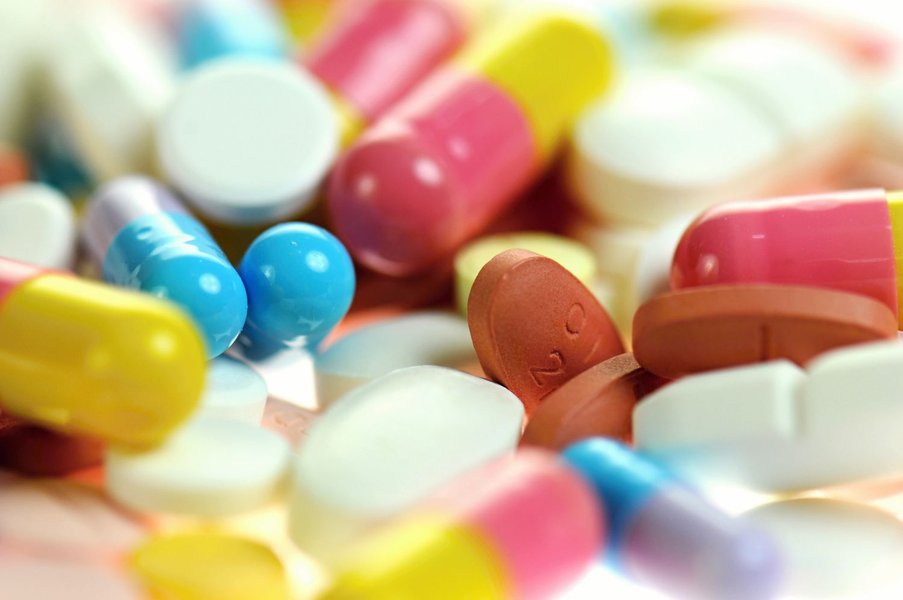
Nardil, like other antidepressants, alters brain chemistry, which can lead to side effects such as anorgasmia.
Exploring Treatment Strategies for Anorgasmia
Finding an effective solution for Nardil-induced anorgasmia often requires a personalized approach and patience. It's crucial to work closely with your doctor to weigh the benefits of Nardil treatment against the impact of sexual side effects. Here are several strategies discussed in clinical literature and patient communities:
Conservative Approaches
Patience and Monitoring ("Wait-and-See")
For some individuals, sexual side effects like anorgasmia may lessen or resolve spontaneously over weeks or months as the body adapts to the medication. Clinical reports document cases of spontaneous remission of MAOI-induced anorgasmia without any change in treatment. If the antidepressant is working well otherwise, a period of watchful waiting might be considered first.
Dosage Adjustment
Lowering the Nardil dosage might alleviate anorgasmia. However, this carries the risk of reducing the medication's effectiveness in treating the underlying condition (e.g., depression). Any dose reduction must be done gradually and under strict medical supervision to avoid withdrawal symptoms or relapse. Abrupt discontinuation is strongly discouraged.
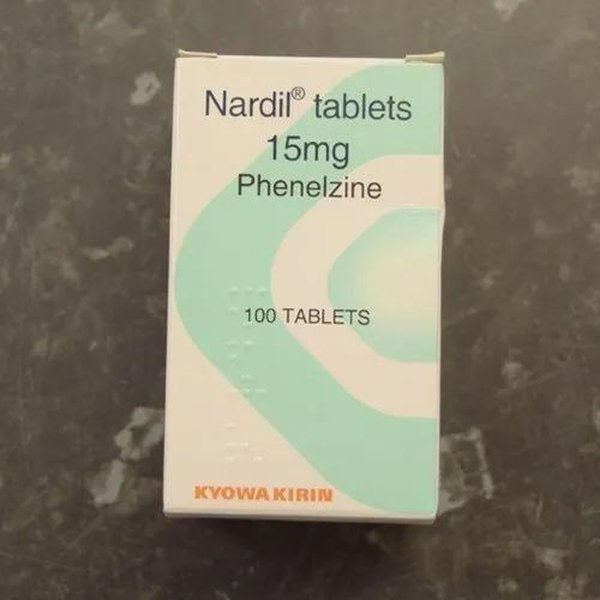
Adjusting the dose of Nardil (phenelzine) tablets may be considered, but requires careful medical guidance.
Pharmacological Interventions (Adjunctive Medications)
Several medications have been explored to counteract Nardil's sexual side effects. These are typically added to the existing Nardil regimen ("augmentation") rather than replacing it. Using these requires careful consideration due to potential interactions with Nardil.
Sildenafil (Viagra)
Primarily known for treating erectile dysfunction (ED), sildenafil works by increasing blood flow. Case reports suggest it can also be effective in treating phenelzine-induced anorgasmia, potentially by improving overall sexual response and arousal, helping individuals reach orgasm.
Yohimbine
Derived from the bark of an African tree, yohimbine is an alpha-2 adrenergic antagonist. It's frequently mentioned in both clinical reviews and patient reports as a potentially effective treatment for antidepressant-induced sexual dysfunction, including anorgasmia and low libido, by enhancing arousal pathways.
Cyproheptadine
This medication has antihistamine and anti-serotonergic properties. By blocking serotonin receptors, cyproheptadine is thought to counteract the orgasm-inhibiting effects of increased serotonin caused by antidepressants like Nardil. It's often suggested to be taken on an "as-needed" basis a few hours before sexual activity.
Buspirone (Buspar)
An anxiolytic medication, buspirone has also shown some promise as an adjunct treatment for antidepressant-induced sexual dysfunction. Its mechanism isn't fully understood but may involve modulation of serotonin receptors. Some reports suggest it can help alleviate anorgasmia when added to an antidepressant regimen.
Cabergoline
A dopamine agonist, cabergoline is sometimes discussed in patient forums as a potential aid for Nardil-induced anorgasmia and ED. The rationale is that it might help restore dopaminergic function, which can be suppressed by high serotonin levels. However, evidence is more anecdotal, and results vary.
Other Potential Adjuncts
Rauwolscine (similar to yohimbine) is sometimes mentioned. Herbal supplements like Ginkgo Biloba, Ginseng, and Maca are also discussed in holistic approaches, with some limited studies suggesting potential benefits for antidepressant-related sexual dysfunction, though robust evidence specifically for Nardil is lacking.
Comparative Overview of Adjunctive Medications
The following table summarizes key aspects of the pharmacological options often considered for managing Nardil-induced anorgasmia. Remember, effectiveness and suitability vary per individual, and medical consultation is paramount.
| Medication | Mechanism of Action (Hypothesized for Anorgasmia) | Reported Effectiveness | Key Considerations & Risks |
|---|---|---|---|
| Sildenafil (Viagra) | PDE5 inhibitor; increases blood flow, potentially improving overall sexual response. | Case reports show effectiveness for phenelzine-induced sexual dysfunction, including anorgasmia and ED. | Requires prescription. Potential side effects (headache, flushing). Check for interactions. |
| Yohimbine | Alpha-2 adrenergic antagonist; may enhance arousal and sympathetic nervous system activity. | Frequently cited as effective for antidepressant-induced sexual dysfunction in reviews and patient reports. | Available as supplement/prescription. Can cause anxiety, increased heart rate, blood pressure changes. Interactions possible. |
| Cyproheptadine | Antihistamine with serotonin receptor blocking properties. | Reported effective, especially when taken as needed before sexual activity. Common recommendation in literature. | Can cause drowsiness. Requires prescription. Potential interactions. |
| Buspirone (Buspar) | Serotonin receptor modulator (5-HT1A partial agonist). | Some clinical evidence suggests benefit as an adjunct for antidepressant-induced sexual dysfunction. | Requires prescription. Generally well-tolerated but can have side effects (dizziness, nausea). |
| Cabergoline | Dopamine D2 receptor agonist. | Anecdotal reports suggest potential benefit, possibly by modulating dopamine levels. | Requires prescription. Used off-label. Potential for side effects (nausea, dizziness). Limited robust evidence for this specific use. |
Non-Pharmacological Approaches
Psychotherapy and Sex Therapy
Talking therapies, such as cognitive-behavioral therapy (CBT) or specific sex therapy, can be beneficial. These can help address any psychological components contributing to sexual difficulties, manage performance anxiety, improve communication with partners, and explore different techniques for achieving sexual satisfaction (e.g., sensate focus exercises).
Visualizing Treatment Strategy Considerations
Choosing a management strategy involves balancing potential effectiveness against risks, complexity, and the strength of supporting evidence. The radar chart below offers a conceptual visualization of how different approaches might compare across these dimensions based on the information gathered. Note that these are generalized assessments and individual experiences can vary significantly.
This chart suggests that while waiting is the least risky, its effectiveness is uncertain. Pharmacological adjuncts like Sildenafil, Yohimbine, and Cyproheptadine may offer higher potential effectiveness but come with increased risk and require careful management. Dose adjustment is potentially effective but carries significant risk to Nardil's therapeutic benefit. Therapy is low risk but may have variable effectiveness depending on individual factors.
Mapping the Problem and Solutions
This mindmap provides a visual overview of Nardil-induced anorgasmia, connecting the medication to its effect, underlying causes, and the various categories of treatment strategies discussed.
to achieve orgasm"] id3["Underlying Cause"] id3a["MAO Inhibition"] id3b["Increased Neurotransmitters
(Serotonin, Norepinephrine, Dopamine)"] id3c["Disruption of Sexual
Response Cycle"] id4["Treatment Strategies"] id4a["Conservative"] id4a1["Wait-and-See
(Spontaneous Remission)"] id4a2["Dosage Adjustment
(Under Supervision)"] id4b["Pharmacological (Adjuncts)"] id4b1["Sildenafil"] id4b2["Yohimbine"] id4b3["Cyproheptadine"] id4b4["Buspirone"] id4b5["Cabergoline"] id4b6["Herbal Supplements
(Ginkgo, Ginseng)"] id4c["Non-Pharmacological"] id4c1["Psychotherapy /
Sex Therapy"] id4c2["Lifestyle /
Behavioral Changes"]
Understanding Anorgasmia: Causes and Treatment Insights
The following video provides a general overview of anorgasmia, discussing its symptoms, potential causes (which can include medication side effects), and general treatment approaches. While not specific to Nardil, it offers helpful context on the condition itself.
Understanding the broader context of anorgasmia can be empowering. Medications are a common cause, but psychological factors, relationship issues, medical conditions, and hormonal changes can also play a role. A thorough evaluation by a healthcare professional is key to identifying contributing factors and tailoring treatment.
Important Considerations When Taking Nardil
Medical Supervision is Non-Negotiable
Nardil is a medication with significant interaction potential. It requires adherence to specific dietary restrictions (avoiding tyramine-rich foods like aged cheeses, cured meats, and certain fermented products) to prevent a dangerous hypertensive crisis. It also interacts with numerous other medications, including many common cold remedies, other antidepressants (especially SSRIs), and certain painkillers. Never add any new medication, supplement (including herbal remedies like Yohimbine or St. John's Wort), or make dosage changes without explicit approval and guidance from your prescribing doctor.
Balancing Efficacy and Side Effects
The decision on how to manage anorgasmia often involves a risk-benefit analysis. Is the side effect tolerable given the mental health benefits Nardil provides? If not, which intervention offers the best chance of relief with the lowest risk? This requires open communication with your healthcare provider about the severity of the anorgasmia and its impact on your life.
Weighing the benefits of medication against potential side effects like sexual dysfunction requires careful consideration and medical advice.
Frequently Asked Questions (FAQ)
Will the anorgasmia definitely go away if I wait?
Not necessarily. While some individuals experience spontaneous improvement or resolution of Nardil-induced anorgasmia over time (weeks to months), it is not guaranteed for everyone. Some people may find the side effect persists as long as they take the medication at an effective dose. Discussing the persistence of symptoms with your doctor is important.
Are adjunct medications like Sildenafil or Yohimbine safe to take with Nardil?
Combining any medication or supplement with Nardil requires extreme caution and must only be done under strict medical supervision. While drugs like sildenafil, yohimbine, cyproheptadine, and buspirone have been used adjunctively in some cases, potential interactions exist. Yohimbine, for instance, can affect blood pressure, which is a critical concern with MAOIs. Your doctor needs to carefully evaluate the risks and benefits and monitor you closely if an adjunct therapy is prescribed.
If I lower the dose of Nardil, will my depression come back?
Lowering the dose of Nardil might reduce side effects like anorgasmia, but it also increases the risk of the medication becoming less effective, potentially leading to a relapse of depression or anxiety symptoms. Finding the lowest effective dose is a balancing act that requires careful monitoring by your doctor. Dose reduction should always be gradual and supervised.
Are there alternative antidepressants that don't cause anorgasmia?
Yes, some antidepressants are associated with lower rates of sexual side effects compared to MAOIs and SSRIs. Bupropion (Wellbutrin) is often cited as having a lower risk profile for sexual dysfunction. Mirtazapine (Remeron) is another option sometimes considered. However, switching antidepressants, especially from an MAOI like Nardil, is complex and requires a washout period (typically 14 days for Nardil) to avoid dangerous interactions like serotonin syndrome. The decision to switch depends on the severity of the side effect versus the effectiveness of Nardil for your condition.
Recommended
- How can sexual side effects from MAOI antidepressants like Nardil be managed?
- Is Yohimbine effective for treating sexual dysfunction caused by antidepressants?
- What are the critical drug interactions and dietary restrictions associated with Nardil (phenelzine)?
- Are there alternative antidepressants to Nardil that are less likely to cause sexual side effects?
References
 cdn.pfizer.com
Last updated May 5, 2025