

Key Insights
- Language Revitalization: 21st-century Native American movements are actively driving the resurgence of indigenous languages through community-driven programs and increased institutional support, aiming to reverse historical decline and foster fluency across generations.
- Cultural Resilience & Adaptation: These movements are instrumental in preserving traditional cultural practices while also facilitating their adaptation into modern contexts, allowing Native American communities to maintain their heritage amidst contemporary life.
- Sovereignty & Policy Impact: Advocacy and activism by Native American movements have led to significant policy changes, legal victories, and increased self-determination, which directly support linguistic and cultural integrity, including the repatriation of sacred lands and resources.
Native American movements in the 21st century have emerged as powerful catalysts for the preservation and revitalization of indigenous languages and cultures. Far from merely resisting historical assimilation, these movements are proactively shaping a future where Native American identities thrive, driven by a deep commitment to cultural resilience, community engagement, and strategic policy advocacy. This comprehensive exploration delves into how these dynamic movements are fostering a profound resurgence in language fluency, traditional practices, and a renewed sense of sovereignty, navigating both historical challenges and contemporary opportunities.
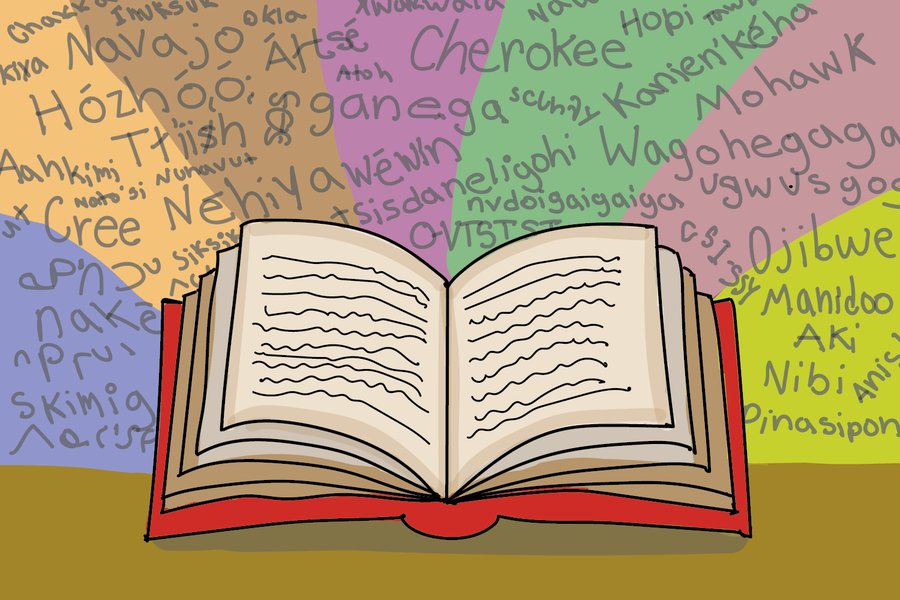
Community-led initiatives are at the forefront of language revitalization efforts.
Reversing the Tides of Language Loss
Historically, Native American languages faced severe decline due to assimilationist policies that suppressed their use in schools and public life. However, 21st-century Native American movements have aggressively challenged this trajectory, championing language revitalization as a cornerstone of cultural identity and survival. These movements understand that language is not merely a tool for communication but a vessel for traditional knowledge, worldview, and spiritual connection.
Community-Driven Language Programs
A significant aspect of this revitalization is the proliferation of community-driven initiatives. Tribes across the United States are establishing language immersion schools, cultural centers, and intergenerational teaching programs. These grassroots efforts are crucial for creating environments where indigenous languages can be learned, practiced, and passed down to younger generations. The focus is often on holistic learning, integrating language acquisition with traditional storytelling, ceremonies, and daily life.
Institutional Support and Policy Advocacy
Beyond local efforts, Native American movements have successfully advocated for increased institutional support and legislative changes. The acknowledgement of past injustices and the implementation of policies like the Native American Languages Act have provided a framework for federal funding and resources aimed at language preservation. This policy support is vital for sustaining long-term revitalization projects, enabling tribes to develop comprehensive curricula, train language teachers, and create digital resources that make learning accessible.
The impact of these efforts is evident in the "profound rebirth" of Native languages, even for those previously considered critically endangered. While challenges persist, the concerted actions of these movements have created a powerful counter-narrative to historical decline, fostering a hopeful future for indigenous linguistic diversity.
Embracing Tradition in a Modern World
Native American movements in the 21st century are not only preserving static traditions but are actively facilitating the adaptation of indigenous cultures within contemporary contexts. This dynamic approach allows Native peoples to participate in modern society while strengthening their cultural heritage. The goal is to integrate traditional practices, art forms, and community gatherings into daily life, ensuring their continued relevance and vibrancy.
The Role of Activism in Cultural Reclamation
Movements like the American Indian Movement (AIM) and various tribal-specific initiatives have consistently emphasized self-determination, which extends to cultural reclamation. Through protests, legal battles, and cultural events, these movements raise awareness and assert the right of Native Americans to practice and evolve their unique cultures. This includes advocating for the protection of sacred sites, the return of ancestral artifacts, and the rejection of commodified or stereotypical portrayals of indigenous identity.
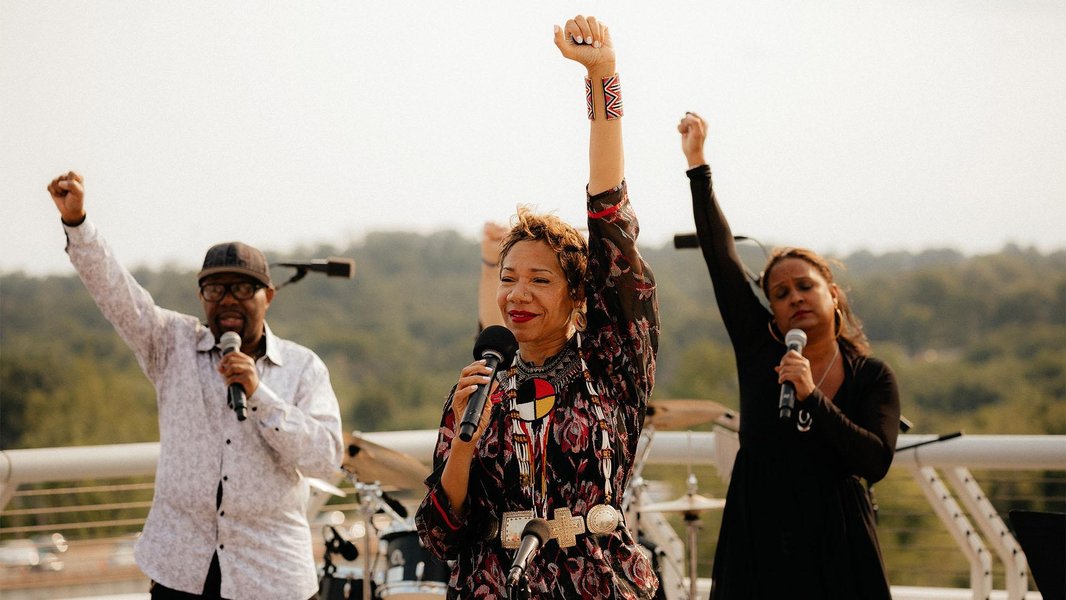
Modern indigenous culture embraces both tradition and contemporary expression.
Impact on Arts and Media
The influence of these movements is also visible in the arts and media. Contemporary Indigenous artists draw inspiration from their heritage, creating new works that reflect both traditional motifs and modern experiences. This not only preserves artistic traditions but also introduces Native perspectives to broader audiences. Furthermore, efforts are being made to increase authentic representation of Native Americans in mainstream media, countering harmful stereotypes and fostering a more accurate understanding of indigenous cultures.
This ongoing cultural adaptation and reclamation process demonstrates the resilience of Native American communities, transforming historical adversity into opportunities for growth and self-expression. It underscores the profound connection between activism and the flourishing of cultural identity.
Key Pillars of Impact: A Mindmap Overview
This mindmap provides a structured overview of the interconnected elements through which Native American movements impact language and culture in the 21st century. It highlights the central role of these movements in fostering revitalization, resilience, and sovereignty.
The mindmap illustrates the comprehensive and interconnected nature of Native American movements, demonstrating how their efforts in language, culture, and sovereignty are mutually reinforcing, contributing to a holistic revitalization.
The American Indian Movement (AIM): A Historical Context for 21st-Century Impact
The roots of contemporary Native American movements are deeply embedded in historical activism, with organizations like the American Indian Movement (AIM) playing a foundational role. Founded in Minneapolis, Minnesota, on July 28, 1968, AIM emerged from the civil rights era, advocating for Native American rights, sovereignty, and cultural preservation. While its most prominent actions occurred in the late 20th century, AIM's legacy continues to shape the strategies and goals of 21st-century indigenous activism.
AIM's focus on self-determination, addressing systemic injustices, and promoting cultural pride laid the groundwork for many of the revitalization efforts seen today. Its activism brought national attention to issues such as treaty rights, police brutality against Native Americans, and the need for educational reform that respected indigenous cultures. The visibility and awareness generated by AIM and similar movements were crucial in shifting public perception and pressuring governmental bodies to address Native American concerns.
The video below provides a historical overview of the American Indian Movement, highlighting its origins and early impact. Understanding this historical context is essential for appreciating the continuity and evolution of Native American activism into the 21st century, demonstrating how past struggles paved the way for current triumphs in language and cultural revitalization.
Storied 1968: American Indian Movement - A historical look at the founding of AIM.
Comparative Overview of Revitalization Efforts and Challenges
The table below provides a comparative overview of the various aspects of Native American language and cultural revitalization, highlighting the efforts made, the challenges encountered, and the positive impacts observed in the 21st century.
| Aspect | Efforts in the 21st Century | Challenges Faced | Positive Impacts |
|---|---|---|---|
| Language Preservation | Community immersion schools, digital language apps, intergenerational teaching, legislative advocacy for funding. | Elder language speakers decline, lack of consistent funding, intergenerational trauma, limited resources in some remote communities. | Increased fluency rates, stronger cultural identity, improved cognitive development in children, preservation of traditional knowledge. |
| Cultural Revitalization | Revival of ceremonies and traditional arts, modern cultural expressions, educational programs, anti-stereotyping campaigns. | Commercialization of culture, misrepresentation in media, historical trauma, erosion of traditional lands, cultural appropriation. | Renewed sense of pride, community cohesion, mental health benefits, greater understanding and appreciation of Native cultures. |
| Sovereignty & Self-Determination | Legal challenges for treaty rights, land back movements, self-governance initiatives, environmental protection advocacy. | Ongoing jurisdictional disputes, systemic discrimination, economic disparities, political resistance to self-determination. | Increased control over resources, stronger tribal governance, enhanced cultural integrity tied to land, greater political influence. |
| Youth Engagement | Youth language camps, cultural mentorship programs, inclusion in activism, digital platforms for sharing culture. | Attraction to mainstream culture, limited access to cultural education in mainstream schools, digital divide. | Stronger cultural identity among youth, increased interest in traditional ways, future leaders for preservation efforts. |
Frequently Asked Questions
What is the central hypothesis regarding 21st-century Native American movements?
How do these movements impact language revitalization?
What role do Native American movements play in cultural preservation?
How do these movements contribute to sovereignty?
Are there still challenges despite these efforts?
Conclusion
The 21st century marks a pivotal era for Native American communities, largely driven by the unwavering efforts of indigenous movements. These movements are not simply reacting to historical injustices but are actively constructing a resilient future where indigenous languages and cultures not only survive but flourish. By fostering community-driven initiatives, securing vital policy support, and passionately advocating for sovereignty, Native American movements are orchestrating a profound linguistic and cultural resurgence. This ongoing renaissance is strengthening Native identity, improving community well-being, and ensuring that the rich tapestry of indigenous heritage continues to thrive and evolve for generations to come, standing as a testament to profound cultural resilience and adaptive strength.
Recommended Further Exploration
- How has the Native American Languages Act impacted tribal education?
- What are the primary goals of contemporary indigenous environmental justice movements?
- The role of digital technology in Native American language revitalization
- How do modern Native American artists contribute to cultural identity?