
Understanding the Prevalence of Natural Hazards
An in-depth exploration of natural versus man-made disasters
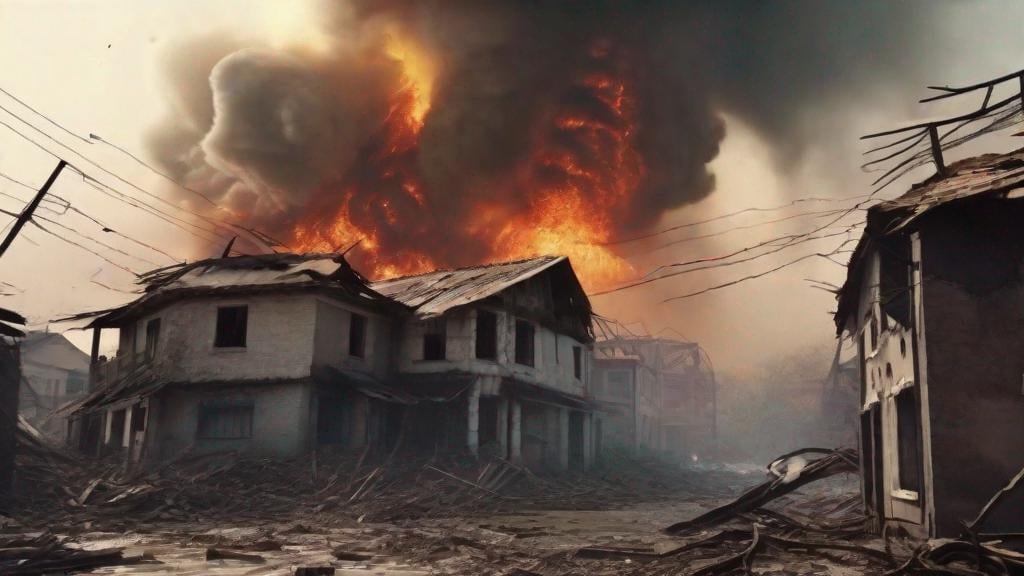
Key Highlights
- Increased Frequency: Data and research indicate that natural hazards have become increasingly frequent and intense over recent decades.
- Climate Change Impact: Climate change is a major contributor to the severity and occurrence of natural disasters, altering weather patterns and enhancing extreme events.
- Distinct Nature: While both natural and man-made hazards pose severe risks, natural hazards arise from environmental processes compared to man-made disasters originating from human actions.
Understanding Natural Hazards
Definition and Causes
Natural hazards include phenomena triggered by environmental processes such as earthquakes, hurricanes, floods, wildfires, volcanic eruptions, and tsunamis. These events are largely driven by natural conditions and cycles in the Earth’s systems. Unlike man-made hazards, which arise due to human errors or deliberate actions, natural disasters are primarily the result of the planet’s inherent dynamism, influenced by factors like geological movements and atmospheric conditions.
Environmental Processes
Natural hazards are tied to several environmental processes which include:
- Geological Activities: Earthquakes, volcanic eruptions, and landslides occur due to tectonic movements and geological instability.
- Meteorological Events: Hurricanes, tropical cyclones, and severe storms are weather-related hazards fueled by atmospheric conditions.
- Hydrological Systems: Floods and tsunamis may originate from heavy rainfall, rapid melting of snow, or seismic sea disturbances.
- Wildfires: Often caused by lightning strikes, extreme weather, or prolonged drought conditions exacerbated by climate warming.
Trends and Evidence
Statistical data and research findings over the past several decades consistently show a marked increase in the frequency and severity of natural hazards. Since the 1960s, reports indicate that natural disasters have risen significantly. For instance, studies suggest that there has been a tenfold increase in natural disasters over the past 60 years, which is linked to environmental variability and an increasingly warming planet. Moreover, advancements in disaster reporting and data collection have improved our ability to document these events, further confirming the upward trend.
Role of Climate Change
Climate change plays a pivotal role in altering the behavior and frequency of natural hazards. The following points elaborate on its impact:
- Temperature Increases: Higher global temperatures contribute to more frequent and severe heatwaves, droughts, and wildfires.
- Intensified Weather Systems: Warmer ocean temperatures lead to stronger tropical storms and hurricanes, while altered atmospheric moisture levels can result in heavier rainfall and subsequent floods.
- Changing Precipitation Patterns: Shifts in weather patterns can lead to unpredictable rainfall, triggering floods in some regions and droughts in others.
This correlation between climate change and natural hazards emphasizes that the increase in such disasters is not random but is closely tied to the ongoing environmental changes on our planet.
Comparative Analysis: Natural vs. Man-Made Hazards
Distinct Characteristics and Origins
While natural hazards originate from environmental and geophysical processes, man-made hazards result from human activities such as industrial operations, technological failures, or intentional destructive practices. These include industrial accidents, pollution events, and infrastructure failures. The inherent differences between these two types of hazards lead to variations in their frequency, mechanisms, and impacts.
Key Differences
| Aspect | Natural Hazards | Man-Made Hazards |
|---|---|---|
| Origin | Environmental and geophysical processes | Human actions and technological processes |
| Examples | Earthquakes, hurricanes, floods, wildfires | Industrial accidents, oil spills, nuclear meltdowns |
| Frequency Trends | Increasing due to climate change and environmental variability | Generally sporadic, often influenced by regulatory and safety measures |
| Scope of Impact | Wide-scale, affecting large regions and millions of people | Often localized, though can be catastrophic when failures occur |
| Predictability | Often difficult to pinpoint, though trends are identified | Can be reduced with improved technology and regulatory practices |
This comparison highlights significant disparities in the origins and implications of these hazards. Natural disasters, exacerbated by climatic changes, often have a more widespread and immediate societal impact compared to man-made hazards, which, despite their potential for major catastrophes, tend to be controlled by human planning and mitigation strategies.
Trends in Data and Research
Historical Data and Recent Trends
Research and statistical studies conducted by various institutions over the last century provide clear evidence of increasing natural hazards. Analysis by organizations such as the United Nations Office for Disaster Risk Reduction, the World Meteorological Organization, and independent research bodies have documented the following trends:
- Exponential Rise in Disasters: Systematic research shows a steep increase in the total number of natural disasters reported since the 1960s. This can be attributed to both improved monitoring and an actual increase in events such as hurricanes, floods, and wildfires.
- Economic and Social Impact: The financial losses and humanitarian impacts of these disasters have also grown. For example, the frequency of billion-dollar weather-related disasters has risen dramatically in recent years, testing the resilience of economies and communities.
- Enhanced Reporting Mechanisms: With technological advancements in remote sensing, satellite imagery, and data processing, it is now possible to record and monitor disasters with higher accuracy. This precision in data collection further confirms the observed trends.
Statistical Evidence
Numerical evidence supports the trends described above. Notable examples include:
- Studies indicating a tenfold increase in the incidence of natural disasters between the 1960s and the early 2000s.
- Reports from meteorological organizations that document a significant increase in extreme weather events, linked to rising sea temperatures and atmospheric changes.
- A rapid escalation in economic losses from disasters, highlighting the growing financial burden on societies globally.
Media Coverage and Public Perception
The increased visibility of natural hazards in news and media also contributes to the perception that these events are becoming more frequent. Media outlets have greatly enhanced their reporting capacities, often featuring in-depth coverage of major natural disasters. This increase in awareness is compounded by social media, which disseminates real-time updates, further emphasizing the prevalence of these events. In contrast, although man-made hazards do occur, they may receive less continuous media focus unless they result in catastrophic outcomes.
Impact on Policy and Preparedness
The growing frequency of natural disasters has had a profound impact on policy planning and disaster risk reduction strategies. Public policy is increasingly focused on adapting to climate change, enhancing infrastructure resilience, and improving early warning systems to mitigate the impact of events such as floods and hurricanes. As communities and governments adjust to these realities, significant investments are made in research and technology aimed at improving forecasting capabilities, emergency response mechanisms, and overall disaster readiness.
Economic and Societal Implications
Financial Burden and Recovery Efforts
The economic repercussions of natural disasters have significantly escalated over recent decades. With the increased frequency and magnitude of events, financial losses have soared, placing immense pressure on governments, insurance companies, and local communities. Recovery and reconstruction efforts are becoming more complex, requiring substantial resources to rebuild infrastructure, restore livelihoods, and provide humanitarian aid. In many instances, the recovery from a particularly severe natural disaster can take years, influencing economic policies and long-term development planning.
Societal Impact
Beyond the monetary costs, the social impact of natural hazards is profound. Communities face displacement, loss of lives, long-term trauma, and disruptions in essential services such as healthcare and education. This societal disruption often calls for comprehensive measures that include community support programs, mental health initiatives, and investments in sustainable infrastructure to prevent future occurrences. The escalating frequency and intensity of natural disasters have spurred global collaborations in disaster risk reduction and emergency management, with many nations revamping their preparedness strategies to mitigate future impacts.
Comparison with Man-Made Disasters
While man-made disasters can be equally devastating, they often arise from factors that may be more controllable through enhanced safety protocols, regulatory oversight, and technological safeguards. The disparity in frequency between natural and man-made disasters primarily stems from the predictable nature of human error versus the unpredictable, though increasingly intense, environmental processes. The continuous rise in natural hazards presents a compelling case for modernizing disaster management frameworks to address both expected and unforeseen challenges.
Strategies for Mitigation and Adaptation
Improving Resilience to Natural Hazards
In response to the growing threat of natural hazards, communities and governments worldwide are adopting innovative strategies aimed at enhancing resilience and adaptive capacity. Some of these strategies include:
- Enhanced Early Warning Systems: Improved monitoring techniques using satellite imagery, remote sensors, and sophisticated data analytics help in forecasting hazardous events and issuing timely warnings to at-risk populations.
- Infrastructure Upgrades: Strengthening buildings, bridges, and public facilities to withstand extreme weather conditions is critical. Designing infrastructure with resilience in mind reduces vulnerability and mitigates damage.
- Policy and Regulation: Governments are formulating policies that promote sustainable land use and enforce building codes that mandate disaster resilience. Furthermore, initiatives geared towards reducing carbon emissions contribute to mitigating climate change, thereby indirectly affecting the frequency of natural hazards.
- Community Preparedness: Educating the public about risks and proper emergency response actions through drills, awareness programs, and community planning initiatives is a vital component of disaster management.
Technology and Innovation in Disaster Management
Technological innovation plays an increasingly critical role in mitigating the impact of natural disasters. Advances in data analytics, forecasting models, and communication technologies have enabled more accurate risk assessments, allowing communities to prepare better for impending disasters. For example, machine learning models are now routinely deployed to analyze weather patterns and predict potential disasters with improved precision. The integration of such technologies with traditional knowledge and infrastructure planning is creating new paradigms in how societies respond to environmental hazards.
The Broader Global Context
Global Trends and Data Corroboration
Several global agencies and research institutions have noted parallels between increased natural hazards and the evolving climate context. Reports from the World Meteorological Organization, United Nations agencies, and independent scientific studies all point to an evolving pattern where environmental hazards are becoming more frequent, often with rapidly escalating impacts.
Interconnected Global Challenges
The trends observed in natural disasters are a reflection of broader environmental challenges. Rising global temperatures, deforestation, urban sprawl, and industrial pollution all interact with natural processes, influencing the frequency and severity of environmental events. This complex interplay between human activity and natural processes signifies that while natural hazards occur more frequently, there is an inherent responsibility for human societies to address contributing factors such as climate change and unsustainable development practices.
Quantifying the Impact
Quantitative analyses and economic assessments are crucial in understanding the impact of natural hazards. These assessments often factor in direct costs, such as damage to infrastructure, and indirect costs, such as loss of productivity and long-term economic downturns. The following table illustrates a comparative analysis between key indicators for natural hazards and man-made disasters:
| Indicator | Natural Hazards | Man-Made Hazards |
|---|---|---|
| Frequency | Significantly increasing over the past decades | Sporadic, with improvements due to better regulatory controls |
| Economic Cost | Rising dramatically with increased severity and intensity | Generally lower or more contained, though potentially severe in isolated events |
| Casualties | High, especially in densely populated or unprepared regions | Varies; controlled incidents typically result in fewer casualties |
| Media Coverage | Extensively covered due to large-scale impact and frequent occurrences | Often highlighted when catastrophic events occur |
Such detailed statistical comparisons provide vital insights for policymakers, researchers, and emergency management professionals. They help in calibrating responses appropriately and underscore the pressing need for global collaboration and robust preventive measures.
Additional Considerations
Integrated Disaster Management
Given the growing frequency of natural hazards, integrated disaster management is an essential strategy. This approach involves the coordination of multiple sectors, including government agencies, non-governmental organizations, research institutions, and community organizations. A well-coordinated response can significantly reduce the impact of disasters. Key elements include:
- Risk Assessment: Continual evaluation of potential hazards based on updated scientific data and local environmental conditions.
- Resource Allocation: Strategic channeling of resources to high-risk areas and initiatives that build long-term resilience.
- Communication Systems: Establishing reliable communication networks to ensure rapid dissemination of early warnings and emergency instructions.
- Training and Drills: Simulated exercises for both emergency responders and the general public to prepare for disaster scenarios.
Urban Planning and Environmental Regulations
Long-term mitigation strategies require thoughtful urban planning and stringent environmental regulations. By incorporating green spaces, enforcing building codes, and designing infrastructure that can better withstand extreme weather events, communities reduce the risk and potential impact of natural hazards. These regulations not only protect human life but also ensure that economic losses are minimized during disaster events. Urban planning that considers risk factors and regional environmental conditions serves as a proactive approach to disaster risk management.
References
- Forbes Advisor - Forbes
- United Nations University - UNU
-
FEMA - FEMA.gov
- World Wildlife Fund - WWF
- Our World in Data - Our World in Data
Related Queries for Further Exploration
Last updated March 7, 2025