
Capturing Nature's Essence: A Comprehensive Guide to Nature Photography
Unveiling the Art and Techniques Behind Breathtaking Natural Images
Nature photography is an incredibly rewarding pursuit, allowing you to connect with the natural world and share its beauty with others. It encompasses a vast array of subjects, from expansive landscapes and towering trees to intricate details of flowers, insects, and wildlife. This guide will provide you with a comprehensive overview of essential tips, creative ideas, and technical considerations to elevate your nature photography, whether you're a beginner with a smartphone or an experienced photographer with advanced gear.
Key Insights for Captivating Nature Photography
- Mastering Light: The quality and direction of light are paramount in nature photography. Aim for the "golden hours" (just after sunrise and before sunset) for soft, warm, and magical illumination that enhances colors and textures.
- Embracing Composition: Utilize classic compositional rules like the Rule of Thirds, leading lines, and symmetry to create visually engaging and balanced photographs. Experiment with different angles and perspectives to add depth and interest.
- Patience and Observation: Nature is unpredictable. Successful nature photography often requires patience, whether you're waiting for the perfect light, a fleeting wildlife moment, or a unique weather phenomenon. Cultivating a keen sense of observation helps you spot compelling subjects and scenes that others might miss.
Exploring the Diverse World of Nature Photography
Nature photography is a broad genre that offers endless opportunities for exploration and creativity. Understanding its various facets can help you discover your preferred subjects and styles.
Landscape Photography: Capturing Grand Vistas
Landscape photography focuses on vast natural scenes, such as mountains, forests, rivers, and coastlines. It often involves showcasing the grandeur and majesty of the environment. Key to compelling landscape shots is paying attention to foreground interest, dramatic skies, and the interaction of light with the terrain.
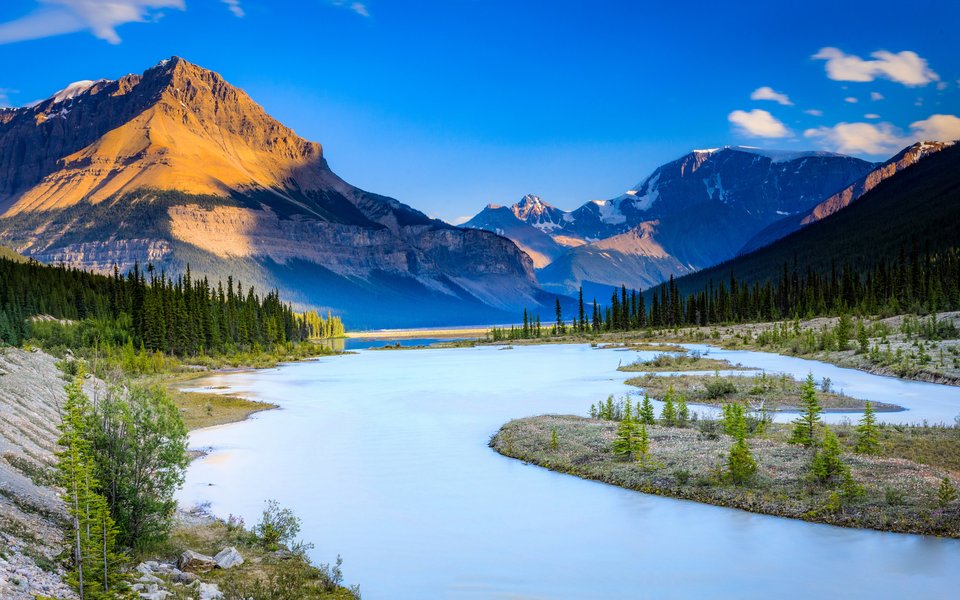
A breathtaking natural landscape with a winding river and majestic mountains.
Tips for Stunning Landscapes:
- Golden Hour Magic: As mentioned, the light during sunrise and sunset can transform a landscape, adding warmth, depth, and long shadows.
- Utilize Foreground Elements: Incorporating interesting rocks, plants, or water features in the foreground can add depth and draw the viewer's eye into the scene.
- Consider the Sky: The sky plays a significant role in landscape photography. Dramatic clouds or a colorful sunset can make an ordinary landscape extraordinary.
- Straight Horizons: Ensure your horizons are level to maintain a professional look. A tripod can be invaluable for this.
Wildlife Photography: Documenting the Animal Kingdom
Wildlife photography is about capturing animals in their natural habitats. This genre demands immense patience, a deep understanding of animal behavior, and often specialized equipment like long telephoto lenses. Ethical considerations, such as not disturbing the animals or their environment, are paramount.
Strategies for Successful Wildlife Shots:
- Patience is Key: Animals are unpredictable. Be prepared to wait for long periods for the right moment or action.
- Know Your Subject: Researching the habits and movements of the animals you intend to photograph will significantly increase your chances of success.
- Maintain Distance: Use appropriate lenses to capture close-up shots without disturbing or stressing the animals. Never put yourself or the wildlife in danger.
- Sharp Focus on the Eyes: For compelling animal portraits, ensure the animal's eyes are in sharp focus, as this creates a strong connection with the viewer.
Macro Photography: Unveiling Hidden Worlds
Macro photography allows you to capture extreme close-ups of small subjects, revealing intricate details often invisible to the naked eye. This can include water droplets, insects, flowers, or textures in nature. It's an excellent way to find photographic opportunities even in your own backyard.

Detailed view of the forest floor, highlighting the beauty of small natural elements.
Tips for Detailed Macro Photography:
- Macro Lens: A dedicated macro lens is ideal for achieving true macro magnification. Extension tubes or close-up filters can be more affordable alternatives.
- Stable Setup: Even slight camera shake can blur your macro shots. A tripod is highly recommended.
- Shallow Depth of Field: Macro photography often features a very shallow depth of field, which can be used creatively to isolate your subject and blur distracting backgrounds.
- Focus Stacking: For maximum sharpness throughout the subject, consider focus stacking techniques where multiple images at different focus points are combined in post-processing.
Seasonal and Thematic Photography
Nature photography also thrives on capturing the seasonal changes and specific natural phenomena. From the vibrant colors of autumn leaves to the delicate beauty of snowflakes, each season offers unique photographic opportunities. Themes like water in nature (reflections, waterfalls, rain droplets) or patterns and textures can also inspire your shoots.
Ideas for Thematic Shoots:
- Seasonal Changes: Document how a specific location transforms through spring blossoms, summer lushness, autumn colors, and winter snow.
- Water in Nature: Focus on reflections in lakes, the movement of waterfalls, dewdrops on leaves, or the patterns created by ripples.
- Patterns and Shapes: Look for repetition, symmetry, and abstract patterns in natural elements like tree bark, rock formations, or flower petals.
- Food in Nature: Capture fruits, berries, and seed pods, especially as they provide sustenance for wildlife.
Essential Equipment and Techniques
While the best camera is the one you have with you, understanding some basic equipment and techniques can significantly enhance your nature photography.
Camera Gear Considerations
While a high-end DSLR or mirrorless camera offers the most flexibility and image quality, many excellent nature photos can be taken with a smartphone. The key is understanding the limitations and strengths of your equipment.
| Equipment Type | Benefit for Nature Photography | Considerations |
|---|---|---|
| Camera Body | Offers manual control, high resolution, and interchangeable lenses. | DSLRs for optical viewfinder, Mirrorless for compact size and advanced features. |
| Lenses | Wide-angle for landscapes, telephoto for wildlife, macro for close-ups. | Consider focal length, aperture (f-stop) for depth of field. |
| Tripod | Essential for sharp images in low light, long exposures, and macro photography. | Ensures stability, especially for landscapes and detailed shots. |
| Filters | Polarizers reduce glare, ND filters allow for long exposures, graduated ND balance skies. | Enhance colors and manage challenging light conditions. |
| Remote Shutter Release | Minimizes camera shake, especially with a tripod. | Useful for long exposures and macro photography. |
| Protective Gear | Rain covers, camera bags, lens cloths. | Protect your equipment from the elements. |
Mastering Camera Settings
Understanding fundamental camera settings like ISO, aperture, and shutter speed is crucial for capturing the desired mood and sharpness in your nature photos. Experimenting in manual mode is highly recommended.
Key Settings and Their Impact:
- Aperture (f-stop): Controls depth of field. A high f-number (e.g., f/16) keeps more of the scene in focus (good for landscapes), while a low f-number (e.g., f/2.8) creates a shallow depth of field, blurring the background (ideal for portraits or isolating subjects).
- Shutter Speed: Controls motion. Fast shutter speeds (e.g., 1/1000s) freeze action (great for wildlife), while slow shutter speeds (e.g., 1/2s or longer) create motion blur (for silky waterfalls or intentional camera movement).
- ISO: Controls sensitivity to light. Keep ISO as low as possible (e.g., 100 or 200) for the best image quality and least noise, especially in good light. Increase it only when necessary in low-light conditions.
- White Balance: Ensures accurate color representation based on the light source. Using presets or custom white balance can achieve more natural or artistic color tones.
Developing Your Creative Vision
Beyond technical skills, developing a creative eye is what truly sets nature photography apart. This involves keen observation, a willingness to experiment, and a personal connection to the natural world.
The Power of Composition
Composition is how elements within your frame are arranged. Strong composition guides the viewer's eye and creates a more impactful image.
Fundamental Compositional Rules:
- Rule of Thirds: Divide your image into nine equal sections with two horizontal and two vertical lines. Placing key subjects or points of interest along these lines or at their intersections often creates more balanced and engaging compositions.
- Leading Lines: Use natural lines in the landscape (rivers, paths, fences, tree branches) to lead the viewer's eye towards your main subject.
- Symmetry and Patterns: Look for symmetrical elements or repeating patterns in nature. Reflections in water are a classic example of natural symmetry.
- Framing: Use natural elements like tree branches, archways, or rock formations to frame your subject, drawing attention to it.
- Negative Space: Sometimes, what you leave out is as important as what you include. Using negative space can simplify your composition and emphasize your subject.
Embracing Different Perspectives
Don't be afraid to change your viewpoint. Shooting from a low angle can make subjects appear grander, while a high angle can offer a unique perspective of a scene. Get down low for flowers or insects, or find a higher vantage point for landscapes.
Intentional Camera Movement (ICM)
For an artistic and abstract approach, try intentional camera movement. By moving your camera during a slow exposure, you can create painterly effects, blurring lines and colors into evocative images. This technique requires experimentation with shutter speed and movement direction.
Post-Processing: Enhancing Your Vision
Post-processing is an integral part of modern photography. Software like Adobe Lightroom or Photoshop allows you to fine-tune your images, adjusting exposure, contrast, colors, and sharpness. This is where you can bring out the full potential of your raw files.
Key Post-Processing Adjustments:
- Exposure and Contrast: Correcting brightness and darkness, and enhancing the difference between light and shadow.
- Color Correction: Adjusting white balance and color vibrancy to make your images pop.
- Sharpening and Noise Reduction: Improving image clarity and reducing unwanted grain, especially in high ISO shots.
- Cropping and Straightening: Refining your composition and correcting crooked horizons.
Understanding Your Creative Strengths: A Nature Photography Compass
To help visualize your potential strengths and areas for growth in nature photography, here's a radar chart. This chart is based on common attributes of successful nature photographers, allowing you to reflect on where your passion and skills currently lie, and where you might want to develop further.
This radar chart illustrates various facets crucial for a successful nature photographer. Your "Current Strengths" are an example of how you might rate yourself, while the "Ideal Nature Photographer" provides a benchmark for aspiration. Use this as a self-assessment tool to identify areas where you excel and where you can focus your learning and practice.
Further Inspiration and Learning
Nature photography is a journey of continuous learning and inspiration. Here's a highly relevant video that can help you with your journey:
This video offers creative ideas to spark your inspiration for wildlife and nature photography. It provides practical tips to help you kickstart your artistic vision and discover new approaches to capturing the natural world.
This video provides actionable tips and ideas to ignite your creativity, whether you're focusing on wildlife or broader nature scenes. It emphasizes practical approaches that can be applied to various photographic situations, helping you to look beyond the obvious and find unique compositions.
Frequently Asked Questions (FAQ)
What is the most important tip for nature photography?
Do I need expensive gear for nature photography?
How can I find inspiration for nature photos close to home?
What are the "golden hours" and why are they important?
Is post-processing necessary for nature photography?
Conclusion
Nature photography is more than just taking pictures; it's an immersive experience that deepens your connection with the natural world. By combining technical knowledge with a creative eye, patience, and ethical practices, you can capture the awe-inspiring beauty that surrounds us. Remember to experiment, learn from every shot, and most importantly, enjoy the journey of discovery and expression through your lens. The world is full of natural wonders waiting to be photographed, from the grandest landscapes to the smallest details, and with these tips, you are well-equipped to start telling their stories.
Recommended Searches
- Advanced composition techniques for landscape photography
- Ethical considerations in wildlife photography
- Best macro photography lenses for beginners
- Tutorials on editing nature photos in Lightroom
Referenced Search Results
 pexels.com
