
The Importance of Nature and Nurture in Human Development
Exploring the Dynamic Interplay Shaping Our Lives
Key Takeaways
- Genetic Blueprint: Nature provides the foundational genetic makeup that influences physical and behavioral traits.
- Environmental Shaping: Nurture encompasses the diverse environmental factors that mold individual development.
- Interconnected Influence: The interaction between genetics and environment is essential in determining the complexity of human development.
Introduction
Human development is a multifaceted process influenced by an intricate balance of genetic inheritance and environmental factors. The longstanding debate of nature versus nurture seeks to understand the relative contributions of our genetic makeup and the environments we are exposed to throughout our lives. This exploration is not about determining which factor holds more weight but rather comprehending how these elements interact to shape our physical attributes, behaviors, cognitive abilities, and overall personality.
In this essay, we delve into the critical roles that nature and nurture play in human development. We examine the genetic foundations that provide the blueprint for our growth and the environmental influences that sculpt and refine these inherent potentials. Furthermore, we explore the synergistic relationship between these forces, highlighting modern scientific insights such as epigenetics and gene-environment interactions that illustrate the complexity of human development.
Nature: The Genetic Foundation
Genetic Influences on Physical Traits
Genetics, the essence of nature, encompass the hereditary information passed down from parents to offspring. This genetic blueprint governs a myriad of physical attributes, including eye color, hair color, height, and susceptibility to certain health conditions. The foundational role of genetics in determining these traits is well-documented, with studies on identical and fraternal twins providing compelling evidence of the heritability of various characteristics.
Behavioral and Psychological Traits
Beyond physical attributes, genetics also play a significant role in shaping behavioral and psychological traits. Research in behavioral genetics has identified genetic components linked to intelligence, personality, and vulnerability to mental health disorders. For instance, identical twins, who share 100% of their DNA, often exhibit remarkable similarities in cognitive abilities and personality traits, even when raised in different environments. This indicates a substantial genetic underpinning to these complex human characteristics.
Genetic Predispositions and Health
Genetic predispositions can influence an individual's likelihood of developing certain health conditions. Conditions such as diabetes, heart disease, and various mental health disorders have been shown to have genetic components. Understanding these predispositions allows for early detection and personalized medical interventions, highlighting the vital role of genetics in overall health and well-being.
Nurture: Shaping Through Environment
Family and Early Childhood Environment
The environment in which a person is raised plays a pivotal role in their development. Family dynamics, parenting styles, and the overall emotional climate of the home significantly influence a child's cognitive and emotional growth. A nurturing and supportive family environment can enhance a child's self-esteem, social skills, and academic performance, while adverse conditions such as neglect or abuse can have long-lasting detrimental effects.
Education and Socioeconomic Factors
Educational opportunities and socioeconomic status are critical components of the nurturing environment. Access to quality education fosters intellectual development and critical thinking skills, while socioeconomic factors can determine the resources available for personal and academic growth. Children from higher socioeconomic backgrounds often have access to better educational facilities, extracurricular activities, and healthcare, contributing to more favorable developmental outcomes.
Cultural and Social Influences
Cultural norms, societal values, and peer interactions are essential environmental factors that shape an individual's behavior and attitudes. Cultural contexts dictate the values and beliefs that guide behavior, while peer interactions during adolescence influence social skills and personal identity. These social and cultural influences play a significant role in molding an individual's worldview and interpersonal relationships.
The Interplay Between Nature and Nurture
Epigenetics: Bridging Genetics and Environment
Epigenetics has emerged as a groundbreaking field that explores how environmental factors can influence gene expression without altering the underlying DNA sequence. This area of study has revealed that experiences such as stress, nutrition, and exposure to toxins can "turn on" or "turn off" certain genes, thereby affecting an individual's development and health outcomes. For example, early life stress has been linked to epigenetic changes that increase the risk of mental health issues later in life, demonstrating how nurture can directly impact genetic expression.
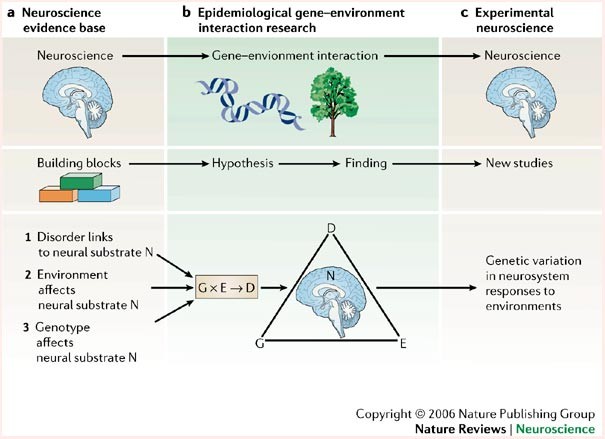
Gene-Environment Interactions
The concept of gene-environment interaction posits that genetic predispositions may only manifest under specific environmental conditions. This interaction means that the presence or absence of certain environmental factors can influence the extent to which genetic traits are expressed. For instance, a genetic predisposition to high intelligence may be fully realized only in an environment that provides adequate educational resources and intellectual stimulation.
Dynamic Developmental Processes
Human development is a dynamic process where nature and nurture continuously interact. As individuals grow and encounter new experiences, their environments can further influence genetic expression, and their evolving genetic makeup can influence how they respond to new environments. This ongoing dialogue ensures that development is adaptable and responsive to both innate potentials and external conditions.
Real-Life Applications and Implications
Educational Strategies
Understanding the interplay between nature and nurture has profound implications for educational strategies. Customized teaching methods that consider a child's genetic predispositions can enhance learning outcomes. For example, children with a natural inclination towards mathematics may benefit from advanced problem-solving activities, while those with a predisposition towards artistic expression may thrive in creative environments.
Healthcare and Personalized Medicine
In healthcare, recognizing genetic predispositions allows for the development of personalized medicine approaches. Genetic screening can identify individuals at risk for certain conditions, enabling early interventions and tailored treatment plans. Additionally, understanding how environmental factors affect gene expression can lead to holistic healthcare strategies that address both genetic and lifestyle factors.
Social and Policy Interventions
Policies that create enriching environments can mitigate negative genetic predispositions. Programs that provide early childhood education, access to nutritious food, and safe living conditions can enhance developmental outcomes for at-risk populations. Social policies that address socioeconomic disparities can create more equitable environments that allow individuals to reach their full potential regardless of their genetic makeup.
Case Studies and Examples
Twin Studies
Twin studies have been instrumental in disentangling the effects of nature and nurture. By comparing identical twins, who share 100% of their DNA, with fraternal twins, who share approximately 50%, researchers can estimate the heritability of various traits. These studies have consistently shown that both genetic and environmental factors significantly contribute to differences in intelligence, personality, and susceptibility to mental health disorders.
The David Reimer Experiment
The David Reimer experiment highlights the complex interplay between genetics and environment. David Reimer was raised as a girl after a surgical accident, despite being genetically male. The experiment intended to demonstrate the power of nurture over nature in gender identity development. However, David ultimately identified as male, indicating that biological factors can exert a strong influence over environmental conditioning, especially in aspects as intrinsic as gender identity.
Epigenetic Impacts of Early Life Stress
Research has shown that early life stress can lead to epigenetic modifications that affect an individual's long-term mental and physical health. For instance, children exposed to chronic stress may experience changes in gene expression related to stress response systems, increasing the risk of anxiety, depression, and other mental health issues in adulthood. This exemplifies how environmental stressors can have lasting biological impacts through epigenetic mechanisms.
Comparative Analysis
Nature vs. Nurture in Intelligence
Intelligence is a prime example of the nuanced relationship between nature and nurture. Genetic factors account for a significant portion of individual differences in intelligence, as evidenced by twin and adoption studies. However, environmental influences such as quality of education, socioeconomic status, and parental involvement also play crucial roles in shaping cognitive abilities. The interaction between these factors determines the extent to which genetic potential is realized.
Personality Development
Personality traits are shaped by both genetic predispositions and environmental experiences. While certain personality aspects, such as temperament, have a genetic basis, life experiences, cultural background, and social interactions contribute to the development of more complex personality traits. This synthesis of nature and nurture results in the unique personality profiles observed in individuals.
Mental Health
Mental health conditions often arise from a combination of genetic vulnerabilities and environmental stressors. For example, a person may have a genetic predisposition to depression, which is triggered by environmental factors such as trauma, chronic stress, or major life changes. Understanding this interplay is essential for developing effective prevention and treatment strategies that address both biological and environmental components.
Statistical Overview
| Aspect | Nature's Contribution | Nurture's Contribution |
|---|---|---|
| Intelligence | 50-80% | 20-50% |
| Personality Traits | 40-60% | 40-60% |
| Mental Health Disorders | 30-60% | 40-70% |
| Physical Health Conditions | 40-70% | 30-60% |
The above table presents a general overview of the estimated contributions of nature and nurture to various aspects of human development. It is important to note that these percentages can vary based on specific traits and individual circumstances, emphasizing the complexity and variability inherent in the nature versus nurture debate.
Conclusion
The intricate dance between nature and nurture forms the cornerstone of human development. Genetics provides the foundational blueprint that determines our physical attributes and certain behavioral predispositions, while the environment in which we are nurtured shapes, refines, and sometimes even redirects these inherent potentials. Modern scientific advancements, particularly in fields like epigenetics, have illuminated the profound ways in which our environments can influence genetic expression, highlighting the non-dichotomous nature of this relationship.
Understanding the interplay between nature and nurture is not merely an academic exercise; it has tangible implications for education, healthcare, social policies, and personal development strategies. By acknowledging and leveraging both genetic predispositions and environmental influences, we can create more effective interventions that support individual growth and well-being. As research continues to unveil the depths of this relationship, it becomes increasingly clear that a holistic approach, considering both inherited and experiential factors, is essential for fostering optimal human development.
References
Last updated February 14, 2025