
Unveiling Nature's Grand Reawakening: What "El renacimiento de la naturaleza" Truly Means
Explore the English translation and witness the vibrant spectacle of spring's arrival in the Northern Hemisphere.
Highlights: Understanding Nature's Rebirth
- Translation: The Spanish phrase "El renacimiento de la naturaleza" directly translates to "The rebirth of nature" or "Nature's rebirth" in English.
- Key Example: The most prominent example in the Northern Hemisphere is the Spring Equinox and the subsequent season, marking a period of profound renewal and awakening after winter's dormancy.
- Visible Signs: This rebirth is visibly manifested through blooming plants, emerging animals, increased daylight, warmer temperatures, and revitalized landscapes across the hemisphere.
Deciphering the Phrase: "El renacimiento de la naturaleza"
Meaning and Context
The phrase "El renacimiento de la naturaleza" translates literally from Spanish to English as "The rebirth of nature" or, alternatively, "Nature's rebirth". It evokes a powerful image of revival, renewal, and rejuvenation within the natural world.
Beyond the literal translation, the term "Renacimiento" (Renaissance) itself carries historical weight. During the European Renaissance, there was a renewed interest in classical philosophy and a shift towards observing nature more scientifically. Thinkers of the era sometimes viewed nature not as a mere backdrop, but as a living, interconnected entity—an idea echoing ancient concepts of a 'world soul' or *anima mundi*. Thus, "El renacimiento de la naturaleza" can also subtly allude to this deeper, philosophical concept of nature as a dynamic, self-renewing system, constantly undergoing cycles of decay and rebirth.
However, in common usage, especially when observing seasonal changes, the phrase most directly refers to the tangible, observable awakening of life that occurs after a period of dormancy, most notably during spring.
Spring in the Northern Hemisphere: Nature's Rebirth in Action
The Spring Equinox: The Official Start
A prime example of "nature's rebirth" unfolds annually across the Northern Hemisphere with the arrival of spring, signaled astronomically by the Spring Equinox (also known as the Vernal Equinox). This event, occurring around March 20th or 21st, marks the point when the Sun crosses the celestial equator moving northward. Day and night are of approximately equal length, symbolizing balance before the days begin to lengthen significantly.
In 2025, the Spring Equinox occurs on March 20th at 5:01 a.m. EDT. This marks the official astronomical beginning of spring and serves as a catalyst for widespread environmental transformation.
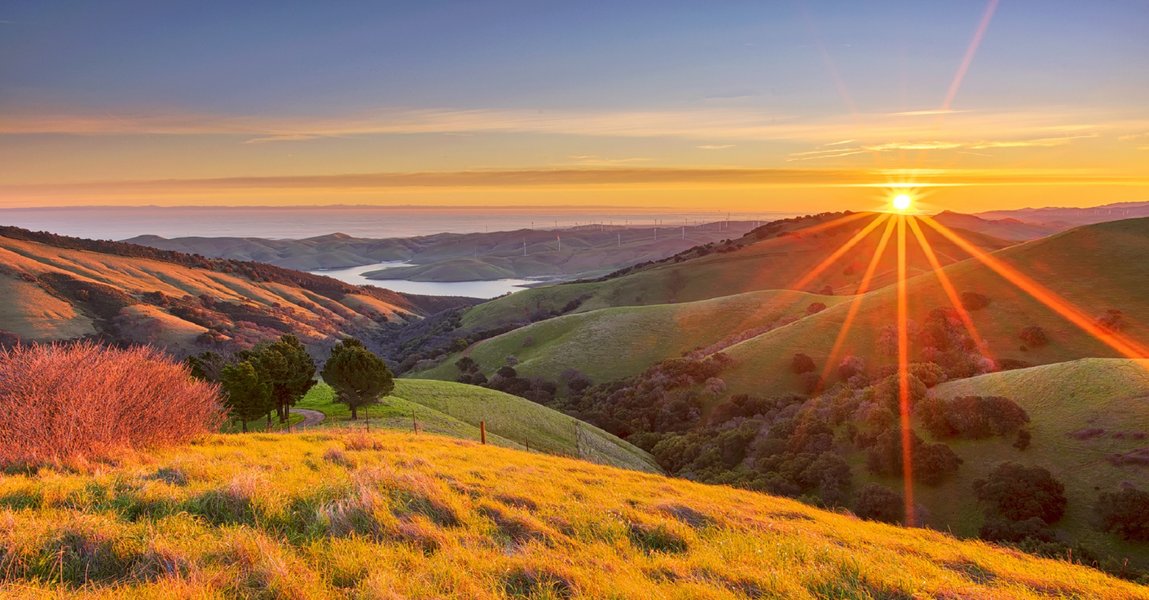
The Spring Equinox brings increasing daylight and initiates nature's renewal.
Observable Signs of Renewal
Following the equinox, the Northern Hemisphere witnesses a cascade of changes demonstrating this "rebirth":
Flora Awakens
Perhaps the most iconic sign is the resurgence of plant life. Dormant seeds beneath the soil begin to germinate, fueled by increasing warmth and moisture. Trees that shed their leaves for winter start to bud, gradually unfurling new foliage. Early spring flowers like crocuses, daffodils, and tulips push through the thawing ground, adding vibrant color to the landscape. Later, flowering trees such as cherry blossoms and azaleas create spectacular displays.
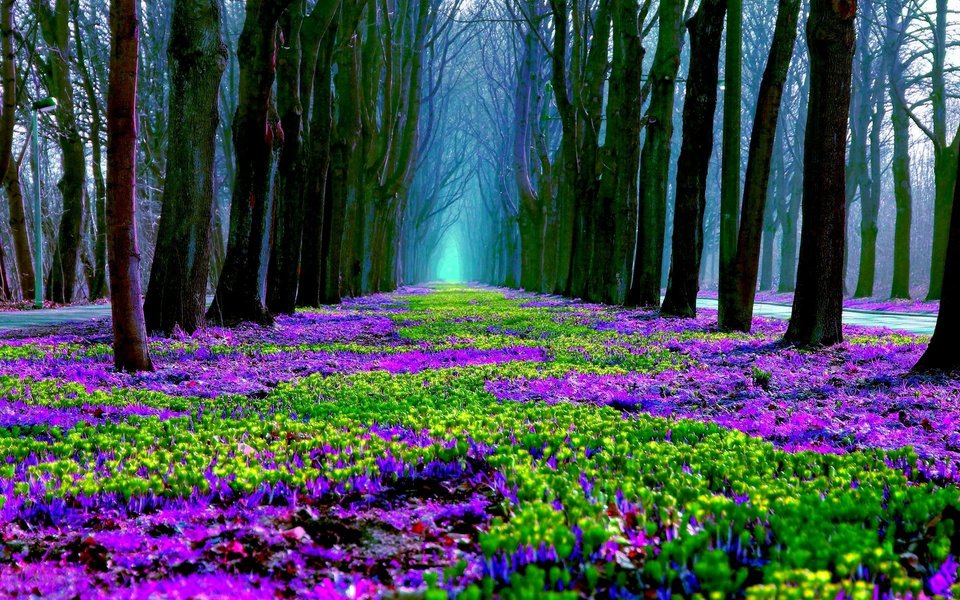
Wildflowers carpet forest floors as plant life awakens in spring.
Fauna Becomes Active
Animal life also responds energetically. Many animals emerge from winter hibernation, seeking food and mates. Migratory birds, having spent the winter in warmer climates, return north to their breeding grounds, filling the air with song. Insect populations surge, with bees becoming active pollinators, butterflies emerging, and ladybugs reappearing. Amphibians like frogs and salamanders move towards ponds and vernal pools to lay eggs, contributing to the cycle of life.
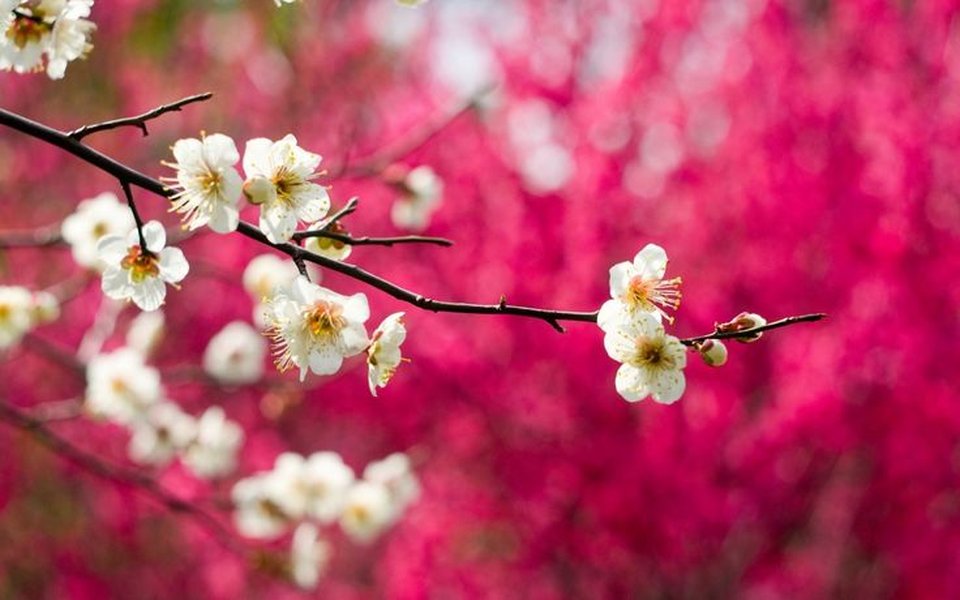
Trees budding signifies the resurgence of growth after winter.
Environmental Shifts
The physical environment undergoes significant changes. Snow and ice cover melt away, replenishing rivers, streams, and lakes. Waterways that may have been frozen break free, increasing water flow and nourishing the surrounding land. Temperatures steadily rise, and the duration and intensity of sunlight increase, providing the energy needed to drive biological processes. The entire ecosystem seems to shake off the slumber of winter, embracing renewed vitality.
Visualizing Spring's Progression: Indicators of Nature's Rebirth
The rebirth of nature during spring isn't a single event but a process that unfolds over weeks and months. The following chart illustrates the relative intensity of key indicators of this renewal across early, mid, and late spring in a typical temperate Northern Hemisphere climate. These are generalized representations based on common observations.
This chart shows how different aspects of nature's rebirth peak at different times during spring. For example, water flow from snowmelt is often highest in early spring, while overall plant growth, animal activity, and temperatures tend to peak later in the season.
Mapping the Concept: El renacimiento de la naturaleza
This mind map provides a visual overview of the core concepts associated with "El renacimiento de la naturaleza," connecting the translation, the primary example in the Northern Hemisphere, its key manifestations, and its cultural resonance.
(Renaissance View of Living Nature)"] id2["Northern Hemisphere Example"] id2a["Spring Season"] id2b["Spring Equinox (Vernal Equinox)"] id2b1["Astronomical Start"] id2b2["~March 20/21"] id2b3["Increasing Daylight & Warmth"] id3["Key Manifestations"] id3a["Flora (Plants)"] id3a1["Budding Trees"] id3a2["Blooming Flowers
(Crocus, Daffodil, Cherry Blossom)"] id3a3["Seed Germination"] id3b["Fauna (Animals)"] id3b1["End of Hibernation"] id3b2["Return of Migratory Birds"] id3b3["Insect Activity (Bees, Butterflies)"] id3b4["Amphibian Breeding"] id3c["Environment"] id3c1["Snow/Ice Melt"] id3c2["Increased River Flow"] id3c3["Warming Temperatures"] id3c4["Longer Daylight Hours"] id4["Cultural Significance"] id4a["Symbol of Renewal & Rebirth"] id4b["Fertility & Growth"] id4c["Celebrations & Festivals (e.g., Ostara)"] id4d["Connection to Life Cycles"]
Summary Table: Signs of Spring Rebirth
This table summarizes the key indicators of nature's rebirth during spring in the Northern Hemisphere across various categories.
| Category | Key Signs of Rebirth | Examples |
|---|---|---|
| Flora (Plants) | Resumption of growth, flowering | Trees budding, wildflowers blooming (daffodils, bluebells), grass greening, seeds sprouting |
| Fauna (Animals) | Increased activity, reproduction, migration | Animals emerging from hibernation (bears, groundhogs), birds migrating north and nesting, insects hatching (bees, butterflies), amphibians laying eggs (frogs) |
| Environment | Thawing, increased water flow, landscape changes | Snow and ice melting, rivers and streams swelling, lakes thawing, soil warming |
| Climate/Atmosphere | Warming trend, increased solar energy | Rising average temperatures, longer periods of daylight, increased intensity of sunlight |
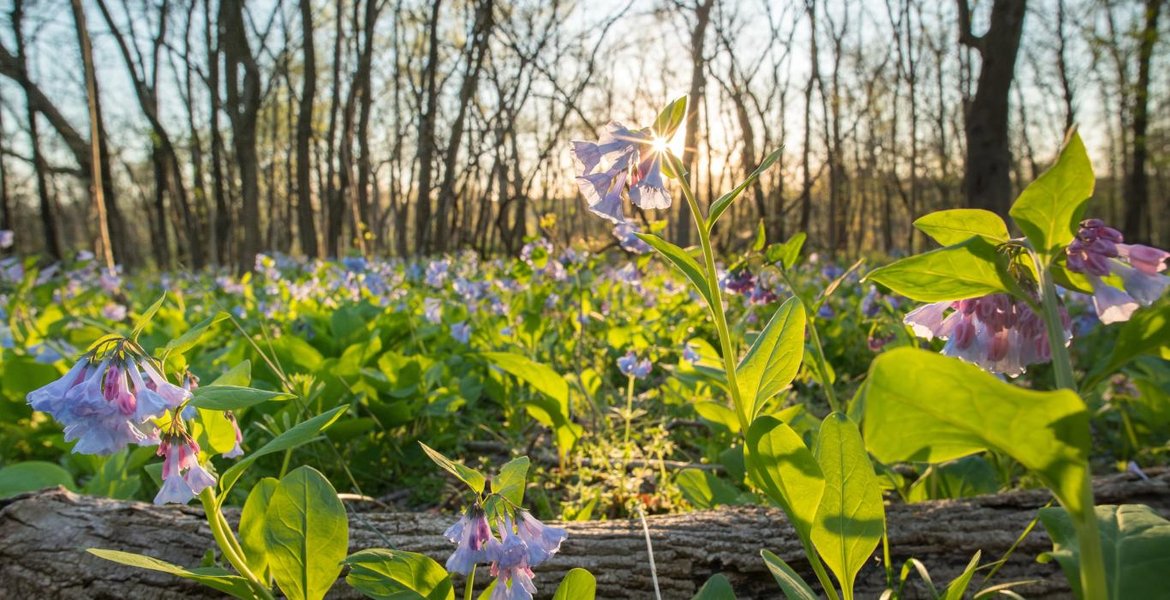
The vibrant colors of spring flowers are a hallmark of nature's rebirth.
Frequently Asked Questions (FAQ)
► What exactly is the Spring Equinox?
The Spring Equinox (or Vernal Equinox) is an astronomical event that marks the beginning of spring in the Northern Hemisphere. It occurs when the Earth's tilt is such that the Sun shines directly on the equator, resulting in nearly equal amounts of daylight and darkness across the globe. After the Spring Equinox, the Northern Hemisphere begins to tilt more towards the sun, leading to longer days and warmer temperatures.
► Why is spring so strongly associated with "rebirth"?
Spring follows winter, a season often characterized by dormancy, cold, darkness, and apparent lifelessness in many temperate ecosystems. The dramatic transition to spring, with its explosion of new growth, vibrant colors, returning animals, warmth, and light, creates a powerful natural metaphor for rebirth, renewal, hope, and the cyclical nature of life. Many cultures have historically celebrated this time as a symbol of fertility and new beginnings.
► Does a similar "rebirth of nature" happen in the Southern Hemisphere?
Yes, absolutely. Due to the Earth's tilt, the seasons are reversed between the hemispheres. While the Northern Hemisphere experiences spring from March to June, the Southern Hemisphere experiences autumn. Conversely, the Southern Hemisphere experiences its spring, and thus its own "rebirth of nature," from approximately September to December, centered around the September Equinox.
► Is the timing of spring's arrival changing?
Yes, scientific observations indicate that due to global climate change, spring phenomena (like bud burst, flowering, and animal migration) are occurring earlier in many parts of the Northern Hemisphere compared to past decades. This can have complex ecological consequences, sometimes creating mismatches between interdependent species (e.g., birds arriving before their insect food source peaks).
References
- Spring Equinox: A Time of Rebirth and Renewal - The Thirsty Soul
- Spring equinox arrives in the Northern Hemisphere - Earth.com
- First Day of Spring 2025: The Spring Equinox - Farmer's Almanac
- Spring Equinox: A Time of Rebirth - OghamArt
-
El Renacimiento De La Naturaleza/ the Rebirth of Nature - Amazon.com
- Five Ways to Embrace Renewal and Balance on the Spring Equinox - BetterHelp
- Spring Equinox: A Symbol of Rebirth When We Need It Most - Be Meditation
Recommended


Last updated April 24, 2025