
Famous Naval Architects
Exploring the Visionaries Who Revolutionized Ship Design
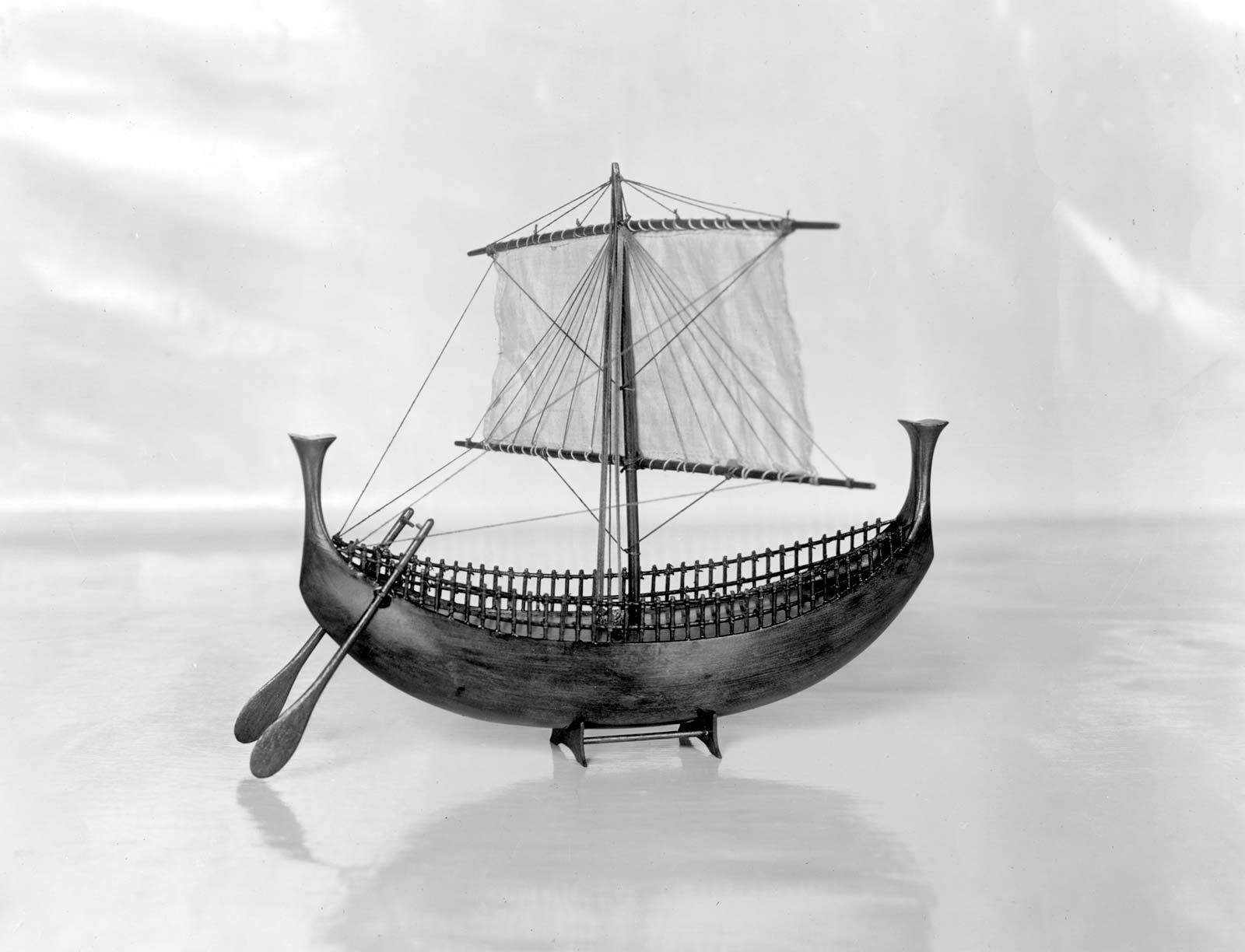
Key Highlights
- Innovative Pioneers: Visionaries from antiquity to modern times who reshaped naval design through revolutionary concepts and standardized blueprints.
- Technological Milestones: From the use of computer-aided design in modern shipbuilding to the pioneering use of scale models for testing hull performance.
- Lasting Global Impact: Architects who influenced naval fleet constructions, warship designs, luxury liners, and fast cargo vessels, leaving enduring legacies in maritime history.
Introduction
The field of naval architecture stands as a testament to humanity’s relentless pursuit of maritime excellence. Over centuries, numerous architects and engineers have contributed to the evolution of ship design, blending art, science, and engineering to craft vessels that are both aesthetically pleasing and robust under the strenuous demands of the sea. This narrative encompasses an in-depth look into some of the most famous naval architects whose work has had an indelible impact on naval history – from ancient innovators to contemporary engineers taking advantage of advanced computer technologies.
Historical Visionaries in Naval Architecture
Early Influences and Revolutionary Thinkers
The earliest contributions to naval architecture can be traced back to antiquity, where initial insights set the stage for later innovations. One of the earliest known contributors was an architect from ancient Greece who laid foundational principles in ship design. Moving forward to the enlightenment period, treatises that explored the science of buoyancy, stability, and propulsion emerged, establishing the rigorous basis on which modern naval architecture is built. These early writings unified observational learning with mathematical precision, embodying the marriage of art and engineering.
Formative Concepts
Early thinkers observed how the distribution of weight and the shape of the hull affected a vessel’s performance in water. By marrying experimental observations with emerging scientific principles, they established standards that still influence modern designs. Pioneers documented their findings on scale model testing and hydrodynamics, providing the blueprint for the empirical methods employed by later naval architects. The basic principles they established – stability, hydrodynamics, and structural integrity – remain the cornerstone of naval design even today.
Pioneers of Modern Naval Architecture
Revolutionizing Warships and Cargo Vessels
As naval strategies evolved, the need for more effective and robust warships and cargo vessels grew exponentially. A number of engineers emerged during the 18th and 19th centuries whose innovative designs not only transformed naval warfare but also catalyzed global trade. In Europe, a French engineer distinguished himself by creating standardized ship designs for military fleets during periods of conflict. His methodologies allowed for rapid production and consistency in performance, thereby influencing the naval fleets of several nations during periods like the Revolutionary and Napoleonic Wars.
Standardized Design and Mass Production
A key element of these innovations was the idea of standardized design. With the establishment of uniform blueprints, shipyards were able to produce numerous vessels with minor modifications, leading to increased efficiency and reliability. This approach proved particularly effective during times of war when rapid construction of a large fleet was essential. Such principles remained vital as fleets expanded into the modern era. Furthermore, the advent of industrialization allowed shipbuilders to experiment with new materials and propulsion methods, leading to groundbreaking advancements in both speed and durability.
American Ingenuity in Shipbuilding
Across the Atlantic, American innovators played a pivotal role in shaping naval architecture, especially at a time when the young nation was establishing its maritime reputation. Early American naval architects spearheaded projects that formed the nucleus of the United States Navy by designing frigates that balanced firepower with speed. A prime example is the construction of vessels that came to be known as "Old Ironsides," celebrated for their resilience and combat prowess.
Crafting Legendary Warships
The design and construction of warships demanded not only artistic vision but also rigorous engineering analysis. American architects utilized both empirical research and innovative materials to build ships capable of withstanding the harsh realities of naval warfare. Among these, several architects are remembered for their roles in designing some of the earliest and most celebrated warships. Their approaches were characterized by meticulous attention to stability, cutting-edge innovations in propulsion, and a robust sense of design that balanced function and form.
Innovations in Design and Technology
The Role of Technology in Modern Naval Architecture
The march of technology has continuously reshaped naval architecture. From the introduction of the screw propeller in the mid-1800s to the modern use of computer-aided design (CAD), technological advancements have fundamentally transformed shipbuilding. One of the most groundbreaking evolutions in recent decades was the introduction of computers in the design process. This revolutionary development allowed for more detailed simulations, precise calculations, and rapid prototyping.
Computer-Aided Design and Simulation
In the early 1970s, a trailblazing engineer broke through industry barriers by designing a naval ship using a computer-aided process that drastically cut down on design time from years to mere hours. This transformation not only improved design efficiency but also opened the door to new possibilities in innovation, leading to vessels that exhibited improved performance and safety. Modern software now enables the simulation of a wide array of scenarios – from stress tests on hulls in severe weather conditions to fluid dynamics analyses – ensuring that every new design meets the stringent demands of both commercial and military applications.
Advances in Materials and Engineering Techniques
Another pillar of innovation has been the evolution of materials used in construction. In the early days, wooden hulls gave way to iron and eventually steel, each marked by a dramatic shift in durability and capabilities. Today, composites and advanced alloys are explored to reduce weight while maximizing strength. The move towards lighter and stronger materials has been crucial in pushing the limits of vessel speed and efficiency.
Material Advancements
Earlier designs often relied heavily on trial and error. With the advent of modern materials science, naval architects can now apply precise data to predict the performance of innovative hull structures and superstructures. This leap in capability has led to the correction of design inefficiencies, as the interaction between structural materials and hydrodynamic forces becomes better understood. As a result, modern vessels demonstrate superior performance in terms of fuel efficiency, speed, and resistance to corrosion and wear.
Profiles of Iconic Naval Architects
European Masters
European naval architecture has been characterized by a blend of military necessity and artistic sensibility. Several architects from this region have left a profound mark on maritime history. One celebrated figure is the English mentor whose designs included iconic vessels that have been central to naval history. His work not only emphasized the visual gravitas required for a flagship but also incorporated innovative features that enhanced operational performance during battle.
Designing for the Royal Navy
A notable English designer is famed for his creation of a revolutionary warship that became a symbol of national pride and tactical brilliance. His intricate designs provided the Royal Navy with a series of vessels that were balanced, stable, and formidable with respect to their firepower and durability. The impact of his work is still observed in many modern naval construction paradigms, emphasizing the importance of design precision coupled with durability under combat conditions.
American Trailblazers
Across the Atlantic, the American contributions to naval design display a complementary mix of technology and personal ingenuity. American naval architects were instrumental not only in designing ships of war but also in creating vessels that set the standard in records for speed and efficiency. Among the most exemplary is the designer behind the celebrated frigates and the famed “Old Ironsides.” His vision set the foundation for robust naval engineering that prioritized both aesthetics and functional superiority.
Iconic Innovations and Warship Design
The work done by these American innovators transcended traditional boundaries. Advancements in hull design, propulsion systems, and firepower management came hand in hand with creative strategies for maximizing speed and stability. Some architects took a pioneering step by incorporating progressive engineering technologies, such as the screw propeller, which markedly increased maneuverability and endurance. Their designs not only reshaped naval combat strategies but also influenced commercial shipbuilding, showcasing how military innovations can spill over into civilian applications.
Comparative Overview Table
The table below provides a summarized comparison of the contributions made by some of the most celebrated naval architects, highlighting key innovations, notable designs, and the era in which they worked.
| Architect | Era | Notable Contributions | Impact |
|---|---|---|---|
| Early Greek Innovators | 3rd Century BCE | Foundational naval design principles | Laid groundwork for future studies in buoyancy and stability |
| Jacques-Noël Sané | 18th Century | Standardized designs for ships of the line and frigates | Enabled rapid and efficient fleet construction for military needs |
| Sir Thomas Slade | 18th Century | Design of HMS Victory | Set strategic standards for British naval engineering |
| Joshua Humphreys | Late 18th - Early 19th Century | Design of the original U.S. Navy frigates | Laid critical foundations for American naval power |
| William Francis Gibbs | Early-to-Mid 20th Century | Mass production of Liberty ships and SS United States | Enhanced national logistics and rapid shipbuilding during war |
| Raye Montague | Late 20th Century | Computer-aided naval ship design | Drastically reduced design times, bridging historical innovation with future technology |
Modern Trends and the Future of Naval Architecture
Integrating Sustainability and Advanced Technologies
The future of naval architecture is being shaped by an increasing emphasis on sustainability alongside advanced engineering technologies. One of the most pressing challenges the field faces today is how to reconcile efficiency with environmental responsibility. Modern designs integrate energy-efficient propulsion systems, such as hybrid engines, and utilize renewable energy sources to reduce the carbon footprint of maritime operations.
Green Technology in Ship Design
Today’s naval architects are increasingly using advanced simulation software to optimize hull designs not only for speed and efficiency but also for reduced fuel consumption. The implementation of green technologies such as solar panels, wind-assisted propulsion, and even hydrogen fuel cells is opening new avenues for making maritime shipping more sustainable. This sustainable focus is particularly urgent as global pressures to reduce emissions intensify.
The Role of Data in Transforming Ship Design
Alongside material and propulsion innovations, the availability of big data and improved analytics tools have revolutionized design cycles. The integration of real-time data gathered from operational vessels and simulation models enables predictive maintenance and further optimizations. This data-driven approach allows naval architects to refine their models continuously, ensuring ships can adapt to varying environmental conditions while maintaining peak performance.
Digital Innovation and Simulation
Digital twin technology, where a virtual replica of a vessel is maintained, is gaining traction in modern shipbuilding. This approach allows for continuous monitoring and optimization throughout a ship’s lifecycle, making it possible to predict wear and potential failure points before they become critical issues. Coupled with enhanced computer-aided design capabilities, these digital tools are poised to redefine efficiency and safety standards in naval architecture.
Conclusion and Final Thoughts
The history and evolution of naval architecture is a vivid narrative of mankind’s constant quest for progress on the high seas. From the early formulations of buoyancy and stability principles by ancient innovators, through the transformative work of 18th and 19th century naval architects in Europe and America, to the modern applications of digital and sustainable technologies, the field has continuously adapted to meet the challenges of its time. Emblematic figures such as the architect behind HMS Victory, the visionary designer of “Old Ironsides,” and those who harnessed computer-assisted design have all contributed to a legacy that balances aesthetics, functionality, and the sheer force of human ingenuity.
This blended journey through time shows that innovation in naval architecture is not just about the vessels themselves, but also about the spirit of exploration and continuous improvement that drives every engineer. Today, as the maritime world navigates environmental challenges and harnesses the might of new technologies, the work of these famous architects serves as both a powerful heritage and inspiration for future generations.
In sum, naval architecture has evolved from rudimentary design principles to highly sophisticated engineering models that incorporate cutting-edge technology and sustainable practices. The names and legacies of these famous architects echo across time, reminding us that at the intersection of art, science, and technology lies the key to innovative ship design—ever resilient, ever ready to meet the demands of the future.
References
- Naval Architect Ships - BMT
- List of Famous Naval Architects - Ranker
- Best Naval Architects - Quora
- Naval Architecture Biography - Britannica
- Great Ship Designers - Electrotechnical Officer
- Raye Montague's Naval Design - AMightyGirl
Recommended Queries for Further Exploration

Last updated February 25, 2025