
Unveiling the Mystery: What Are Near-Death Experiences Truly Like?
A deep dive into the common phenomena, scientific perspectives, and profound impact of NDEs.
Highlights: Key Insights into NDEs
- Common Elements: Many NDEs share core features like out-of-body sensations, moving through a tunnel towards a bright light, and profound feelings of peace.
- Scientific Puzzle: These experiences often occur during periods of minimal or undetectable brain activity (like cardiac arrest), posing significant challenges to purely physiological explanations.
- Transformative Impact: Survivors frequently report lasting positive changes in their outlook, values, and spirituality, often describing the experience as deeply real and life-altering.
What is a Near-Death Experience?
Near-death experiences (NDEs) are profound psychological and subjective events reported by individuals who have either come very close to death or were clinically dead and subsequently revived. These experiences can happen under various life-threatening circumstances, including cardiac arrest, severe trauma, coma, complications during surgery, or other situations involving intense physical or emotional distress. While each NDE is unique, researchers have identified a pattern of common elements that frequently appear in accounts across different cultures, ages, and belief systems.
Common Hallmarks of Near-Death Experiences
While individual experiences vary, numerous studies analysing thousands of NDE reports have identified several recurring themes and sensations. These core features provide a glimpse into the nature of these extraordinary events.
The Sensation of Separation: Out-of-Body Experiences (OBEs)
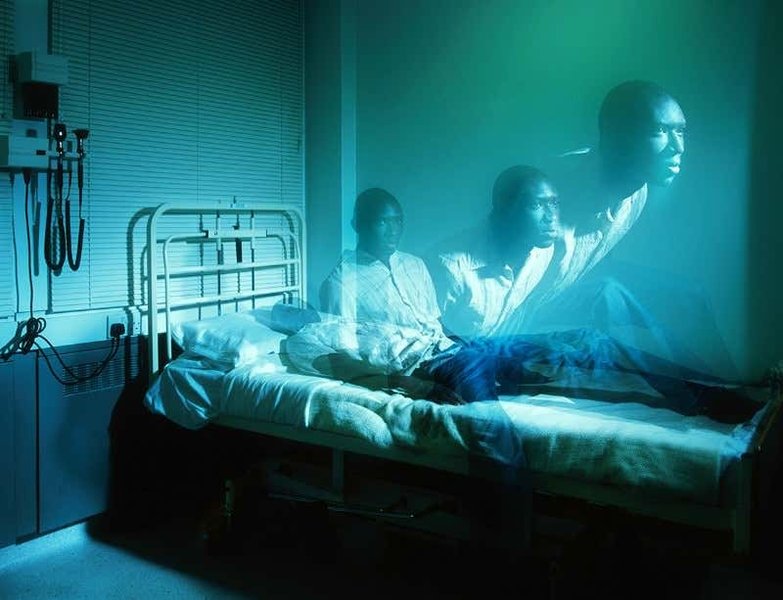
One of the most frequently reported elements is the out-of-body experience (OBE). Individuals describe a distinct sensation of leaving their physical body, often floating above it. From this detached vantage point, they may observe their own body, medical resuscitation efforts, or events occurring in the room or even in distant locations. Some accounts include details later verified by others, which could not have been perceived through normal sensory channels from the body's position.
Journey Through Darkness to Light
Many NDE accounts involve the perception of movement, often described as traveling through a dark space, void, or tunnel. This journey frequently culminates in encountering a brilliant light. This light is typically described not just as bright, but as intensely loving, warm, accepting, and sometimes perceived as a conscious presence or being of light.

Conceptual depiction of the commonly reported tunnel and light phenomenon in NDEs.
Encounters Beyond the Veil
During an NDE, individuals often report meeting other beings. These can include deceased relatives and friends, who may appear healthy and vibrant, offering comfort or guidance. Some also encounter figures perceived as spiritual guides, angels, or religious figures, depending on their cultural or personal background. Communication in these encounters is often described as telepathic rather than verbal.
A Life Played Back: The Life Review
Another significant element is the life review. This involves witnessing a panoramic playback of events from one's life. It's often described as incredibly vivid, rapid, and emotionally charged. The review might focus on key moments, actions, and their impact on others, sometimes accompanied by a feeling of understanding, judgment, or unconditional love and acceptance from the presence of light.
An Atmosphere of Profound Peace
Despite the often traumatic physical circumstances leading to the NDE (like cardiac arrest or severe injury), the experience itself is overwhelmingly described as peaceful. Individuals report an absence of pain, fear, and anxiety, replaced by intense feelings of calm, well-being, bliss, and unconditional love. This profound peace is one of the most consistently reported features.
Heightened Awareness and Senses
Contrary to what might be expected during a state of compromised brain function, many report a state of heightened consciousness, clarity, and alertness during the NDE. Senses can seem amplified, and thought processes clearer and faster than in ordinary life. Some describe perception as being 360-degree or more vivid than normal sight. Intriguingly, there are reports from individuals blind since birth who claim to have experienced visual perception during their NDE.
The Point of No Return?
Some NDEs involve reaching a perceived boundary, border, or point of no return. This might be symbolized as a river, fence, door, or simply a conscious decision point. Often, individuals feel a strong reluctance to return to their physical bodies due to the profound peace and beauty of the experience, but understand they must go back, sometimes being told "it's not your time."
Variations in the Experience
While the elements described above are common, not every NDE includes all of them, and the sequence can vary. The intensity and specific content are unique to the individual.
Not All Paths Are the Same
Positive vs. Distressing NDEs
The vast majority of reported NDEs are positive, characterized by feelings of peace, love, and joy. However, a smaller percentage of experiences are described as distressing. Researchers categorize these into several types:
- Inverse NDEs: Where the elements are opposite to the positive ones (e.g., feelings of dread instead of peace).
- Void NDEs: Characterized by a sense of emptiness, isolation, and eternal nothingness.
- Hellish NDEs: Involving frightening imagery, tormenting entities, or environments perceived as hell.
These distressing experiences, while less common, are an important aspect of the NDE phenomenon, though often less discussed due to their traumatic nature.
Prevalence of Core NDE Features
While NDEs are highly personal, research highlights the frequent recurrence of specific elements. The radar chart below offers a conceptual representation of the relative frequency and intensity often associated with key features in typical positive near-death experiences, based on numerous anecdotal reports and studies. Note that this is an illustrative interpretation rather than precise statistical data.
As illustrated, profound peace is often cited as the most intense and pervasive element, closely followed by encounters with the bright light. Out-of-body sensations and heightened senses are also frequently reported, while experiences like the tunnel, life review, and meeting beings occur commonly but perhaps slightly less universally or intensely for all experiencers.
The Science Behind the Veil: Explanations and Mysteries
Science seeks to understand NDEs through various lenses, primarily neurobiology and psychology. However, many aspects of these experiences remain challenging to explain fully within current scientific frameworks.
Neurobiological Perspectives
Several physiological explanations have been proposed:
- Cerebral Hypoxia/Anoxia: Lack of oxygen to the brain can induce hallucinations and altered perceptions, potentially explaining tunnel vision or light phenomena.
- Hypercarbia: Elevated carbon dioxide levels in the blood have also been linked to NDE-like experiences.
- Neurochemical Release: The dying or stressed brain might release endorphins (causing peace/euphoria) or neurotransmitters like serotonin or DMT, potentially triggering complex hallucinatory experiences.
- Brain Activity Surges: Some studies have detected bursts of electrical activity in the brain moments before death, which could correlate with heightened subjective experience.
- Temporal Lobe/Temporoparietal Junction Activity: Stimulation or disruption in these areas is known to cause OBE-like sensations or memory recall.
Psychological Angles
Psychological theories suggest NDEs could be:
- Depersonalization: A defense mechanism against overwhelming trauma, creating a sense of detachment.
- Expectation and Belief: Pre-existing cultural or religious beliefs might shape the content of the experience.
- Birth Memories: An older, less favored theory suggested NDE tunnels relate to the birth canal experience.
The Unexplained Phenomena
Despite these theories, several aspects of NDEs challenge conventional explanations:
- Lucidity During Clinical Death: The most significant challenge is how complex, lucid, and organized experiences can occur when brain activity is severely compromised or undetectable (e.g., during cardiac arrest with flat EEG readings). Current models link consciousness directly to complex brain function.
- Veridical OBE Perceptions: Cases where individuals accurately report details of events they could not have possibly seen or heard from their physical location (and which are later verified) are difficult to explain through hallucination or brain dysfunction alone.
- Vision in the Blind: Reports from congenitally blind individuals describing visual perceptions during their NDEs directly challenge the understanding that sight requires functioning eyes and visual cortex processing.
- Consistency Across Cultures: While interpretations vary, the core elements of NDEs show remarkable consistency across diverse cultural, religious, and social backgrounds.
Mapping the Near-Death Experience
The mindmap below provides a visual overview of the key components related to Near-Death Experiences, from their definition and triggers to their features, scientific considerations, and lasting effects.
Profound subjective event
near death/clinical death"] id2["Common Triggers"] id2a["Cardiac Arrest"] id2b["Severe Trauma/Injury"] id2c["Coma"] id2d["Serious Illness"] id3["Core Features"] id3a["Out-of-Body Experience (OBE)"] id3b["Sense of Peace/Painlessness"] id3c["Tunnel/Movement Towards Light"] id3d["Encountering Bright Light"] id3e["Meeting Entities/Deceased"] id3f["Life Review"] id3g["Heightened Senses/Awareness"] id3h["Reluctance to Return"] id4["Variations"] id4a["Positive Experiences (Common)"] id4b["Distressing Experiences (Less Common)
- Inverse
- Void
- Hellish"] id5["Scientific Perspectives"] id5a["Neurobiological Theories
(Hypoxia, Brain Activity, Neurochemicals)"] id5b["Psychological Theories
(Stress Response, Expectation)"] id5c["Unexplained Aspects
(Lucidity during low brain activity, Veridical OBEs, Blind sight)"] id6["Lasting Impacts"] id6a["Reduced Fear of Death"] id6b["Increased Empathy/Spirituality"] id6c["Changed Life Priorities"] id6d["Sense of Profound Reality"]
This map illustrates the interconnected nature of the NDE phenomenon, encompassing the subjective experience, the circumstances under which it occurs, attempts at scientific explanation, and its significant consequences for the individual.
Scientific Theories vs. Unexplained Aspects
The following table summarizes how some common NDE features are potentially explained by current scientific models, alongside the aspects that remain challenging or unexplained by these same models.
| Feature Explained (Potentially) | Proposed Scientific Mechanism | Unexplained or Challenging Aspect |
|---|---|---|
| Tunnel Vision / Sensation of Movement | Reduced blood flow to the visual cortex (hypoxia), brain stress response | Occurrence of detailed, structured, and lucid recall despite minimal or no measurable cortical brain activity (e.g., during cardiac arrest). |
| Feelings of Peace, Bliss, Euphoria | Release of endorphins or other neurochemicals, reduced activity in fear centers | The sheer intensity and described "hyper-reality" of the experience, often surpassing normal consciousness. |
| Life Review / Memory Recall | Activation of temporal lobe regions associated with memory | The panoramic, often non-linear, and emotionally profound nature of the review, sometimes perceived simultaneously. |
| Out-of-Body Experience (OBE) Sensations | Disruption of multisensory integration processes in the brain (e.g., temporoparietal junction) | Veridical perceptions: corroborated reports of observing events or details impossible to perceive from the body's physical location. |
| Encounters with Light or Beings | Brain stimulation (e.g., occipital cortex), cultural/personal expectations, psychological projection | Consistency of core themes (loving light, deceased relatives) across diverse cultural backgrounds and belief systems; reports of vision in congenitally blind individuals during NDEs. |
This comparison highlights the ongoing debate and the fact that while science can offer plausible explanations for some components of NDEs, the totality of the phenomenon, particularly regarding consciousness during apparent brain inactivity, remains a profound mystery.
Learnings from NDE Research
Extensive research, including studies involving thousands of NDE accounts, provides valuable insights into these experiences. The video below features Dr. Bruce Greyson, a prominent psychiatrist and NDE researcher, discussing findings and evidence related to near-death experiences, touching upon biological mechanisms and the nature of consciousness.
Dr. Greyson's work, like that of many others in the field, explores the consistency of NDE reports and the challenges they pose to conventional understandings of the mind-brain relationship. Studies often involve collecting and analyzing firsthand accounts, comparing them across different circumstances of near-death, and looking for patterns and verifiable elements.
Lasting Transformation: The Aftereffects of NDEs
Beyond the experience itself, NDEs often lead to profound and lasting changes in the individual's life, attitudes, and beliefs.
A Profound Wake-Up Call
Many survivors describe their NDE as a pivotal turning point. Common aftereffects include:
- Reduced Fear of Death: Having experienced profound peace or glimpsed something beyond physical existence often diminishes or eliminates the fear of dying.
- Increased Spirituality: Individuals often become more spiritual (though not necessarily more religious in a conventional sense), feeling a greater connection to others, nature, or the divine.
- Shift in Priorities: Material possessions and worldly success often become less important, replaced by a focus on love, relationships, knowledge, and helping others.
- Increased Empathy and Compassion: Experiencers frequently report feeling more empathetic and compassionate towards others.
- Heightened Sense of Purpose: Many feel they returned with a mission or a renewed sense of purpose in life.
The overwhelming peace reported in NDEs often contributes to lasting positive changes in outlook.
"More Real Than Real"
Survivors often struggle to put their NDE into words, emphasizing that earthly language is inadequate. They frequently describe the experience as feeling "more real" or "hyper-real" compared to ordinary waking consciousness, contributing to its profound and lasting impact on their worldview.
Frequently Asked Questions about NDEs
Are all near-death experiences pleasant?
No. While the majority of reported NDEs are described as positive, peaceful, and loving, a smaller percentage are distressing. These can involve feelings of intense fear, emptiness, isolation, or encounters with frightening environments or beings (sometimes termed inverse, void, or hellish NDEs). These experiences can be traumatic, and due to their nature, may be underreported compared to positive NDEs.
Does science have a complete explanation for NDEs?
Not currently. Science offers plausible neurobiological and psychological explanations for some individual elements of NDEs (like tunnel vision possibly relating to hypoxia or OBE sensations to temporoparietal junction disruption). However, no single theory fully accounts for the entire NDE complex, especially the occurrence of clear, structured consciousness and memory formation during periods of significantly impaired or absent brain activity (like cardiac arrest). Veridical OBE perceptions and reports of vision in the blind also remain major challenges to current scientific models.
Do NDEs offer proof of life after death?
NDEs are often interpreted by experiencers as evidence of an afterlife or the survival of consciousness beyond bodily death, and they frequently lead to a strong personal belief in this. However, from a scientific standpoint, NDEs are considered complex subjective experiences occurring under extreme physiological conditions. While certain aspects challenge our current understanding of consciousness and the brain, they do not constitute rigorous scientific proof of an afterlife according to standard scientific methodology. The debate continues between those who see NDEs as purely brain-based phenomena and those who believe they point towards non-local consciousness.
How frequently do near-death experiences occur?
Estimates vary depending on the population studied and the definition used. Studies focusing on survivors of cardiac arrest suggest that around 10-20% report having experienced an NDE. When considering the broader population who have faced life-threatening situations, the numbers can differ. Given the millions of people worldwide who survive such events each year, NDEs are reported by a substantial number of individuals globally.
Recommended Reading
- What are the leading scientific theories attempting to explain NDEs?
- How do near-death experiences change people's lives in the long run?
- What are distressing or hellish near-death experiences like?
- Are there verified cases of people seeing things accurately outside their body during an NDE?
References

Last updated May 6, 2025