
Necessity is the Mother of Invention
An accessible exploration of how needs drive creative solutions
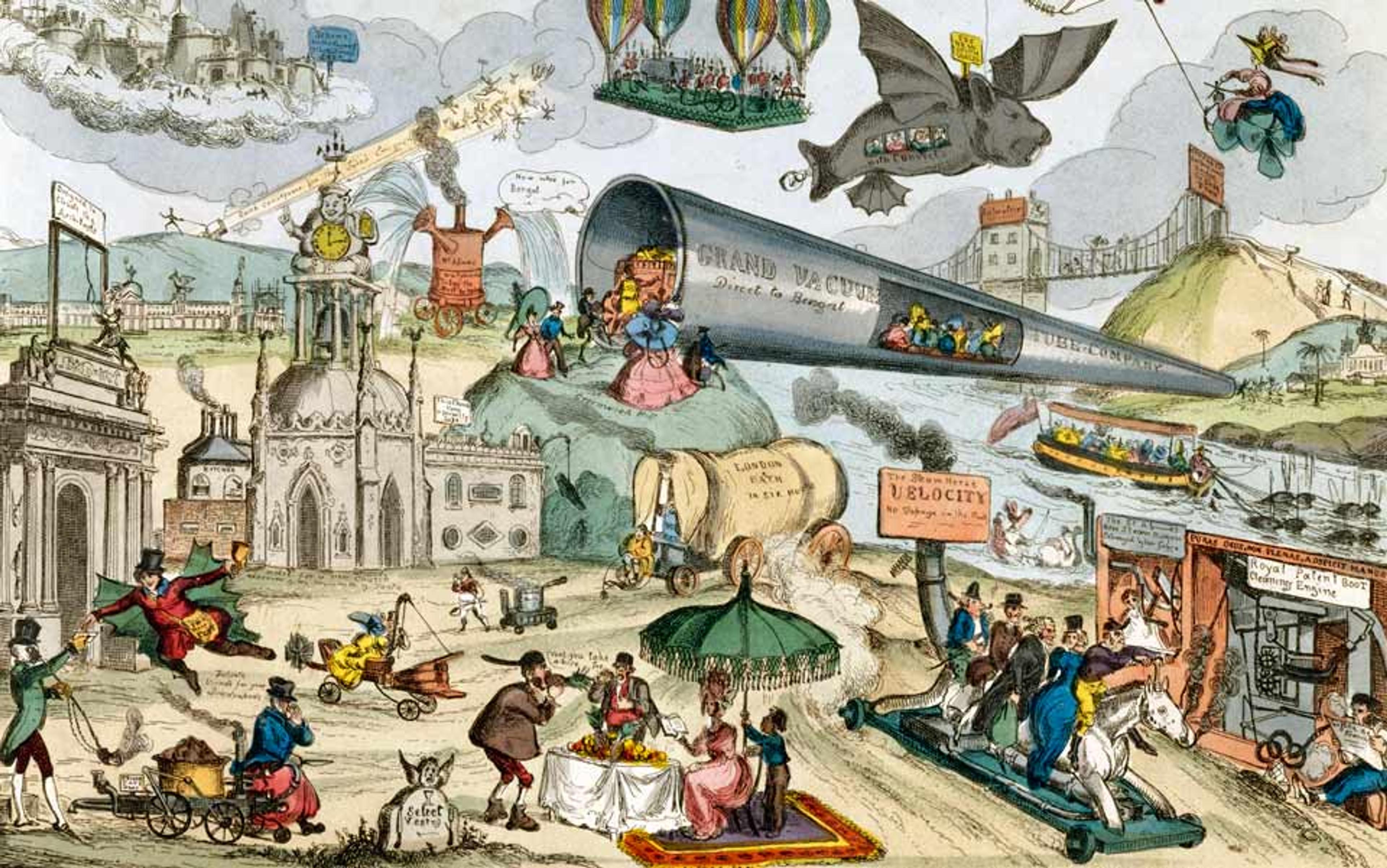
Key Highlights
- Human Creativity Emerges from Need: Real-life challenges often spark innovative ideas.
- Historical Inventions as Proof: The wheel, telephone, and vaccines demonstrate this process.
- Everyday Problem-Solving: Even daily challenges can turn into opportunities for invention.
Introduction
The saying "Necessity is the mother of invention" is a well-known adage that explains how the need to solve problems or to fulfill needs often leads to new ideas or inventions. This essay will explore the meaning of this proverb in a straightforward manner, providing examples from history, everyday life, and modern times. We will see how necessity has driven humans to develop innovations that have not only solved practical problems but also reshaped our way of living.
Understanding the Proverb
The phrase suggests that when people face difficulties or have needs that are unfulfilled, they are inspired to seek solutions and create new things. It highlights the idea that innovation does not occur in isolation. Instead, it is prompted by the recognition of a gap or a problem that must be addressed. Throughout history, every invention—from simple tools to modern technology—has its roots in a perceived necessity.
The Basics of Cause and Effect
How Needs Spark Innovations
When people experience a problem or feel a shortfall in their lives, they tend to find ways to overcome it. For example, early humans faced the challenge of darkness and cold, which led them to find ways to harness fire and develop clothing or shelter. These early instances of necessity paved the way for further advancements.
Similarly, as civilizations grew, so did their challenges. Problems such as transportation, communication, and even health drove inventors to create solutions that not only addressed the issues at hand but also contributed to overall social progress.
Historical Examples of Invention Driven by Necessity
Early Human Innovations
Primitive Tools and Fire
One of the most fundamental examples is the creation of tools and the discovery of fire. Early humans needed to cut, hunt, and protect themselves. Without the advanced technologies we have today, they turned to nature. Rocks became the first tools, used for cutting or pounding, while the discovery of fire not only provided warmth and light but also allowed these early people to cook food, making it easier to digest and safer to share.
The Invention of the Wheel
Revolutionizing Transportation
The wheel is one of the earliest inventions that revolutionized the way goods and people moved from one place to another. Necessity: The challenge of transporting heavy loads and the desire for better efficiency led to the invention of the wheel. Impact: This invention drastically reduced the effort needed in commerce and warfare, and set the stage for further innovations in transport.
Communication Technologies
From Messengers to Telephones
In ancient times, communication was slow, relying on messengers or signals. The need for quicker, long-distance communication sparked the development of the telegraph and, eventually, the telephone. Alexander Graham Bell, for instance, invented the telephone because he recognized how critical efficient communication was for business and social interaction. Today, we continue to innovate in this area with the internet and mobile technology, always aiming to overcome new obstacles.
Medical Breakthroughs
The Development of Vaccines
When faced with widespread health crises, necessity motivates researchers and scientists to act. A prime example is the development of the polio vaccine. Before its creation, polio was a serious health threat that affected thousands around the globe. The urgent need to control and eventually eradicate polio drove the scientific community to invest time, effort, and resources into finding an effective vaccine.
Similarly, the urgency during the COVID-19 pandemic led to the rapid development of modern vaccines, proving once more that necessity breeds innovation in every field.
Everyday Examples of Inventiveness
Innovation is not just a historical or scientific concept—it is present in everyday life. Look around you, and you might notice many small inventions driven by simple needs.
Daily Problem-Solving in the Home
Convenience in Cooking and Cleaning
Consider the kitchen: appliances like microwaves, refrigerators, and dishwashers exist because of everyday demands for convenience and efficiency. These tools help prepare food quickly, store it safely, and clean up after meals, thus transforming routine processes into manageable, efficient tasks.
Adaptive Solutions for Weather
When it becomes too cold, individuals look for ways to stay warm. This need has led to the development of various heating systems and the modern design of clothing materials. These everyday inventions ensure that we maintain comfort and safety regardless of the weather conditions.
Modern Technological Inventions
Digital Communication and Work
The rise of computers and the Internet provided responses to specific human desires for efficiency and connectivity. As life became busier, the need for real-time communication and more efficient work practices became evident. This necessity drove the creation of various digital tools — from email systems to sophisticated software — that help us manage both professional and personal commitments.
Telecommuting and digital teamwork are prime examples of how necessity continues to drive innovation in the 21st century. The need for flexible work environments and rapid communication channels has resulted in a digital transformation that has impacted nearly every aspect of modern life.
A Comprehensive Overview Table
| Invention/Innovation | Driven By | Impact |
|---|---|---|
| Primitive Tools & Fire | Survival, cooking, protection | Improved quality of life and social development |
| The Wheel | Transportation and trade efficiency | Revolutionized movement of people and goods |
| Telegraph & Telephone | Need for faster, long-distance communication | Reshaped interpersonal and business interactions |
| Vaccines | Requirement to combat deadly diseases | Saved countless lives and enhanced public health |
| Modern Digital Tools | Demand for efficiency in work and social interactions | Enabled global connectivity and transformed business operations |
Exploring the Broader Impact
Social and Economic Implications
Creating New Opportunities
When necessity inspires invention, it not only solves immediate challenges but also sets off a chain reaction of social and economic development. An invention that starts as a solution to a small problem can evolve into a catalyst for larger industries. For example, the development of the telephone and later the Internet eventually led to entire new markets such as telecommunications, e-commerce, and digital media.
In turn, these advances create fresh job opportunities, enhance productivity, and often lead to improved standards of living. This cycle of innovation and economic growth highlights the indirect benefits of invention driven by necessity.
Fostering Creativity and Education
Inspired Learning and Research
The drive to overcome limitations encourages not just the development of new tools, but also a culture of curiosity and problem-solving. In educational settings, children are often encouraged to think creatively to solve puzzles or challenges. This early exposure to inventive thinking nurtures future innovators who continue to drive progress.
Additionally, educational research and development are directly impacted by the necessity to explore new ideas. Universities and research institutions design curricula and projects that emphasize practical problem-solving, ensuring that the next generation is ready to face future challenges.
The Personal Connection
Finding Inspiration in Daily Life
Encouraging Individual Innovation
Every individual encounters obstacles and unmet needs, whether in the form of time-management issues, household chores, or personal health challenges. In these situations, simple inventive steps can make life easier—such as organizing a workspace more efficiently or devising clever storage solutions.
In personal settings, recognizing a need often leads to the small-scale creation of unique solutions. This process empowers individuals to feel in charge of their situations and encourages continuous learning and creativity.
Moreover, sharing these small innovations with friends or communities can inspire others, creating a ripple effect of problem-solving and creative thinking that strengthens social bonds and fosters a collaborative environment.
Technological Advancements Stemming from Necessity
Innovations in the Digital Era
Adapting to Change and Challenges
In today’s rapidly evolving technological landscape, the constant state of change and diverse needs stimulate continuous innovation. For instance, as remote work and virtual collaboration became more prominent, companies responded by developing sophisticated conferencing tools and cloud-based services, ensuring seamless communication.
Similarly, the integration of artificial intelligence in various everyday applications—from voice-activated assistants to automated manufacturing—illustrates how necessity continues to be the driving force behind technological progress. As challenges arise, they are met with inventive solutions that not only resolve practical problems but also enhance our quality of life.
A Look to the Future
Sustainable and Innovative Solutions
Meeting Tomorrow’s Needs
Looking forward, the principle of necessity prompting invention remains ever relevant. With pressing global challenges such as climate change, resource depletion, and inequality, the need for innovative solutions has never been more critical.
Future innovations will likely focus on sustainability and efficiency—ranging from renewable energy technologies to smart infrastructures that better utilize resources. The quest for solutions to these challenges will undoubtedly lead to revolutionary inventions, as humanity continues to adapt and evolve.
References
- Necessity Is the Mother Of Invention Essay - A Plus Topper
- Necessity is the Mother of Invention Essay - Vedantu
- Necessity is the Mother of Invention Essay - Infinity Learn
- Essay on Necessity is the Mother of Invention - Teaching Banyan
- Necessity is the Mother of Invention - First Learn
Recommended Queries for Further Exploration
Last updated March 16, 2025