
Comprehensive Analysis of Nectar Abundance in Arachis pintoi, Turnera, Cosmos, Sunflower, and Antigonon
Understanding Which Flowers Provide Ample Nectar for Pollinators
Key Takeaways
- Cosmos, Sunflower, and Antigonon are primary nectar sources.
- Turnera exhibits moderate nectar production with additional protective benefits.
- Arachis pintoi serves more as ground cover and forage, with minimal nectar contribution.
Introduction
Nectar production in flowering plants plays a crucial role in supporting pollinator populations, which are essential for ecosystem health and agricultural productivity. This comprehensive analysis delves into the nectar abundance of five specific plants: Arachis pintoi, Turnera, Cosmos, Sunflower, and Antigonon. By synthesizing information from multiple credible sources, this document aims to provide an in-depth understanding of which of these flowers are most prolific in nectar production and how they benefit various pollinators.
Detailed Analysis of Each Flower
1. Cosmos (Cosmos spp.)
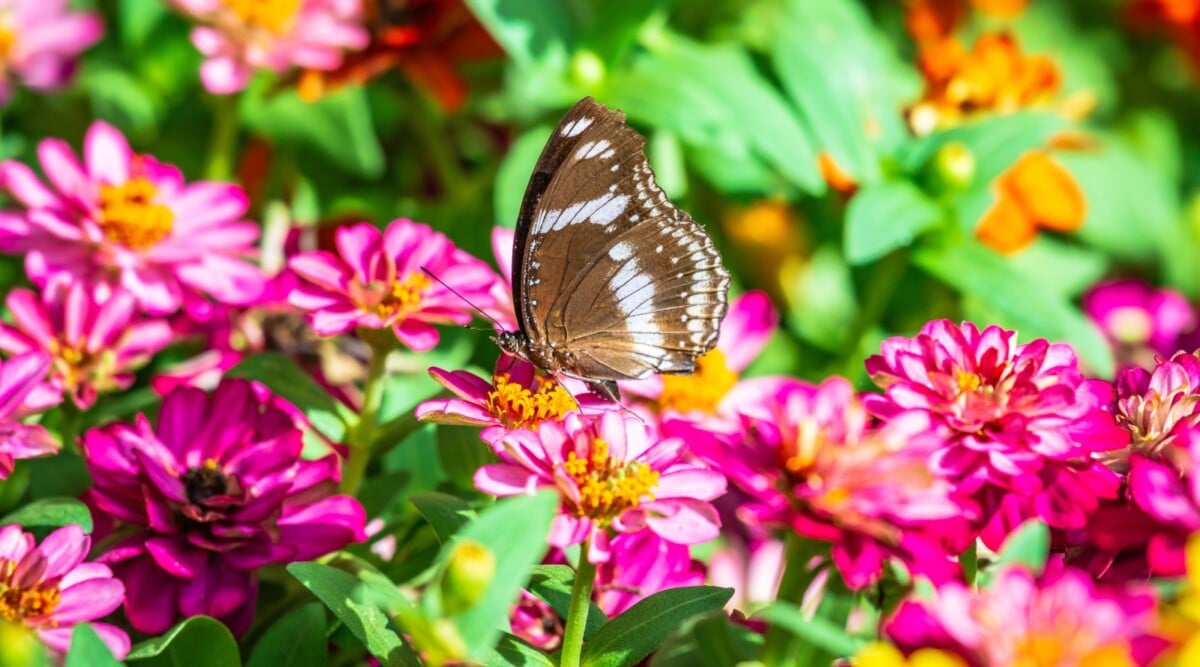
Cosmos is widely recognized for its abundant nectar production, making it a favorite among a variety of pollinators, including bees, butterflies, and hummingbirds. The open structure of Cosmos flowers allows easy access to nectar, facilitating efficient pollination. Species such as Cosmos sulphureus and Cosmos bipinnatus not only produce significant nectar but also offer ample pollen, enhancing their attractiveness and utility for sustaining pollinator populations throughout the growing season.
Nectar Traits
- Produces nectar rich in sugars like sucrose, fructose, and glucose.
- Open floral structure aids in easy access for pollinators.
- Long blooming period ensures sustained nectar availability.
Pollinator Attraction
- Highly attractive to honeybees, solitary bees, and various butterfly species.
- Additional appeal to hummingbirds due to vibrant colors and nectar richness.
2. Sunflower (Helianthus spp.)
Sunflowers are renowned for their impressive nectar and pollen production. The central disc florets of sunflower heads are particularly rich in nectar, serving as a significant food source for bees and other nectar-feeding insects. Varieties such as Helianthus annuus not only contribute to pollinator health but also enhance biodiversity in agricultural and garden settings.
Nectar Traits
- Produces high quantities of nectar in tubular disc florets.
- Robust pollen production complements nectar availability.
- Thrives in sunny, warm climates, optimizing nectar synthesis.
Pollinator Attraction
- Attracts a diverse range of pollinators, including honeybees, bumblebees, and solitary bees.
- Butterflies are frequently seen visiting sunflower blooms.
3. Antigonon (Antigonon leptopus)
Antigonon leptopus, commonly known as Coral Vine or Mexican Creeper, is celebrated for its abundant nectar production. Its vibrant pink or white blooms are a magnet for various pollinators, including bees, butterflies, and hummingbirds. The plant’s ability to sustain nectar production over extended periods makes it a valuable addition to gardens aimed at supporting pollinator health.
Nectar Traits
- Generates copious amounts of nectar in extended blooming periods.
- Attractive floral morphology encourages repeated pollinator visits.
- Resilient in different climates, maintaining nectar production across seasons.
Pollinator Attraction
- Highly appealing to bees and butterflies due to nectar richness.
- Hummingbirds are drawn to the plant’s vivid colors and nectar rewards.
4. Turnera (Turnera spp.)
Turnera species, such as Turnera ulmifolia and Turnera diffusa, are known for their nectar production, albeit to a moderate extent compared to Cosmos and Sunflower. What sets Turnera apart is its dual nectar delivery through both floral and extra-floral nectaries. The floral nectaries attract pollinators directly, while the extra-floral nectaries on leaf petioles secrete nectar that attracts protective insects like ants, which in turn defend the plant from herbivores.
Nectar Traits
- Produces nectar in both flowers and extra-floral nectaries.
- Nectar composition includes sucrose, fructose, and glucose.
- Supports both pollinator attraction and plant defense mechanisms.
Pollinator and Beneficial Insect Attraction
- Attracts bees and butterflies to floral nectar.
- Extra-floral nectar attracts ants that protect the plant, indirectly supporting pollinators by reducing herbivore pressure.
5. Arachis pintoi (Pinto Peanut)
Arachis pintoi, also known as Pinto Peanut, is primarily utilized as a ground cover and forage crop rather than a nectar producer. While it does produce small yellow flowers that can attract pollinators, its nectar production is minimal compared to other species in the analyzed list. Its main benefits lie in soil enrichment and erosion control rather than supporting pollinator populations.
Nectar Traits
-
Minimal nectar production with small, less conspicuous flowers.
-
Flowers are not a significant resource for pollinators.
-
Focuses on soil health and forage rather than pollinator support.
Pollinator Interaction
- Occasional visits by bees for limited nectar harvesting.
- Not a primary food source for major pollinator species.
Comparative Table of Nectar Abundance
| Flower | Nectar Production | Primary Pollinators | Additional Benefits |
|---|---|---|---|
| Cosmos | High | Bees, Butterflies, Hummingbirds | Long blooming period, Open flower structure |
| Sunflower | Very High | Honeybees, Bumblebees, Butterflies | Rich pollen sources, Thrives in sunny climates |
| Antigonon | High | Bees, Butterflies, Hummingbirds | Extended blooming season, Resilient in various climates |
| Turnera | Moderate | Bees, Butterflies | Extra-floral nectaries attract protective ants |
| Arachis pintoi | Low | Occasional Bees | Soil enrichment, Erosion control |
Environmental and Ecological Impact
The nectar production of flowering plants like Cosmos, Sunflower, and Antigonon plays a pivotal role in supporting pollinator health, which is intrinsically linked to broader ecological stability and agricultural productivity. High nectar-producing plants provide essential resources for pollinators, ensuring their sustenance and promoting their populations. In turn, robust pollinator populations enhance plant reproduction through effective pollination, leading to increased plant diversity and ecosystem resilience.
Role in Pollinator Health
Pollinators are vital for the reproduction of many plant species, including crops that are significant for human consumption. By offering abundant nectar, flowers like Cosmos, Sunflower, and Antigonon ensure that pollinators such as bees and butterflies have sufficient food sources, which is especially critical during periods when other nectar sources are scarce. This support is crucial for maintaining healthy pollinator populations, which are currently facing threats from habitat loss, pesticide use, and climate change.
Biodiversity Enhancement
Diverse nectar sources contribute to biodiversity by attracting a variety of pollinators, each with unique roles in ecosystems. For instance, bees are primary pollinators for many agricultural crops, while butterflies contribute to the pollination of wildflowers. Hummingbirds, attracted to plants like Cosmos and Antigonon, play a distinct role in pollinating certain plant species that have co-evolved with them. This diversification of pollinators helps maintain balanced ecosystems.
Agricultural Benefits
Integrating high nectar-producing plants into agricultural landscapes can enhance crop yields by supporting pollinator populations. Gardens and farms that include flowers like Cosmos and Sunflower create attracting environments for pollinators, thereby improving the fertilization rates of nearby crops. This symbiotic relationship between nectar-producing plants and pollinators can lead to increased agricultural productivity and sustainability.
Cultivation and Management Practices
To maximize nectar production and support pollinator health, certain cultivation and management practices should be employed for plants like Cosmos, Sunflower, and Antigonon. These practices not only ensure the robustness of nectar production but also enhance the overall health of the plants and surrounding ecosystems.
Optimal Growing Conditions
Most high nectar-producing plants thrive under specific conditions that promote robust growth and flowering. For example, Sunflowers require ample sunlight and well-drained soil to maximize their nectar output. Cosmos also prefers full sun and can tolerate various soil types, making it versatile for different gardening scenarios. Antigonon, being adaptable to a range of climates, benefits from regular watering and minimal maintenance once established.
Soil Health and Nutrition
Healthy soil contributes directly to the vitality of nectar-producing plants. Implementing soil enrichment practices such as composting, mulching, and appropriate fertilization can enhance nutrient availability. For instance, Turnera benefits from balanced fertilization to support both flower production and the development of extra-floral nectaries.
Pest and Disease Management
Maintaining plant health through effective pest and disease management ensures continuous nectar production. Utilizing organic pest control methods, such as introducing beneficial insects or employing natural repellents, can protect plants without harming pollinators. For example, encouraging populations of predatory insects that feed on common pests can create a balanced ecosystem that supports both plant health and pollinator activity.
Watering and Irrigation
Consistent watering practices are essential for maintaining nectar flow in plants. While drought-resistant species like Sunflower can tolerate periods of low moisture, regular watering during dry spells can enhance overall nectar production. Conversely, overwatering can lead to root rot and other issues that may diminish the plant’s ability to produce nectar efficiently.
Challenges and Considerations
While cultivating high nectar-producing plants offers numerous benefits for pollinators and ecosystems, several challenges and considerations must be addressed to ensure successful implementation.
Invasive Potential
Some nectar-rich plants, if not managed properly, have the potential to become invasive, disrupting local ecosystems. For instance, Antigonon leptopus can spread rapidly in favorable conditions, outcompeting native species and altering habitat structures. Implementing containment strategies, such as using physical barriers or controlling seed dispersal, can mitigate these risks.
Habitat Specificity
Not all nectar-producing plants are suitable for every environment. Adaptability to local climate conditions, soil types, and existing flora is crucial for the successful integration of these plants into new settings. Assessing environmental compatibility can prevent failures in cultivation and ensure that nectar production is sustained over time.
Maintenance Requirements
High nectar-producing plants often require regular maintenance to optimize their performance. This includes pruning, deadheading, and monitoring for pests and diseases. Neglecting these tasks can lead to reduced nectar output and compromised plant health, diminishing the benefits for pollinators.
Resource Allocation
Balancing resource allocation between nectar production and other plant functions, such as seed production or vegetative growth, is essential. Ensuring that plants receive adequate nutrients, water, and light without over-fertilizing or over-irrigating can help maintain optimal nectar output while preserving overall plant health.
Conclusion
In summary, among the flowers analyzed—Arachis pintoi, Turnera, Cosmos, Sunflower, and Antigonon—Cosmos, Sunflower, and Antigonon emerge as the most abundant nectar producers. These plants are invaluable for supporting diverse pollinator populations, contributing to both ecological balance and agricultural productivity. Turnera, while not as prolific as the aforementioned species, still offers moderate nectar production and additional benefits through its extra-floral nectaries, enhancing plant defense mechanisms. Arachis pintoi serves primarily as ground cover and forage, with minimal contributions to nectar availability.
Implementing a combination of these nectar-rich plants in gardens, agricultural fields, and natural habitats can significantly bolster pollinator support, fostering healthier ecosystems and more resilient agricultural systems. However, mindful cultivation practices and consideration of ecological impacts are essential to maximize benefits while mitigating potential challenges.
References
- Cosmos: a multipurpose bee flower - Honey Bee Suite
- Cosmos Flowers Are Beloved by Bees and Butterflies - Birds and Blooms
- Sulfur Cosmos (Cosmos sulphureus) - Gardens by the Bay
- Bee collecting honey from a sunflower - Vecteezy
- COSMOS FLOWERS - GROW THEM FOR THE BEES - The Slowestuff Blog
- Cosmos flowers as a pollinator magnet
- Helianthus spp. (Sunflowers) and their use by pollinators
- Antigonon leptopus information at Texas A&M University
- PZA: Turnera oculata var. oculata
- Effect of NPK and silicon fertilizer on growth, flowering and nectar of Turnera ulmifolia L
- Wikipedia: Turnera subulata
- ResearchGate: Effect of NPK and silicon fertilizer on growth, flowering and nectar of Turnera ulmifolia L
- YouTube: Bee collecting honey from a sunflower
- Permaculture: Best Tropical Flowering Plants
- Sunflower: More Than Meets the Eye - RGVCTMN
- Hawaii CTAHR: Perennial Peanut
- Honey Bee Suite: Cosmos: a multipurpose bee flower
Last updated January 27, 2025