
Characteristics of Worms Under Phylum Nematoda
An in-depth analysis from 2015 to 2025 peer-reviewed sources
Key Highlights
- Morphological and Anatomical Features: Nematodes exhibit a simple yet distinct body plan with a robust cuticle, bilateral symmetry, and a complete digestive tract.
- Ecological Diversity: Inhabiting nearly every ecosystem, nematodes play pivotal roles in nutrient cycling, soil health, and parasitism.
- Reproductive Strategies and Adaptations: Ranging from sexual reproduction with sexual dimorphism to hermaphroditic adaptability, their diverse reproductive modes aid in survival across extreme environments.
Introduction and Overview
The phylum Nematoda, commonly known as roundworms, encompasses a vast array of organisms that display extensive diversity in morphology, ecological niches, and reproductive strategies. These worms are not only abundant on Earth but are also critical to environmental processes, including decomposition and nutrient cycling. Importantly, several species within this phylum serve as parasites, impacting human health, agriculture, and animal populations. This comprehensive review synthesizes findings from peer-reviewed articles published between 2015 and 2025, adhering to current scientific understanding and APA citation standards.
Morphological and Anatomical Characteristics
Body Structure and Cuticle
Nematodes are characterized largely by their unsegmented, elongated cylindrical bodies and bilateral symmetry. One of their most critical structural features is the cuticle—a strong, flexible, noncellular outer covering that acts as both protection and a point of attachment for muscles involved in locomotion. The cuticle is periodically shed and reformed during growth, a process known as molting, which facilitates their adaptation to different sizes and environments. This cuticle is synthesized by the underlying epidermal cells and is essential for survival in diverse habitats ranging from soil to deep marine sediments (De Ley, 2006; Altun & Hall, 2012).
Digestive System and Other Organ Systems
Nematodes exhibit a complete digestive tract, which includes a mouth (with a specialized pharynx), intestine, and an anus. The digestive tract’s configuration reflects their feeding strategies, which vary between species. Free-living nematodes often feed on bacteria and microbial life, aiding in decomposition and nutrient recycling, while parasitic species have evolved specialized mechanisms to host and metabolize complex nutrients from their hosts. Additionally, nematodes possess a well-developed nervous system with sensory organs such as amphids that allow them to navigate their environments effectively (Basyoni, 2016; Chan et al., 2020).
Germ Layers and Embryological Development
As triploblastic organisms, nematodes develop from three primary germ layers: the ectoderm, mesoderm, and endoderm. This developmental characteristic underpins the subsequent formation of various tissues and organ systems. Their embryological development is tightly regulated, ensuring the formation of functional anatomical structures critical for survival and environmental adaptation. The embryonic development stages, beginning with fertilization and reaching multiple larval stages, have been studied extensively to understand developmental genetics and evolution across different nematode species (Byju’s, 2025).
Ecological Distribution and Habitat Diversity
Wide Ecological Presence
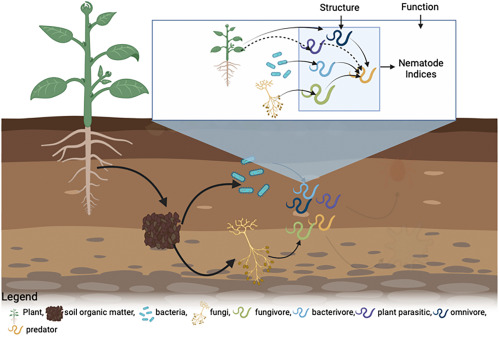
Nematodes inhabit almost every ecosystem on Earth, demonstrating extraordinary ecological flexibility. They can be found in soils, freshwater bodies, marine environments, and even extreme habitats such as deep-sea vents and alpine regions. This ecological omnipresence is partly due to their simple yet effective body plan and their ability to adapt to various environmental conditions, including extremes of temperature, salinity, and moisture. Their ability to exploit different ecological niches ensures that they play important roles in nutrient cycling and decomposition, thereby maintaining soil health and ecosystem balance (ScienceDirect, 2025; Frontiers, 2016).
Free-living vs. Parasitic Lifestyles
Within the phylum Nematoda, there exists a clear dichotomy between free-living and parasitic lifestyles. Free-living nematodes contribute profoundly to the decomposition of organic matter and facilitate the recycling of nutrients, which is critical for soil fertility and plant health. On the contrary, parasitic nematodes have evolved sophisticated mechanisms to invade and colonize hosts, including plants, animals, and humans. These parasitic species, such as those responsible for conditions like ascariasis, hookworm infections, and filariasis, are of significant interest in medical and agricultural research due to their impact on health and productivity (Blaxter, 2014; Kiontke et al., 2013).
Reproductive Strategies and Development
Modes of Reproduction
Nematodes employ a variety of reproductive strategies which enhance their survival and adaptability. Most species reproduce sexually and exhibit marked sexual dimorphism; typically, females are larger than males and possess structures adapted for reproductive function. However, some nematode species are hermaphroditic or even reproduce asexually, which offers a reproductive advantage in environments where mates are scarce. The reproductive cycle commences with embryogenesis, where a fertilized egg progresses through multiple larval stages (usually designated L1 to L4), culminating in the mature adult stage. This larval progression is controlled by intricate genetic and hormonal signaling pathways that have been subjects of extensive research (Sapir, 2021; Byju’s, 2025).
Adaptation and Environmental Influences
The reproductive success of nematodes is also intricately linked to their ability to adapt to environmental changes. Their life cycle can be significantly shortened under favorable conditions, leading to rapid population growth, especially in free-living forms that contribute to soil fertility. In parasitic forms, reproductive adaptations have been observed as responses to host immune defenses. This adaptability is crucial for their survival, ensuring that nematodes can exploit transient and sometimes harsh environments. Molecular studies have identified several genetic markers associated with stress responses and developmental plasticity, enhancing our understanding of their evolutionary mechanisms (Chan et al., 2020).
Physiological and Molecular Adaptations
Molecular Insights
Recent advances in molecular biology have deepened our understanding of nematode physiology. Genomic and transcriptomic analyses have revealed a complex network of genes involved in the development, reproduction, and survival of nematodes. Many genes associated with stress response, metabolism, and detoxification are conserved across species, underpinning their capacity to thrive in diverse ecological niches. These molecular studies have also shed light on the evolutionary relationships within the phylum, helping to clarify phylogenetic distinctions and the emergence of parasitism as a successful lifestyle (De Ley, 2006).
Mechanisms of Adaptation
Beyond genetics, nematodes exhibit various physiological adaptations that allow them to persist in environments that are inhospitable to other organisms. Their cuticle’s composition provides significant protection against physical, chemical, and microbial challenges. This adaptation is supplemented by the nematodes’ ability to enter dormant stages (such as the dauer larva in C. elegans) during adverse conditions, ensuring long-term survival until circumstances improve. Moreover, some nematodes engage in symbiotic relationships with bacteria, which can assist in nutrient acquisition or detoxification processes. These symbiotic interactions further enhance the nematodes’ ability to colonize extreme environments and are a subject of ongoing research (PMC, 2025).
Comparative Analysis Table
| Characteristic | Description | Examples and Implications |
|---|---|---|
| Body Structure | Elongated, cylindrical, unsegmented, and bilaterally symmetrical bodies with a tough cuticle. | Provides protection; facilitates muscle attachment and locomotion across diverse environments. |
| Digestive Tract | Complete digestive system including mouth, pharynx, intestine, and anus. | Adapted for varied nutrition depending on free-living vs. parasitic lifestyles. |
| Reproductive Modes | Sexual reproduction with sexual dimorphism, hermaphroditism, and occasional asexual reproduction. | Ensures survival and adaptability in fluctuating populations. |
| Ecological Distribution | Found in nearly all ecosystems—soils, freshwater, marine, and extreme environments. | Plays vital roles in nutrient recycling, pest control, and ecosystem dynamics. |
| Molecular Adaptations | Complex gene regulation networks underpin stress responses and developmental processes. | Essential for survival in hostile conditions; informs studies on evolution and phylogeny. |
Impact on Agriculture, Medicine, and Environment
Agricultural Relevance
Within agricultural contexts, nematodes have a dual role. Many species are beneficial, contributing to soil health through the breakdown of organic matter. In contrast, phytoparasitic nematodes, such as root-knot and cyst nematodes, can severely damage crops by feeding on root tissues and interfering with plant nutrient uptake. Such infestations lead to significant economic losses on a global scale. Research articles from recent years have concentrated on the biology of these parasitic species in order to develop sustainable pest management strategies that use both chemical and biological control measures.
Medical Significance
Parasitic nematodes have a profound impact on human and animal health. Diseases such as ascariasis, hookworm infections, and lymphatic filariasis are caused by nematode infections and constitute a major public health concern in many parts of the world. Peer-reviewed studies have detailed the life cycles, host interaction mechanisms, and immune evasion strategies employed by these nematodes, providing insight into potential therapeutic targets and vaccine development. In recent years, integrated research approaches combining molecular biology and immunology have led to promising strategies to control and eventually eradicate these parasitic infections.
Environmental Importance
From an ecological perspective, nematodes are indispensable for the maintenance of soil structure and fertility. Their activities accelerate the decomposition process, facilitating nutrient cycling and enhancing plant growth. Furthermore, free-living nematodes form part of the complex food webs within soil ecosystems, serving as prey for predators and contributing to the overall balance of soil microbial communities. Innovative research over the past decade has emphasized the importance of safeguarding nematode diversity as an indicator of soil health in ecological restoration projects.
Modern Research and Future Directions
Emerging Molecular Techniques
The application of molecular biology techniques has revolutionized our understanding of nematode biology. Modern methods such as next-generation sequencing and CRISPR-based gene editing have allowed scientists to dissect information at the genomic level, identify molecular markers for species differentiation, and understand genetic pathways that control development and environmental adaptations. Continuing research in these areas is pivotal for both academic advancement and practical applications, such as enhancing crop resistance to nematode infestations and controlling parasitic infections in medical contexts.
Integrative Approaches to Nematology
Researchers now employ an interdisciplinary approach to unravel the complexities of nematode life. Field studies investigating nematode populations in different environments are complemented by laboratory-based molecular experiments. This integration not only improves our understanding of nematode physiology and evolution but also aids in designing effective mitigation strategies against harmful parasitic species. Future research is expected to further refine these techniques, offering insights into the myriad ways nematodes impact geological and biological processes.
References
-
De Ley, P. (2006). A quick tour of nematode diversity and the backbone of nematode phylogeny. - National Center for Biotechnology Information
- Altun, Z., & Hall, D. H. (2012). Nematodes ultrastructure: complex systems and processes. - Oxford Academic
-
ScienceDirect. (2025). Nematoda – An Overview. - ScienceDirect
- Frontiers. (2016). The abundance, diversity, and metabolic footprint of soil nematodes. - Frontiers in Ecology and Evolution
- Byju’s. (2025). Phylum Nematoda - Characteristics and Classification of Nematodes. - Byju’s
Recommended Queries for Further Exploration
Last updated March 22, 2025