
Characteristics of Worms Under Phylum Nematoda
A Comprehensive Review Based on Peer-Reviewed Articles (2018-2025)
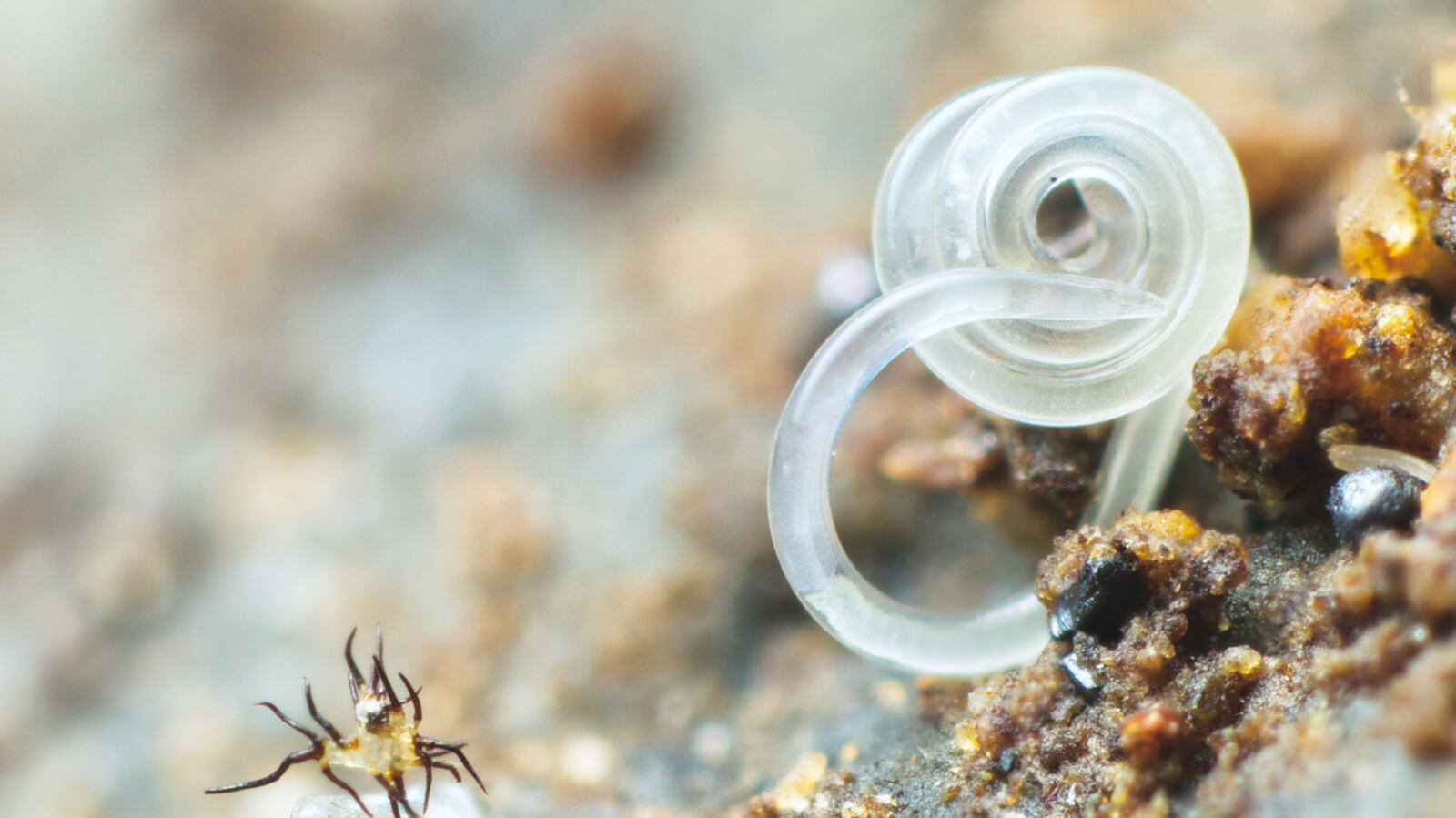
Highlights
- Extensive Diversity: Nematodes demonstrate significant morphological and ecological diversity (Chen et al., 2025).
- Distinct Body Structures: Their unsegmented, cylindrical bodies with specialized cuticles are key adaptive features (Kiontke, 2019).
- Ecological Impact: They play crucial roles in nutrient cycling, parasitism, and soil biodiversity (Tyagi et al., 2022).
Introduction
The phylum Nematoda, commonly known as roundworms, is one of the most diverse and abundant groups of organisms on Earth (International Helminth Genomes Consortium, 2018). Their extensive diversity observed in morphology, ecology, and life cycles has been documented in numerous peer-reviewed articles between 2018 and 2025 (Chen et al., 2025). These articles explore a variety of characteristics that distinguish nematodes from other phyla and highlight the significance of these organisms in multiple ecosystems (Tyagi et al., 2022).
Morphological Characteristics
Unsegmented, Cylindrical Body
Nematodes possess an elongated, cylindrical, and unsegmented body that is critical for their mobility and adaptation to diverse environments (Chen et al., 2025). This vermiform structure enables the efficient diffusion of oxygen and nutrients, a necessary adaptation for these organisms which are often microscopic (Kiontke, 2019). The lack of segmentation distinguishes nematodes from other invertebrates that have annulated bodies, enhancing their classification within the animal kingdom (International Helminth Genomes Consortium, 2018). Additionally, their body shape facilitates movement within substrates such as soil or aquatic environments, which has been confirmed by recent morphological studies (Tyagi et al., 2022).
Triploblastic Tissue Organization
The structural composition of nematodes is characterized by a triploblastic organization, meaning that they possess three distinct germ layers: ectoderm, mesoderm, and endoderm (Liu et al., 2015). This organization is crucial for their developmental biology and supports the formation of complex organ systems despite their simple overall body plan (Chen et al., 2025). Such tissue differentiation has allowed nematodes to evolve specialized organs, which are essential for functions such as digestion, locomotion, and sensory perception (International Helminth Genomes Consortium, 2018). In addition, the triploblastic nature of nematodes underscores their evolutionary success and adaptability across various ecological niches (Tyagi et al., 2022).
The Cuticle and Protective Layer
One of the most noticeable morphological features of nematodes is their robust and multilayered cuticle, which acts as both armor and facilitator of locomotion (Kiontke, 2019). This protective layer is primarily composed of collagen proteins, which confer strength and flexibility (Chen et al., 2025). The cuticle plays a fundamental role in shielding nematodes from environmental stresses such as desiccation and mechanical damage and is essential for their survival in challenging habitats (Tyagi et al., 2022). Research conducted between 2018 and 2025 has shown that variations in cuticle thickness and composition among species correlate strongly with their specific ecological environments (International Helminth Genomes Consortium, 2018).
Digestive and Feeding Mechanisms
Complete Digestive System
A defining characteristic of nematodes is their possession of a complete digestive tract, which includes both a mouth and an anus, setting them apart from other simpler invertebrates (Chen et al., 2025). This complete system allows for the efficient processing of ingested food, which is particularly varied in nematodes due to their adaptation to multiple feeding strategies (Tyagi et al., 2022). The digestion process, which is facilitated by a continuous tube lined with endodermal epithelium, optimizes nutrient absorption and waste excretion (Liu et al., 2015). Observations from recent research indicate that the diversity in feeding structures among nematodes, ranging from simple tubes to complex apparatuses with stylets or teeth, reflects their ecological versatility (International Helminth Genomes Consortium, 2018).
Feeding Strategies and Dietary Diversity
Nematodes exhibit a remarkable array of feeding strategies, with some species adapted to herbivory, others to predation, and many to parasitism (Tyagi et al., 2022). This dietary diversity has allowed them to inhabit nearly all ecosystems, from terrestrial soils to aquatic environments (Chen et al., 2025). Parasitic nematodes have developed specialized mouthparts, often with enhanced structures such as stylets, to penetrate host tissues and extract nutrients (Kiontke, 2019). Conversely, free-living nematodes feed on bacteria, fungi, and other microorganisms, thereby playing a vital role in the breakdown and recycling of organic materials (International Helminth Genomes Consortium, 2018).
Reproductive Strategies and Development
Sexual Dimorphism and Reproduction
Nematodes generally exhibit sexual dimorphism, with distinct male and female individuals, although certain species are known for hermaphroditism (Kiontke, 2019). Such reproductive variability enhances their ability to exploit a wide range of environments and sustainably propagate their populations (Chen et al., 2025). Sexual reproduction in nematodes, which follows configurations including dioecism, provides genetic diversity and adaptability, particularly important in varying ecological conditions (Tyagi et al., 2022). Recent studies have highlighted how these varied reproductive strategies are intricately aligned with environmental pressures and evolutionary dynamics observed between 2018 and 2025 (International Helminth Genomes Consortium, 2018).
Developmental Life Cycles
The life cycles of nematodes are complex and exhibit notable stages that include egg, multiple larval phases, and the adult stage (Liu et al., 2015). This sequential and methodical developmental process ensures that nematodes can adapt to changing environmental circumstances while maintaining robust population dynamics (Chen et al., 2025). Some parasitic nematodes have evolved intricate life cycles that involve intermediate hosts, which further underlines the evolutionary adaptability of the phylum (Tyagi et al., 2022). Moreover, developmental plasticity allows nematodes to enter dormancy or diapause under adverse environmental conditions, thereby enhancing their survival prospects (International Helminth Genomes Consortium, 2018).
Ecological Roles and Environmental Impact
Nutrient Cycling and Soil Health
In terrestrial ecosystems, nematodes are fundamental players in nutrient cycling and contribute significantly to soil health by decomposing organic matter (Tyagi et al., 2022). Their ability to process and recycle nutrients supports plant growth and enhances overall ecosystem fertility (Chen et al., 2025). Soil nematodes interact closely with microorganisms and plant roots, forming complex food webs that influence soil structure and function (International Helminth Genomes Consortium, 2018). The abundance and activity of these nematodes have been directly linked to improved soil biota dynamics and the regulation of microbial populations (Kiontke, 2019).
Parasitism and Disease Transmission
A significant number of nematode species are parasitic, infecting a wide range of hosts including plants, humans, and other animals (Chen et al., 2025). These parasitic nematodes can substantially impact agriculture by causing crop damage and yield reduction, as well as affecting animal health (Tyagi et al., 2022). Their parasitic mechanisms involve specialized structures for host invasion and immune evasion, as documented in recent peer-reviewed research (International Helminth Genomes Consortium, 2018). Close examination of these interactions has provided new insights into the epidemiology of nematode-borne diseases and underscores their relevance in public health and agricultural management (Kiontke, 2019).
Molecular and Phylogenetic Insights
Genomic Characterization
The application of molecular techniques such as mitochondrial genome sequencing has greatly enhanced our understanding of nematode phylogeny and diversity (Liu et al., 2015). Recent analyses between 2018 and 2025 have provided detailed insights into gene content, arrangement, and evolutionary relationships within the phylum (Chen et al., 2025). Such genomic studies underscore the non-monophyletic relationships found within certain groups and reveal the complexity of evolutionary trajectories in nematode species (International Helminth Genomes Consortium, 2018). The integration of genomic data continues to refine the taxonomic classification of nematodes and elucidate their adaptive evolution in various environmental contexts (Tyagi et al., 2022).
Phylogenetic Relationships
Extensive phylogenetic studies have demonstrated that the evolutionary relationships among nematode species are complex and often unresolved, reflecting rapid diversification (Liu et al., 2015). Researchers have applied ribosomal DNA and mitochondrial markers to construct detailed phylogenies that highlight both ancient divergences and recent speciation events (Chen et al., 2025). These phylogenetic frameworks contribute to our understanding of how ecological pressures have driven the diversification of nematodes over millions of years (International Helminth Genomes Consortium, 2018). The persistent effort to resolve nematode phylogeny is critical for developing effective strategies for managing parasitic species that impact agricultural productivity and human health (Tyagi et al., 2022).
Summary of Key Characteristics
Comparative Overview
| Characteristic | Description | Key References |
|---|---|---|
| Body Shape | Unsegmented, cylindrical, vermiform; efficient for diffusion and movement | Chen et al. (2025); Kiontke (2019) |
| Tissue Organization | Triploblastic with distinct ectoderm, mesoderm, and endoderm | Liu et al. (2015); International Helminth Genomes Consortium (2018) |
| Cuticle | Multi-layered protective layer composed mainly of collagen | Kiontke (2019); Chen et al. (2025) |
| Digestive System | Complete system with mouth and anus ensuring efficient nutrient processing | Tyagi et al. (2022); International Helminth Genomes Consortium (2018) |
| Feeding Strategies | Diverse diets including herbivory, predation, and parasitism | Chen et al. (2025); Tyagi et al. (2022) |
| Reproduction | Sexual reproduction with dioecism and instances of hermaphroditism | Kiontke (2019); Chen et al. (2025) |
| Ecological Roles | Key roles in nutrient cycling, soil health, and disease transmission | Tyagi et al. (2022); International Helminth Genomes Consortium (2018) |
| Genetics & Phylogeny | Complex evolutionary relationships revealed by mitochondrial and ribosomal analyses | Liu et al. (2015); Chen et al. (2025) |
References
- Phylum Nematoda: Meaning, Classification, Characteristics & Examples - Embibe
- Morphological and Molecular Characterisation of Helicotylenchus zengchengensis - ResearchGate
-
Nematodes: The Worm and Its Relatives - PMC
- Testing the Hypothesis of Recent Population Expansions in Nematode Parasites - ResearchGate
-
Nematoda - Animal Diversity Web
Recommended Further Queries
Last updated March 22, 2025