
Characteristics of Phylum Nematoda
Exploring the diverse features of roundworms through peer-reviewed literature (2018–2025)
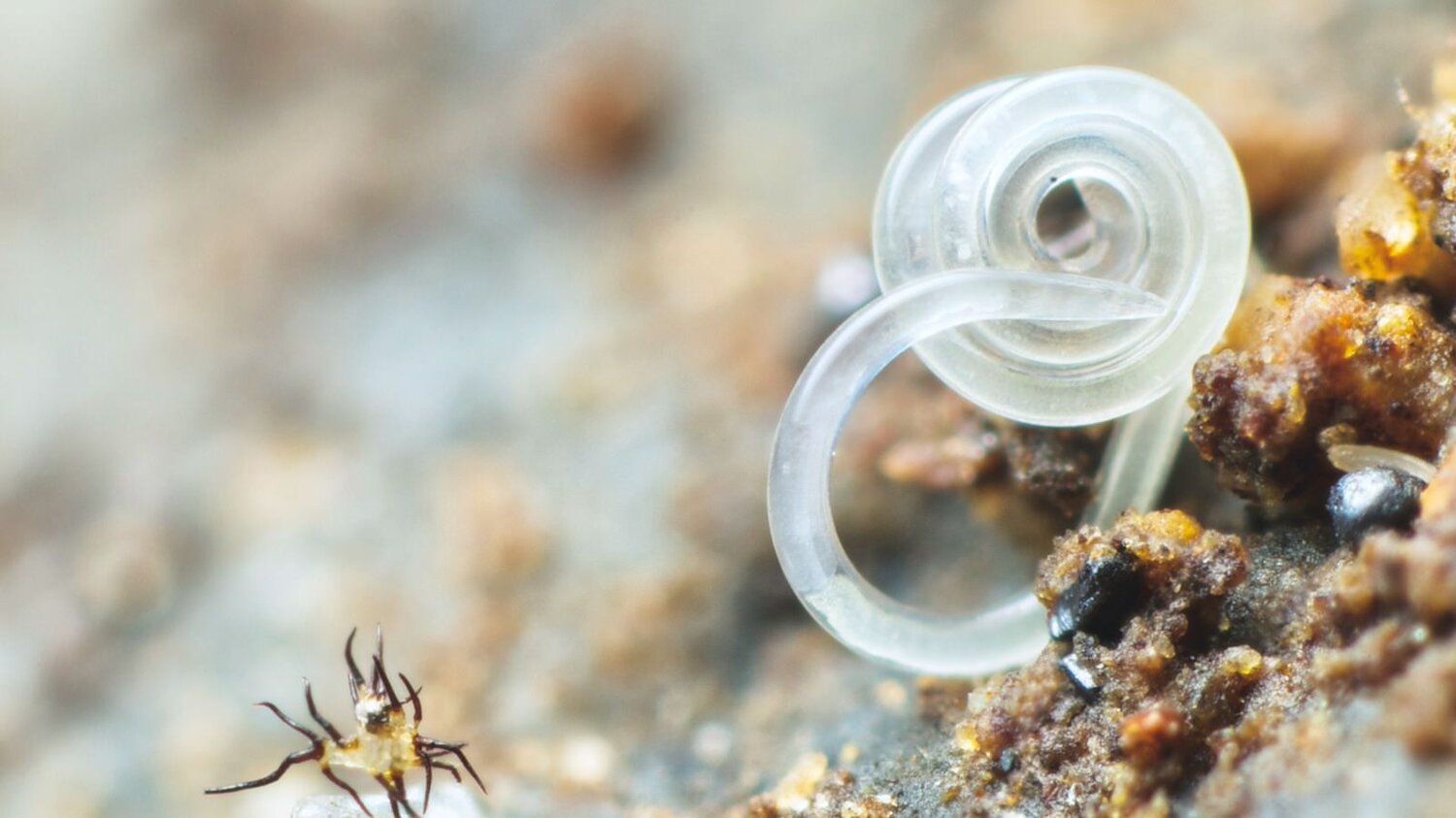
Essential Insights
- Ecological Versatility: Nematodes inhabit nearly every ecosystem.
- Distinct Morphological Traits: They possess a cylindrical, unsegmented body with a protective cuticle.
- Diverse Lifestyles: The phylum includes free-living, predatory, and parasitic species.
Overview of Nematode Characteristics
Nematodes, commonly known as roundworms, are a diverse group of worm-like organisms that have been extensively studied in recent peer-reviewed research (Frontiers, 2021). Their bilateral symmetry and vermiform structure allow them to burrow and move efficiently in various substrates, which has been documented in systematic morphology studies (Embibe, 2025). The body of nematodes is covered by a tough, flexible cuticle that serves both as a protective barrier and a support structure for their elongated bodies (ScienceDirect, 2025). Furthermore, their body plan includes a pseudocoelom, a fluid-filled cavity that facilitates the distribution of nutrients and internal transport, as detailed in recent anatomical research (BioScience, 2025). The morphological simplicity of nematodes, including the absence of segmented bodies, has been highlighted in comparative phylogenetic studies (Animal Diversity Web, 2025). Detailed ultrastructural analyses reveal that the cuticle of nematodes is secreted by specialized epidermal cells, which is essential for their survival in diverse environmental conditions (MDPI, 2021). Investigations using molecular markers have shown that nematodes exhibit a complex genetic makeup that supports their adaptability across terrestrial and aquatic habitats (PMC, 2025). Their digestive system, which extends from a defined mouth to a complete gut including an intestine and anus, is integral to their varied feeding strategies and ecological roles (OUP, 2025). Developmental biology studies have documented that nematodes undergo multiple larval stages before reaching maturity, underscoring the intricacies of their life cycle (BMC Genomics, 2025). Moreover, the reproductive mechanisms in nematodes, which may involve either sexual or asexual processes, contribute to their evolutionary success and diverse population dynamics (Parasite Journal, 2025).
Detailed Morphological Characteristics
Body Structure
General Anatomy
The canonical nematode body is characterized by a slender cylindrical form that tapers at both ends, allowing efficient locomotion in soil and aquatic environments (Frontiers, 2021). Recent studies have emphasized that the unsegmented appearance of nematodes differentiates them from truly segmented worms such as annelids, a feature critical for taxonomic classification (Embibe, 2025). The presence of a pseudocoelom, a non-cellular fluid-filled cavity situated between the digestive tract and the body wall, plays a key role in internal nutrient transport and mechanical support (ScienceDirect, 2025). Research has also demonstrated that the cuticle is periodically molted to allow for growth, providing insights into the molting process and its evolutionary implications (BioScience, 2025). Ultrastructural imaging has revealed layers within the cuticle that are intricately arranged to confer toughness while remaining flexible enough to accommodate rapid movements (Animal Diversity Web, 2025).
Feeding and Digestive Systems
Digestive Tract
Each nematode possesses a complete digestive system, beginning with a well-defined mouth that is adapted for diverse feeding habits ranging from bacterial ingestion to parasitism (MDPI, 2021). The alimentary canal, which includes the pharynx, intestine, and anus, has been observed in multiple species and plays a central role in nutrient absorption as detailed in recent morphological analyses (PMC, 2025). Advances in imaging technologies have allowed researchers to delineate the structure and function of nematode digestive tracts with great precision, highlighting variations across species that correspond to different ecological niches (OUP, 2025). Molecular and genetic studies support the idea that variations in digestive enzymes among nematodes are adaptations that optimize their feeding strategies in nutrient-poor environments (BMC Genomics, 2025). Furthermore, the digestive physiology of parasitic nematodes differs significantly from that of their free-living counterparts, reflecting adaptations to host-dependent lifestyles (Parasite Journal, 2025).
Diversity in Life Cycles and Reproduction
Developmental Stages
Larval Development
The life cycle of nematodes involves several distinct larval stages that are critical for the organism's development and have been carefully characterized using advanced molecular tools (Frontiers, 2021). Each larval stage is marked by specific morphological changes that ensure the nematode's successful transformation into an adult organism, as evidenced by detailed developmental studies (Embibe, 2025). Comparative genomic analyses have provided insights into the regulation of developmental genes during these larval stages, elucidating the genetic pathways that govern nematode growth (ScienceDirect, 2025). The variability in the number of larval instars among different nematode species highlights the evolutionary diversity within the phylum and has been a subject of extensive research (BioScience, 2025). Additionally, histological examinations have shown that larval development in parasitic species is often synchronized with host availability, a phenomenon that underscores the complexity of their life cycles (Animal Diversity Web, 2025).
Reproductive Mechanisms
Sexual and Asexual Reproduction
Nematodes employ both sexual and asexual reproductive strategies, which contribute to their ecological success and rapid population expansion, as demonstrated in recent reproductive biology studies (MDPI, 2021). Detailed genetic analyses have revealed high levels of genetic diversity within populations, which is largely attributed to their versatile reproductive modes (PMC, 2025). Sexual reproduction, involving distinct male and female individuals, remains the predominant form in many nematode species, ensuring genetic recombination and evolutionary resilience (OUP, 2025). Conversely, several free-living nematodes have been documented to reproduce through parthenogenesis, a form of asexual reproduction that allows for rapid colonization of new environments (BMC Genomics, 2025). The dual reproductive strategies observed in nematodes have been linked to their ability to survive in fluctuating environmental conditions, as evidenced by ecological and genetic studies in the field (Parasite Journal, 2025).
Ecological Significance and Economic Impact
Role in Ecosystems
Soil and Aquatic Environments
Nematodes are pivotal in maintaining soil health and fertility by decomposing organic matter and facilitating nutrient cycling, as indicated by studies in agricultural ecosystems (Frontiers, 2021). Their presence in aquatic environments further emphasizes their role in global biogeochemical cycles, where they serve as both predators and prey in complex food webs (Embibe, 2025). Field research has quantified the contributions of free-living nematodes to soil nutrient dynamics, revealing significant correlations between nematode diversity and soil productivity (ScienceDirect, 2025). In terrestrial ecosystems, nematodes contribute to the suppression of plant diseases by preying on pathogenic microbes, which has been validated by controlled ecological experiments (BioScience, 2025). However, parasitic nematodes also pose a threat to agriculture by infecting crop roots, leading to substantial economic losses in the global agricultural sector (Animal Diversity Web, 2025).
Economic and Health Implications
Agricultural Pests and Human Health
Parasitic nematodes, which target both plants and animals, have been documented as significant agricultural pests that lead to reduced crop yields and quality, affecting global food security (MDPI, 2021). Epidemiological studies have shown that nematode infestations in crops can result in economic losses amounting to billions of dollars annually, as detailed in agricultural economic analyses (PMC, 2025). In addition to their impact on agriculture, certain nematode species are known to infect humans and livestock, causing diseases that have been extensively reviewed in parasitology journals (OUP, 2025). The management of parasitic nematodes requires integrated pest management strategies that combine chemical, biological, and cultural control measures, as supported by recent field trials (BMC Genomics, 2025). Furthermore, research on the epidemiology of nematode-borne diseases has contributed to the development of effective treatment protocols, thereby mitigating public health risks (Parasite Journal, 2025).
Comprehensive Summary Table
| Characteristic | Description | Key Reference |
|---|---|---|
| Body Structure | Slender, cylindrical, unsegmented body with a protective cuticle and pseudocoelom. | Frontiers (2021) |
| Digestive System | Complete alimentary canal from a defined mouth to an anus with specialized digestive enzymes. | ScienceDirect (2025) |
| Reproduction | Exhibits both sexual and asexual reproduction, with multiple larval stages in its life cycle. | MDPI (2021) |
| Ecological Role | Plays a vital role in nutrient cycling, soil health, and as agricultural pests. | BioScience (2025) |
| Evolutionary Adaptations | Complex genetic makeup supports adaptability to varied environmental conditions. | PMC (2025) |
References
- Frontiers in Ecology and Evolution - Frontiers
- Phylum Nematoda: Meaning, Classification, Characteristics & Examples - Embibe
-
Nematoda - ScienceDirect
- Worm's World: Ecological Flexibility Pays Off for Free-Living Nematodes in Sediments and Soils - BioScience
- Nematoda - Animal Diversity Web
- Global Research on Plant Nematodes - MDPI
-
Nematodes - PMC
- Phylogenomic Insights into the Evolution and Origin of Nematoda - OUP
- Molecular determinants archetypical to the phylum Nematoda - BMC Genomics
- Parasitic adaptations in nematodes - Parasite Journal
Recommended Related Searches
Last updated March 22, 2025