
Ecological Role of Free-Living Nematodes
Exploring the numerous functions of microscopic organisms in ecosystem balance
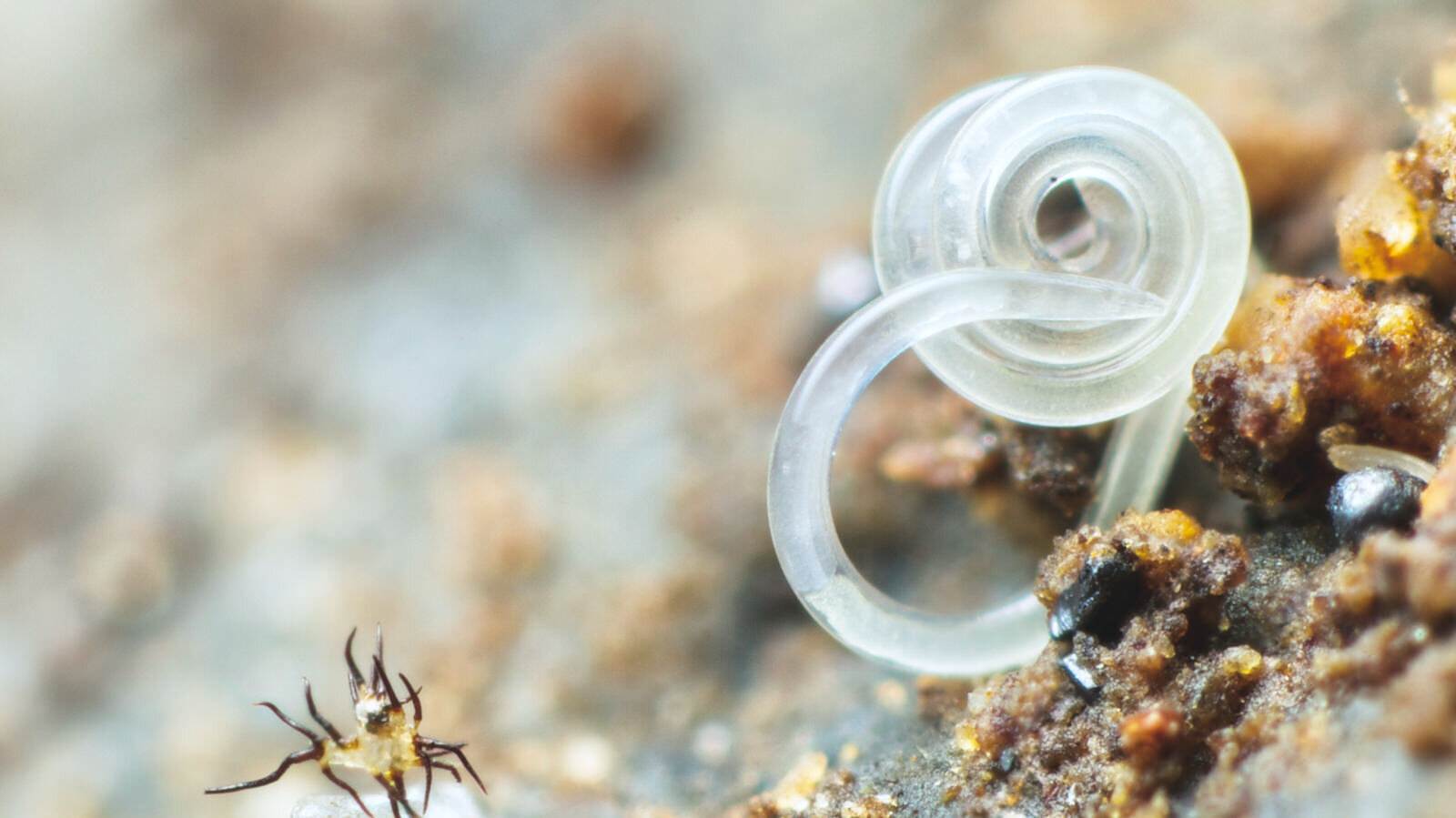
Key Highlights
- Decomposition & Nutrient Cycling: They accelerate the breakdown of organic matter, enhancing nutrient availability.
- Soil Health & Structure: Their activity improves soil porosity, aeration, and overall fertility.
- Food Web and Bioindicator Functions: Serving as trophic intermediaries and environmental indicators.
Introduction
Free-living nematodes are microscopic roundworms that inhabit a wide range of ecosystems including soil, freshwater, and marine environments. Far from being mere inhabitants of these systems, these nematodes perform pivotal roles that influence a variety of ecological processes. Their diverse functions include contributing to decomposition and nutrient cycling, maintaining soil structure, participating in food web dynamics, and serving as reliable bioindicators of environmental health.
Comprehensive Ecological Functions
Decomposition and Nutrient Cycling
One of the primary ecological roles of free-living nematodes is their participation in decomposition and nutrient cycling. As they feed on bacteria, fungi, and decaying organic materials, these organisms contribute directly to the breakdown of complex organic substances. The process of decomposition not only releases essential nutrients like nitrogen and phosphorus into the soil, but it also transforms these compounds into forms that are readily available for plant uptake.
In addition, the digestive activities of nematodes lead to the excretion of waste products that further enhance mineralization. This nutrient turnover is crucial for maintaining soil fertility and ensuring that plants have access to the required minerals for growth. Consequently, free-living nematodes act as both decomposers and nutrient recyclers, supporting primary productivity across various ecosystems.
Soil Health, Structure, and Fertility
The role of free-living nematodes in maintaining soil structure is multifaceted. Their movements contribute to soil bioturbation—a process that enhances soil porosity and improves water infiltration. As nematodes move through the soil, they create micro-channels and tunnels that allow air and water to circulate more evenly, promoting better root growth.
Moreover, through their feeding activities and waste deposition, nematodes help improve soil fertility. They regulate microbial populations by consuming bacteria and fungi, which in turn can influence the decomposition rate of organic matter. This balanced microbial activity fosters a robust soil ecosystem that is more resilient to environmental disturbances.
In many agricultural systems, a higher diversity and abundance of free-living nematodes have been correlated with improved soil health. Their presence often signifies a mature and balanced soil food web where energy flows efficiently between trophic levels.
Food Web Dynamics and Trophic Intermediaries
Free-living nematodes are not only critical for nutrient cycling and decomposition, but they also play a crucial role in the food web. These organisms act as intermediaries in the transfer of energy from microbes to higher trophic level organisms. They feed on bacteria, fungi, and other microorganisms, and in doing so, they become a valuable food source for predatory nematodes, protozoa, insects, and other invertebrates.
The position of free-living nematodes within the trophic structure enables them to regulate microbial populations, ensuring that no single group of organisms becomes overly dominant. This balancing effect is fundamental for preserving the stability and resilience of ecosystems. Their activities help maintain biodiversity, making them integral components of both terrestrial and aquatic food webs.
Indicators of Environmental and Soil Health
Free-living nematodes are frequently used as bioindicators in ecological studies due to their sensitivity to changes in environmental conditions. Their community composition and population dynamics provide insightful data regarding the health of an ecosystem. Shifts in their diversity, for instance, can be indicative of pollutants, soil degradation, or changes brought about by land management practices.
By analyzing nematode communities, ecologists can infer the ecological quality of soils and sediments. Such bio-indicator roles are essential in monitoring the effectiveness of restoration efforts, assessing the impacts of contamination, and understanding how various stress factors affect ecosystem functions overall.
Adaptability and Ecosystem Resilience
One of the most remarkable aspects of free-living nematodes is their adaptability. They thrive in a vast array of environmental conditions, from the depths of the ocean to the furthest reaches of terrestrial landscapes. This versatility is attributed to their simple body plan, rapid reproduction, and ability to exploit diverse feeding strategies.
Their adaptive capacity ensures that they can persist even in disturbed environments, such as contaminated soils or areas undergoing rapid environmental change. This resilience not only safeguards their populations but also contributes significantly to the overall stability of the ecosystems they inhabit. In disturbed habitats, the persistence of nematode populations can be a key factor in the recovery of ecological balance.
Direct and Indirect Influence on Plant Growth
The impact of free-living nematodes on plant growth is complex and often occurs through both direct and indirect pathways. Direct influences might arise if certain nematodes interact with plant roots, while indirect effects stem from their role in promoting nutrient cycling and shaping microbial communities.
For instance, the cycling of nutrients stimulated by nematode activity ensures that essential minerals are readily available in the rhizosphere—the area surrounding plant roots. At the same time, by regulating microbial populations, nematodes indirectly foster an environment conducive to healthy plant development. Their balanced interactions help mitigate pathogenic outbreaks by keeping potentially harmful microbes in check.
Symbiotic Relationships and Ecological Engineering
Some species of free-living nematodes are known to engage in symbiotic relationships with other organisms. These associations can be mutually beneficial, affecting nutrient dynamics and even contributing to the physical restructuring of their habitats. For example, certain nematodes are involved in symbiotic interactions with bacteria and fungi, which can enhance the rate of organic matter decomposition and bolster nutrient mineralization.
Additionally, nematodes contribute to what can be seen as ecological engineering. Their burrowing and movement reorganize the soil matrix, improving water dynamics and influencing the distribution of other soil biota. By altering the physical properties of soils and sediments, nematodes play an unseen but critical role in shaping the living conditions for numerous other organisms.
Detailed Breakdown of Ecological Functions
Table of Ecological Roles and Functions
| Role | Description | Ecological Impact |
|---|---|---|
| Decomposition | Feeds on bacteria, fungi, and organic matter; accelerates breakdown of dead organisms. | Releases nutrients like nitrogen and phosphorus to the soil. |
| Nutrient Cycling | Helps in transforming and recycling essential nutrients. | Supports plant growth and soil fertility. |
| Soil Structure | Creates tunnels and micro-channels through burrowing. | Improves porosity, aeration, and water infiltration. |
| Food Web Linkage | Acts as an intermediary by transferring energy from microbes to higher trophic levels. | Enhances biodiversity and stability of food webs. |
| Bioindicators | Community composition reflects environmental quality. | Helps in monitoring soil and ecosystem health. |
| Adaptability | Thrives in diverse ecosystems due to flexible feeding and reproduction. | Contributes to ecosystem resilience under environmental stress. |
| Symbiosis | Forms beneficial relationships with fungi, bacteria, and other soil organisms. | Enhances nutrient mineralization and organic matter breakdown. |
Interaction with Wider Ecosystems
Free-living nematodes are integral in mediating interactions between various components of the ecosystem. Their feeding practices and movement not only influence the cycle of organic matter but also mediate the dynamics between microorganisms and higher trophic level organisms. In aquatic systems, particularly in freshwater and certain marine environments, nematodes play roles as trophic intermediaries—they serve as food sources for larger invertebrates and even small fish in some contexts.
This role strengthens the link between the micro-scale biological community and larger, more visible ecological processes. In this manner, the influence of free-living nematodes extends well beyond their microscopic body sizes, affecting macro-scale ecosystem functions and reinforcing the interconnectedness of life within these systems.
Indicators of Environmental Change
The utility of free-living nematodes as bioindicators cannot be understated. Because of their rapid life cycles and sensitivity to environmental changes, shifts in their community structure provide early warning signs of ecological disturbance. Whether stemming from chemical contaminants in soils, shifts in moisture levels, or the impacts of agricultural practices, changes in nematode populations often signal broader environmental issues.
Monitoring these communities is a practical, cost-effective method for assessing the effectiveness of ecosystem management practices. For scientists and land managers alike, nematode community analyses offer a window into the unseen but significant processes that maintain ecosystem health.
From Microhabitats to Ecosystem Stability
The broad distribution of free-living nematodes—from terrestrial soils to marine sediments—underscores their importance in a variety of ecological contexts. Their ability to adapt to different environmental conditions, thrive under diverse nutrient levels, and survive in both stable and disturbed habitats makes them essential for maintaining ecosystem stability.
In many cases, the resilience of ecosystems during or after disturbances (such as pollution events or climate-driven changes) is partly attributable to the rapid and adaptable responses of nematode communities. The maintenance of soil structure, nutrient dynamics, and microbial population balance by these organisms ultimately contributes to the long-term productivity and stability of natural environments.
References
-
Free-Living Nematodes - an overview | ScienceDirect Topics
- Worm's World: Ecological Flexibility Pays Off for Free-Living Nematodes | BioScience | Oxford Academic
-
Free-Living Nematodes in the Freshwater Food Web: A Review | PMC
- THE IMPACT AND FUNCTIONAL ROLES OF NEMATODES IN ECOSYSTEMS
- Suitability of Free-Living Marine Nematodes as Bioindicators | Frontiers
- Ecological Importance of Free-Living Soil Nematodes | ResearchGate
Recommended Related Queries
Last updated March 22, 2025