
Navigating Facebook Interactions: Your Comprehensive Guide to Responding to Comments in Nepali
Effectively engage your Nepali audience on Facebook with culturally sensitive and strategic comment responses, even without direct access to specific posts.
Thank you for your query about reviewing Facebook video content and comments, and for requesting a response draft in Nepali. As an AI assistant, I am unable to directly access or review content from specific Facebook URLs that require login, such as the one you provided. Facebook's privacy settings and platform architecture prevent automated systems from viewing user-specific posts and their associated comments without proper authentication.
However, I can certainly assist you by providing a comprehensive guide and a versatile Nepali response template. This will equip you to address various types of comments you might encounter on your Facebook videos, fostering positive engagement with your Nepali-speaking audience. This guide is based on best practices for online community management and incorporates insights on effective communication within the Nepali cultural context.
Highlights: Key Strategies for Effective Nepali Facebook Engagement
- Acknowledge and Appreciate: Start by thanking users for their engagement, whether it's praise, a question, or criticism. A simple "धन्यवाद" (dhanyabad - thank you) goes a long way.
- Address Diverse Feedback: Prepare to respond to positive comments, inquiries, constructive criticism, and even negative or spam comments with distinct, appropriate strategies.
- Maintain a Respectful Tone: Always use polite and respectful language. Nepali culture values courteous interaction, especially in public forums.
- Be Clear and Concise: Provide clear answers and information. If a comment is in Nepali, responding in clear, understandable Nepali is crucial.
- Foster Community: Encourage further discussion and interaction, making your audience feel heard and valued.
Understanding the Limitations: Why Direct Review Isn't Feasible
The Facebook link you shared (https://www.facebook.com/share/v/1FpXNsgT8n/?mibextid=wwXIfr) directs to a page that requires a login to view its content. This is a standard Facebook privacy measure. Without being logged in as a user with access to that specific content, AI assistants and external tools cannot view the video or read the comments posted on it. Therefore, a direct review and tailored response to those specific comments is not possible. This guide, however, provides the framework you need to handle them effectively once you have access.
Crafting Effective Responses: A General Guide for Nepali Audiences
Engaging with comments on your Facebook videos is crucial for building a community and maintaining a positive online presence. Here’s how to approach it, keeping the Nepali cultural context in mind:
The Importance of Timely and Respectful Interaction
Responding promptly shows your audience that you are active and value their input. In Nepali interactions, politeness (नम्रता - namrata) and respect (आदर - aadar) are highly valued. Even when addressing criticism, maintain a calm and respectful demeanor. Using honorifics where appropriate, or generally polite phrasing, can significantly improve perception.
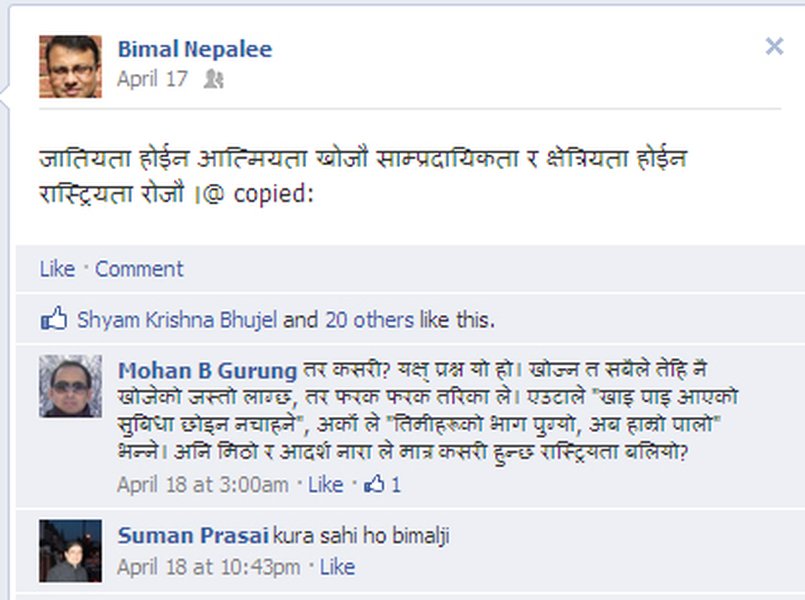
Engaging with the Nepali online community requires cultural understanding and respectful communication.
Categorizing Comments for Tailored Replies
Not all comments are created equal. Broadly, they can be categorized as:
- Positive Feedback/Praise (सकारात्मक प्रतिक्रिया): Comments expressing appreciation for your video.
- Questions/Inquiries (प्रश्न तथा जिज्ञासा): Viewers seeking more information or clarification.
- Constructive Criticism/Suggestions (रचनात्मक आलोचना/सुझाव): Feedback that, while potentially critical, offers avenues for improvement.
- Negative/Hostile Comments (नकारात्मक/आक्रामक टिप्पणी): Unconstructive criticism, personal attacks, or offensive language.
- Spam/Irrelevant Comments (स्प्याम/अप्रासंगिक टिप्पणी): Off-topic remarks or advertisements.
Your response strategy should differ for each category. The template below will provide specific Nepali phrases for these situations.
Comprehensive Nepali Response Template for Facebook Comments
Here is a versatile template in Nepali that you can adapt to respond to various comments on your Facebook video. Remember to personalize it based on the specific comment and your content's context.
सामान्य अभिवादन (General Greeting):
नमस्ते सबैजनालाई! तपाईंहरूले समय निकालेर यो भिडियो हेर्नुभएकोमा र आफ्नो बहुमूल्य प्रतिक्रिया दिनुभएकोमा हार्दिक धन्यवाद। तपाईंहरूका हरेक टिप्पणी, प्रश्न, र सुझाव हाम्रा लागि महत्वपूर्ण छन् र हामीलाई अझ राम्रो सामग्री प्रस्तुत गर्न प्रेरणा दिन्छन्।
(Hello everyone! Sincere thanks for taking the time to watch this video and for providing your valuable feedback. Every comment, question, and suggestion from you is important to us and inspires us to present even better content.)
१. सकारात्मक टिप्पणी तथा प्रशंसाका लागि (For Positive Comments and Praise):
उदाहरण प्रतिक्रिया: "तपाईंको सकारात्मक शब्द र हौसलाका लागि धेरै धेरै धन्यवाद! तपाईंहरूको माया र समर्थनले हामीलाई थप ऊर्जा प्रदान गर्दछ। हामी खुसी छौं कि तपाईंलाई हाम्रो प्रयास मन पर्यो।"
(Example Response: "Many thanks for your positive words and encouragement! Your love and support give us more energy. We are happy that you liked our effort.")
थप: "हामीलाई आशा छ भविष्यमा पनि यस्तै साथ पाइरहनेछौं।"
(Additionally: "We hope to continue receiving such support in the future.")
२. प्रश्न तथा जिज्ञासाहरूको जवाफ (Responding to Questions and Inquiries):
उदाहरण प्रतिक्रिया (यदि उत्तर थाहा छ भने): "तपाईंको प्रश्नको लागि धन्यवाद। [यहाँ प्रश्नको स्पष्ट र संक्षिप्त जवाफ दिनुहोस्]। आशा छ यो जानकारी तपाईंको लागि उपयोगी हुनेछ।"
(Example Response (if you know the answer): "Thank you for your question. [Provide a clear and concise answer to the question here]. Hope this information will be useful for you.")
उदाहरण प्रतिक्रिया (यदि थप समय चाहिन्छ भने): "यो महत्वपूर्ण प्रश्न उठाउनु भएकोमा धन्यवाद। हामी यस विषयमा विस्तृत जानकारी संकलन गरेर तपाईंलाई चाँडै जवाफ दिनेछौं।"
(Example Response (if more time is needed): "Thank you for raising this important question. We will gather detailed information on this topic and get back to you soon.")
३. रचनात्मक आलोचना तथा सुझावहरूको कदर (Acknowledging Constructive Criticism and Suggestions):
उदाहरण प्रतिक्रिया: "तपाईंको महत्वपूर्ण सुझाव र रचनात्मक प्रतिक्रियाको लागि हामी आभारी छौं। हामी तपाईंको विचारलाई गम्भीरतापूर्वक लिनेछौं र भविष्यका सामग्रीहरूमा सुधार गर्ने प्रयास गर्नेछौं। तपाईंको दृष्टिकोणले हामीलाई अझ राम्रो बन्न मद्दत गर्दछ।"
(Example Response: "We are grateful for your important suggestions and constructive feedback. We will take your views seriously and try to improve in future content. Your perspective helps us become better.")
४. नकारात्मक, भ्रामक वा अपमानजनक टिप्पणीहरूको सम्बोधन (Addressing Negative, Misleading, or Abusive Comments):
(क) हल्का नकारात्मकता वा गलत सूचनाका लागि: "तपाईंले आफ्नो विचार राख्नुभएकोमा धन्यवाद। यद्यपि, यस विषयमा हाम्रो बुझाइ/तथ्य [सही जानकारी/फरक दृष्टिकोण प्रस्तुत गर्नुहोस्] यस्तो रहेको छ। हामी सबैलाई सम्मानजनक र तथ्यपरक छलफल गर्न प्रोत्साहन गर्दछौं।"
((a) For mild negativity or misinformation: "Thank you for sharing your thoughts. However, our understanding/fact on this matter is [present correct information/different perspective]. We encourage everyone to engage in respectful and factual discussion.")
(ख) अपमानजनक वा घृणायुक्त टिप्पणीका लागि (यदि प्रतिक्रिया दिने निर्णय गर्नुभयो भने): "हामी हाम्रो पेजमा सभ्य र सम्मानजनक संवादलाई महत्व दिन्छौं। कृपया सबै सदस्यहरूप्रति आदरपूर्ण व्यवहार गर्नुहोस्। अपमानजनक टिप्पणीहरू स्वीकार्य हुने छैनन्।" (त्यस्ता टिप्पणीहरू लुकाउने वा हटाउने र प्रयोगकर्तालाई ब्लक गर्ने बारे विचार गर्नुहोस्।)
((b) For abusive or hateful comments (if you decide to respond): "We value civil and respectful dialogue on our page. Please be respectful towards all members. Abusive comments will not be tolerated." (Consider hiding or deleting such comments and blocking the user.))
५. स्प्याम वा अप्रासंगिक टिप्पणीहरू (For Spam or Irrelevant Comments):
यस्ता टिप्पणीहरूलाई सामान्यतया प्रतिक्रिया दिनु आवश्यक छैन। तपाईंले तिनीहरूलाई सिधै मेटाउन (delete) वा रिपोर्ट (report) गर्न सक्नुहुन्छ।
(It is generally not necessary to respond to such comments. You can directly delete or report them.)
अन्त्यमा, सबैलाई पुनः धन्यवाद (Concluding Remarks, Thanking Everyone Again):
उदाहरण प्रतिक्रिया: "पुनः एकपटक, तपाईंहरू सबैको सक्रिय सहभागिता र अमूल्य प्रतिक्रियाका लागि हार्दिक धन्यवाद। तपाईंहरूको साथले नै हामीलाई अघि बढ्न हौसला मिल्छ। कृपया भिडियोलाई सेयर गर्नुहोला, लाइक गर्नुहोला र आफ्ना विचारहरू व्यक्त गरिरहनुहोला। हामी तपाईंहरूका लागि उपयोगी र रोचक सामग्री ल्याउने प्रयास जारी राख्नेछौं।"
(Example Response: "Once again, sincere thanks to all of you for your active participation and invaluable feedback. Your support encourages us to move forward. Please continue to share the video, like it, and express your thoughts. We will continue our efforts to bring you useful and interesting content.")
भवदीय,
[तपाईंको नाम/पेजको नाम]
(Sincerely,
[Your Name/Page Name])
Visualizing Comment Management Effectiveness
Effective comment management involves balancing several factors. The radar chart below provides a visual representation of how different approaches to comment management might score across key performance indicators. An "Ideal Page Management" strategy aims for high scores in all areas, while "Typical Automated Responses" might excel in timeliness but lack empathy, and "Neglected Page Management" would score poorly across the board. This is an opinionated analysis to illustrate concepts.
This chart helps to visualize that a balanced approach focusing on genuine, culturally aware interaction (Ideal Page Management) is far more effective than purely automated or neglectful strategies when engaging a Nepali audience.
Mapping Your Comment Response Strategy
A structured approach to handling comments can make the process more efficient and effective. The mindmap below outlines a typical workflow for managing Facebook comments, particularly when catering to a Nepali audience where cultural nuances in communication are important.
नेपाली दर्शकका लागि
(Nepali Audience Focus)"] id1[" टिप्पणी प्राप्त गर्नुहोस्
(Receive Comment)"] id1.1["सकारात्मक
(Positive)"] id1.2["प्रश्न
(Question)"] id1.3["रचनात्मक आलोचना
(Constructive Criticism)"] id1.4["नकारात्मक/स्प्याम
(Negative/Spam)"] id2[" वर्गीकरण र प्राथमिकता
(Categorize & Prioritize)"] id2.1["महत्व
(Importance)"] id2.2["तत्काल जवाफको आवश्यकता
(Urgency for Response)"] id2.3["संवेदनशीलता
(Sensitivity)"] id3[" नेपालीमा प्रतिक्रियाको मस्यौदा
(Draft Response in Nepali)"] id3.1["सांस्कृतिक सान्दर्भिकता
(Cultural Relevance)"] id3.2["स्पष्ट र सरल भाषा
(Clear & Simple Language)"] id3.3["सहानुभूतिपूर्ण र सम्मानजनक टोन
(Empathetic & Respectful Tone)"] id4[" समीक्षा र अनुमोदन (यदि आवश्यक भए)
(Review & Approve - if applicable)"] id4.1["भाषा शुद्धता
(Linguistic Accuracy)"] id4.2["टोनको उपयुक्तता
(Tone Appropriateness)"] id4.3["तथ्य जाँच
(Fact Check)"] id5[" प्रतिक्रिया पोस्ट गर्नुहोस्
(Post Response)"] id6[" अनुगमन र फलो-अप
(Monitor & Follow-Up)"] id6.1["थप अन्तरक्रियाको लागि तयार
(Ready for Further Interaction)"] id6.2["आवश्यक भएमा स्थितिको मूल्यांकन
(Assess Situation if Needed)"] id6.3["सकारात्मक सम्बन्ध निर्माण
(Build Positive Relationships)"]
This mindmap illustrates a systematic process from receiving a comment to post-response monitoring, emphasizing considerations specific to Nepali communication, such as cultural relevance and respectful language.
Handling Different Types of Comments: A Quick Guide Table
The following table provides quick suggestions for responding to common comment types in Nepali, along with the rationale behind each approach. These are general guidelines; always adapt them to the specific context.
| Comment Type (English) | Suggested Nepali Phrasing (उदाहरण - Example) | Rationale for Response (English) |
|---|---|---|
| Positive Feedback | "तपाईंको सकारात्मक प्रतिक्रियाको लागि धेरै धेरै धन्यवाद! 😊 तपाईंको समर्थन हाम्रो लागि प्रेरणा हो।" | Encourages further positive engagement and shows appreciation, strengthening community bonds. |
| Questions/Inquiries | "तपाईंको प्रश्नको लागि धन्यवाद। [यहाँ स्पष्ट उत्तर दिनुहोस्]... यदि थप जान्न चाहनुहुन्छ भने, कृपया सोध्नुहोला।" | Provides helpful information, builds trust, and shows you are attentive to audience needs. |
| Constructive Criticism | "तपाईंको महत्वपूर्ण सुझावको लागि धन्यवाद। हामी यसलाई गम्भीरतापूर्वक विचार गर्नेछौं र सुधारको प्रयास गर्नेछौं।" | Demonstrates that you value feedback, are open to improvement, and respect differing viewpoints. |
| Misinformation | "जानकारीको लागि धन्यवाद। यद्यपि, यस विषयमा आधिकारिक तथ्य यो हो: [सही तथ्य विनम्रतापूर्वक प्रस्तुत गर्नुहोस्]।" | Politely corrects misinformation without being confrontational, maintaining credibility. |
| Negative/Hate Speech | "हामी सबैलाई सम्मानजनक र रचनात्मक संवाद कायम राख्न अनुरोध गर्दछौं। अपमानजनक टिप्पणीहरू स्वीकार्य हुने छैनन्।" (Often best to hide/delete and report/block.) | Sets clear boundaries for acceptable communication and upholds community standards. Direct engagement can sometimes escalate negativity. |
| Spam/Irrelevant | (No response needed. Delete and/or report user.) | Keeps the comment section clean, relevant, and focused on constructive discussion. |
Insights on Managing Online Discussions: Learning from Experts
Managing comments, especially challenging ones like hate speech, requires tact and strategy. The following video provides insights into how Nepali content creators and communities deal with such issues, offering valuable perspectives for anyone managing an online presence in Nepal.
This video discusses how "The Nepali Comment" handles hate comments, offering relevant strategies.
Learning from experienced creators can provide practical tips on maintaining a positive environment, deciding when and how to respond to negativity, and utilizing platform tools for moderation effectively within the Nepali online space.
Frequently Asked Questions (FAQs) About Nepali Facebook Comment Management
How should I approach responding to a wide range of comments on my Nepali Facebook video?
What are some key considerations for crafting responses in Nepali that resonate with the audience?
If I can't see specific comments due to privacy, how can I still prepare to manage them?
Are there general "do's and don'ts" for Facebook comment moderation in a Nepali context?
Conclusion: Fostering a Positive Online Community
While direct access to the specific Facebook content was not possible, this guide provides you with robust strategies and a comprehensive Nepali response template to manage comments effectively. Engaging thoughtfully with your audience, using culturally sensitive language, and maintaining a respectful environment are key to building a thriving online community around your Facebook content in Nepal. Remember that each interaction is an opportunity to strengthen your relationship with your viewers.
Recommended Further Exploration
- How can I use Facebook's comment moderation tools effectively for Nepali content?
- What are some strategies for increasing positive engagement on Facebook videos aimed at a Nepali audience?
- What are important cultural nuances to consider for online communication and community management in Nepal?
- What are the best practices for handling misinformation and spam within Nepali Facebook comment sections?
References
 reallyfunnynp.wordpress.com
Last updated May 21, 2025