
Unlocking the Secrets of the Nervous System: A Roadmap for Interdisciplinary Exploration
Dive into the fascinating connections between the nervous system and diverse subjects, perfect for your middle school project.
Key Highlights: Unveiling the Nervous System
- The nervous system acts as the body's central command center, coordinating actions and responses.
- Neurons, the fundamental units of the nervous system, transmit electrical signals throughout the body.
- Interdisciplinary connections enrich understanding and offer diverse perspectives on the nervous system.
What is the Nervous System?
The nervous system is the body's intricate network responsible for coordinating actions and transmitting signals between different parts of the body. It's the command center that controls both voluntary functions, like walking and talking, and involuntary functions, such as breathing and digestion. The primary components of the nervous system are the brain, the spinal cord, and a vast network of nerves that reach every corner of the body.
The Components of the Nervous System
The nervous system comprises two main divisions:
- Central Nervous System (CNS): This includes the brain and spinal cord. The brain, the most voluminous part of the encephalon, is divided into two cerebral hemispheres connected by the corpus callosum. The spinal cord extends from the brainstem down the vertebral column, connecting the brain to the peripheral nerves.
- Peripheral Nervous System (PNS): This consists of the nerves and ganglia that lie outside the brain and spinal cord. It connects the CNS to the limbs and organs, allowing for the transmission of sensory and motor information.
The Role of Neurons
At the heart of the nervous system are specialized cells called neurons. These cells are responsible for transmitting electrical impulses, allowing communication between different parts of the body. Each neuron consists of a cell body, dendrites (branch-like extensions that receive signals), and an axon (a long filament that transmits signals to other neurons or cells).
Neurons communicate with each other through synapses, which are junctions where signals are transmitted from one neuron to another. This communication relies on neurotransmitters, chemical messengers that carry signals across the synaptic gap.
Interdisciplinary Connections: Weaving the Nervous System into Your Tesina
Creating an interdisciplinary tesina involves connecting the central theme—the nervous system—to various subjects. This approach enriches your understanding and demonstrates a holistic perspective.
Biology and the Nervous System
The Foundation of Understanding
Biology provides the foundational knowledge of the nervous system. This includes studying the structure and function of neurons, the organization of the brain, and the mechanisms of nerve impulse transmission. Key areas to explore include:
- Neuroanatomy: The study of the structure of the nervous system, including the brain, spinal cord, and nerves.
- Neurophysiology: The study of the function of the nervous system, including how neurons communicate and how the brain processes information.
- Genetics: Exploring how genetic factors influence the development and function of the nervous system, and how genetic mutations can lead to neurological disorders.
Chemistry and the Nervous System
The Chemical Basis of Neural Communication
Chemistry plays a crucial role in understanding how neurotransmitters function and how drugs affect the nervous system. Areas to consider include:
- Neurotransmitters: Investigating the chemical structure and function of neurotransmitters such as dopamine, serotonin, and acetylcholine.
- Pharmacology: Studying how drugs interact with the nervous system to affect mood, behavior, and cognition.
- Biochemistry: Understanding the biochemical processes that support neuronal function, such as energy metabolism and protein synthesis.
Physics and the Nervous System
The Electrical Nature of Nerve Impulses
Physics helps explain the electrical properties of neurons and how nerve impulses are transmitted. Topics to explore include:
- Electrophysiology: Studying the electrical activity of neurons, including action potentials and membrane potentials.
- Biophysics: Applying physical principles to understand the structure and function of biological systems, including the nervous system.
- Signal Transmission: Examining how electrical signals are conducted along nerve fibers and across synapses.
Psychology and the Nervous System
The Biological Basis of Behavior
Psychology explores the relationship between the nervous system and behavior, cognition, and emotion. Key areas include:
- Neuropsychology: Studying how brain damage affects cognitive functions such as memory, language, and attention.
- Cognitive Neuroscience: Investigating the neural mechanisms underlying cognitive processes such as perception, learning, and decision-making.
- Affective Neuroscience: Examining the neural basis of emotions such as fear, happiness, and sadness.
History and the Nervous System
Evolution of Understanding
The history of neuroscience can be connected to the evolution of understanding the nervous system. Topics include:
- Historical Discoveries: Reviewing major discoveries in neuroscience, such as the neuron doctrine and the identification of neurotransmitters.
- Technological Advancements: Exploring how technological advancements, such as microscopy and brain imaging techniques, have advanced our understanding of the nervous system.
- Ethical Considerations: Discussing the ethical implications of neuroscience research, such as the use of animals in experiments and the potential for brain manipulation.
Literature and the Nervous System
Exploring Mental States
Literature provides a rich source of material for exploring mental states, consciousness, and neurological disorders. Consider these connections:
- Literary Portrayals: Analyzing how mental illness and neurological disorders are portrayed in literature.
- Philosophical Themes: Discussing philosophical themes related to the mind-body problem, consciousness, and free will.
Art and the Nervous System
Visual Representations of the Brain
Art can be used to visually represent the brain and nervous system. Consider:
- Anatomical Drawings: Examining anatomical drawings of the brain and nervous system created by artists and scientists.
- Artistic Interpretations: Analyzing artistic interpretations of the brain, mind, and consciousness.
Social Studies and the Nervous System
Societal Impacts
Social studies can explore the societal impact of neurological disorders and mental health. Topics include:
-
Public Health: Discussing the public health implications of neurological disorders, such as Alzheimer's disease and stroke.
-
Social Policy: Examining social policies related to mental health care and support for individuals with neurological disorders.
-
Cultural Perspectives: Investigating cultural attitudes toward mental illness and neurological disorders.
Visualizing the Nervous System: A Deep Dive
The nervous system is a complex network of cells and pathways, making it essential to visualize its components to fully understand its function. The images below illustrate different aspects of the nervous system, from individual neurons to the overall structure of the brain.
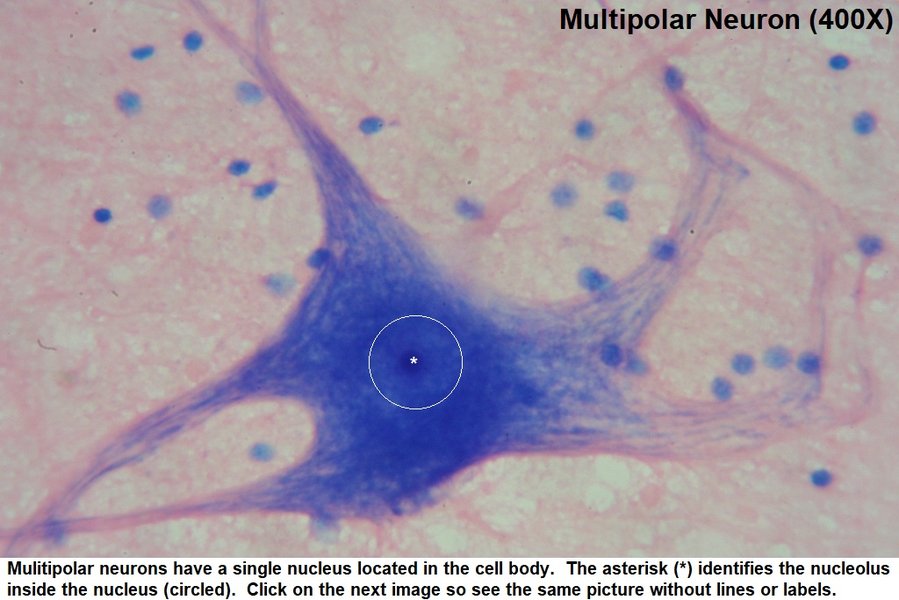
A multipolar neuron, showcasing its dendrites, cell body, and axon.
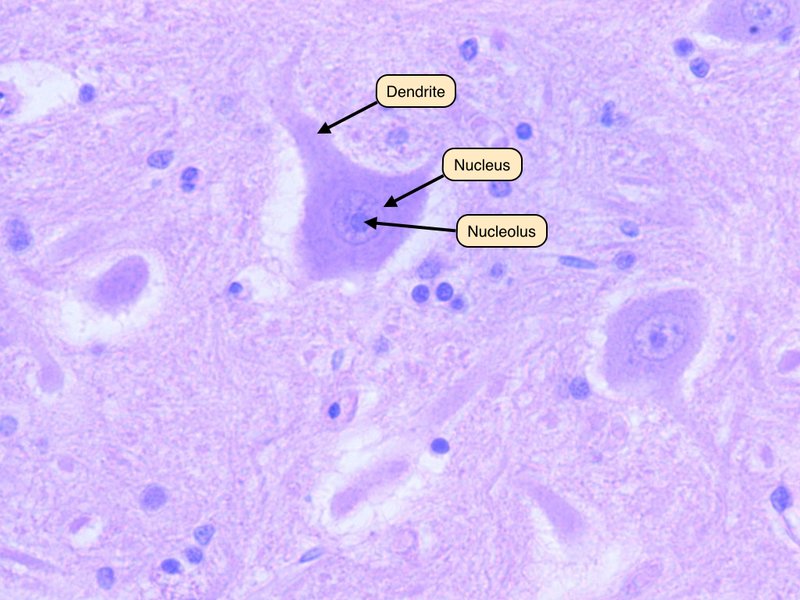
A motor neuron with labeled components, highlighting the key structures involved in signal transmission.

A real human brain, providing a visual representation of the organ responsible for higher-level functions.
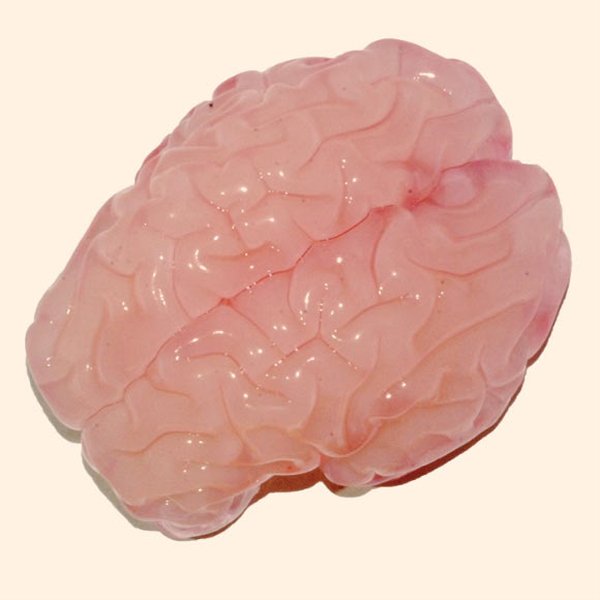
A 3D-printed brain, demonstrating the advancements in technology that allow for detailed modeling and study of the brain's structure.
These images provide a visual context for understanding the complex structure and function of the nervous system. From the microscopic details of individual neurons to the macroscopic view of the brain, each image offers a unique perspective on this vital system.
The Brain's Electrical Symphony: Understanding Nerve Impulses
The transmission of information within the nervous system relies on electrical signals called nerve impulses. These impulses, also known as action potentials, are rapid changes in the electrical potential across the neuron's membrane. Understanding how these impulses are generated and transmitted is fundamental to understanding the nervous system.
The process begins with the neuron at its resting state, where there is a difference in electrical charge between the inside and outside of the cell. When a stimulus is received, it causes a change in the membrane potential, leading to the opening of ion channels. This allows ions, such as sodium and potassium, to flow across the membrane, causing a rapid depolarization and the generation of an action potential. This electrical signal then travels down the axon to the synapse, where it can be transmitted to another neuron.
The speed of nerve impulse transmission can vary depending on factors such as the diameter of the axon and the presence of myelin, a fatty substance that insulates the axon and allows for faster transmission. Disruptions in nerve impulse transmission can lead to a variety of neurological disorders, highlighting the importance of this process for normal nervous system function.
Interdisciplinary Connections in Action: A Table of Subjects
To better illustrate how the nervous system can be connected to other subjects, consider the following table:
| Subject | Connection to Nervous System | Possible Project Ideas |
|---|---|---|
| Biology | Study of neurons, brain structure, and nerve function. | Create a model of a neuron or research neurological disorders. |
| Chemistry | Understanding neurotransmitters and drug interactions. | Investigate the effects of caffeine or alcohol on the brain. |
| Physics | Exploration of the electrical properties of nerve impulses. | Build a circuit to model a neural pathway. |
| Psychology | Behavior, cognition, and emotion. | Analyze a psychological disorder. |
| History | Evolution of understanding the nervous system. | Research a major discovery in neuroscience. |
| Literature | Exploring mental states, consciousness, and neurological disorders. | Analyze portrayals of mental illness in literature. |
| Art | Visual representations of the brain and nervous system. | Create an artwork inspired by the brain. |
| Social Studies | Societal impacts of neurological disorders and mental health. | Research public health policies related to mental health. |
The Nervous System: Our Cabina di Regia
This video, "IL SISTEMA NERVOSO - Le scienze spiegate FACILI," provides a simple and clear explanation of the nervous system. It explains how the nervous system acts as our body's "control room," enabling us to learn, react, understand, and perform various functions.
Video: A simple explanation of how the nervous system works.
The video breaks down the complex functions of the nervous system into easily understandable concepts, making it a great resource for middle school students. By using analogies and visual aids, it helps to illustrate how the nervous system processes information and coordinates bodily functions.
Frequently Asked Questions (FAQ)
References
Last updated April 10, 2025