
Possible Research Topics for a Master Thesis in Neuroinformatics on Psychedelics like Psilocybin
Exploring the Intersection of Computational Neuroscience and Psychedelic Science
Key Takeaways
- Interdisciplinary Approaches: Combining neuroinformatics with psychedelic research opens avenues for innovative computational models and data analysis techniques.
- Therapeutic Potential: Understanding psilocybin's impact on brain connectivity and neuroplasticity can lead to advancements in treating mental health disorders.
- Ethical Considerations: Integrating AI and machine learning in psychedelic therapy necessitates a careful examination of ethical implications and patient autonomy.
1. Neuroimaging and Brain Connectivity Changes Induced by Psilocybin
Advanced Neuroimaging Techniques to Explore Functional and Structural Alterations
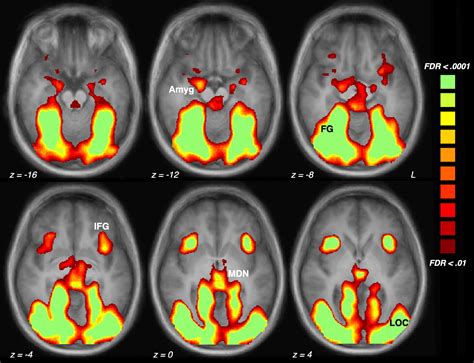
Research can focus on how psilocybin affects the brain's functional and structural connectivity. Utilizing neuroimaging tools such as functional Magnetic Resonance Imaging (fMRI), Electroencephalography (EEG), or Magnetoencephalography (MEG), scholars can investigate the alterations in brain networks during psychedelic states.
Key objectives include:
- Analyzing changes in the Default Mode Network (DMN) activity and its relation to ego dissolution and mystical experiences.
- Developing computational models that simulate brain dynamics under the influence of psilocybin to predict therapeutic outcomes.
- Comparing psilocybin-induced connectivity changes with those observed in other psychedelics to identify unique and shared neural mechanisms.
2. Machine Learning for Predicting Psychedelic Therapy Outcomes
Utilizing AI to Forecast Treatment Efficacy and Personalize Therapies
Machine learning algorithms can be employed to analyze vast datasets from clinical trials involving psilocybin therapy. By integrating neuroimaging data, genetic information, and psychological assessments, predictive models can identify which individuals are more likely to benefit from psychedelic-assisted treatments.
Potential research directions include:
- Developing predictive analytics pipelines that assess baseline brain states and genetic markers to forecast therapeutic responses.
- Identifying biomarkers through multimodal data integration that correlate with successful treatment outcomes.
- Creating personalized dosing models that tailor psilocybin administration based on individual neurobiological profiles.
3. Neuroplasticity and Psilocybin: Computational and Bioinformatics Approaches
Exploring Molecular and Cellular Mechanisms of Brain Remodeling
Psilocybin has been shown to promote neuroplasticity, the brain's ability to reorganize itself by forming new neural connections. Research can delve into the molecular pathways and cellular processes underlying these changes using computational models and bioinformatics tools.
Areas of focus may include:
- Modeling synaptic plasticity and network rewiring in response to psilocybin exposure.
- Analyzing gene expression data to identify genes involved in psilocybin-induced neuroplasticity.
- Simulating long-term brain network changes and their implications for treating neurodegenerative diseases.
4. Consciousness and Cognitive States Under Psilocybin
Modeling Altered States of Consciousness Using Computational Frameworks
Understanding how psilocybin alters consciousness involves studying the neural correlates of experiences such as ego dissolution, altered time perception, and enhanced creativity. Computational models can help in simulating these altered cognitive states and predicting their effects on mental health.
Possible research topics:
- Developing frameworks to model the interplay between different brain networks during psychedelic experiences.
- Investigating the neural basis of mystical experiences and their therapeutic implications using neuroinformatics approaches.
- Examining the relationship between altered information processing in the brain and changes in consciousness levels.
5. Comparative Analysis of Psychedelics Using Neuroinformatics
Differentiating the Neurobiological Effects of Various Psychedelic Substances
Comparative studies can analyze how different psychedelics, such as LSD, DMT, and MDMA, affect brain function and connectivity compared to psilocybin. Using computational methods, researchers can identify unique and overlapping neural mechanisms, enhancing the understanding of each substance's therapeutic potential.
Research objectives might include:
- Comparing the effects of various psychedelics on the DMN and other critical brain networks.
- Assessing the differential impact on neuroplasticity and synaptic formation across substances.
- Identifying unique biomarkers associated with each psychedelic for tailored therapeutic applications.
6. Psilocybin and Mental Health Disorders: Computational Insights
Leveraging Neuroinformatics to Uncover Therapeutic Mechanisms
Investigating the efficacy of psilocybin in treating mental health disorders such as depression, anxiety, and PTSD can benefit greatly from neuroinformatics. By analyzing brain network changes and behavioral data, researchers can elucidate how psilocybin facilitates therapeutic outcomes.
Potential research focuses:
- Studying the reduction of DMN hyperconnectivity in depression through psilocybin therapy.
- Modeling changes in amygdala-prefrontal connectivity associated with improved emotional regulation.
- Analyzing long-term effects on brain networks and their correlation with sustained mental health improvements.
7. Ethical and Societal Implications of Psychedelic Research
Addressing Challenges in the Integration of AI and Psychedelic Therapy
As neuroinformatics plays a pivotal role in psychedelic research, it is essential to consider the ethical dimensions. Topics may include the implications of algorithm-driven therapeutic decisions, ensuring informed consent, and addressing biases in data interpretation.
Key areas for exploration:
- Evaluating the ethical considerations of using AI to guide psychedelic-assisted therapy.
- Investigating participant safety and autonomy in algorithm-informed treatment protocols.
- Exploring societal perceptions and potential stigmatization associated with psychedelic research.
8. Artificial Intelligence in Analyzing Psychedelic Experiences
Developing AI Tools for Understanding Subjective Psychedelic Reports
AI-driven tools, particularly those utilizing Natural Language Processing (NLP), can analyze qualitative data from psychedelic experiences reported in clinical trials or online forums. This can uncover patterns and insights that inform therapeutic practices.
Potential research topics include:
- Using sentiment analysis to correlate qualitative reports with neuroimaging data.
- Developing models to classify and predict therapeutic outcomes based on descriptive experiences.
- Analyzing linguistic patterns to understand the cognitive and emotional impacts of psilocybin.
9. Information Processing and Entropy in the Psychedelic Brain
Quantifying Brain Activity Complexity Under Psilocybin
Research can focus on how psilocybin affects information processing and the entropy of brain activity. By measuring the randomness and complexity of neural signals, scholars can gain insights into the cognitive flexibility and altered states induced by psychedelics.
Areas to investigate:
- Computational modeling of entropy levels in different brain networks during psilocybin administration.
- Assessing the relationship between entropy measures and subjective experiences of creativity and problem-solving.
- Exploring how changes in information flow correlate with therapeutic outcomes in mental health treatments.
10. Personalized Medicine: Tailoring Psychedelic Therapies Using Neuroinformatics
Developing Personalized Approaches for Psychedelic-Assisted Treatments
Personalized medicine approaches can enhance the efficacy of psychedelic therapies by considering individual differences in genetics, brain structure, and psychological profiles. Neuroinformatics tools can facilitate the development of customized treatment plans.
Potential research directions:
- Investigating genetic markers that predict individual responses to psilocybin.
- Developing algorithms that tailor dosing regimens based on neuroimaging and behavioral data.
- Creating comprehensive models that integrate multiple data modalities to optimize therapeutic outcomes.
11. Educational Tools and Simulations in Neuroinformatics
Enhancing Neuroinformatics Education Through Psychedelic Case Studies
Designing educational tools and simulations that incorporate psychedelic research can advance neuroinformatics education. This approach can help students and researchers understand complex neurobiological processes through real-world case studies.
Research topics may include:
- Developing interactive simulations that model brain network changes under psychedelics for educational purposes.
- Creating datasets and computational challenges based on psychedelic research to foster learning and innovation.
- Exploring the role of psychedelics in enhancing creativity and problem-solving skills within neuroinformatics curricula.
12. Receptor-Level Modeling of Psilocybin Action
Simulating Neurotransmitter Interactions and Downstream Effects
At a molecular level, understanding how psilocybin interacts with serotonin receptors, particularly the 5-HT2A receptor, is crucial. Computational models can simulate these interactions and predict downstream neural effects.
Key research areas:
- Modeling the binding dynamics of psilocybin with 5-HT2A receptors and other serotonin receptors.
- Simulating the cascade of intracellular events triggered by receptor activation.
- Investigating the impact of receptor-level interactions on large-scale brain network behavior.
13. Time Perception Alterations Under Psilocybin: A Computational Approach
Modeling Neural Mechanisms of Altered Temporal Processing
Psilocybin is known to distort time perception, but the underlying neural mechanisms remain not fully understood. Computational models can help map these time distortions to specific brain dynamics and structures.
Potential topics include:
- Developing models that correlate altered cerebellar inputs with subjective reports of time distortion.
- Analyzing changes in DMN activity patterns and their relation to temporal perception alterations.
- Simulating the impact of psilocybin on neural circuits responsible for timekeeping and rhythm synchronization.
14. Multimodal Data Integration in Psilocybin Research
Combining Neuroimaging, Genetic, and Behavioral Data for Comprehensive Insights
Integrating diverse data types can provide a holistic understanding of psilocybin's effects. Neuroinformatics tools enable the combination of neuroimaging, genetic, and behavioral data to identify comprehensive biomarkers and therapeutic targets.
Research focuses may include:
- Developing pipelines for the seamless integration of multimodal datasets.
- Applying advanced statistical and machine learning techniques to uncover cross-modal correlations.
- Identifying integrated biomarkers that predict treatment success across different data types.
15. Educational and Simulation Tools in Neuroinformatics Research
Designing Interactive Platforms to Teach Neuroinformatics through Psychedelic Case Studies
Creating educational tools that use psychedelic research as a case study can enhance the learning experience in neuroinformatics. These tools can help students visualize complex brain network changes and understand data analysis techniques applied in real-world research.
Possible research directions:
-
Developing interactive simulations that demonstrate psilocybin-induced brain connectivity changes.
-
Creating datasets from psychedelic studies for use in educational machine learning projects.
-
Exploring the use of virtual reality to simulate altered states of consciousness for educational purposes.
Conclusion
Embarking on a master's thesis in neuroinformatics with a focus on psychedelics like psilocybin offers a rich landscape of interdisciplinary research opportunities. From leveraging advanced neuroimaging techniques and machine learning algorithms to understanding the molecular underpinnings of neuroplasticity and consciousness, the integration of computational methods with psychedelic science can lead to groundbreaking insights. Additionally, considering the ethical and societal implications ensures that this research not only advances scientific knowledge but also contributes positively to therapeutic practices and societal well-being.
By exploring these diverse and innovative topics, researchers can contribute significantly to the growing field of psychedelic science and its applications in mental health treatment, ultimately fostering a deeper understanding of the human brain and consciousness.
References
Here are some relevant sources that inform the potential research topics listed above:
Last updated January 20, 2025