
Tragic New Year's Day Terrorist Attack in New Orleans
On the night of January 1, 2025, New Orleans, Louisiana, was the scene of a devastating terrorist attack that plunged the city into chaos and sorrow. In the early hours of the new year, a coordinated assault involving a vehicle ramming and subsequent gunfire resulted in significant loss of life and numerous injuries. This incident not only shocked the local community but also reverberated across the nation, prompting urgent discussions on public safety and counter-terrorism measures.
Incident Overview
Details of the Attack
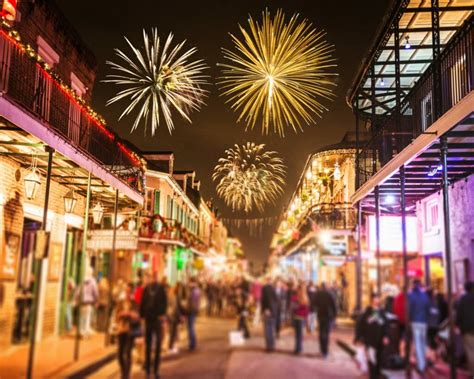
At approximately 3:15 a.m. on January 1, 2025, during the vibrant New Year's celebrations in the French Quarter, a white pickup truck deliberately plowed into a densely packed crowd on Bourbon Street and Canal Street. This area, renowned for its lively nightlife, bars, and restaurants, was teeming with locals and tourists alike, all partaking in the festivities to welcome the new year. The vehicle, moving at high speed, breached barricades designed to control the crowd, making a direct impact that caused immediate chaos and panic among the revelers.
Witnesses reported that after the initial collision, the driver of the truck exited the vehicle and began firing an assault rifle into the crowd and at responding law enforcement officers. The rapid escalation turned the celebratory atmosphere into one of terror, with individuals desperately seeking safety amidst the gunfire. The swift and coordinated nature of the attack left little time for an effective response, resulting in a tragic toll of lives lost and injuries sustained.
Casualties and Immediate Aftermath
The attack claimed the lives of at least 10 individuals, with another 30 people suffering injuries of varying degrees, ranging from minor to critical. Among the injured were both local residents and tourists who had traveled to New Orleans to experience the city's renowned celebrations. Emergency medical services responded promptly, transporting the wounded to five major local hospitals: University Medical Center, Touro Hospital, East Jefferson General Hospital, Ochsner Medical Center Jefferson Campus, and Ochsner Baptist Campus. The immediate medical response was crucial in managing the casualties and providing life-saving care to those affected.
Official Response and Investigation
Immediate Law Enforcement Actions
The New Orleans Police Department (NOPD) was the first to respond to the incident, quickly establishing a perimeter around the affected area to prevent further casualties and secure the scene. In addition to the local police force, federal authorities, including the Federal Bureau of Investigation (FBI), were dispatched to assist with the investigation. The FBI's involvement was particularly significant due to the discovery of a suspected improvised explosive device (IED) at the scene, indicating a potentially more sophisticated and coordinated attack.
Law enforcement officers engaged the perpetrator in a tense confrontation. During this encounter, two police officers sustained injuries but were fortunately reported to be in stable condition. The confrontation culminated in the suspect being apprehended and neutralized by the authorities, effectively ending the immediate threat to public safety.
Authority Statements and Classification of the Incident
New Orleans Mayor LaToya Cantrell was quick to label the incident as a "terrorist attack," underscoring the deliberate and malicious intent behind the perpetrator's actions. In her press conference, Mayor Cantrell emphasized the severity of the attack and the impact it had on the city's sense of security and community. Governor Jeff Landry echoed these sentiments, describing the event as a "horrific act of violence" and expressing solidarity with the victims, their families, and the first responders who confronted the attacker.
The FBI, while confirming their active investigation into the incident, addressed the complexity brought about by the presence of the IED. Assistant Special Agent in Charge Alethea Duncan highlighted that the discovery of explosive devices suggested a level of premeditation and potential links to larger extremist networks. However, as of the latest updates, definitive connections to specific terrorist organizations had yet to be established.
Security Measures and Preparedness
Pre-Event Security Enhancements
In anticipation of the New Year's celebrations, New Orleans authorities had implemented extensive security measures aimed at safeguarding the large crowds expected to gather in the French Quarter. The NOPD operated at "100 percent staffing capacity," supplemented by an additional 300 officers deployed from partner agencies. This robust law enforcement presence included both marked and unmarked patrol vehicles, as well as officers stationed on foot, bicycles, and horseback, to maintain visibility and rapid response capability.
Despite these comprehensive precautions, the attack exposed critical vulnerabilities in crowd security, particularly concerning vehicle-based threats. The incident underscored the challenges of preventing such attacks, which have become increasingly common tactics among various extremist groups due to their simplicity and potential for mass casualties.
Lessons Learned and Future Preparedness
The tragedy has prompted a thorough review of existing security protocols and the implementation of additional safeguards to prevent similar incidents in the future. Recommendations include the installation of advanced vehicle barriers to restrict access to pedestrian zones, the deployment of enhanced surveillance systems for real-time monitoring, and the integration of intelligence-sharing mechanisms among federal, state, and local law enforcement agencies.
Moreover, there is an emphasized need for regular training and drills for first responders to effectively manage mass casualty situations, ensuring a swift and coordinated response should another incident occur.
Investigation and Perpetrator Profile
Details of the Perpetrator
The individual responsible for the attack has been described by authorities as being "hellbent on creating carnage," indicative of a deep-seated intent to cause widespread harm and fear. During the confrontation with law enforcement, the perpetrator engaged in active gunfire, demonstrating both determination and aggression. The subsequent neutralization of the suspect at the scene was a critical factor in preventing further loss of life and mitigating the overall impact of the attack.
Investigation Findings
The discovery of an improvised explosive device (IED) at the scene adds a significant dimension to the investigation, suggesting that the attack may have been part of a larger, more planned operation. The FBI is actively exploring potential connections to extremist groups and assessing whether the perpetrator had affiliations or support from organized networks. While no definitive links have been established, the presence of the IED indicates a higher level of sophistication than a lone-wolf attack.
Further forensic analysis and intelligence operations are underway to uncover the motives behind the attack, the planning process, and any possible accomplices. The investigation aims to provide a comprehensive understanding of the factors that enabled the perpetrator to carry out such a devastating act.
Public and Community Response
Immediate Public Reaction
The incident elicited widespread shock and grief from the New Orleans community and beyond. Residents expressed their sorrow and outrage over the attack, mourning the loss of lives and the trauma inflicted on those who survived. Vigils and memorials were quickly organized to honor the victims and provide support to their families.
Solidarity and Support
In the aftermath of the attack, there was a notable surge in community solidarity. Local organizations, businesses, and citizens came together to offer assistance to the injured and their families, demonstrating the city's resilience and capacity for unity in the face of tragedy.
National figures also voiced their condolences and support. President Joe Biden issued a statement condemning the violence and pledging federal support for the investigation and recovery efforts, reinforcing the importance of a united front against terrorism.
Broader Implications and Security Concerns
Impact on Tourism and Public Perception
New Orleans is a major tourist destination, renowned for its rich cultural heritage, vibrant festivals, and lively nightlife. Incidents like the New Year's Day attack have significant implications for the city's tourism industry. Potential tourists may harbor concerns regarding safety, which could affect visitor numbers and, consequently, the local economy.
To mitigate these concerns, city officials are committed to enhancing security measures and restoring public confidence. Transparent communication about the steps being taken to prevent future attacks is essential in reassuring both residents and visitors of their safety.
National Security and Policy Considerations
The attack highlights the evolving nature of terrorism and the necessity for dynamic and adaptive security strategies. Vehicle ramming, combined with active gunfire, represents a dual threat that requires comprehensive countermeasures, including technology-driven surveillance, intelligence analysis, and community-based vigilance programs.
Policymakers are urged to consider legislative measures that support enhanced security infrastructure and facilitate better coordination among various law enforcement agencies. Additionally, there is a recognized need for addressing underlying factors that contribute to radicalization and extremism, ensuring a holistic approach to national security.
Historical Context and Comparisons
Previous Incidents in New Orleans
New Orleans has a history of facing challenges associated with large public gatherings. Notably, in February 2017, a pickup truck driven by an intoxicated individual plowed into a crowd during the Mardi Gras parade, resulting in over 20 injuries. More recently, in November 2024, two separate shootings along a parade route in the city led to two fatalities and ten injuries. These incidents underscore the persistent vulnerabilities in securing public events, emphasizing the need for continuous improvement in security protocols.
Global Perspective on Vehicle-Ramming Attacks
The method of attack employed in New Orleans mirrors global trends where vehicle-ramming has become a preferred tactic for extremists due to its accessibility and the potential for high-impact casualties. For instance, the December 20, 2024, German Christmas market attack resulted in five fatalities and numerous injuries, highlighting the recurrence of such strategies in diverse cultural contexts.
These global incidents have prompted cities worldwide to rethink and bolster their security measures, focusing on preventing vehicle access to pedestrian-heavy areas and improving rapid response capabilities.
Conclusion
The New Year's Day 2025 terrorist attack in New Orleans serves as a stark reminder of the persistent and evolving threats to public safety. The deliberate targeting of a celebratory crowd using both vehicular and firearm-based violence has profound implications for how cities prepare for and respond to potential terrorist activities. As New Orleans grapples with the aftermath of this tragedy, there is a renewed focus on enhancing security measures, fostering community resilience, and addressing the root causes of extremism.
The city's determination to recover and prevent future incidents reflects a broader commitment to ensuring the safety and well-being of its residents and visitors. Moving forward, the lessons learned from this attack will be pivotal in shaping effective counter-terrorism strategies and safeguarding public gatherings against such heinous acts.
For ongoing coverage and updates on the investigation, the public is advised to refer to reputable news sources and official statements from local and federal authorities.
Sources:
Last updated January 1, 2025