
Exploring the Succession of Apex Predators After Humanity
Delving into the Potential Candidates for Earth's Dominant Hunter
Key Insights
- Defining Apex Predators: An apex predator is at the very top of its food chain, typically having no natural predators of its own within its ecosystem. While humans currently exert unprecedented dominance, our classification as "apex predators" is debated due to our diverse diet and the fact that we don't always consume what we kill.
- Humanity's Unique Impact: Humans differ significantly from other apex predators not only in our broad dietary habits but also in our ability to modify ecosystems and exploit a vast range of species (around one-third of all vertebrate species). Our influence extends far beyond simple predation.
- Potential Successors: If humans were to disappear, the role of apex predator would likely be filled regionally by a variety of species, depending on the specific biome. Candidates with intelligence, adaptability, and existing predatory capabilities, such as large cats, canids, marine mammals like orcas, and perhaps surprisingly, cephalopods like octopuses, could rise to greater prominence.
Understanding the Apex Predator Concept
The term "apex predator" refers to a species situated at the very top of a food chain within a particular ecosystem. These formidable hunters are characterized by the absence of natural predators that regularly prey upon healthy adults of their species. Examples of classic apex predators include lions, tigers, wolves, and great white sharks in their respective environments.
Historically, the concept of an apex predator has been relatively straightforward, focusing on direct predation within a localized food web. However, the role of humans in the global ecosystem complicates this definition. While humans are capable hunters and exert immense pressure on countless species, our position is unique. We consume a highly varied diet, often utilizing technology for food acquisition, and our impact extends far beyond direct predation through habitat modification, pollution, and climate change. This has led some scientists to argue that while humans are the dominant species on Earth, we don't fit the traditional ecological definition of an apex predator in the same way a wolf or lion does.
The Traditional View of Apex Predators
Traditionally, apex predators play crucial roles in maintaining the balance of their ecosystems. By regulating prey populations, they can prevent overgrazing and control the spread of diseases within herbivore communities. Their presence can also influence the behavior and distribution of other predators lower in the food chain, a phenomenon known as a trophic cascade.
Consider the reintroduction of wolves to Yellowstone National Park. Their presence significantly impacted the elk population, which in turn allowed for the recovery of riparian vegetation, benefiting a wide range of other species. This illustrates the profound influence that apex predators can have on the structure and function of an ecosystem.

Humanity's Divergence from the Traditional Model
Unlike other apex predators that typically specialize in hunting a limited range of prey species within their immediate environment, humans exhibit an unparalleled breadth of resource exploitation. We harvest, collect, or otherwise utilize approximately 15,000 vertebrate species, which accounts for about one-third of all vertebrate species on Earth. This level of impact is significantly higher than that of any other single predator.
Furthermore, a considerable portion of human impact on other species is not for direct consumption but for other purposes, such as the pet trade, medicine, or agricultural feed. This sets us apart from traditional apex predators whose predation is primarily driven by the need for sustenance. Our capacity for large-scale environmental alteration also distinguishes us, fundamentally changing ecosystems in ways that other predators cannot.
Humanity's Historical and Present Predatory Status
For a significant portion of our evolutionary history, humans and our ancestors occupied a high trophic level. Evidence suggests that early Homo species, such as Homo erectus, transitioned to a predominantly carnivorous diet around 2.5 million years ago and maintained a high trophic level for approximately two million years. During this period, they were effective hunters, adapting their strategies and tools to prey on large animals.
However, with the development of agriculture and increasingly complex societies, the human diet diversified significantly. While meat consumption remains prevalent, the inclusion of a wide variety of plants and other food sources has, from a purely ecological standpoint based on diet, lowered our global average trophic level compared to a strict carnivore.
The Concept of Human Trophic Level
The trophic level of an organism is a measure of its position in a food chain. Primary producers (plants) are at level 1, herbivores are at level 2, and carnivores that eat herbivores are at level 3, and so on. Apex predators, feeding on other carnivores, can reach higher trophic levels. The human trophic level is calculated based on the proportion of plant and animal matter in our diet. Studies have estimated the global average human trophic level to be around 2.21, comparable to that of animals like pigs and anchovies. This figure reflects our omnivorous nature.
Despite this relatively low average trophic level based solely on diet, our impact on ecosystems is undeniably that of a dominant force. Our ability to exploit resources on a global scale and fundamentally alter habitats gives us a unique position that transcends the simple definition of an apex predator. Some researchers have proposed the term "super predator" to describe the unprecedented and wide-ranging impact humans have on other species.

Predators of Early Humans
While modern humans largely exist without natural predators (excluding rare instances of predation by large carnivores or encounters with dangerous animals), our early ancestors were not always at the top of the food chain. They faced threats from various large predators, including large cats like leopards and saber-toothed cats, hyenas, crocodiles, and possibly even large birds of prey depending on the region and time period. The development of tools, cooperative hunting strategies, and increased intelligence were crucial in helping early humans mitigate these threats and move towards a more dominant position in their ecosystems.
Candidates for the Next Apex Predator
Predicting which species would become the dominant apex predator or predators after the hypothetical disappearance of humanity is a complex exercise in speculative evolution. Without the overwhelming influence of humans, ecosystems would undergo significant shifts. The release of pressure on many prey species, the cessation of habitat destruction, and the removal of human infrastructure would create new opportunities and challenges for surviving wildlife.
It's highly unlikely that a single species would universally "take over" as the apex predator across the entire planet. Instead, different regions and biomes would likely see the rise of various species to fill the vacated ecological niches at the top of the food chain. The success of a species in becoming an apex predator would depend on a combination of factors, including their adaptability, intelligence, existing predatory capabilities, reproductive rates, and ability to thrive in the altered environments.
Established Terrestrial Predators
Existing large terrestrial carnivores are strong candidates to expand their influence and become more dominant in the absence of human pressure. Species that are already at or near the top of their regional food chains would be well-positioned to fill the void.
Large Felines (Lions, Tigers, Leopards)
These powerful and adaptable hunters already occupy apex predator roles in many ecosystems. With reduced human conflict and competition, their populations could potentially increase, and they might expand their ranges. Their hunting prowess and ability to take down large prey make them formidable contenders.

Canids (Wolves, Wild Dogs)
Social predators like wolves and African wild dogs are highly efficient hunters, relying on pack cooperation to bring down prey. Their intelligence and adaptability to different environments could allow them to flourish.

Bears
Various bear species are already formidable predators and scavengers. Their size, strength, and ability to utilize a variety of food sources could contribute to their success in a post-human world.
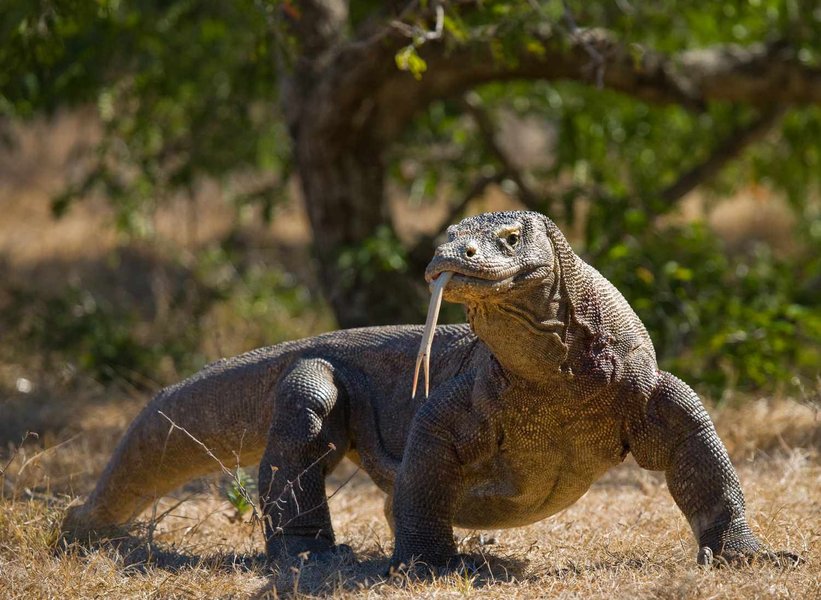
Komodo Dragons
These large reptiles are apex predators on the islands they inhabit. Their size, venomous bite, and opportunistic hunting style make them dominant forces in their specific ecosystems.
Dominant Aquatic Predators
In the marine environment, the removal of human overfishing and pollution would likely lead to significant changes in food webs.
Orcas (Killer Whales)
Already apex predators in many parts of the ocean, orcas are highly intelligent, social, and possess diverse hunting strategies. With less human activity, their populations could rebound, and they would likely remain dominant marine predators.
Sharks (Great White Sharks, Tiger Sharks, etc.)
Many large shark species are apex predators in their habitats. Reduced fishing pressure would likely benefit shark populations, allowing them to exert greater influence on marine ecosystems.
Potentially Emerging Predators
Beyond the established apex predators, some less obvious candidates could potentially rise to prominence, particularly those with intelligence and adaptability.
Cephalopods (Octopuses)
Octopuses are remarkably intelligent invertebrates with sophisticated problem-solving abilities and camouflage techniques. While not traditionally considered apex predators on the scale of large vertebrates, some scientists speculate that in a drastically altered world, their intelligence and adaptability could allow them to exploit new niches and potentially become more dominant predators in coastal or marine environments.
Certain Bird Species (Large Raptors)
Large birds of prey are already apex predators in their aerial domains. The removal of human infrastructure and a potential increase in prey populations could benefit these species.

The Role of Parasites and Diseases
It's also worth considering that in a post-human world, the most impactful "predators" might not be traditional hunters but rather parasites and infectious diseases. As social creatures, humans are particularly susceptible to the spread of pathogens. In a scenario involving humanity's sudden disappearance, the diseases that affected us could potentially find new hosts or evolve in ways that impact other species. This highlights that the concept of a "predator" can extend beyond macroscopic organisms that physically consume others.
Factors Influencing the Succession
Several factors would influence which species would emerge as dominant predators in a post-human world.
Ecological Opportunities
The collapse of human society would open up vast ecological niches and reduce pressure on many species. Animals that are currently limited by human activity (hunting, habitat loss, competition) would have the opportunity to expand their populations and ranges.
Adaptability and Resilience
Species that are highly adaptable to changing environments and can utilize a variety of resources would have an advantage. Those that can navigate and even exploit former human infrastructure might also thrive.
Reproductive Rates
Species with relatively high reproductive rates would be able to increase their numbers more quickly and capitalize on new opportunities.
Existing Predatory Skills and Social Structures
Animals with established hunting techniques and, in some cases, complex social structures that aid in hunting or defense would be well-equipped to become dominant predators.
Comparison of Potential Successors
The following table provides a simplified comparison of some potential candidates for apex predator status after humanity, considering factors that might contribute to their success.
| Candidate | Key Strengths | Potential Limitations | Likely Environment |
|---|---|---|---|
| Lions/Tigers | Powerful hunters, adaptable, established apex predators | Require large territories, vulnerable to disease | Various terrestrial habitats |
| Wolves | Highly social hunters, intelligent, adaptable | Vulnerable to disease, require large territories | Various terrestrial habitats |
| Orcas | Highly intelligent, diverse hunting strategies, social | Limited to marine environments, vulnerable to ocean changes | Oceans globally |
| Octopuses | Highly intelligent, adaptable, problem-solving abilities | Invertebrates, potentially shorter lifespans, limited terrestrial movement | Coastal and marine environments |
| Bears | Large size, strength, omnivorous diet, adaptable | Solitary for the most part, lower reproductive rates than some | Various terrestrial habitats |
The Long-Term Perspective
The transition to a world without human dominance would not be instantaneous. Ecosystems would likely undergo a period of instability and readjustment. The species that initially thrive might not be the long-term dominant forces. Over vast timescales, evolutionary processes would continue to shape life on Earth, potentially leading to the emergence of entirely new dominant species with characteristics we can only speculate upon.
The idea of a single species replacing humans as the "dominant" one is also anthropocentric. Different species would likely dominate in different ways and in different environments. The concept of dominance itself might evolve in a world free from human influence.
This video discusses the idea of dominance within the animal kingdom, providing context for thinking about what constitutes a dominant predator and how various species measure up. It helps frame the discussion around the potential successors to human dominance by highlighting the diverse strategies and characteristics that contribute to a predator's success. Understanding the existing dynamics of predator-prey relationships and dominance hierarchies is essential for speculating on how these might change in a world without humans.
Frequently Asked Questions
Are humans currently apex predators?
Whether humans fit the traditional definition of an apex predator is debated. While we are the dominant species and exert immense pressure on others, our diverse diet and methods of resource acquisition differ from classic apex predators that primarily hunt within a specific food chain and consume what they kill. Some consider us "super predators" due to our unparalleled impact.
Did humans ever have natural predators?
Yes, early humans and our ancestors faced predation from various large carnivores, including big cats, hyenas, and crocodiles. The development of tools, intelligence, and social structures helped reduce these threats over time.
Would a single animal take over as the apex predator globally?
It is highly unlikely that a single species would become the apex predator across all global ecosystems. Different regions and biomes would likely see various species rise to dominance based on local conditions and the specific characteristics of the surviving wildlife.
Could something other than an animal become the dominant force?
While speculative, in a post-human world, the most impactful forces could potentially include rapidly evolving diseases, invasive species, or even environmental factors if ecosystems shift dramatically.
How long would it take for a new apex predator to emerge?
The timeline for new apex predators to fully establish dominance would vary greatly depending on the species and ecosystem. Some existing predators might quickly expand their influence, while the evolution of entirely new dominant species would take much longer, likely thousands or even millions of years.
References
Last updated May 4, 2025