
Nasogastric Tube Feeding in Newborns: The Critical Synthesis
Comprehensive insights into evidence-based practices and clinical guidelines
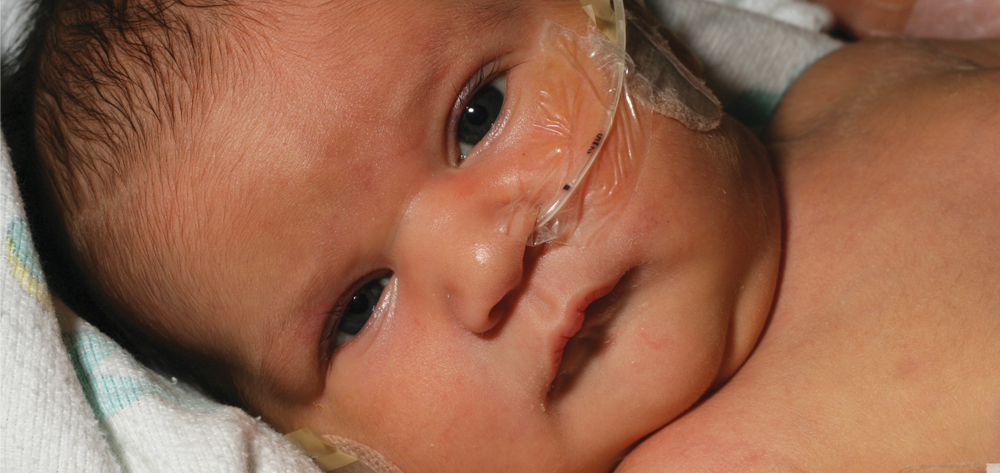
Key Insights
- Safety and Efficacy: Emphasis on standardized procedures to mitigate complications while ensuring optimal nutritional support.
- Evidence-Based Practice: Integration of up-to-date research and clinical guidelines drives improved outcomes for preterm and high-risk newborns.
- Transition to Home Care: Strategic early discharge with appropriate parental education minimizes hospital stays and enhances quality of life.
Detailed Synthesis and Conclusion
In the realm of neonatal care, proper nutritional support is both a priority and a challenge, especially for infants who are unable to establish effective oral feeding due to prematurity or associated complications. Nasogastric (NG) tube feeding has emerged as a cornerstone intervention, ensuring that these infants receive vital nutrients essential for growth and developmental progression. The current evidence and prevailing clinical guidelines provide a multifaceted view of NG tube feeding practices, emphasizing both its beneficial outcomes and its potential risks when not administered properly.
Emphasis on the Safety and Efficacy of NG Tube Feeding
Critical Role in Nutritional Support
The primary purpose of NG tube feeding is to deliver enteral nutrition to newborns who struggle with the coordination of sucking, swallowing, and breathing. This method serves not only as a temporary solution during the neonatal period but also plays an instrumental role in the transition from parenteral nutrition to eventual oral feeding. Numerous studies have highlighted that infants receiving NG tube feeding experience improved outcomes, particularly in terms of weight gain and overall developmental milestones. The technique is especially important for preterm infants or those with low birth weight, as it allows for controlled and gradual nutritional delivery that aligns with the infant's metabolic needs.
Reduction in Intensive Care Duration
One of the prominent advantages of NG tube feeding is the potential reduction in the length of stay in the Neonatal Intensive Care Unit (NICU). When infants are discharged home with an NG tube, careful clinical monitoring and structured feeding protocols have not only shown a decrease in hospital days but have also maintained a high standard of safety. This early transition from hospital to home-based care, when executed alongside strict guidelines and parental education programs, has been associated with a decrease in healthcare costs and improved overall parental satisfaction. By bridging the gap between intensive care environments and home settings, NG tube feeding facilitates a smoother progression toward full oral feedings and discharges.
Guidelines and Protocols as Pillars of Effective Care
Adherence to Evidence-Based Protocols
The implementation of NG tube feeding practices in neonates is governed by comprehensive guidelines developed by expert panels and professional organizations. These guidelines stress the importance of proper tube placement, ongoing verification measures (such as pH testing), and continuous monitoring of feeding tolerance and tube position. Adherence to these protocols is critical in preventing adverse events such as tube misplacement, migration, or accidental aspiration. Given the delicate physiological environment of neonates, even minor deviations from standardized procedures can have significant repercussions.
To support safe practice, it is essential for all clinical personnel involved in neonatal care to receive thorough training in NG tube insertion and management. This includes hands-on simulation training and ongoing competency assessments that ensure uniformity in practice across different units. In addition to healthcare provider education, comprehensive parental training programs are now integral in the continuum of care when infants are discharged with NG feeds. These educational interventions empower parents to effectively manage feeding at home and recognize early signs of complications, thereby enhancing both safety and care outcomes.
Minimizing Risks through Technological and Procedural Innovations
Despite its widespread use, NG tube feeding carries inherent risks if improperly managed. Reports of complications such as pneumothorax, tube migration, or inadvertent insertion into the respiratory tract underscore the need for advanced procedural safeguards. Various innovations in both technology and clinical methods have been deployed to minimize these risks. For instance, the integration of pH-based confirmation techniques for verifying proper tube placement has become standard practice. Regular reassessment of the tube position during feeds and after repositioning activities are also parts of the refined protocols aimed at reducing complications.
Moreover, recent studies underscore the importance of individualized care plans. Clinical decision-making should carefully consider factors unique to each neonate, such as birth weight, gestational age, and the presence of concurrent health impairments, including those affecting the respiratory system. Tailored care, with decisions guided by the latest empirical evidence, is fundamental to optimizing the safety, efficacy, and success of NG tube feeding.
NG Tube Feeding as a Transitional Strategy Towards Oral Feeding
Facilitating the Development of Oral Feeding Skills
Another significant aspect of NG tube feeding centers on its role in enabling a gradual transition to oral feeds. For many premature infants, the development and coordination of sucking, swallowing, and breathing are not fully matured at birth. NG feeding offers a dual advantage in these cases: it ensures the provision of adequate nutrition while concurrently providing the infant with opportunities to practice and improve their oral motor skills. A carefully designed feeding schedule, which includes intermittent oral stimulation and gradual increases in the proportion of nutritive sucking, has been shown to foster the maturation of these essential skills. This structured approach not only supports current nutritional needs but also aids in preparing the infant for the eventual full transition to oral feedings.
Optimizing Long-Term Developmental Outcomes
NG tube feeding is more than just a temporary nutritional solution; it plays an integral role in the long-term developmental strategy for vulnerable neonates. Research indicates that infants who receive early and appropriate nutritional support demonstrate better growth trajectories and neurodevelopmental outcomes compared with those who experience delays or complications with feeding. By ensuring that these infants receive the calories and nutrients required for brain and body development, NG tube feeding has a lasting impact on their cognitive and physical progress. As evidence continues to accumulate, standardized feeding protocols are continuously refined to align with these outcomes, thereby reinforcing the importance of early intervention strategies in neonatal care.
Challenges and Future Directions
Addressing Variabilities in Practice
While the efficacy of NG tube feeding has been well-documented, there exists variability in clinical practices across different institutions and regions. These discrepancies often stem from differences in training protocols, resources, and the specific guidelines that are adopted locally. To address these variations, there is a concerted effort in the neonatal care community to develop uniform, evidence-based standards that are widely adopted. Continued research is imperative to inform future guidelines that can standardize practice, minimize variability, and improve patient safety. Collaborative multinational studies and shared clinical data have the potential to illuminate best practices and streamline care protocols on a global scale.
Emerging Research and Innovations
The future of NG tube feeding in newborns is likely to be shaped by emerging research and technological advances. Innovations in sensor technology, imaging modalities, and real-time monitoring systems are poised to further reduce the risks associated with this intervention. Future technological developments may include improved methodologies for verifying tube placement, reducing both the incidence and severity of complications. Additionally, refining tube design and materials could enhance patient comfort and reduce the incidence of local tissue irritation or damage.
On the research front, longitudinal studies are now beginning to explore the long-term outcomes of infants who were managed using NG tube feeding protocols. Investigations into the neurodevelopmental impacts of early nutritional intervention, as well as the comparative effectiveness of NG feeding versus other forms of enteral nutrition (such as gastrostomy tubes), are areas of primary focus. Such research will not only refine current practices but may also contribute to the development of new guidelines that can ensure even safer and more effective care for neonates.
Utilizing Clinical Guidelines as a Framework for Excellence
Standardization of Protocols
In clinical practice, well-defined and standardized protocols are essential for ensuring a high level of care. The adoption of comprehensive guidelines, such as those issued by leading organizations and expert panels, helps practitioners make informed decisions based on the best available evidence. Whether it is the confirmation of tube placement using pH strips or continuous vigilance in monitoring for complications, each protocol has been developed with the intention of safeguarding the health of newborns. These guidelines act as a linchpin in the management of infants requiring NG tube feeding, serving both as a safety mechanism and as an educational tool for healthcare providers and families alike.
In conjunction with clinical guidelines, it is paramount that healthcare teams emphasize interprofessional collaboration. Neonatologists, nurses, dietitians, and respiratory therapists must all work together to ensure that each component of the NG feeding process is executed flawlessly. This multidisciplinary approach bolsters the overall success of the feeding regimen and ensures that anomalies are promptly detected and addressed. The ultimate goal is to create a seamless continuum of care that starts in the NICU and extends into home-based care, thereby maximizing both short-term and long-term benefits for vulnerable infants.
Comparative Data and Clinical Outcomes
Comprehensive Overview Table
| Aspect | Key Points | Clinical Outcomes |
|---|---|---|
| Safety | Standardized placement protocols, pH testing, continuous monitoring. | Reduced complications such as aspiration and tube migration. |
| Efficacy | Ensures adequate nutrition for VLBW and preterm infants. | Improved weight gain, developmental milestones, and neurodevelopmental outcomes. |
| NICU Stay | Early transition to home-based care with structured NG feeding protocols. | Reduced ICU days and healthcare costs while maintaining quality care. |
| Transition to Oral Feeding | Incremental oral stimulation and dual feeding strategies. | Facilitates development of oral feeding skills with positive long-term outcomes. |
| Future Trends | Advances in tube design, real-time monitoring, and standardized guidelines. | Enhanced safety and efficacy, reduced risk of complications, and improved care standardization. |
References
- Article on Neonatal NG Feeding - Nature
- Study on NG Feeding Safety - The Journal of Pediatrics
- Neonatal Feeding Guidelines - Clinical Guidelines
- NG Tube Feeding Overview - KidsHealth
- Pediatric Nasogastric Feeding Protocol - Metro North Health
Recommended Further Queries
The robust examination of nasogastric tube feeding practices discussed above underscores the transformative impact this intervention has on neonatal care. With its evidence-backed protocols, emphasis on safety, and strategic role in transitioning infants from the controlled environment of the NICU to the comfort of home, NG tube feeding stands at the forefront of neonatal nutritional management.
The clinical landscape in neonatal care continues to evolve, and along with it, the methodologies employed in NG tube feeding are continually refined. The critical integration of research, rigorous training for healthcare professionals, and the empowerment of parents through systematic education has yielded promising outcomes. These practices have not only reduced the length of hospital stays but have also paved the way for safer and more effective feeding strategies while ensuring that infants receive adequate nutrition during a crucial period of growth.
Moreover, as emerging evidence continues to illuminate the nuances of both NG tube feeding efficacy and optimal practice protocols, future research will undoubtedly bolster the standardization of care. Through collaborative multidisciplinary efforts and the adoption of innovative technological safeguards, the risk factors associated with NG tube feeding are being mitigated robustly, ultimately leading to improved clinical outcomes.
The consensus in the current literature is clear: nasogastric tube feeding, when executed with stringent adherence to evidence-based guidelines, not only fulfills the immediate nutritional needs of newborns but also acts as a crucial transitional method toward eventual oral feeding. With a focus on both the short-term benefits—such as a reduction in ICU durations and the alleviation of hospital-associated stress—and the long-term advantages, including enhanced neurodevelopment and growth metrics, NG tube feeding is integral in shaping the future dynamics of neonatal care.
As the field moves forward, it becomes imperative that standardized training and uniform protocols are adopted universally. This would help ensure consistency in practice, minimize the occurrence of adverse events, and optimize the benefits of NG tube feeding across diverse clinical settings. The evolution of best practices in NG feeding is both a reflection of rigorous scientific inquiry and a testament to the commitment of medical professionals in ensuring the highest quality of care for vulnerable infants.
Ultimately, the journey of nasogastric tube feeding in newborn care exemplifies an intersection of compassionate care, diligent research, and clinical innovation. It has transformed a once high-risk, potentially isolating therapy into a well-regulated process that empowers not only clinicians and caregivers but, most importantly, safeguards the future of our most vulnerable patients—newborns stepping onto the path of growth and development.
Last updated March 14, 2025